Cart
0
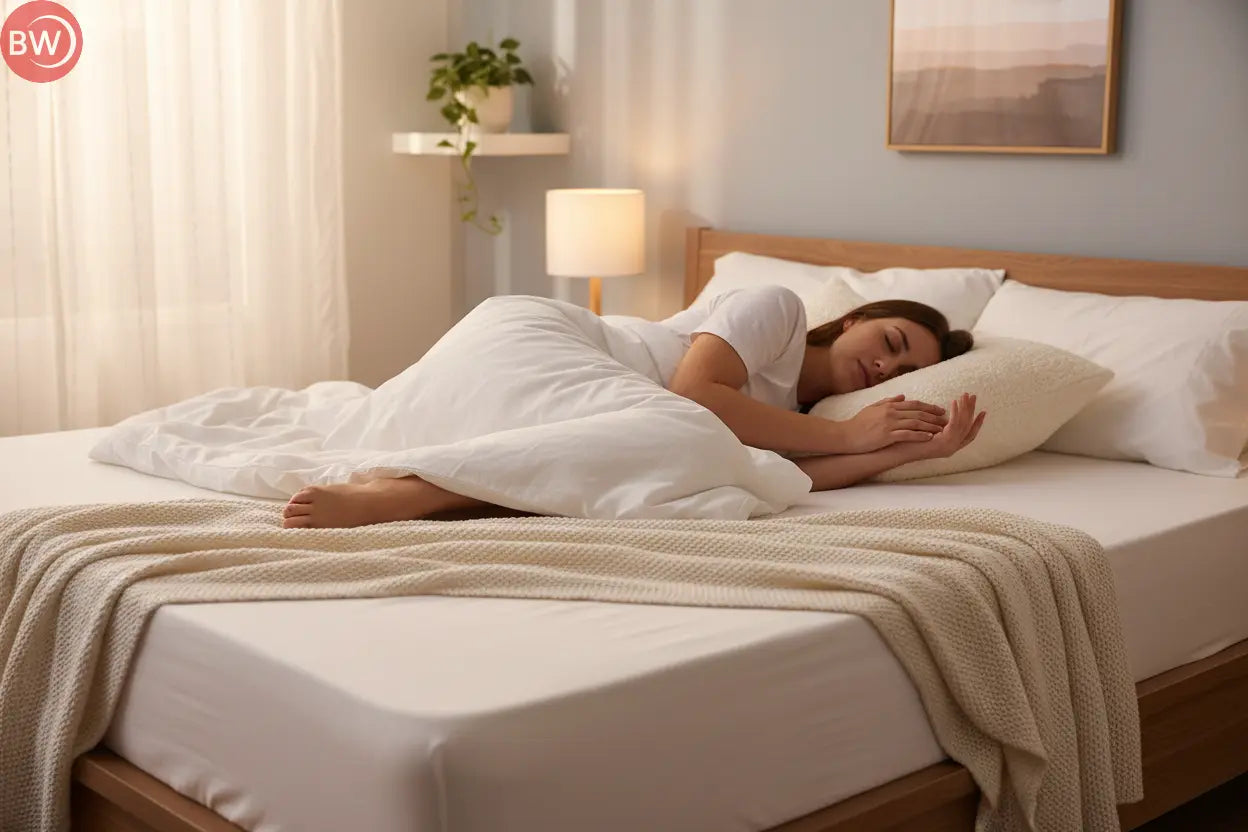
When considering “what are the best mattresses for side sleepers?” in Perth, the answer comes down to spinal alignment and targeted pressure relief at the shoulder and hip. Side sleepers make up the majority of Australians, yet most mattress advice treats sleeping position as an afterthought.
Key Takeaways
Before making a final decision, our guide on Where to Buy Mattresses in Perth covers what to look for when comparing suppliers, stores, and online options across the city.
-
Side sleepers need a mattress that keeps the spine in a neutral, horizontal alignment and cushions the shoulders and hips without allowing them to sink too far.
-
Medium to medium-soft firmness suits most side sleepers, though body weight affects how it feels in practice.
-
Memory foam, hybrid, and latex mattresses each address the specific pressure and support needs of side sleeping in different ways.
-
Choosing the right pillow alongside your mattress completes the picture of spinal alignment and reduces neck and shoulder tension overnight.
Why Do Side Sleepers Need Proper Spinal Alignment?
Side sleeping is popular because it benefits breathing, reduces snoring, and suits many people with lower back conditions. The catch is that it concentrates body weight through two narrow contact points: the outer shoulder and the outer hip. Without the right support beneath those points, the spine drifts out of its natural neutral position.
How Side Sleeping Affects the Spine
A well-supported side sleeper maintains a straight horizontal spine from the neck to the tailbone. When a mattress is too firm, the shoulder and hip sit proud of the surface, pushing the spine into an upward bow.
When a mattress sinks too much, the hips drop below the shoulder line, dragging the lower spine downward. Both outcomes lead to sustained muscular tension throughout the night.
The consequences build over time. Persistent spinal misalignment during sleep contributes to chronic lower back pain, neck stiffness, and morning soreness that does not resolve with stretching.
According to the Sleep Foundation, poor sleep posture is a well-documented contributor to back and neck pain, and the mattress is the first variable to investigate when those symptoms appear.
Why Mattress Support Directly Affects Sleep Quality
A mattress that properly supports the spine reduces the number of times the body needs to reposition during the night. Every repositioning event, even a partial one, interrupts the sleep cycle and reduces time spent in deep, restorative stages.
Side sleepers who feel fatigued despite adequate sleep hours often find that spinal misalignment, not sleep duration, is the real issue. Improving Sleep Quality with The Right Mattress is frequently more effective than changing sleep schedules.
What Is Ideal Mattress Firmness for Side Sleepers?
Firmness is the most-searched variable when buying a mattress, and side sleepers have different requirements than back or stomach sleepers. A mattress that works well for a back sleeper can create painful pressure points for someone sleeping on their side.
Most side sleepers benefit from a medium to medium-firm mattress. Independent Australian mattress reviewers consistently confirm that medium and medium-soft options suit the widest range of side sleepers. Here is how the scale breaks down in practice:
-
Soft to medium-soft (3 to 5 out of 10): This range suits lightweight sleepers under 65 kg, as it allows the shoulder and hip to sink enough to keep the spine straight without bottoming out.
-
Medium (5 to 6 out of 10): This is the most broadly suitable range for average-weight adults, balancing cushioning at pressure points with enough resistance to maintain hip alignment.
-
Medium-firm (6 to 7 out of 10): This firmness works better for heavier sleepers over 95 kg who need more resistance to prevent excessive sinkage at the hips.
-
Firm (7 and above): This range is generally unsuitable for side sleeping because it creates concentrated pressure at the outer shoulder and hip, leading to numbness and joint pain.
It is worth separating the concepts of firmness and support. A soft mattress can still be highly supportive if its underlying layers keep the hips from dropping.
A firm mattress can lack genuine support if it fails to respond to the body’s curves. The Soft vs firm mattress comparison covers this distinction in full detail.
Body weight significantly affects how a firmness rating translates in real use. Heavier sleepers compress comfort layers more deeply, so the same mattress that feels medium to one person may feel soft to another. The dedicated Mattress firmness guide for side sleepers breaks down weight-based selection in more detail.
What Are the Best Mattresses for Side Sleepers in Perth (Memory Foam, Hybrid, Latex)?
Perth shoppers have solid access to all three major mattress types suited for side sleeping. Each performs differently in terms of pressure relief, temperature regulation, and how the sleep surface feels under a sideways-lying body. Australian consumer advocacy reviews consistently highlight memory foam, hybrid, and latex as the top categories for side sleepers.
Here is how each compares:
-
Memory foam: Contours closely around the shoulder and hip, distributing pressure across a wider surface area. It absorbs partner movement well and suits light to average sleepers. Traditional memory foam traps heat, but gel-infused options address this. Perth’s warmer climate makes cooling properties worth prioritising, and the Cooling Gel Mattress Range offers heat-managed memory foam alternatives.
-
Hybrid mattresses: Pair a pocket-spring support core with a foam or latex comfort layer. The springs flex independently under different body parts, providing targeted support in the lumbar area, while the foam layer cushions the shoulders and hips. Air moves through the spring system, keeping the sleep surface cooler than solid foam. The Hybrid Mattress Collection is a strong starting point for side sleepers wanting both temperature control and pressure relief.
-
Latex mattresses: Feel more responsive and buoyant than memory foam. Rather than forming a deep mould, latex gently pushes back against the body, which many side sleepers find helpful for repositioning during the night. Natural latex is breathable and durable. A Latex Mattress in Perth suits people who run hot or prefer a livelier, less enveloping surface.
Hybrid designs have grown steadily in popularity across Perth because they address both primary complaints side sleepers bring to mattress stores: pressure at the shoulder and sagging at the hip.
Sleep specialists and mattress experts in Australia recommend hybrids for side sleepers who need climate-suited performance alongside spinal support. The Memory Foam vs Latex Comparison is useful reading for anyone deciding between the two comfort layer materials.
How Does Pressure Relief Help Reduce Shoulder and Hip Pain?
Pressure relief refers to a mattress’s ability to evenly distribute body weight and reduce concentrated pressure at specific contact points. For side sleepers, the shoulder and outer hip absorb disproportionate weight.
Without cushioning at those points, blood flow reduces, and the surrounding muscles contract in compensation.
Good pressure relief delivers measurable improvements for side sleepers in the following ways:
-
Reducing shoulder compression allows the joint to settle into the mattress rather than being held in a raised, tensed position throughout the night.
-
Supporting hip alignment cushions the pelvis while preventing it from sinking below the neutral spine line, which is the main cause of lower back pain in side sleepers.
-
Improving blood circulation by evenly distributing weight reduces numbness and tingling in the arms and hands, a common side-sleeper complaint.
-
Minimising tossing and turning follows naturally when the mattress eliminates pressure discomfort, allowing the body to remain in one position and complete full sleep cycles.
One of the more effective pressure relief technologies in current mattress design is zoned support. Zoned mattresses use firmer materials under the lumbar and hip areas with softer sections under the shoulder and knee zones.
This more closely matches the actual contour demands of a side-sleeping body than a single-density design. Global sleep research confirms that zoned pressure relief significantly reduces shoulder and hip pain in side sleepers compared to uniform-density mattresses.
Many of the mattresses in the Loren Williams range incorporate this layered approach to pressure and support.
It directly determines whether the shoulder can settle without creating compensatory tension in the neck and upper back. Signs that your mattress is causing back pain include waking with shoulder soreness that resolves after moving around for twenty or thirty minutes.
What Key Features Should You Look for in a Side Sleeper Mattress?
Beyond firmness and material type, several structural features separate a genuinely well-suited side sleeper mattress from one that just feels comfortable in a showroom.
The most important features to check include:
-
Contouring comfort layers at the top of the mattress should respond immediately to shoulder and hip shape without requiring body warmth to activate.
-
Breathable cooling materials such as open-cell foam, gel infusions, or natural latex prevent heat buildup, which is particularly relevant for Perth’s warm nights.
-
Motion isolation through dense foam transition layers keeps partner movement from transferring across the mattress surface.
-
Zoned support systems with differentiated firmness under different body regions provide better spinal alignment than flat, uniform construction.
-
Edge support with reinforced perimeter construction lets side sleepers use the full mattress width without worrying about rolling off during the night.
-
Durability and mattress warranty are reliable indicators of long-term performance. The BedWorld mattress warranty page explains what to expect from a quality mattress guarantee.
Cooling technology deserves extra attention, particularly for Perth buyers. Perth’s dry, warm climate means bedroom temperatures rise quickly at night, and a mattress that traps heat disrupts sleep independently of any alignment issues.
Australian mattress buying guides consistently list temperature regulation as a priority feature for warm-climate sleepers, making this a functional consideration rather than a comfort luxury.
What Are the Most Common Sleep Issues for Side Sleepers?
Side sleeping causes a specific and recurring set of sleep problems that most people attribute to stress, ageing, or general fatigue.
In many cases, the mattress and pillow combination is the actual source. Australian sleep and wellness specialists identify the mattress as the primary variable in most side-sleeper pain complaints.
Common problems side sleepers report include:
-
Shoulder pain is the most frequently reported issue and usually indicates that the mattress surface is too firm or too flat to allow the shoulder joint to settle properly.
-
Hip pressure discomfort develops when the outer hip bears sustained weight without adequate cushioning, leading to localised soreness and disrupted sleep.
-
Spinal misalignment accumulates over time and shows as lower back stiffness, typically felt most strongly in the first minutes after waking.
-
Numbness or tingling in the arms and hands is usually a circulatory issue caused by sustained pressure on the shoulder and upper arm, which cuts off blood flow.
-
Restless sleep with frequent repositioning is the body’s automatic response to sustained pressure discomfort, even when the sleeper does not fully wake.
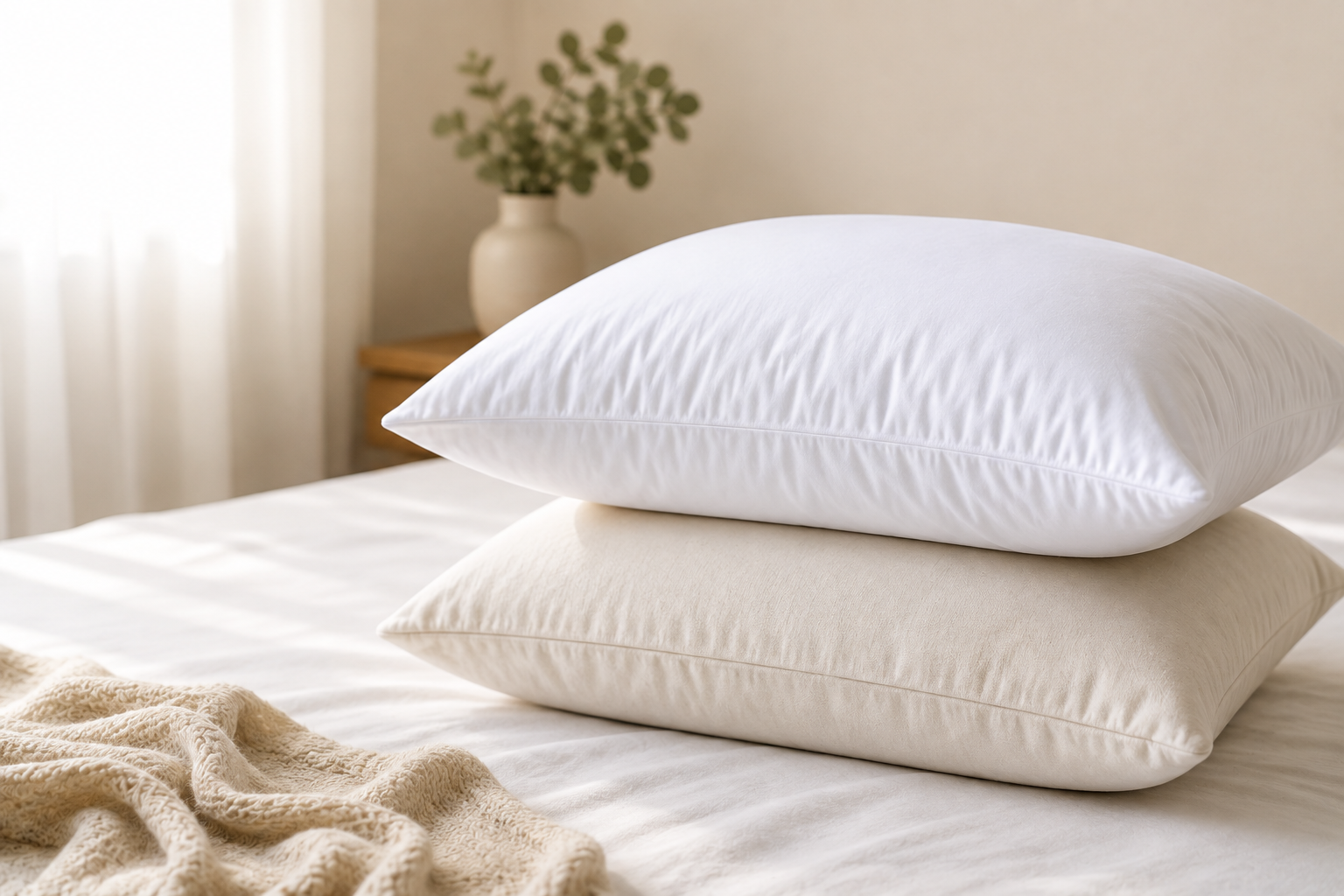
Pillow selection plays a larger role in side sleeper comfort than most people realise. A side sleeper needs a pillow thick enough to fill the gap between the ear and the mattress surface, keeping the neck aligned with the spine.
A pillow that is too flat drops the head toward the mattress; one that is too high pushes it upward.
Both positions create neck tension that compounds the effects of any mattress shortcomings. Choosing The Right Pillow for your Sleep Style explains how pillow height and fill type interact with different mattress surfaces.
How Do You Choose the Right Mattress for Your Body Type?
Body weight and build change how any mattress performs. The same firmness rating can feel completely different to a lightweight sleeper versus a heavier one because both compress the comfort layers to different depths.
Consumer testing across Australian mattress categories shows that body weight is the single strongest predictor of mattress satisfaction for side sleepers.
Here is how to match mattress selection to body type:
-
Lightweight sleepers under 65 kg need soft to medium-soft firmness because they don’t compress comfort layers deeply enough to activate the pressure relief in medium or firm designs.
-
Average-weight sleepers between 65 and 95 kg perform best on a medium-firm mattress, which balances cushioning at the shoulder and hip with enough support to prevent spinal sag.
-
Heavier sleepers over 95 kg need medium-firm hybrid construction with a strong support core, since greater body weight compresses standard comfort layers more aggressively. The Best mattress options for heavier people are detailed.
-
Side sleepers with broader shoulders benefit specifically from mattresses with deeper, more responsive comfort layers at shoulder height, since the shoulder projects further from the torso and needs more room to settle.
Trial periods matter more for side sleepers than for other sleep positions because the effects of spinal misalignment accumulate gradually. Verified buyer reviews across Australian mattress platforms consistently show that side sleepers take longer than back sleepers to assess fit, making return and exchange policies an important purchase consideration.
Knowing When to Replace your Mattress is helpful context if you suspect your current mattress has already passed its effective lifespan.
Conclusion
Side sleepers have specific needs that general mattress advice consistently underestimates. Spinal alignment, targeted pressure relief at the shoulder and hip, and the right firmness for your body weight are the three pillars of a good side-sleeper mattress.
Memory foam suits people who want close contouring and motion isolation. Hybrid mattresses balance support and temperature management, making them a strong match for Perth’s climate.
Latex works well for those who run warm or prefer a more buoyant surface feel. Pairing the right mattress with a correctly sized pillow completes the system.
Browse the Slumber Care Mattress Range or visit a Mattress store in Perth to test options and find the combination that works for your body and sleep position.