Cart
0

Bedworld's Verdict
You can put a mattress on the floor for a few nights or weeks without much risk. Over months, a floor mattress is more likely to develop moisture and mould underneath, collect more dust, and may not meet your warranty's requirement for a supportive base. If you want to keep a low bed long term, a low-profile frame or slatted base is the safer choice.
Why you can trust this guide
This guide was written by the Bedworld Sleep & Bedding Team, drawing on more than 20 years of helping Perth customers in our Osborne Park showroom, and reviewed by Anand, Sleep Expert with 25+ years of experience. Product details come from Bedworld's own product pages, and care advice follows manufacturer guidance.
Floor Beds: A Popular Choice With Hidden Risks
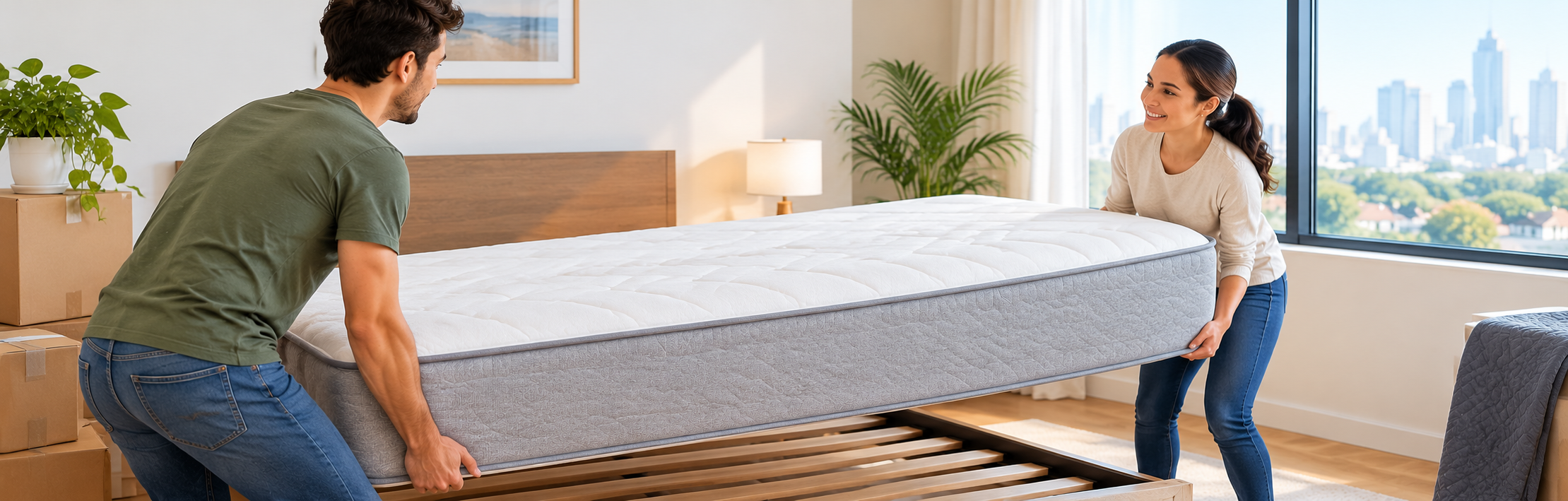
Putting a mattress straight on the floor is more common than most people admit. It happens when you move into a new place before the bed frame arrives, when you want a minimalist low-to-the-ground look, when a toddler is moving out of a cot, or simply when you are trying to save money. Some people even move the mattress to the floor on hot nights because it feels cooler.
So is it a problem? For a short time, usually not. As a long-term setup, it comes with risks many people do not notice until they lift the mattress months later. This guide explains the real pros and cons, which floors and mattress types handle it best, how it can affect your warranty, and the low-profile alternatives that give a similar look with fewer downsides.
In this guide: why people do it; the advantages; the main risks; floor types; mattress types; how to do it safely; toddlers and kids; back comfort; low-profile alternatives; FAQs.
Why People Put a Mattress on the Floor
-
Moving house: the mattress arrives before the frame, or the frame is not assembled yet.
-
Budget: a new mattress takes priority and the frame comes later.
-
Style: low, floor-level beds suit minimalist and casual bedroom designs.
-
Small rooms and low ceilings: a floor bed can make a small room feel larger.
-
Toddlers: a floor mattress removes the risk of rolling out of a high bed during the move from a cot.
-
Heat: warm air rises, so the floor can feel slightly cooler on hot nights.
The Advantages of a Floor Mattress
-
No cost for a frame, at least in the short term.
-
Firm, even support underneath, with no sagging slats or worn base.
-
No risk of falling out of bed, which helps young children and restless sleepers.
-
Quick to set up and easy to move around the room.
-
A slightly cooler sleeping position in hot weather in some homes.
These benefits are why a floor mattress works well as a temporary solution. The problems build when it becomes permanent.

The Main Risks of Keeping a Mattress on the Floor
Moisture and mould
This is the biggest risk. Everyone releases moisture overnight through breathing and sweating. On a Bed Frame or slatted base, much of that moisture passes through the mattress and escapes underneath. On the floor, it has nowhere to go. It collects where the mattress meets the cooler floor, and over weeks or months that damp, dark, still space is exactly where mould tends to grow.
The risk is higher on cold surfaces such as tiles and concrete slabs, in poorly ventilated bedrooms, and in Perth's cool, damp winter months when windows stay closed. Many people only discover the problem when they lift the mattress and find spots or a musty smell on the underside.
|
Bedworld tip: If your mattress has been on the floor for a while, lift one corner today and look at the underside. Grey or black speckles, damp patches or a musty smell are early warning signs. Stand the mattress up to dry in a well-ventilated room and get it off the floor as soon as you can. |
Dust and allergens
Dust settles at floor level, and a mattress on the floor sits right in it. Dust, pet hair and debris gather around and under it, and vacuuming underneath is awkward. For people with dust mite allergies or asthma, this can make the bedroom harder to keep clean. A quality protector helps, and our guide to Mattress protectors for Allergies and Dust Mites explains what to look for.
Your mattress warranty
Most mattress warranties require the mattress to be used on a suitable, supportive base. Bedworld's warranty information, for example, asks customers to use a suitable, supportive bed frame or base, and notes that timber slats should be spaced no more than 5 to 7 cm apart with a centre support rail. Requirements differ between manufacturers, so check your warranty card. Damage caused by moisture, such as staining or mould on the underside, is generally not treated as a manufacturing defect.
Getting in and out of bed
A floor bed is low, which means more bending, kneeling and effort to lie down and get up. That is rarely a problem for young, mobile adults, but it can be difficult for older people, anyone with back, hip or knee problems, and pregnant women. Bed height matters more as we get older, which our guide to the Best Mattress for Seniors touches on.
Temperature extremes
A floor can feel cooler in summer, but the same cold floor makes a bed less comfortable in winter. Tiles and concrete slabs draw heat away from the mattress on cold nights, and the edges can feel noticeably cooler.
Pests
Insects move across floors more easily than they climb into raised beds. In most clean homes this is minor, but it is one more reason a raised bed is easier to keep hygienic.
Does the Type of Floor Matter?
|
Floor type |
Risk level |
Why |
|
Tiles or concrete slab |
Highest |
Cold and non-absorbent; moisture condenses under the mattress |
|
Carpet over a slab |
High |
Traps moisture and dust; still cold underneath |
|
Timber floorboards |
Moderate |
Less cold than tiles but still blocks airflow |
|
Raised timber floor with airflow below |
Lower |
Warmer and drier, though airflow under the mattress is still limited |
Many Perth homes are built on concrete slabs, often with tiles or carpet on top, which puts a floor mattress in the higher-risk group.
Does the Type of Mattress Matter?
-
Memory foam and latex mattresses are dense and hold heat and moisture more readily, so they are more likely to develop damp underneath on the floor. Our comparison of memory foam and latex explains how each material behaves.
-
Pocket spring and Hybrid mattresses have more air space inside, but their base layer still needs ventilation, and they are designed to sit on a base or ensemble.
-
Thin futon-style mattresses are designed with floor use in mind, but even traditional futons are rolled up and aired regularly.
If You Need to Use a Floor Mattress: How to Do It Safely
-
Put something breathable underneath. A slatted base, roll-out slat mat or low platform lifts the mattress and lets air move beneath it. Even a few centimetres helps.
-
Avoid plastic and non-breathable layers underneath. They trap moisture against the mattress.
-
Air the mattress weekly. Stand it on its side against a wall for a few hours, especially on dry, breezy days.
-
Check the underside regularly. Lift a corner every couple of weeks, particularly in winter.
-
Keep it away from external walls. Leave a gap of a few centimetres so cold, damp air does not collect along the edge.
-
Use a breathable mattress protector. A Mattress protector keeps sweat and spills out without trapping moisture.
-
Vacuum around and under it often. Lifting the mattress to vacuum also gives it a chance to air.
-
Ventilate the room. Open a window daily, even briefly in winter, and avoid drying washing in the bedroom.
Floor Beds for Toddlers and Kids
Floor beds are a popular step for toddlers moving out of a cot, because they remove the risk of falling from height and let children get in and out of bed independently. For babies, always follow current safe sleeping guidance from Red Nose Australia rather than general bedding advice.
For toddlers and older children, the same moisture rules apply. Kids often sweat at night and accidents happen, so a waterproof but breathable protector and regular airing are important. When your child is ready, a low bed, trundle or bunk is a practical next step. Our article on Single, Bunk and Trundle Kids' Beds compares the options, and our Kids' Mattress Buying Guide covers choosing the mattress itself.
Is Sleeping on the Floor Good for Your Back?
Putting a mattress on the floor does not change how the mattress itself supports your body. The floor provides a firm, flat foundation, which some people like because there is no give from springs or slats beneath. The comfort and support you feel come mainly from the mattress layers.
If you moved a mattress to the floor because it feels too soft or saggy on its current base, the base may be the real issue. Our article on How your Bed Base Changes The Way a Mattress Feels explains why. If you have ongoing back pain, speak with a GP or physiotherapist rather than relying on a change of sleeping surface alone.
Low-Profile Alternatives That Keep the Look
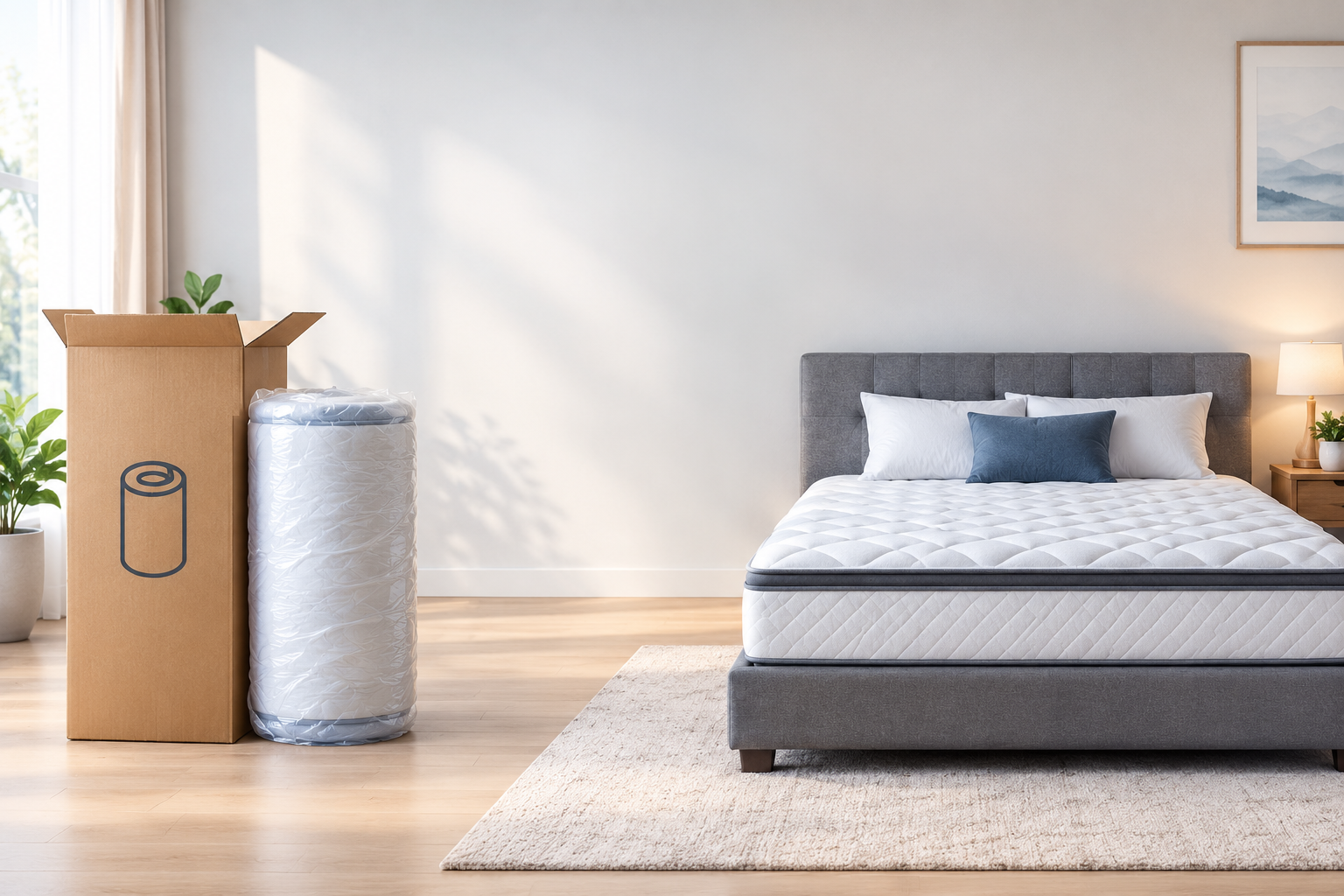
If you love the low, grounded look of a floor bed, you do not have to give it up. These options keep the bed close to the floor while letting the mattress breathe:
-
Ensemble bases: an Ensemble Base lifts the mattress and supports it evenly. The Simply The Best Ensemble Solid Wood Slat Bed Base uses timber slats that let air move underneath the mattress.
-
Solid timber frames: a sturdy frame such as the Arizona solid New Zealand pine bed raises the mattress off the floor and adds a warm, natural look that suits relaxed bedroom styles.
-
Trundle beds: for kids' rooms and guest rooms, a pull-out trundle bed keeps a second mattress off the floor and stores it away during the day.
-
Choosing a frame: our guide on How to Choose The perfect Bed Frame covers heights, materials and slat support.
If storage is a priority in a small room, a storage bed is another option, though it has its own airflow considerations. Our comparison of Storage Bed Frames and Standard Frames covers the trade-offs.
The Bottom Line
A mattress on the floor is fine as a short-term solution. Used long term, especially on tiles or a concrete slab, it raises the risk of moisture, mould, dust and warranty problems, and it can make getting in and out of bed harder. If you need to use one for a while, lift it on a breathable base, air it weekly and check underneath regularly.
When you are ready to raise it, a low-profile frame or ensemble base gives the same grounded look with better airflow and support. Visit the Bedworld showroom in Osborne Park to see low beds and bases in person, or ask our team which option suits your mattress and your room.
|
Medical disclaimer: This article is general information only and is not medical advice. It does not replace advice from a GP, physiotherapist or other qualified health professional. If you have back pain, mobility issues, allergies, asthma or concerns about mould exposure, seek professional advice. For infant sleep, follow current Red Nose Australia safe sleeping guidelines. |
|
About the author Bedworld Sleep & Bedding Team is the in-store team at Bedworld, a family-owned Perth bedding retailer that has operated from its Osborne Park showroom for more than 20 years. The team helps WA customers match mattresses with the right bases and frames every day, and writes these guides from the questions customers ask most often in store. Reviewed by: Anand, Sleep Expert with 25+ years of experience, Bedworld Osborne Park. Questions about this guide? Call the showroom on (08) 9242 4333 or email sales@bedworldonline.com.au. |