Cart
0
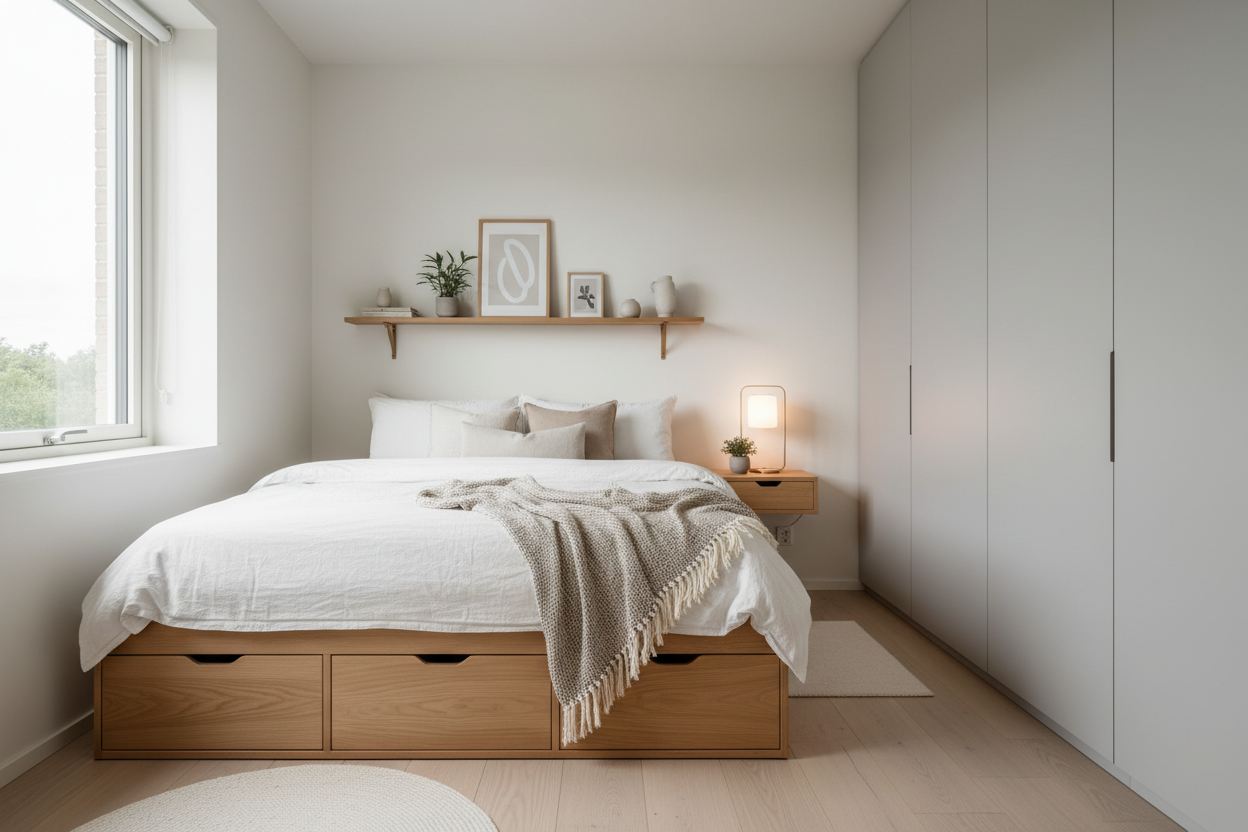
Knowing how to choose bedroom furniture for small rooms in Perth starts with getting the scale right, adding smart storage, and placing pieces where they actually improve how you move around. The right compact furniture lets a small bedroom feel comfortable, organised, and open without giving up style.
Key Takeaways
-
Furniture scale is one of the biggest factors in a small bedroom, and choosing pieces with a smaller footprint keeps the room feeling open rather than crowded.
-
Multi-functional furniture, like storage beds and lift-up ottoman bases, reduces the number of pieces you need without sacrificing storage space.
-
Vertical storage options such as tallboys and wall-mounted shelving use the room’s height rather than its floor space, which is often more effective in compact rooms.
-
Furniture placement matters as much as furniture selection, and keeping walkways clear and positioning the bed as the focal point creates better flow throughout the space.
What Bedroom Furniture Works Best in Small Perth Bedrooms?
The furniture scale is one of the most important decisions you make when setting up a smaller bedroom. An oversized bed frame or a wide double wardrobe can quickly eat up floor space, making the room feel far more crowded than it actually is. The goal is to choose pieces that fit the room proportionally, giving you what you need without overwhelming the space.
Perth homes, particularly apartments and older single-storey builds in suburbs like Fremantle, Northbridge, and Victoria Park, often feature bedrooms with a tighter footprint. Compact furniture options tend to work better in these spaces than standard-sized pieces, particularly when they double as storage. Here are the furniture types that consistently perform well in small Perth bedrooms:
-
Platform beds with built-in storage sit lower to the ground, making the ceiling feel higher, and the built-in drawers eliminate the need for extra storage furniture entirely.
-
Compact bedside tables with one or two drawers keep your essentials within reach without taking up too much floor or surface space. Browse compact bedside tables if you want options that keep things minimal.
-
Slimline wardrobes are shallower in depth than standard units, freeing up usable floor space while still offering practical hanging and shelf storage.
-
Tallboy drawers work with the room’s vertical space rather than its floor area. A narrow tallboy can hold as much as a wide chest of drawers while taking up far less floor space.
-
Wall-mounted shelving keeps items off the floor entirely and draws the eye upward, making the room feel visually larger.
-
Storage ottomans sit at the foot of the bed and provide extra seating plus concealed storage, doing two jobs in one compact footprint.
-
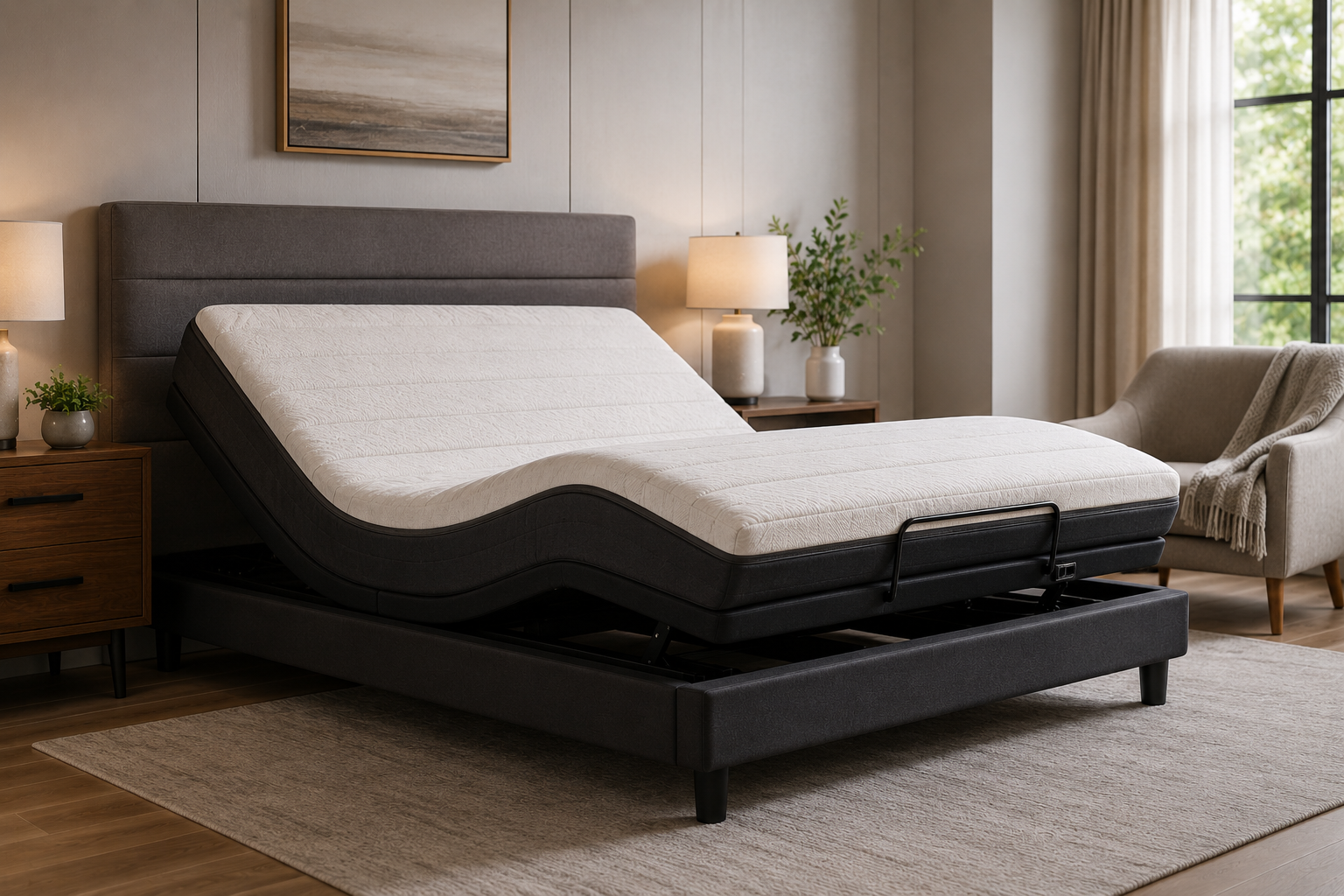
Adjustable beds with storage features offer sleeping comfort alongside practical under-bed space, a smart combination for smaller rooms.
Vertical storage is often more effective than wider furniture in compact spaces. A tall, narrow unit holds more than a wide, low one while consuming less of the precious floor area you actually walk through. Australian interior designers consistently point to this principle as one of the most underused tools in small bedroom planning. Furniture proportions also affect how the room looks. Lower pieces visually open up the ceiling line, while too many tall or bulky pieces at eye level can create a boxed-in feeling.
How Can Multi-Functional Furniture Maximise Space in Small Rooms?
Multi-functional furniture is one of the most practical approaches to a small bedroom because it reduces the number of individual pieces you need. Rather than fitting a bed, a wardrobe, a chest of drawers, and separate storage, you combine several of those functions into fewer items. That directly improves floor space and makes the room easier to move around in.
The demand for flexible Bedroom Furniture has grown steadily across Perth and other Australian cities, particularly as apartment living becomes more common. Small bedroom ideas trending in Australia consistently feature pieces that adapt to daily routines and changing storage needs. These are the multi-functional options worth considering:
-
Storage beds with drawers built into the base use the space directly beneath the mattress, which is often wasted in standard bed frames. This guide on storage beds versus standard bed frames covers what to weigh up before you buy.
-
Lift-up ottoman beds offer a large, accessible storage cavity underneath, making them ideal for bedding, seasonal clothing, or bulky items that take up too much wardrobe space. You can explore Gas lift Storage Bed Options to compare what’s available locally.
-
Bedside tables with additional storage, such as shelves, USB charging ports, or concealed compartments, remove the need for separate charging stations or small organisers on the floor.
-
Foldable desks attach to the wall and fold down when needed, making them ideal for study or work use without dedicating permanent floor space to a desk.
-
Convertible guest beds, such as trundles or sofa beds, accommodate occasional visitors without requiring a separate guest room.
-
Adjustable beds with integrated storage combine a quality sleeping surface with functional under-bed storage. Browse Adjustable beds in Perth for options that suit compact rooms.
When multiple functions live in one piece of furniture, clutter naturally reduces. Fewer items in the room means fewer surfaces to manage and more breathing room around the pieces you do have. This approach also adapts well to changing life circumstances, whether that’s a shift from a home office to a straightforward sleeping space or accommodating a growing child’s storage needs. Our guide on smart multifunctional furniture to maximise small spaces covers this topic in more depth.
What Storage Solutions Should You Look for in Small Bedroom Furniture?
Storage becomes increasingly important when floor space is limited. Without enough of it, a small bedroom fills up with items that have nowhere to go, which makes the room feel smaller and harder to keep tidy. The difference between a compact bedroom that works well and one that feels claustrophobic often comes down to how well the storage is integrated into the furniture itself.
Research into small space living in Australia consistently shows that built-in and integrated storage outperforms standalone storage furniture in compact rooms. Standalone pieces like extra bookshelves or freestanding drawers count toward the furniture count, while built-in options add function without increasing the footprint.
Under-Bed Storage
The space beneath the bed is one of the most underused areas in a small bedroom. Beds with built-in drawers or a gas-lift base convert this dead space into usable storage. This is particularly relevant in Perth apartments where linen cupboards are often small or absent. A detailed comparison of storage bed options is worth reading before you commit to a frame.
Vertical Shelving and Built-In Wardrobes
Wall-mounted shelving units use the room’s height rather than its floor area. In bedrooms where a built-in wardrobe is not an option, a tall shelving unit with doors or baskets keeps things contained without spreading across the floor. Built-in wardrobes, where possible, are the most space-efficient option because they sit flush with the wall, eliminating the gap between the furniture and the wall that freestanding wardrobes create.
Hidden Compartments and Modular Systems
Storage benches at the foot of the bed, ottomans with lids, and bedside tables with concealed drawers all hide items from view while keeping them accessible. Modular systems offer flexibility because individual units can be rearranged as your storage needs shift. Clutter directly affects how large a room feels. Visual noise, items on surfaces, and things stacked in corners all make a small room feel even tighter.
Australian interior design guides note that reducing visible clutter is one of the fastest ways to make a compact space feel more comfortable. Integrated storage eliminates the need to find a separate home for every item, keeping surfaces cleaner and the room easier to manage.
How Do You Arrange Bedroom Furniture in a Small Room for Better Flow?
Furniture placement can have as much impact as furniture selection when you are working with limited space. A well-chosen set of compact pieces arranged poorly will still feel cramped and awkward. The layout determines how easy it is to move through the room and how open it feels day to day.
Small bedroom layout guides from Australian sources identify furniture placement as one of the most common areas where people underestimate its impact. These layout principles consistently improve how a compact bedroom functions:
-
Keep walkways clear. A 60 to 90 centimetre clearance on at least one side of the bed is the minimum needed to move comfortably. Furniture that encroaches on this space makes the room harder to use on a daily basis.
-
Position the bed as the focal point. Placing the bed against the longest solid wall usually opens up the rest of the room and gives you the most flexibility with other pieces.
-
Use corners effectively. Corner shelving units or L-shaped desk arrangements make use of space that often goes unused while keeping the floor area in the centre of the room clear.
-
Avoid blocking natural light. Tall furniture placed in front of windows reduces natural light, making the room feel smaller and darker. Keep the area around windows as open as possible.
-
Place taller furniture against the walls. Wardrobes, shelving, and tallboys work best when they sit flush against the wall rather than projecting into the room.
-
Leave visual breathing space around major pieces. A small gap between furniture and adjacent walls can prevent a room from feeling packed in, even if the furniture itself is compact.
Natural light strongly influences how large a room feels. A bedroom that receives good morning or afternoon light will feel more open than an identically sized room that does not. This makes furniture placement near windows a worthwhile consideration, not just an aesthetic one. Minimalist layouts, with fewer pieces and more open floor area, consistently perform better in compact spaces than fully furnished arrangements. For more guidance on setting up a small bedroom efficiently, this overview of the Best bedroom furniture setup for a small apartment or studio is a useful reference.
What Mistakes Should You Avoid When Furnishing a Small Bedroom in Perth?
Many homeowners unintentionally make small rooms feel more cramped by choosing the wrong furniture or setting it up without a clear plan. Most of these mistakes are easy to avoid once you know what to watch for. The good news is that fewer, well-chosen pieces almost always outperform a room full of options.
Australian furniture retailers and interior consultants point to a consistent pattern: people buy furniture they love in a showroom, only to discover it is too large once it is in the room. Measuring your space before purchasing and comparing those measurements against the furniture dimensions is a step that prevents most sizing errors. These are the most common mistakes to avoid:
-
Buying oversized furniture is the most frequent issue. A queen bed that fits technically may still leave no room to open drawers or move freely around the room.
-
Using too many furniture pieces crowds the space. Each additional item reduces the available floor area and adds visual complexity.
-
Ignoring vertical storage opportunities leaves the most accessible extra storage in the room unused. Going up rather than out is almost always the better option in a small space.
-
Blocking windows with tall wardrobes or shelving units reduces the natural light that makes a room feel open and airy.
-
Choosing bulky wardrobes over slimline or built-in options uses up more floor space than necessary for the storage they provide.
-
Creating clutter on bedside tables, dressers, and shelving adds visual noise, making the room feel busier and more confined.
Furniture colour and finish also affect how a room reads. Lighter finishes in white, light oak, or soft grey reflect more light and make a small room feel less heavy than darker tones. This does not mean you cannot use dark furniture, but pairing it with light walls and bedding helps balance the visual weight. You can see how this applies in practice by looking at how Perth-style bedroom furniture sets tend to use tonal consistency to keep compact spaces feeling cohesive. For children’s rooms in particular, avoiding common sizing mistakes is worth the extra planning time. The guide on kids' storage beds for small rooms covers this in more detail.
Careful selection and layout planning before you buy give a small bedroom the best possible outcome. A few quality, appropriately scaled pieces with good storage built in will always outperform a room full of furniture that does not quite fit. Explore mattress store in Perth to compare compact options, browse Adjustable beds with integrated storage features, or check out the full range of bedding and linen to complete the room. For expert in-store advice on what will work in your specific space, visit our Mattress Store in Perth .