Cart
0
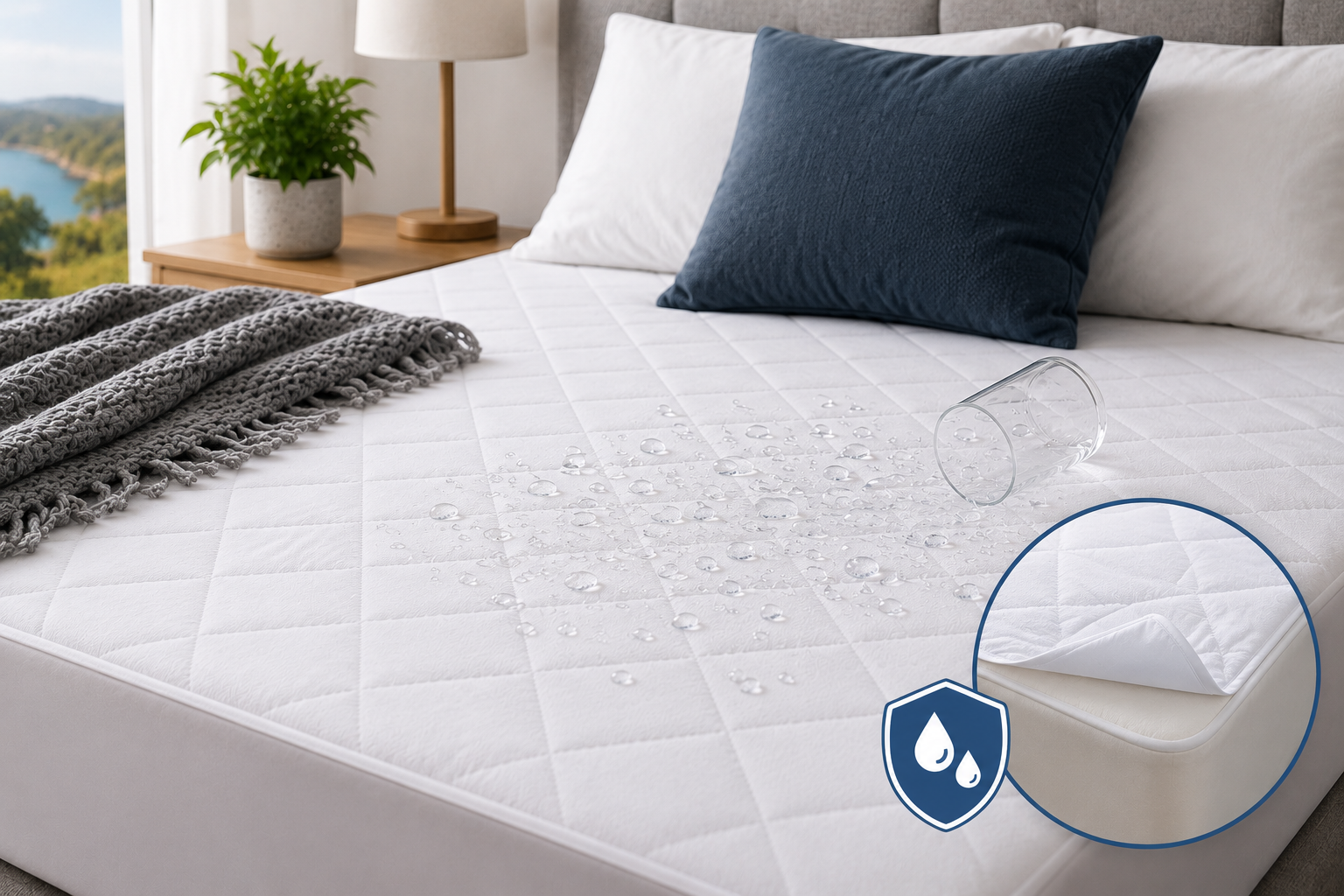
A good mattress is an investment. The best waterproof mattress protector in Australia is the one that keeps that investment intact. Without one, spills, sweat, and allergens work their way into the mattress layers, and once they are in, they are almost impossible to remove.
This guide covers what separates a quality waterproof mattress protector from a basic one, which materials perform best in Australian conditions, and what to check before you buy.
Key Takeaways
- The best waterproof mattress protector in Australia combines a breathable top surface with a reliable waterproof barrier that does not trap heat during sleep.
- Cotton-top waterproof protectors offer the best balance of comfort and protection for most Australian sleepers, particularly in warmer climates like Perth and Queensland.
- A mattress protector extends the life of your mattress by guarding against moisture, allergens, dust mites, and staining, which can void most mattress warranties if unaddressed.
- Fit and depth compatibility matter as much as material, so checking your mattress height before purchasing avoids the common problem of a protector that lifts at the corners overnight.
Why Does a Waterproof Mattress Protector Matter in Australia?
Australian conditions make mattress protection more important than in many other countries. High humidity in coastal cities, warm summers across Perth and the eastern states, and the prevalence of dust mite allergies all put pressure on an unprotected mattress.
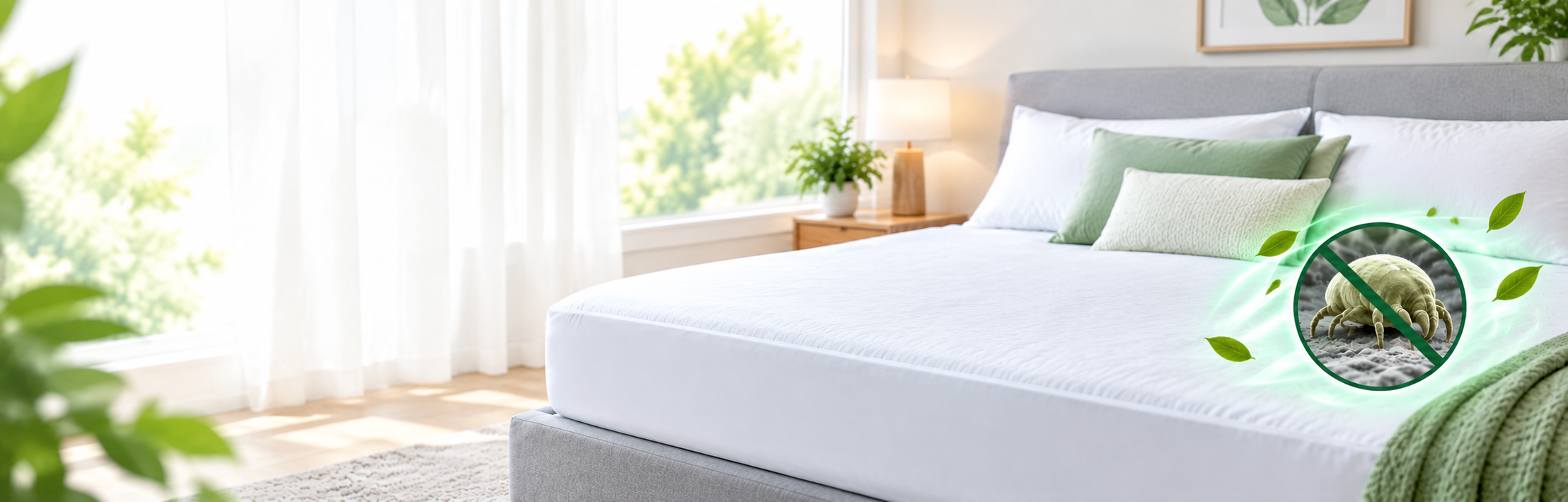
Dust mites thrive in warm, humid environments and are among the most common triggers of allergic rhinitis and asthma in Australia. A waterproof protector creates a physical barrier that prevents moisture from building up inside the mattress, which is exactly the environment dust mites prefer.
Beyond allergens, most mattress warranties require that the mattress be kept in a hygienic condition A mattress without a protector is far more likely to show staining or moisture damage, which many manufacturers use to decline warranty claims. Our full Mattress Warranty Information explains what BedWorld covers and what conditions apply.
What Are the Different Types of Waterproof Mattress Protectors?
Not all waterproof protectors work the same way. The backing technology, the top surface material, and the fit style each affect how the protector performs night to night. Here is a breakdown of the main types available in Australia.
Cotton-Top Waterproof Protectors
Cotton-top waterproof protectors use a natural cotton surface over a waterproof backing layer, usually polyurethane. The cotton layer feels soft and breathable against the sheet. The backing blocks liquid from reaching the mattress without creating a plastic-like feel on the surface.
This is the most popular type for Australian conditions. Cotton breathes well in warm weather and does not crinkle or trap heat the way older vinyl-backed protectors did. The Accessorize Cotton Top Waterproof Mattress Protector is a good example of this construction, available in single through to king sizes, including the king single and king.
Quilted Cotton Protectors
Quilted protectors add a layer of padding between the cotton surface and the base. They offer mild cushioning on top of the mattress and are a good option for sleepers who want a soft feel without investing in a full mattress topper.
The Accessorize Cotton Quilted Mattress Protector is a quilted option that adds comfort while still protecting the mattress surface. Keep in mind that quilted protectors without a waterproof layer are not suitable for households with young children or for anyone who sweats heavily during sleep.
Fitted vs Encasement Protectors
Fitted protectors sit over the top of the mattress like a fitted sheet, with elasticated skirts that grip the sides. They are easy to remove and wash. Encasement protectors zip around the entire mattress, covering all six sides. These offer the highest level of allergen protection but take more effort to fit and remove.
For most households, a quality fitted cotton-top waterproof protector is sufficient. Encasement protectors are worth considering for people with severe dust mite allergies.
What Features Should You Look for When Buying?
There are several features that separate a protector that lasts from one that degrades after a few washes. These are the ones worth checking before you buy.
Waterproof Backing Technology
The backing layer determines how well the protector blocks liquid. Polyurethane (PU) membrane backing is the current standard. It is thinner, more flexible, and more breathable than older TPU or vinyl options. A PU-backed protector does not make noise when you move and does not reflect body heat the way solid plastic barriers do.
Avoid any protector that describes its waterproofing only as "water resistant." Resistant means it slows absorption. Waterproof means it blocks it. For a mattress, you need the latter.
Breathability
Poor sleep quality is linked to elevated body temperature during the night. A waterproof protector that traps heat will make this worse. Cotton-top construction and PU membrane backing together produce the most breathable waterproof barrier currently available in the mid-price range.
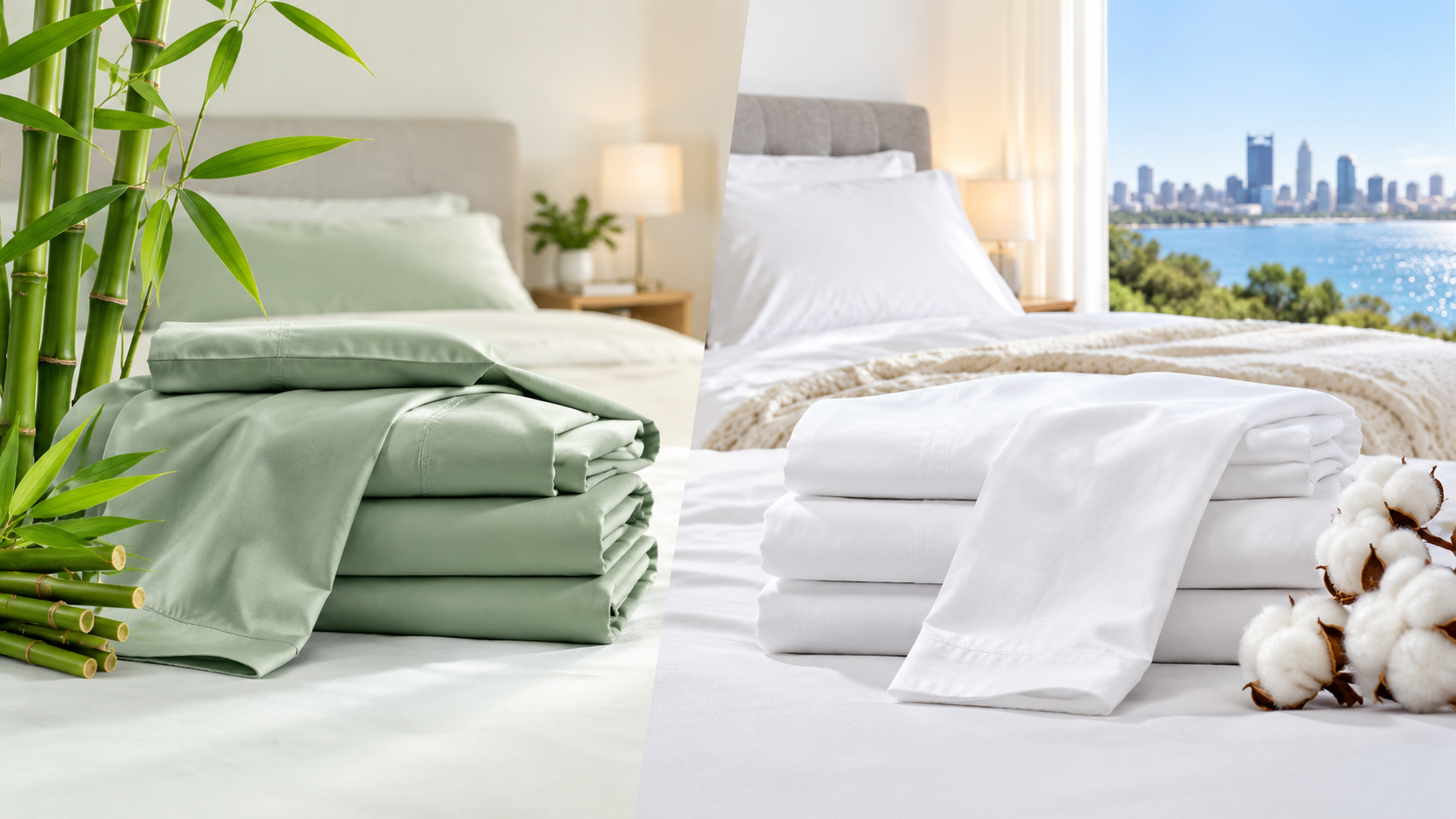
Bamboo-blend top surfaces are another option. Bamboo is naturally moisture-wicking and slightly cooler to the touch than standard cotton, which makes it a good choice for hot sleepers or those in humid climates.
Fit and Depth
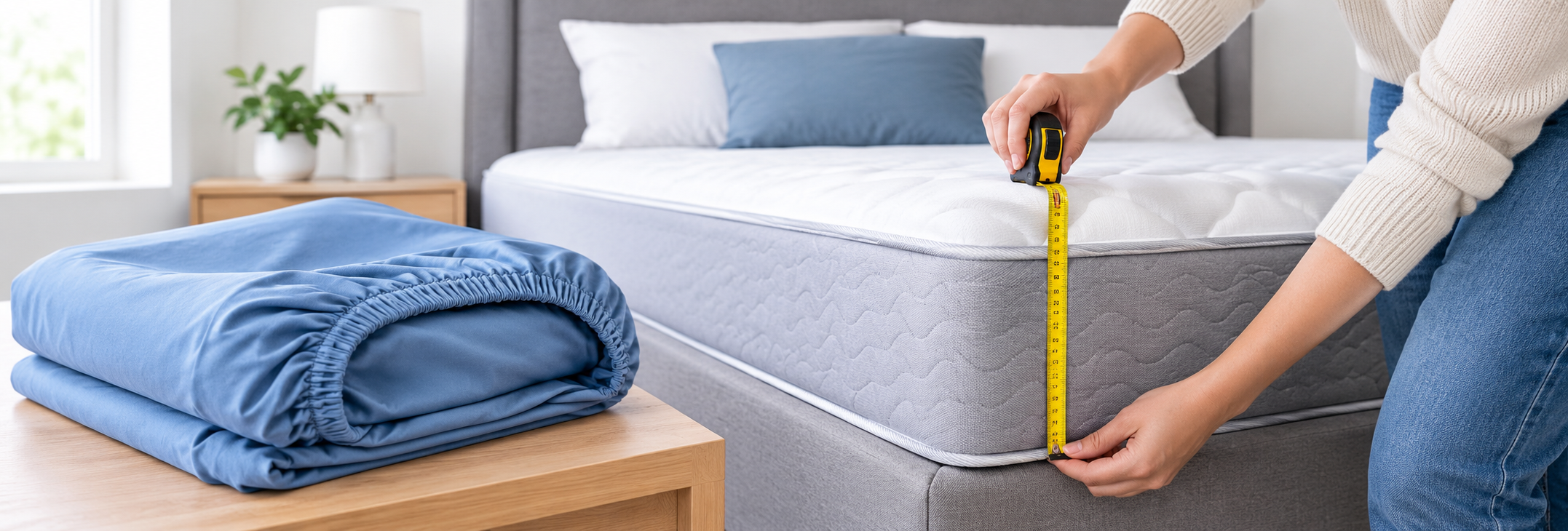
Most mattresses in Australia range from 20cm to 35cm in depth. A protector with a shallow skirt will lift at the corners overnight, which defeats the purpose. Check the skirt depth before purchasing and match it to your mattress height.
Choosing the right mattress and pairing it with a correctly fitted protector from the start is far easier than trying to replace a protector that does not sit properly.
Washability
A waterproof mattress protector is only effective if it is washed regularly. Regular mattress and protector cleaning removes allergen buildup and keeps the sleep surface hygienic. Look for a protector that is machine washable at 60 degrees, which is the temperature required to kill dust mites according to health authorities.
Some protectors delaminate after repeated washing at high temperatures. Check the care label before buying, particularly if you plan to wash frequently.
How Often Should You Replace a Waterproof Mattress Protector?
A quality cotton-top waterproof protector, washed and cared for correctly, should last two to three years before the waterproof backing begins to break down. Signs that a protector needs replacing include visible delamination of the backing layer, a persistent odor after washing, or visible staining that does not lift with normal washing.
Allergen levels in bedding increase over time even with regular washing. Replacing a protector every two to three years keeps allergen accumulation in check, particularly for households with asthma or allergy sufferers.
The Bedworld Mattress protector Range covers all standard Australian sizes. Replacing a protector at the same time you rotate your mattress every three to six months is a practical way to keep on top of both.
What Is the Difference Between a Mattress Protector and a Mattress Topper?
This is a common source of confusion. A mattress protector is a hygiene product. Its job is to create a barrier between the sleeper and the mattress surface to prevent moisture, allergens, and staining from penetrating the mattress.
A mattress topper adds a layer of comfort on top of the mattress and changes how it feels. It does not protect the mattress from liquid damage. The Bedworld Mattress Topper Range includes options from 900gsm through to 1600gsm sherpa constructions for winter warmth.
The two products serve different purposes. For full mattress care, the correct approach is to use a waterproof protector under the sheet and on top of the mattress, whether or not a topper is also in use.
Who Needs a Waterproof Mattress Protector?
The short answer is everyone, but certain households benefit most. Here are the groups where a waterproof protector makes the biggest practical difference:
- Families with young children. Bed-wetting is common in children under six. A waterproof protector prevents urine from reaching the mattress and allows for quick overnight changes without significantly disrupting sleep.
- Hot sleepers. Sweat that soaks into a mattress without a barrier causes odor, staining, and moisture buildup that promote dust mite and mould growth over time.
- Allergy and asthma sufferers. Dust mite allergens are a leading trigger for asthma in Australia. A waterproof protector combined with regular hot washing significantly reduces allergen load in the sleep environment.
- Pet owners. Pets that sleep on or near the bed introduce dander, moisture, and odor. A waterproof protector is much easier to wash than a mattress.
- Anyone with a quality mattress. A mattress worth protecting is worth protecting properly. A protector costs a fraction of the price of a new mattress and significantly extends its usable life.
How Do You Keep Your Mattress in Good Condition Long-Term?
A waterproof protector is one part of a broader approach to Keeping your Mattress Clean and Hygienic. The full routine looks like this:
- Wash the mattress protector every two to four weeks in a hot wash cycle
- Rotate the mattress every three to six months to distribute wear evenly
- Air the mattress for a few hours when changing bedding to reduce moisture buildup
- Vacuum the mattress surface periodically to remove surface dust and allergens
- Replace the protector every two to three years or when the waterproof layer shows signs of breakdown
Following this routine helps the Full Bedworld Mattress Range perform well throughout the warranty period and beyond.