Cart
0
Bedworld's Verdict
Measure your mattress at a corner with any topper and protector on, then add about 5 cm. Buy a fitted sheet with at least that wall depth. For most modern mattresses that means a deep fitted sheet of around 40 cm, while pillow tops, Double Sided Mattresses and beds with a topper usually need extra deep sheets of 45 to 50 cm. Always check the centimetre figure on the packet and choose all-round elastic for tall mattresses.
Why you can trust this guide
This guide was written by the Bedworld Sleep & Bedding Team, drawing on more than 20 years of helping Perth customers in our Osborne Park showroom, and reviewed by Anand, Sleep Expert with 25+ years of experience. Product details come from Bedworld's own product pages, and care advice follows manufacturer guidance.
Why Fitted Sheets Stop Fitting Modern Mattresses
Few things are more annoying at bedtime than a fitted sheet that pings off one corner the moment you roll over. If it keeps happening, the problem is rarely how you made the bed. It is almost always a mismatch between how deep your mattress is and how deep the sheet's pocket was cut.
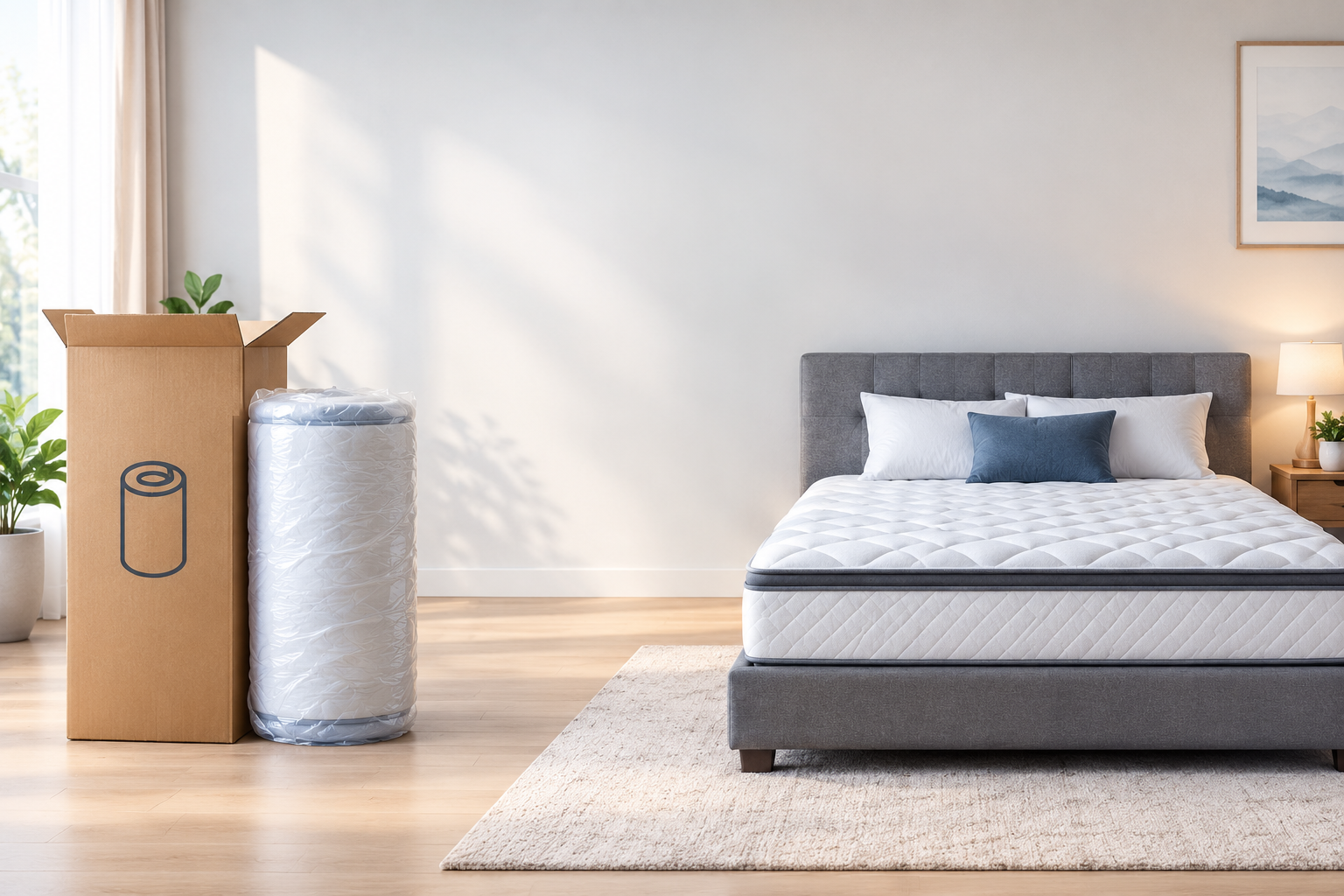
Mattresses have become taller over the past decade. Pillow tops, Hybrid designs with several comfort layers, double-sided mattresses and toppers all add height, while many Sheet Sets are still cut for thinner beds. It is one of the most common follow-up questions we get after Delivering a New Mattress in Perth: "Why don't my old sheets fit any more?" This guide explains how to measure your mattress properly, what the sheet labels usually mean, how toppers and protectors change the size you need, and how to keep a fitted sheet in place.
In this guide: what a deep fitted sheet is; why sheets pop off; how to measure; standard vs deep vs extra deep; Australian bed sizes; modern mattress heights; toppers and protectors; fabric; elastic; sheets that are too big; adjustable beds; quick fixes; buying checklist; FAQs.
What Is a Deep Fitted Sheet?
A deep fitted sheet is a fitted sheet with a taller wall, also called a pocket depth or skirt, so it can wrap around a thicker mattress and still tuck underneath. The length and width match a standard bed size such as queen or king. The difference is the height of the sides.
Sheet packaging in Australia usually states the wall depth in centimetres. That single number matters more than any label such as "deep" or "luxury", because manufacturers do not all use the same terms.
Why Your Fitted Sheet Keeps Popping Off
When a fitted sheet is too shallow, the elastic edge can only just reach under the corners of the mattress. As you move, the fabric is pulled toward the centre of the bed and the corners slip free. Common causes include:
-
a new mattress that is taller than your old one, while you are still using your old sheets
-
a pillow top or Euro top that adds several centimetres
-
a mattress topper placed on top of the mattress
-
a quilted or padded mattress protector that adds its own thickness
-
cotton sheets that have shrunk slightly after hot washes and tumble drying
-
elastic that has lost its grip after years of washing
Often it is a combination. A 30 cm mattress with a 5 cm topper and a padded protector needs a far deeper sheet than the mattress alone suggests.
How to Measure Your Mattress Depth
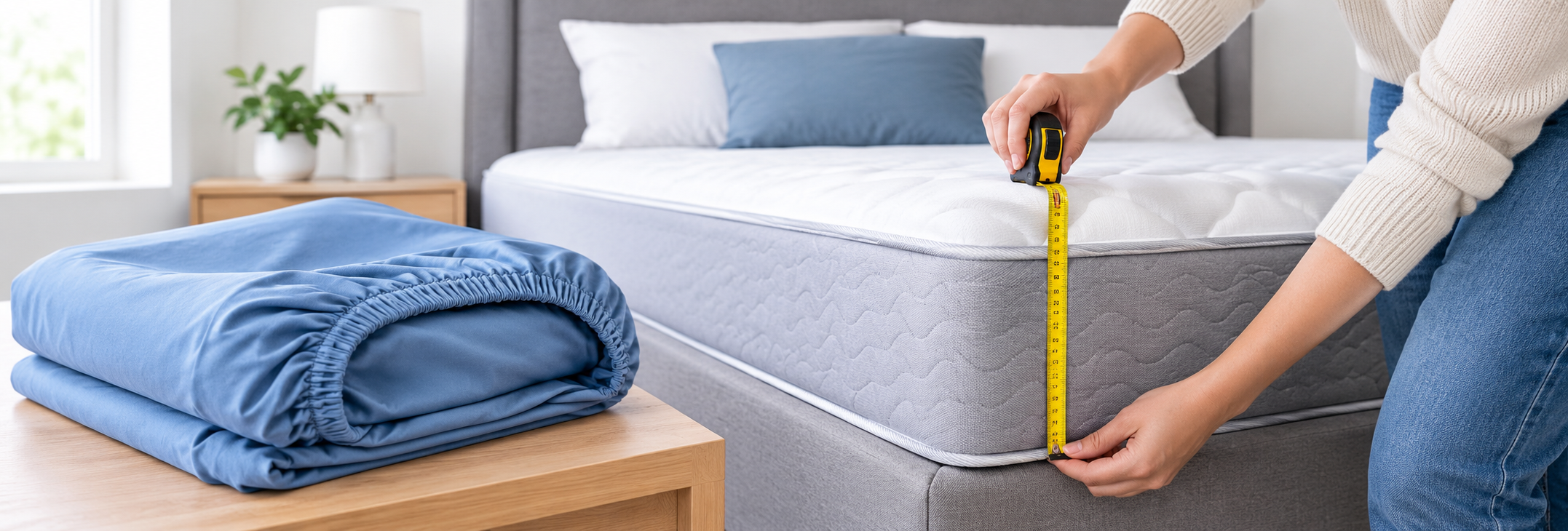
Measuring takes two minutes and saves buying the wrong sheets. You need a tape measure and the bed set up exactly as you sleep on it.
-
Leave on everything that stays under the fitted sheet. If you use a topper and protector, keep them on while you measure. The sheet has to cover all of it.
-
Measure at a corner, not the middle. Place the tape at the bottom edge of the mattress and measure straight up to the highest point of the top surface. The middle can be slightly compressed from use, so a corner gives a truer figure.
-
Measure two or three corners. Older mattresses, pillow tops and toppers are not always even. Use the largest figure.
-
Add a tuck allowance. Add about 5 cm so the elastic edge can sit underneath the mattress rather than on the edge. This is your minimum wall depth.
-
Check the length and width too. Confirm your bed size, especially with king single, king and super king, which are easy to mix up.
For example, a 32 cm mattress with a 5 cm topper comes to 37 cm. Add 5 cm for the tuck and you need a fitted sheet with a wall depth of at least 42 cm.
|
Bedworld tip: Measure before you shop, not after. When you Buy a new mattress, ask for its height in store or check the product page. It is much easier to buy the right sheets once than to discover on the first night that none of your existing sheets fit. |
Standard, Deep and Extra Deep: What the Labels Usually Mean
There is no single industry definition, so always check the centimetre figure on the packet. As a general guide, sheets sold in Australia tend to fall into these bands:
|
Label |
Typical wall depth |
Usually suits |
|
Standard |
Around 30 to 35 cm |
Thinner mattresses and older innerspring beds without toppers |
|
Deep |
Around 40 cm |
Most modern pocket spring, hybrid and memory foam mattresses |
|
Extra deep |
Around 45 to 50 cm |
Pillow tops, double-sided mattresses, and beds with a topper |
If your measurement plus the tuck allowance falls between two bands, choose the deeper sheet. A slightly loose sheet can be tucked and smoothed. A sheet that is too shallow will keep slipping off no matter what you do.
Australian Bed Sizes for Fitted Sheets
Fitted sheets are sized to the mattress, so the length and width need to match your bed as well as the depth. Australian mattress sizes differ from US and UK sizes, which matters if you buy sheets from overseas websites.
|
Bed size |
Standard mattress size (width x length) |
|
92 x 188 cm |
|
|
King Single |
107 x 203 cm |
|
Double |
138 x 188 cm |
|
153 x 203 cm |
|
|
183 x 203 cm |
|
|
Super King |
203 x 203 cm |
Some mattresses vary by a centimetre or two, so check the label sewn into yours. Our Guide to mattress dimensions in Australia explains each size, the Australian double bed dimensions guide covers the double in detail, and our comparison of King and super king bed dimensions helps with the two largest sizes.
How Deep Are Modern Mattresses?
Mattress height varies widely by construction. Slim foam mattresses for Bunk Beds and trundles can be quite low, while many standard pocket spring and hybrid mattresses sit in the mid-twenties to low thirties in centimetres. Pillow tops, Euro tops and double-sided mattresses often go higher again.
Double-sided mattresses are a good example. Because they have comfort layers on both faces so they can be flipped, they are usually taller than a single-sided equivalent. The Slumbercare Ultra Support Firm double-sided mattress in our range is listed at 30 cm, so once a protector goes on, a deep fitted sheet of around 40 cm is the sensible starting point.

How Toppers and Protectors Change the Size You Need
A mattress topper can add anywhere from a few centimetres to well over 5 cm, depending on its type. Memory foam and latex toppers are usually the thickest. The fitted sheet has to stretch over the topper and the mattress together, and the topper gives the sheet less mattress edge to grip.
Mattress protectors add less height, but quilted or padded protectors still add some thickness. The protector also needs its own skirt to fit the mattress depth. A protector with a deep, fully elasticated skirt, such as the Protect-A-Bed Signature Mattress Protector, sits flatter and gives the fitted sheet a smoother surface. You can compare options in our Mattress protector Range.
If you are adding a topper to change how your bed feels, plan new sheets at the same time. Our article on Whether a Topper Can Help Without Replacing your Bed covers when a topper is worth it.
Fabric Makes a Difference Too
Two sheets with the same wall depth can fit quite differently because of how the fabric behaves.
-
Cotton percale and sateen have little natural stretch. They need an accurate wall depth and can shrink a little in hot washes and the dryer, so allow a few extra centimetres. A dense set such as our 1000TC Egyptian cotton sheet set keeps its fit best when washed warm rather than hot.
-
Bamboo viscose drapes more than cotton and moves with the mattress, but it does not stretch much either.
-
Jersey knit stretches, so it can cover a slightly deeper mattress than its label suggests. It is common in fitted sheets for Adjustable beds.
-
Flannelette is thicker and warmer for winter, and it can be a little tighter on deep mattresses.
All-Round Elastic vs Corner Elastic
How the elastic is sewn matters as much as the depth.
-
All-round elastic runs the full perimeter of the sheet. It pulls the fabric under the mattress on every side and holds it far more securely, especially on tall or soft-edged mattresses.
-
Corner-only elastic gathers the fabric at each corner. It works on thinner mattresses, but the long sides can lift and the corners pop off more easily on deep beds.
For any mattress over about 30 cm, look for all-round elastic. Check the elastic each time you change the sheet. If it has gone thin, wavy or loose, the sheet will not grip however deep it is.
What If Your Fitted Sheet Is Too Big?
Buying deeper sheets can overshoot, especially with thinner mattresses. A sheet that is too deep leaves excess fabric that bunches underneath or creates wrinkles across the top.
-
Fit the corners first, then pull the excess fabric along the long sides and tuck it firmly under the mattress.
-
Smooth the surface from the centre outwards so wrinkles move to the edges.
-
Use sheet straps (also called sheet suspenders or grippers) that clip under the mattress to take up slack.
A slightly loose sheet is easier to manage than a tight one, which is why the deeper option usually wins when you are unsure.
Fitted Sheets on Adjustable Beds
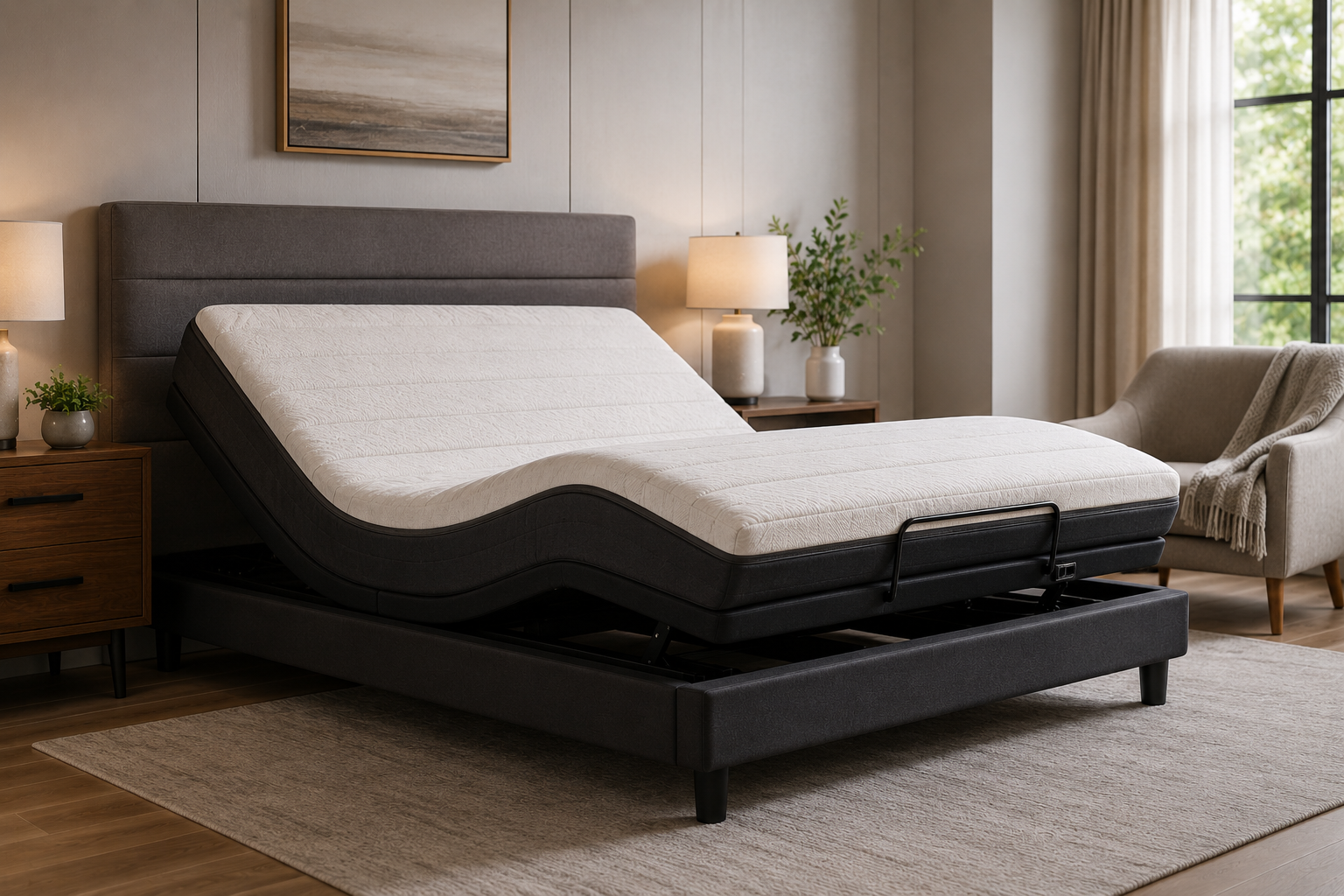
Adjustable beds put extra strain on fitted sheets. Every time the head or foot section rises, the mattress bends and pulls on the sheet. A shallow or corner-only fitted sheet will often lift off at the moving end.
-
Choose a sheet with all-round elastic and a generous wall depth.
-
Stretch fabrics such as jersey handle the movement well.
-
Sheet straps across the corners help keep the sheet in place when the base is raised.
-
If you have a split base with two separate mattresses, each mattress needs its own fitted sheet sized to that mattress.
Our guide to choosing a Mattress for an Adjustable bed explains which mattresses bend best with a moving base.
Keeping Your Fitted Sheet in Place: Quick Fixes
-
Fit the two corners at the head first, then the foot. The head end takes the most movement as you sit up and shift your pillows.
-
Lift the mattress corner as you fit each pocket so the elastic sits fully underneath rather than on the edge.
-
Rotate the sheet each time you put it on. Elastic stretches more at the corners that take the most strain.
-
Use sheet straps on very deep or soft-edged mattresses.
-
Avoid hot washes and high-heat drying on cotton sheets, which shrink the fabric and tire the elastic.
A Simple Buying Checklist
-
Measure your mattress at the corners with the topper and protector on.
-
Add about 5 cm and use that as your minimum wall depth.
-
Confirm your bed size in centimetres, not just the name.
-
Check the wall depth figure on the packet rather than relying on words like "deep".
-
Choose all-round elastic for mattresses over 30 cm or for adjustable beds.
-
Allow a little extra depth for cotton, which can shrink.
If you are buying a new mattress and new sheets at the same time, Our Team in Osborne Park can tell you the height of any mattress in the showroom. You can also browse our full Bedding Range online.
|
Disclaimer: Sheet and mattress measurements in this guide are general industry ranges and can vary between brands and products. Always check the dimensions on the product label or page before buying. Bedworld's product details are correct at the time of writing and may change. |
|
About the author Bedworld Sleep & Bedding Team is the in-store team at Bedworld, a family-owned Perth bedding retailer that has operated from its Osborne Park showroom for more than 20 years. The team measures, fits and delivers mattresses and bedding for WA customers every week, and writes these guides from the questions customers ask most often. Reviewed by: Anand, Sleep Expert with 25+ years of experience, Bedworld Osborne Park. Questions about this guide? Call the showroom on (08) 9242 4333 or email sales@bedworldonline.com.au. |