Cart
0
Walk into any bedding store or browse online for a new mattress, and you'll almost immediately be asked: do you prefer soft or firm? It sounds like a simple enough question but if you've ever bought a mattress based on that answer alone and still woken up with a stiff back or a restless night, you know the reality is far more complicated.
The truth is, softness and firmness are just two variables in a much bigger equation. Sleep comfort is deeply personal, shaped by your body type, sleep position, health needs, and even the materials your mattress is made from. Getting this right can genuinely transform how you feel every morning.
So let's move past the soft-versus-firm debate and look at what actually matters.
The Problem with "Soft" and "Firm" Labels
Firmness ratings - whether on a scale of 1 to 10 or described with words like "plush," "medium," or "ultra firm" are notoriously inconsistent across brands. What one manufacturer calls "firm," another might label "medium." These descriptions are also deeply subjective: a 90-kilogram person and a 55-kilogram person will experience the exact same mattress very differently.
More importantly, firmness alone says nothing about how a mattress responds to your body, whether it cradles pressure points, keeps your spine aligned, or traps heat while you sleep. Two mattresses with the same firmness rating can feel completely different and produce very different outcomes for your sleep health.
"The best mattress isn't the softest or the firmest, it's the one that keeps your spine in neutral alignment while relieving pressure where you need it most."
What Actually Determines Sleep Comfort
1. Spinal Alignment
Your spine has a natural S-curve, and a good sleeping surface should support that curve not flatten it or exaggerate it. When your hips sink too deeply into a soft mattress or your shoulders and hips are pushed up by an overly firm one, your spine falls out of alignment. Over time, this causes the aches and pains that many Australians mistakenly blame on "sleeping funny."
Spinal alignment is the single most important factor in sleep comfort, and it's why your sleep position matters so much when choosing a mattress.
2. Pressure Relief
Certain parts of your body, hips, shoulders, knees, bear more weight while you sleep. If your mattress doesn't cushion these pressure points adequately, you'll experience discomfort, tossing, and turning throughout the night. This is particularly important for side sleepers, who place significant pressure on their shoulders and hips.
Cooling gel memory foam mattresses are especially effective at contouring to the body's curves and distributing weight more evenly, which is why they've become so popular for pressure relief.
3. Your Sleep Position
Your preferred sleeping position is arguably the most reliable guide to what kind of Mattress Support you need:
- Side sleepers generally need a softer to medium surface that cushions the shoulders and hips while keeping the spine level.
- Back sleepers typically do best with a medium to firm mattress that supports the lumbar region without allowing the hips to sink.
- Stomach sleepers usually require a firmer surface to prevent the hips from dipping, which can strain the lower back.
- Combination sleepers need a responsive mattress that adapts quickly as they move through the night.
If you share a bed with a partner who sleeps in a different position, this is where mattress zoning or split configurations become worth exploring, a topic we cover in depth in our guide to choosing a mattress for couples.
4. Body Weight and Build
A mattress rated "medium" will feel very different depending on how much you weigh. Lighter sleepers (generally under 60 kg) tend to sit on top of a mattress rather than sinking in, so they often feel comfort on softer surfaces. Heavier sleepers may sink too deeply into soft foams, losing proper support, and often benefit from firmer or more supportive constructions.
This is one reason why pocket spring mattresses remain so popular, the individually wrapped coils respond to different weights across the surface, providing tailored support without the one-size-fits-all limitations of solid foam.
5. Temperature Regulation
Sleep comfort isn't just about how a mattress feels when you lie down, it's also about how it performs throughout the night. Mattresses that trap body heat can cause you to wake up sweating, disrupting your sleep cycle even if the support is otherwise excellent.
For those who sleep warm, a common complaint in the Australian climate a Cooling Gel-Infused Mattress or a Natural Latex Mattress can make a significant difference. Latex in particular is naturally breathable and resistant to dust mites, making it a practical choice for warmer months.
Understanding Mattress Types Beyond the Feel Scale
Once you understand what your body actually needs, it helps to know how different mattress constructions deliver on those needs. Here's a quick overview:
- Pocket spring mattresses: Each spring moves independently, offering targeted support and good airflow. Well suited to couples and combination sleepers. Browse our pocket spring range.
- Memory foam mattresses: Contour to the body's shape, excellent for pressure relief. Look for gel-infused options if heat is a concern.
- Latex mattresses: Naturally responsive and durable, with good temperature neutrality. Explore our latex mattress collection.
- Copper-infused mattresses: Copper has natural antimicrobial properties and is thought to aid muscle recovery. See our copper-infused range.
- Hybrid mattresses: Combine spring support with foam or latex comfort layers, offering the benefits of both. A popular all-rounder for most sleepers.
Already have a mattress you like but want to adjust the feel?
A Quality Mattress Topper can add a layer of softness or extra support without replacing your entire base. It's one of the most cost-effective ways to fine-tune your sleep surface.
Don't Overlook Your Pillow - It's Part of the System
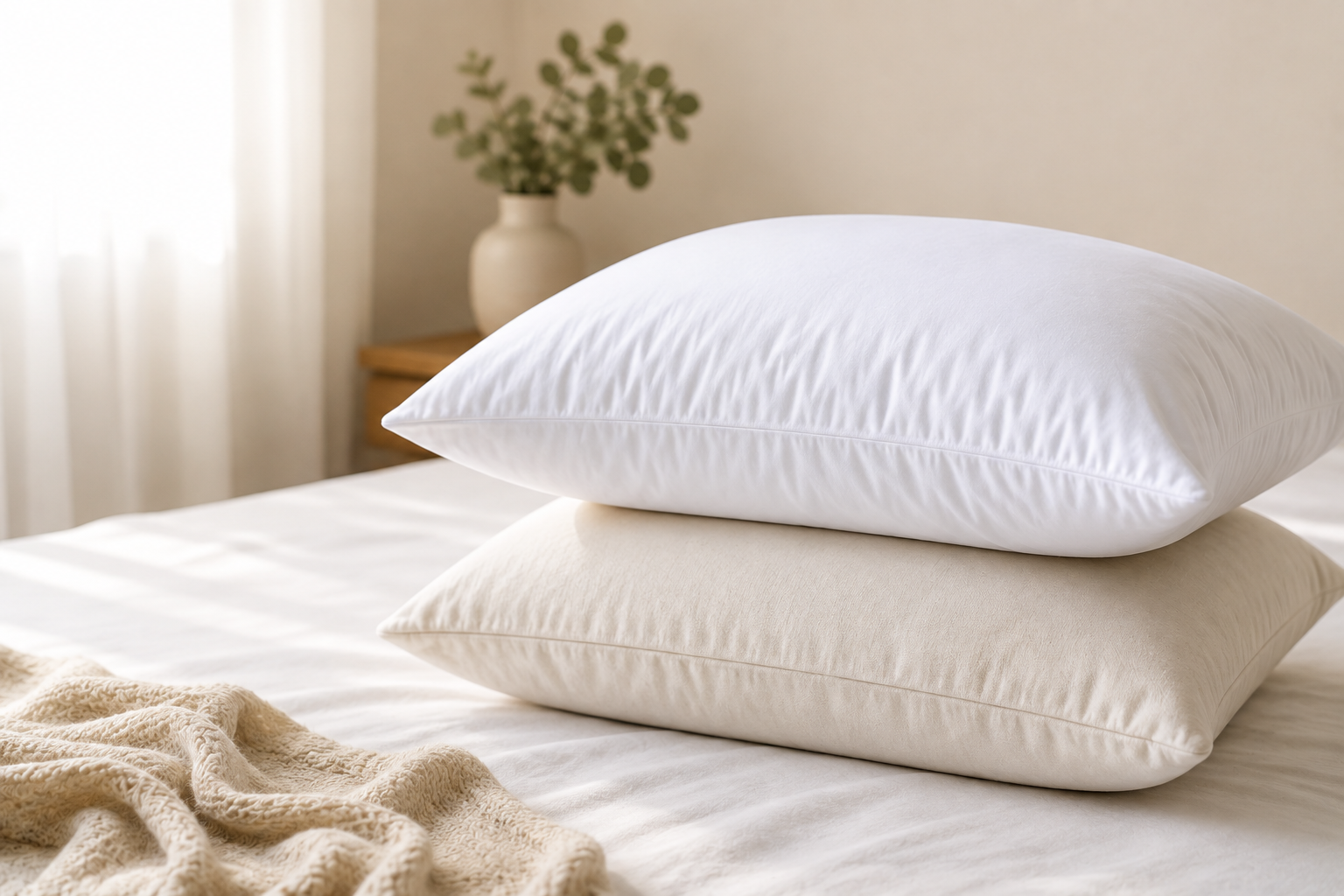
Many people invest in a great mattress and then undermine it with the wrong pillow. Your pillow fills the gap between your head, neck, and the mattress and getting that height and firmness wrong puts the cervical spine out of alignment, contributing to neck stiffness and headaches.
Side sleepers typically need a higher, firmer pillow. Back sleepers do better with medium loft. Stomach sleepers generally need a very flat pillow or ideally, to transition away from stomach sleeping altogether.
Browse our Range of Sleep pillows to find options that complement your mattress and sleep style. We also cover this topic in detail in our complete guide to choosing the right pillow for your sleep position.
When to Trust Your Budget and When Not To
It's tempting to assume that a more expensive mattress automatically means better sleep. That's not always the case. What matters more is finding the right match for your specific needs. A well-constructed mattress at a mid-range price point that suits your body and sleep style will outperform a premium mattress that doesn't.
If budget is a factor, our Mattresses Under $1,000 and Mattresses Under $500 collections include quality options across a range of support types and constructions without compromise on the fundamentals.
For those ready to invest in a premium sleep experience, explore our Loren Williams mattress range or our A.H. Beard collection two of Australia's most trusted names in sleep.
Putting It All Together: A Practical Approach
Rather than starting with "soft or firm," try asking yourself these questions:
- What position do I sleep in most of the night?
- Do I wake up with pain and if so, where?
- Do I sleep hot or cold?
- Do I share my bed, and does my partner have different needs?
- What is my body weight and build?
Your answers will point you far more reliably toward the right mattress than any firmness label will. If you're still unsure, our mattress selector tool walks you through a personalised recommendation based on your sleep profile.
And remember: your bed frame matters too. A Supportive Bed Base is what a mattress is designed to sit on the wrong base can undermine even the best mattress investment.