Cart
0
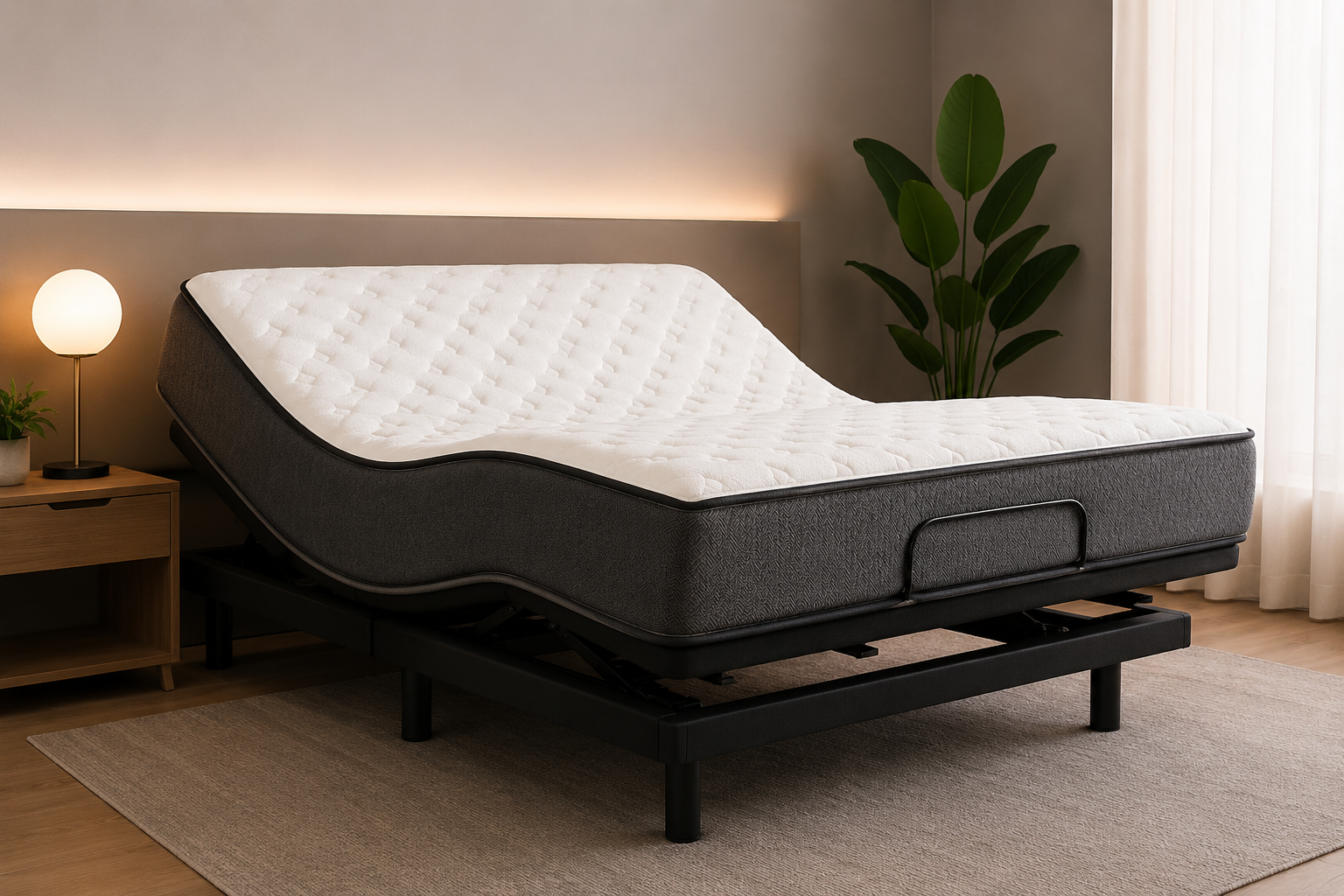
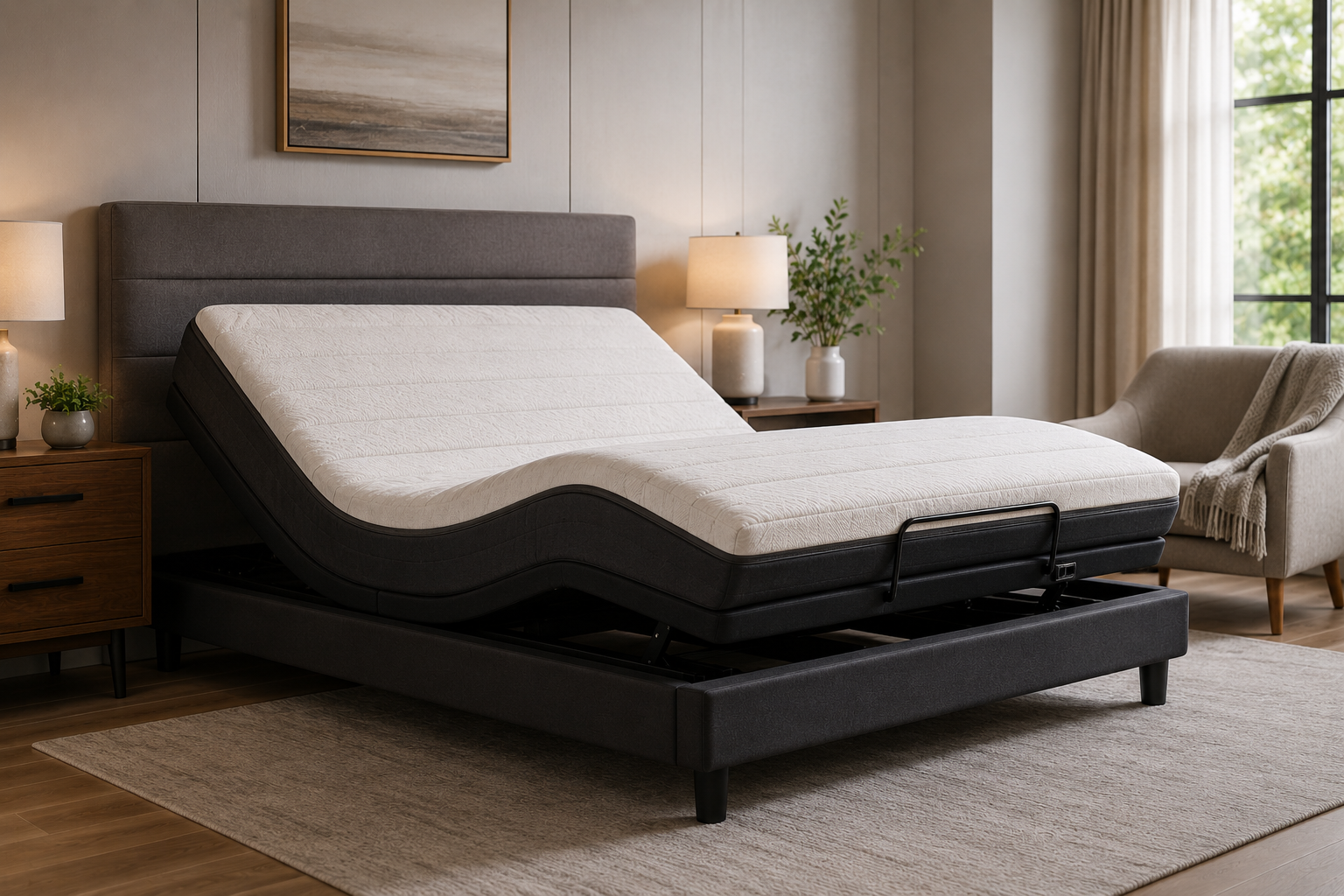
Yes, you can use a hybrid mattress on an adjustable base, but only if the mattress is built for it. Not every hybrid on the market flexes well enough to handle the articulation of a motorized base. The wrong pairing can damage your mattress, void your warranty, and leave you with uneven support.
Knowing what to look for makes a significant difference before you spend money on either piece. Hybrid mattresses have grown in popularity across Australia because they offer the best of two worlds: the cushioning of foam or latex comfort layers and the structured support of a spring system underneath.
Paired with an Adjustable Base, that combination gives you position control without sacrificing comfort. But the coil system in the mattress is what determines whether it can handle the bend.
Key Takeaways
- A hybrid mattress can work on an adjustable base when it uses individually wrapped pocket springs, not open coil or Bonnell spring systems that resist bending.
- Mattress thickness matters more than most people realize, with the 25cm to 30cm range generally offering the best balance of flexibility and support on a motorized base.
- Coil count, foam quality, and edge support all affect how a hybrid performs long-term on an adjustable base.
- Checking manufacturer compatibility before purchasing protects your warranty and prevents premature mattress deterioration.
What Makes a Hybrid Mattress Different From Other Types?
A hybrid mattress combines two distinct layers: a comfort layer on top and a spring support system underneath. The comfort layer is usually memory foam, latex, or a combination of both. The spring layer uses either pocket springs, open coils, or offset coils depending on the construction.
Pocket springs are individually wrapped in fabric, so each one moves independently. Open coils are interconnected, meaning the whole spring unit moves as one piece. That difference matters enormously on an adjustable bed.
A mattress with open coils resists bending and can warp or strain under repeated articulation. A pocket spring hybrid flexes much more naturally and returns to shape reliably after each position change.
The comfort layers also affect performance. Dense, thick memory foam can restrict flex if the foam is too firm or too deep. Most quality hybrid mattresses use between two and four centimeters of comfort foam layered above the spring system, which gives enough cushioning without reducing the mattress's ability to bend. Comparing mattress types helps clarify which construction suits an articulating base best.
Which Hybrid Mattresses Work Best on an Adjustable Base?
Not all hybrids get a green light for adjustable base use. The construction needs to meet specific criteria. Here are the features to prioritize.
Pocket Spring Construction
Pocket springs are the foundation of any adjustable-compatible hybrid. Because each spring moves independently, the mattress can articulate at the head and foot sections without the coil system fighting the movement. Mattresses with pocket springs flex more readily and return to shape better than open coil alternatives.
Look for a coil count appropriate to your mattress size. For a queen mattress, 1,000 to 2,000 individually wrapped pocket springs is a reasonable range for a quality hybrid. Higher coil counts do not automatically mean better performance on an adjustable base, but they do affect contouring and motion isolation.
Mattress Thickness
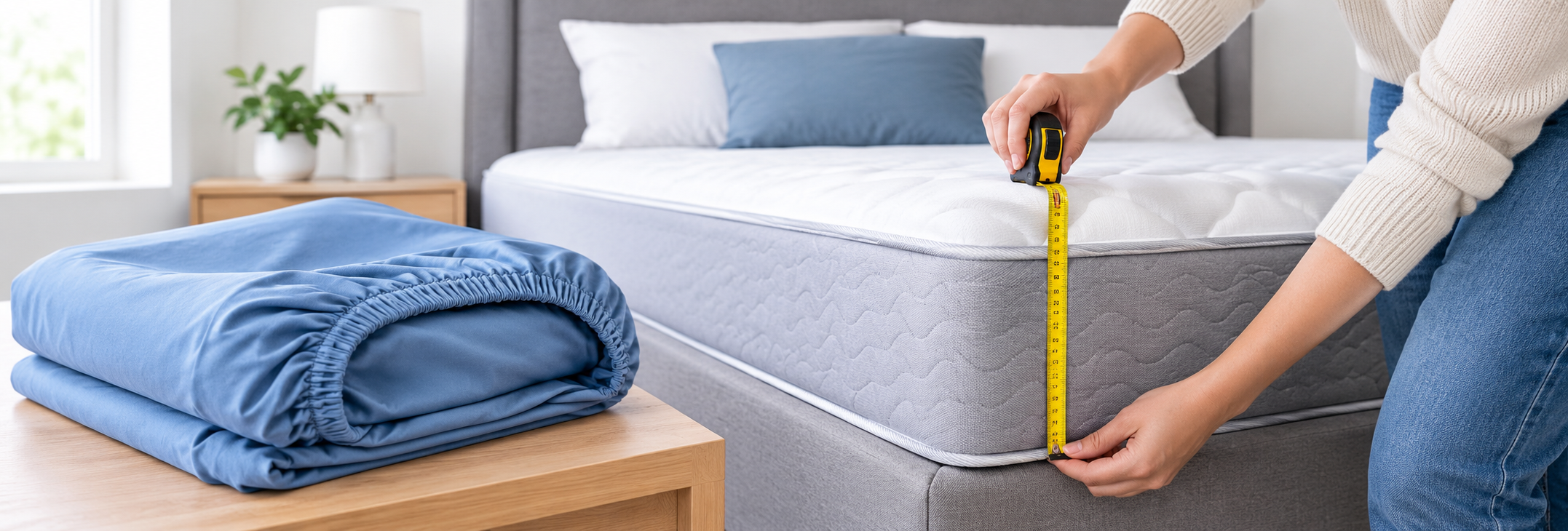
Thickness affects how readily a mattress bends. Very thick mattresses, those above 35cm, may struggle to articulate fully at the head and foot sections. The sweet spot for adjustable base compatibility sits between 25cm and 30cm.
Below 20cm and you may find the mattress lacks enough comfort layering for prolonged use. Most Mattress Dimensions Guides focus on length and width, but depth is just as relevant here. Check the product specification before purchasing.
Foam Layer Quality
The density of the foam comfort layers affects both durability and flex. Low-density foam breaks down faster under the repeated bending of an adjustable base. High-density memory foam, generally rated above 40kg per cubic meter, holds its structure over time and flexes without cracking or developing permanent indentations.
Gel-infused memory foam layers also perform well on adjustable bases. The gel helps regulate temperature, and the infused structure tends to retain elasticity better than standard memory foam at higher densities. Independent mattress testing consistently shows that foam density is one of the strongest predictors of long-term durability.
Manufacturer Compatibility Statement
The fastest way to know is to check the manufacturer's documentation. Many mattress brands explicitly state whether their products are adjustable-base compatible. If no statement exists, contact the retailer or manufacturer directly.
Using a mattress that is not rated for articulation can void the warranty on both the mattress and the base. Always confirm this detail before committing to a purchase.
What to Avoid When Pairing a Hybrid With an Adjustable Base
Some hybrid configurations simply do not work on a motorized base. Knowing what to avoid saves a costly mistake.
Here are the main incompatibility issues to watch for:
- Open coil or Bonnell spring systems: These are interconnected and resist bending. They can warp under repeated articulation and create pressure points that affect support quality over time.
- Very high-profile mattresses above 35cm: The thicker the mattress, the more resistance it creates when the base articulates. The motor has to work harder, and the mattress may not fully reach the elevated positions.
- Rigid euro top or pillow top construction: Some euro tops are quilted with thick padding that runs edge to edge with very little flex built in. These can buckle or separate at the fold points on an adjustable base.
- Innerspring mattresses without independent coils: Traditional innerspring mattresses are not hybrids, but some are marketed alongside hybrid ranges. If the coils are not independently wrapped, the mattress is not suited for an adjustable base.
A Pocket Spring Mattress specifically rated for adjustable use gives you the clearest path to a compatible pairing. Australian consumer reviews frequently highlight coil type as the most common source of compatibility problems buyers encounter after purchase.
Does a Hybrid Mattress Perform Differently on an Adjustable Base Compared to a Flat Base?
The short answer is yes, and in some ways better. On a flat base, a hybrid mattress delivers consistent support across the full surface. On an adjustable base, you can change your position throughout the night without leaving the bed.
For people who experience lower back pain, elevating the head or legs slightly can reduce pressure on the lumbar spine. A hybrid mattress with good zonal support maintains spinal alignment even when the base shifts position. The pocket springs adapt to the new angles while the foam comfort layer continues to cushion pressure points at the shoulders and hips.
On a standard flat base, you only ever get one position. The Benefits of Electric Adjustable Beds extend considerably when the mattress is built to work with the motion rather than against it.
Couples also benefit from this pairing. Many adjustable bases come in a split configuration, allowing each side to adjust independently. A hybrid mattress with strong motion isolation means one partner's position adjustment does not disturb the other. Expert mattress guidance points to motion isolation as one of the top priorities for couples sharing a bed.
How Mattress Thickness and Coil Count Affect Adjustable Base Performance
Mattress thickness and coil configuration both play a role in how well a hybrid performs on a motorized base. Getting either element wrong can limit the range of motion the base achieves or affect long-term support quality.
The Thickness Factor
Mattress thickness affects articulation range. Manufacturers design adjustable bases to elevate to specific angles, commonly up to 60 to 70 degrees at the head and 40 to 45 degrees at the foot. A mattress that is too thick adds resistance at the bend points and may prevent the base from reaching those angles.
Most Electric Adjustable Bed Guides recommend matching the mattress depth to the base specification. Check both the mattress height and the base's recommended mattress range. This information is usually listed in the product description or installation guide.
Coil Count and Zonal Support
Higher coil counts allow for more precise zonal support, with different spring tensions across the shoulder, lumbar, and hip zones. On an adjustable base, this zonal arrangement stays active regardless of the angle the base is set to. Zoned pocket spring hybrids tend to perform better on articulating bases because the softer shoulder zone and firmer lumbar zone continue functioning appropriately even when the mattress bends at the flex points.
A Memory Foam vs Pocket Spring Comparison is worth reading if you are weighing a full memory foam mattress against a hybrid for your adjustable base. Mattress buying research also shows that coil configuration ranks among the top factors Australians consider when purchasing for health-related sleep needs.
Practical Steps Before Purchasing a Hybrid for an Adjustable Base
Getting the pairing right involves a few checks beyond the mattress description. Skipping these steps is where most buyers run into problems.
Here is what to do before committing to a purchase:
-
Confirm the mattress is explicitly rated for adjustable base use. Look for language like "adjustable base compatible," "flex-friendly," or "articulating base approved" in the product specification.
-
Check the mattress thickness against the base's recommended range. Most manufacturers list compatible mattress depth in the base specifications.
-
Ask about the spring type. Pocket springs are compatible. Open coils are not. If the listing does not specify, ask before purchasing.
-
Review the warranty terms. Some mattress warranties specifically exclude damage caused by use with an incompatible base. An adjustable-rated mattress protects you from that scenario.
-
Consider a mattress protector. On an adjustable base, the mattress experiences more surface movement. A good protector reduces friction between the mattress and the base platform, extending the life of both.
Shopping for a Mattress for your Adjustable Bed involves more than picking a comfort feel. Construction and compatibility determine long-term performance. Forbes Mattress Research also highlights compatibility verification as a step buyers often skip and later regret.
What About Latex Hybrid Mattresses on Adjustable Bases?
Latex hybrid mattresses are among the most adjustable-base-friendly options available. Natural latex has inherent elasticity, so the comfort layer flexes readily without developing cracks or permanent compression lines at the bend points.
The spring layer still needs to be pocket spring construction for the same reasons as any hybrid. But the latex comfort layer adds a durability advantage over standard memory foam because latex typically maintains its responsiveness longer under repeated articulation.
Latex hybrids also tend to sleep cooler than foam-dominant hybrids. The open-cell structure of latex allows air to move through the comfort layer more freely. On an Adjustable Bed for Seniors or for anyone managing circulation issues, temperature regulation is worth factoring into the mattress choice.
The main consideration with latex hybrids is weight. Natural latex is denser than foam, which makes some latex hybrids heavier. On an adjustable base, the mattress does not need to be moved manually very often, so weight is less of a concern than it would be on a flat platform base.