Cart
0

Buying a Bunk Bed for your kids feels exciting until you realize how many safety details are easy to miss. Australia has a mandatory safety standard that covers bunk beds, and not every product on the market meets it. Perth parents shopping for a bunk bed need to know exactly what to check before spending their money.
Key Takeaways
-
Australian bunk beds must comply with AS/NZS 4220:2010, the mandatory standard that sets structural, guardrail, entrapment, and labeling requirements for all bunk beds sold in the country.
-
Children under nine years old should not sleep on the top bunk, as the risk of serious falls is significantly higher for younger children who move a lot during sleep.
-
Guardrails must run on both sides of the top bunk, with gaps no larger than 75mm and a minimum height of 160mm above the mattress surface to prevent entrapment or roll-off.
-
A mattress on a bunk bed should sit no higher than 95mm below the top of the guardrail, so parents should check mattress thickness carefully before buying.
What Australian Standard Applies to Bunk Beds?
Australian bunk beds fall under a mandatory safety standard, meaning compliance is not optional. AS/NZS 4220:2010 is the joint Australian and New Zealand standard that governs how bunk beds must be built, labeled, and sold. The Australian Competition and Consumer Commission (ACCC) enforces it, and retailers cannot legally sell bunk beds that fail to meet it.
The standard covers four main areas:
-
Structural strength: the bed must withstand specified load and impact tests without failing
-
Entrapment prevention: openings in the frame, headboard, and footboard must fall within defined size limits so a child's head, neck, or limbs cannot become trapped
-
Guardrail specifications: guardrails must meet minimum height and gap requirements on both sides of the top bunk
-
Labeling: every compliant bunk bed must carry a warning label stating the minimum recommended age for the top bunk
The ACCC product safety database lists recalled bunk beds and active compliance requirements. It is worth checking before you buy, particularly for beds sold through marketplace platforms where compliance monitoring is harder.
Standards Australia also updated its guidance in recent years, with changes to the bunk bed standard that now extend safety requirements to holiday parks and commercial settings. That revision reflects how seriously regulators treat bunk bed risks across all environments, not just family homes.
How Do You Read a Bunk Bed Compliance Label?
Every bunk bed sold in Australia that meets AS/NZS 4220:2010 must carry a permanent, legible warning label. The label is not a bonus feature. It is a legal requirement under the mandatory standard. If a bunk bed does not have one, it has failed its compliance obligation before you even assemble it.
What the Label Must Include
A compliant label contains the following minimum information:
-
A warning that the top bunk is not suitable for children under nine years of age
-
A statement that guardrails must remain in place at all times
-
Instructions stating the maximum mattress size and thickness permitted
-
A warning that the bed should not be used as a play area or trampoline
The label must appear on the bed itself, not just in the instruction booklet. Check for it physically before buying, either in store or by requesting a product image that shows the label clearly. If a seller cannot confirm the label exists, walk away.
What to Do With That Information
The label is a starting point, not the full picture. It tells you the age restriction and mattress limits, but not whether the seller has had the product independently tested. Australian-manufactured and imported bunk beds must meet AS/NZS 4220:2010, but testing rigor can vary. Asking the retailer for a test certificate or statement of compliance adds an extra layer of confidence. Established Kids Furniture retailers should have this documentation readily available.
The Consumers' Federation of Australia noted during public consultation that the standard has been under active review, meaning the compliance environment continues to tighten. Buying from a retailer who keeps up with those changes matters.
Are Guardrails Compliant on the Bunk Bed?
Guardrails are the single biggest factor in preventing top-bunk falls. A Queensland Injury Surveillance Unit bulletin on bunk bed injuries found that children aged five to nine years recorded the highest rates of bunk bed-related hospital presentations, with falls from the top bunk the most common cause. Missing or non-compliant guardrails featured in a significant share of those incidents.
The Specific Numbers to Check
AS/NZS 4220:2010 sets clear measurements for guardrails. Before you buy, confirm these three things:
-
Guardrails must appear on both the wall side and the open side of the top bunk. A single rail on one side does not meet the standard.
-
The gap between any guardrail component and the bed platform must be no greater than 75mm. Gaps larger than that create an entrapment risk for a child's head or neck.
-
The guardrail must sit at least 160mm above the top surface of the mattress. This measurement uses the mattress you actually intend to use, not the thinnest possible mattress.
That last point is where many parents make a mistake. A guardrail that is technically 160mm above a thin foam mattress may only sit 60mm above a thicker pocket spring mattress. Always measure the guardrail height with your intended Kids Mattress in place, or at minimum with the actual mattress thickness noted before you buy.
Guardrail Gaps and Entrapment Risks
The 75mm gap limit applies to all openings in the guardrail structure, not just between batons. End openings, the space where the guardrail meets the ladder or headboard, also count. A child rolling into a triangular or irregular opening at the end of the guardrail can become wedged in ways that create serious breathing and circulation risks.
Kidsafe Queensland's bunk bed safety fact sheet specifically flags entrapment at guardrail ends as an under-recognised hazard. Check all angles, not just the obvious ones, and test the end gaps physically before the bed goes in your child's room.
What Mattress Thickness Is Safe for a Bunk Bed?
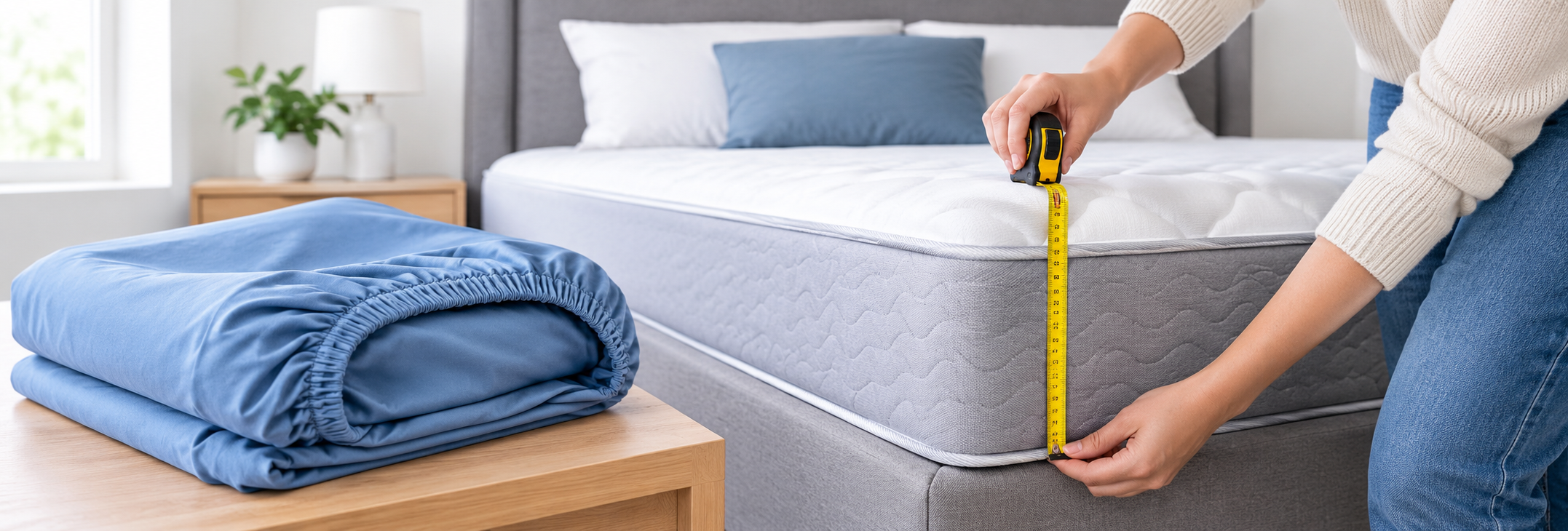
Mattress choice directly affects guardrail compliance, which is why the standard addresses it. The rule is straightforward: the mattress must not sit higher than 95mm below the top of the guardrail. A thicker mattress reduces the effective height of the rail and increases fall risk.
Here is how to check before buying:
-
Measure the height of the guardrail from the top of the bed base, which is the platform the mattress rests on
-
Subtract 95mm from that measurement
-
The result is the maximum permitted mattress thickness for that specific bed
For example, if the guardrail sits 255mm above the base platform, you can use a mattress up to 160mm thick. Go thicker, and the rail no longer provides adequate protection.
Most kids' mattresses suitable for bunk beds fall between 100mm and 150mm. Memory foam and latex options often sit at the higher end of that range, so measure carefully. A Mattress for a Child's Bed should also support growing bones without being so soft that the child sinks into a position that increases roll-out risk. Firm to medium-firm options work well in this context.
Avoid using an old adult mattress on a bunk bed to save money. Beyond the thickness issue, older mattresses may not support children properly, and the dimensions may not match the bunk frame, leaving dangerous gaps around the edges.
Are Second-Hand Bunk Beds Safe to Use?
Second-hand bunk beds carry risks that new beds do not. A pre-loved bunk bed sold through an online marketplace may have been compliant when new, but its current condition is what matters. Wear, modification, and missing components all affect whether a bed is still safe to use.
An ACCC review of the mandatory bunk bed standard found that a portion of bunk bed-related injuries involved beds that had been modified or used outside their original specifications, including second-hand units where hardware had been lost or replaced with non-original parts.
Check these things before accepting or buying a used bunk bed:
-
Compliance label: if it is missing, you cannot confirm the bed met AS/NZS 4220:2010 when manufactured
-
Guardrail integrity: look for cracks, bent sections, loose fixings, or gaps that have widened over time
-
Structural joints: test the bed by applying firm pressure to all connection points before letting a child use it
-
Missing hardware: bolts, cross-supports, and ladder brackets are load-bearing components, and a bed missing any of them is not safe
-
Recall status: search the ACCC product safety database using the brand and model name to confirm the bed has not been recalled
Bunk beds manufactured before 2003 may predate the current mandatory standard entirely. The Queensland Government's bunk bed safety guidance recommends replacing older beds that cannot be verified as compliant, rather than retrofitting them with replacement parts that may not match the original design. If you cannot verify the bed's origin and compliance history, replacing it with a new, certified option from a trusted retailer is the lower-risk choice.
Which Checks Should You Run in the Store?
Perth parents buying a bunk bed in store have a real advantage over online shoppers. You can physically inspect the bed, test its stability, and ask questions before committing. The ACCC's safety alert on bunk beds outlines the most common failure points found during market surveillance, and most of them are things a parent can check in person before buying.
Here is what to look for before you buy:
-
Ask the salesperson directly whether the bed complies with AS/NZS 4220:2010 and request written confirmation or a product compliance certificate
-
Check that the label is physically attached to the bed, not just referenced in the instruction manual
-
Push and pull the frame from multiple angles to test structural rigidity. It should not rock, flex, or creak under moderate pressure.
-
Check all openings in the frame for the 75mm entrapment gap rule, including the space between guardrail ends and the ladder
-
Confirm the maximum mattress thickness for that specific bed, then compare it to the mattress options for growing children you are considering
The Australian Camps Association bunk bed assessment checklist was developed for commercial settings but covers every structural check that applies to home use as well. It is a useful reference when assessing any bunk bed in person.
Buying from a retailer that stocks compliant bunk beds and can answer these questions clearly gives you a much better outcome than buying from a seller who cannot provide documentation. Perth families can also browse Kids Bed Frame Options that suit different room sizes and configurations, including models that pair well with a trundle for younger siblings who aren't ready for the top bunk.
For a fuller picture of setup and ongoing safety, the Bunk Bed Safety Tips and Safety Considerations for Bunk Beds pages cover what to do after the bed arrives and is assembled.
Wrapping Up
Knowing the standard, checking the label, measuring the guardrail, and matching the right mattress thickness are not extra steps. They are the whole purchase. AS/NZS 4220:2010 exists because bunk bed falls and entrapment injuries are preventable, and most of the risk comes down to what parents check, or miss, before buying.
Shop at a retailer who can answer your compliance questions clearly and take the time to inspect the physical bed before it goes in your child's room.
Browse Bedworld's range of Bunk Beds in Perth and Kids Furniture to find options that meet Australian safety standards and fit your space.
Delivery takes 1 to 7 days. Buy in store or online. Free Metro ground floor delivery (T&Cs apply).