Cart
0

Your bedroom environment has a direct influence on how well you sleep. But with two opposing design philosophies, stripped-back minimalism and warm, layered cosiness, how do you know which approach is right for you?
Walk into two different bedrooms and you'll feel the difference immediately. One is calm, spare, and uncluttered, nothing on the surfaces, neutral tones, everything in its place. The other is warm and inviting, soft cushions, layered throws, ambient lighting, and a sense of being wrapped in comfort. Both can be beautiful. But which one actually helps you sleep?
The answer, as with most things in sleep science, isn't one-size-fits-all. But there are clear principles that apply to almost everyone. Whether you're drawn to clean lines or the idea of a nest you can sink into, the fundamentals of a sleep-supportive bedroom remain the same.
What Minimalism Does for Your Sleep Environment
Minimalist bedrooms are built around reduction: fewer objects, less visual stimulation, and a clear separation between the sleep space and the rest of daily life. Sleep researchers consistently point to the fact that a cluttered environment increases cortisol, the stress hormone, making it harder for the brain to shift into a restful state.
When your bedroom contains only the essentials, a quality bed frame, a good mattress, perhaps a bedside table and a lamp, your brain learns to associate that space exclusively with rest. This is the psychological principle behind stimulus control therapy, one of the cornerstones of cognitive behavioural therapy for insomnia (CBT-I). The bedroom becomes a cue for sleep, not a place where you scroll, eat, or work.
The Case for Clutter-Free Surfaces
Visual clutter sends constant low-level signals to your brain that there are unfinished tasks and decisions to make. For many people, those signals don't stop just because they've closed their eyes. Reducing what's in your bedroom, especially on visible surfaces like Bedside Tables and dressers, can make falling asleep feel noticeably easier.
A minimalist space also tends to be easier to keep clean and temperature-controlled, both of which matter enormously for sleep quality in the Australian climate.
Key Takeaway Minimalism works best when it reduces mental noise. The goal isn't bareness for its own sake, it's creating a space that your brain reads as "off duty."
What a Cozy Bedroom Does for Your Sleep
The Danish concept of hygge, creating warmth, comfort, and a sense of togetherness has become enormously popular in bedroom design, and for good reason. A bedroom that feels genuinely inviting triggers a very different physiological response to one that feels stark or sterile.
Warm lighting, soft textures, and layered bedding all activate the parasympathetic nervous system, the body's "rest and digest" mode. For many people, wrapping up in plush bedding doesn't just feel nice; it physically lowers the heart rate and prepares the body for deep sleep.
The Role of Texture and Warmth
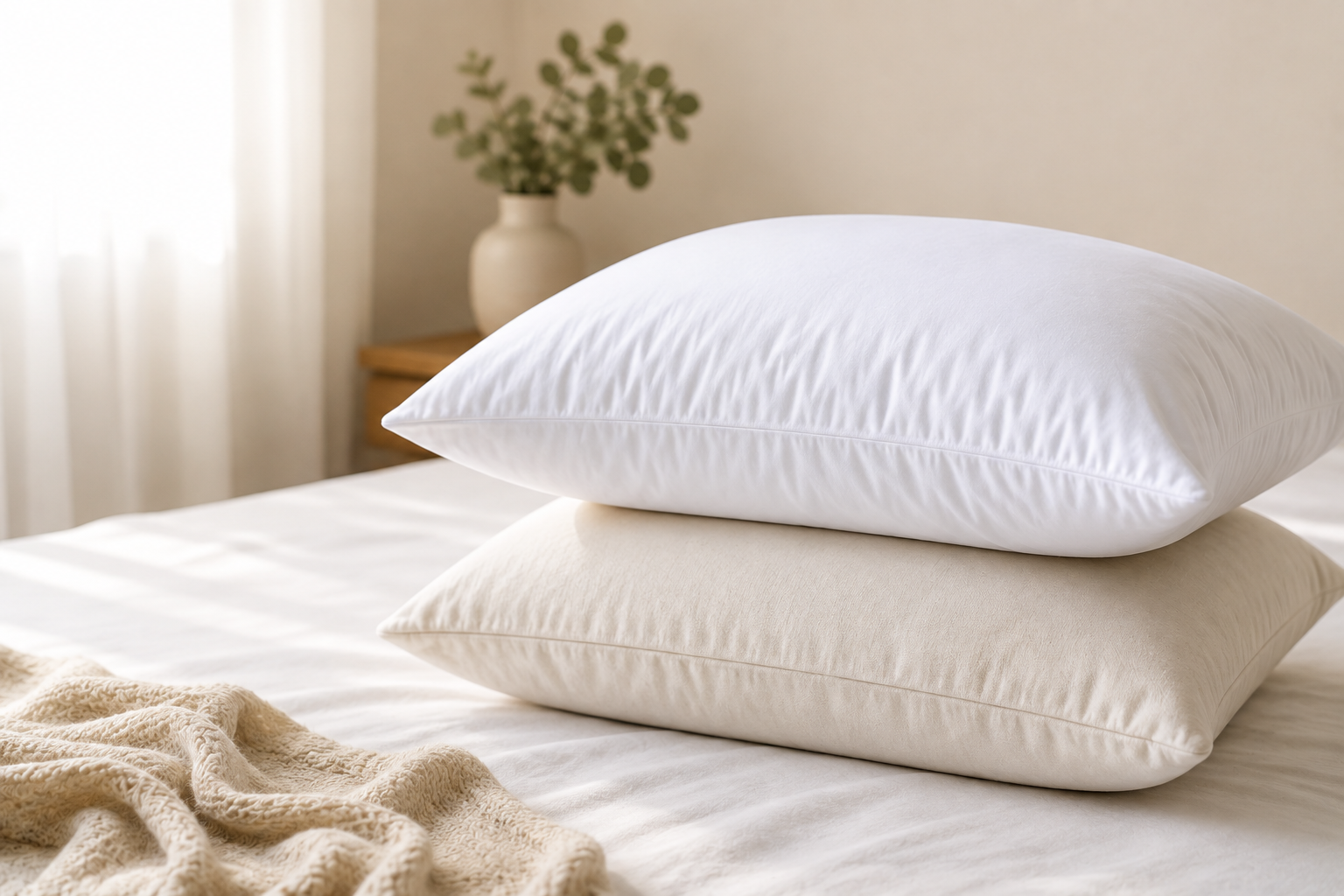
Soft, natural fabrics against the skin, cotton, bamboo, wool, create a subtle sensory signal that you're safe, warm, and settled. The Right pillow plays a Bigger Role here than most people realise. A pillow that provides correct neck alignment doesn't just reduce aches; it removes one of the most common unconscious sources of overnight tension. Layering a mattress topper over your existing mattress is another simple way to enhance that cocooning feeling without replacing your entire sleep setup.
Lighting as a Sleep Tool
Arguably the most powerful element in a cozy bedroom isn't the cushions, it's the lighting. Warm, dim lighting in the hour before bed significantly supports melatonin production, your body's natural sleep signal. This is why the glow of a bedside lamp feels so different to overhead fluorescents. Exploring the right bedroom lighting options warm-toned bulbs, dimmable fittings, or softly shaded lamps is one of the highest-impact changes you can make to a sleep environment.
Key Takeaway Cosiness works best when it involves genuine sensory comfort, warmth, softness, and dim light - rather than simply adding more objects to a room.
Where Both Approaches Can Go Wrong
Each style has a shadow side that can undermine sleep if taken too far.
Minimalism taken to extremes can create a bedroom that feels cold, clinical, or unwelcoming. If the space feels more like a hotel storage room than a sanctuary, many people find it harder, not easier, to relax. Temperature is also a practical concern, a very sparse room with no soft furnishings can actually be noisier and more difficult to keep at the right sleeping temperature.
Cosiness that tips into clutter creates its own problems. Excess cushions on the bed become a nightly ritual of removal. Surfaces covered in ornaments collect dust and create visual busy-ness. Scented candles, essential oil diffusers, and layered textiles can all contribute positively but when there's simply too much of everything, the parasympathetic response you're trying to trigger doesn't quite arrive. An Aroma Diffuser with calming essential oils like lavender can be a wonderful sleep aid, but it works best in a room that isn't already overloaded.
The Elements That Actually Drive Sleep Quality
Whether your aesthetic preference leans minimalist or cozy, the research is consistent on what actually matters for restorative sleep. Here's what applies regardless of style:
- Temperature: Aim for a room between 16°C and 20°C. This supports the core body temperature drop that's essential for deep sleep, particularly relevant during Australian summer months. If you sleep warm, exploring breathable mattress and bedding options for hot sleepers is a worthwhile next step.
- Darkness: Light is one of the most powerful suppressors of melatonin. Block-out curtains or quality blinds make a significant difference, especially during long Australian summer evenings.
- Sound: A quieter room is better for most people. Soft white noise or fan sounds can help mask intrusive noise, particularly in urban areas.
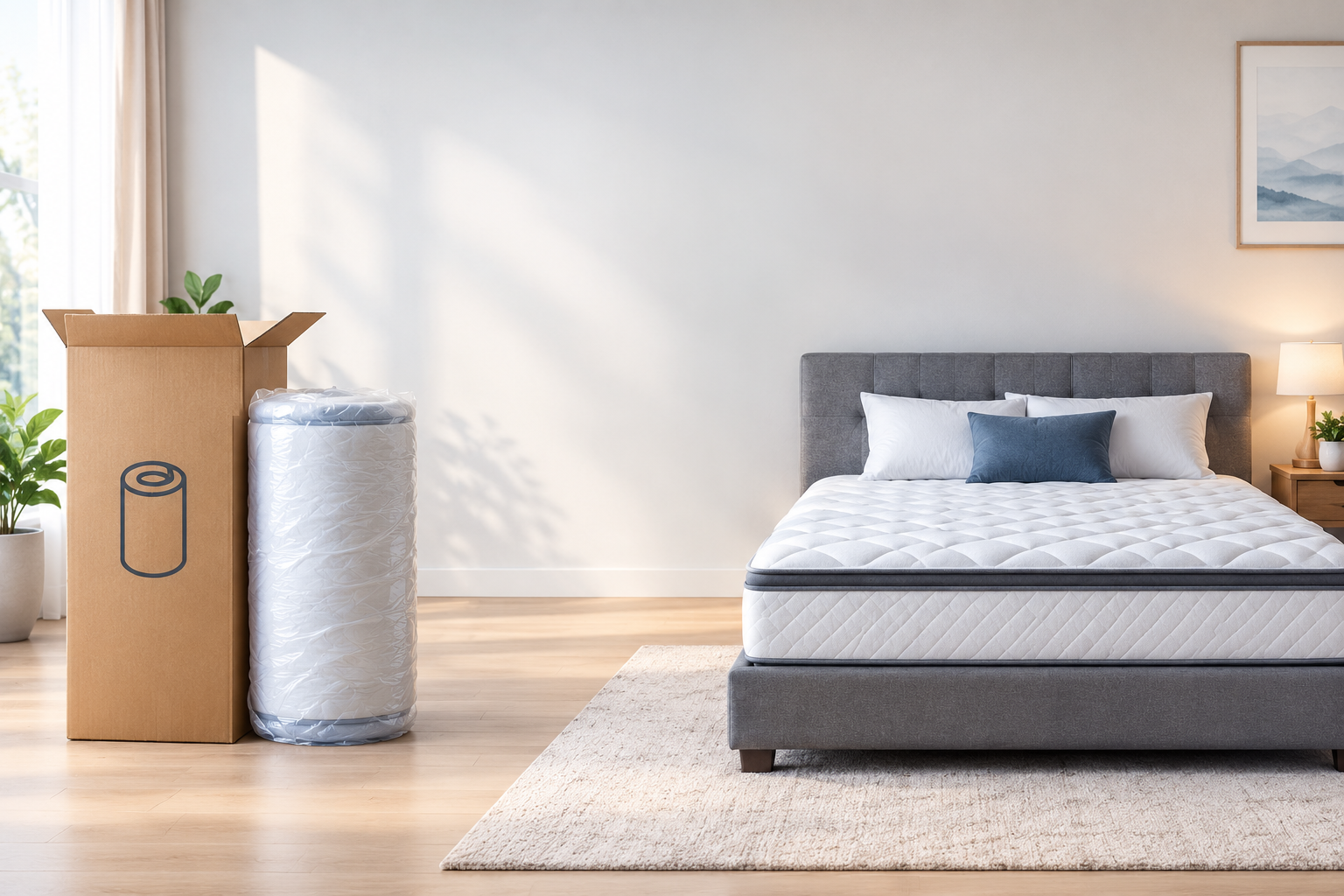
- Your mattress and base: No amount of aesthetic refinement compensates for a mattress that doesn't support your body correctly. If you wake with stiffness or discomfort, the mattress is almost always worth investigating first. It's also worth understanding How your Bed Base Affects Mattress Feel the two work together as a system.
- Pillow alignment: Your pillow should keep your head and neck aligned with your spine. The right loft (height) depends on your sleep position - side sleepers generally need a higher pillow than back or stomach sleepers.
Designing for Your Sleep Personality
The most honest answer to "minimalist or cozy?" is: start with your nervous system, not your Pinterest board.
Ask yourself how you feel in each type of space. Do bare rooms make you feel calm or slightly uneasy? Do layered, warm rooms make you feel held and settled, or a little claustrophobic? Your instinct here is useful data. Sleep is deeply personal, and so is the environment that supports it.
For most Australians, a hybrid approach tends to work best: a Well-Chosen Bed Frame and quality mattress as the foundation, a clutter-free floor and surfaces, warm lighting sources, and just enough soft texture, a good pillow, a throw, quality sheets to create that sense of genuine comfort without overwhelming the space.
When to Consider an Adjustable Bed
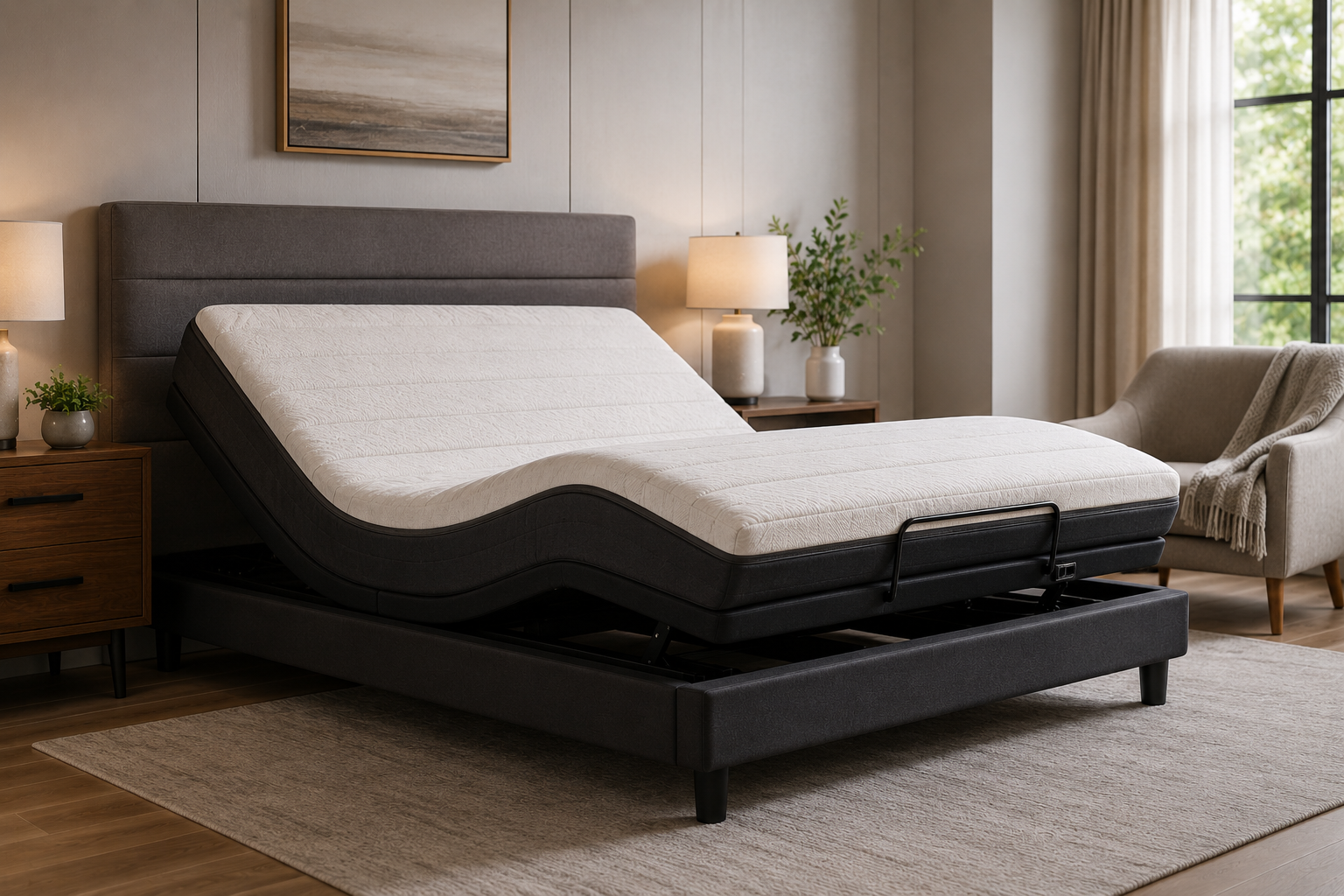
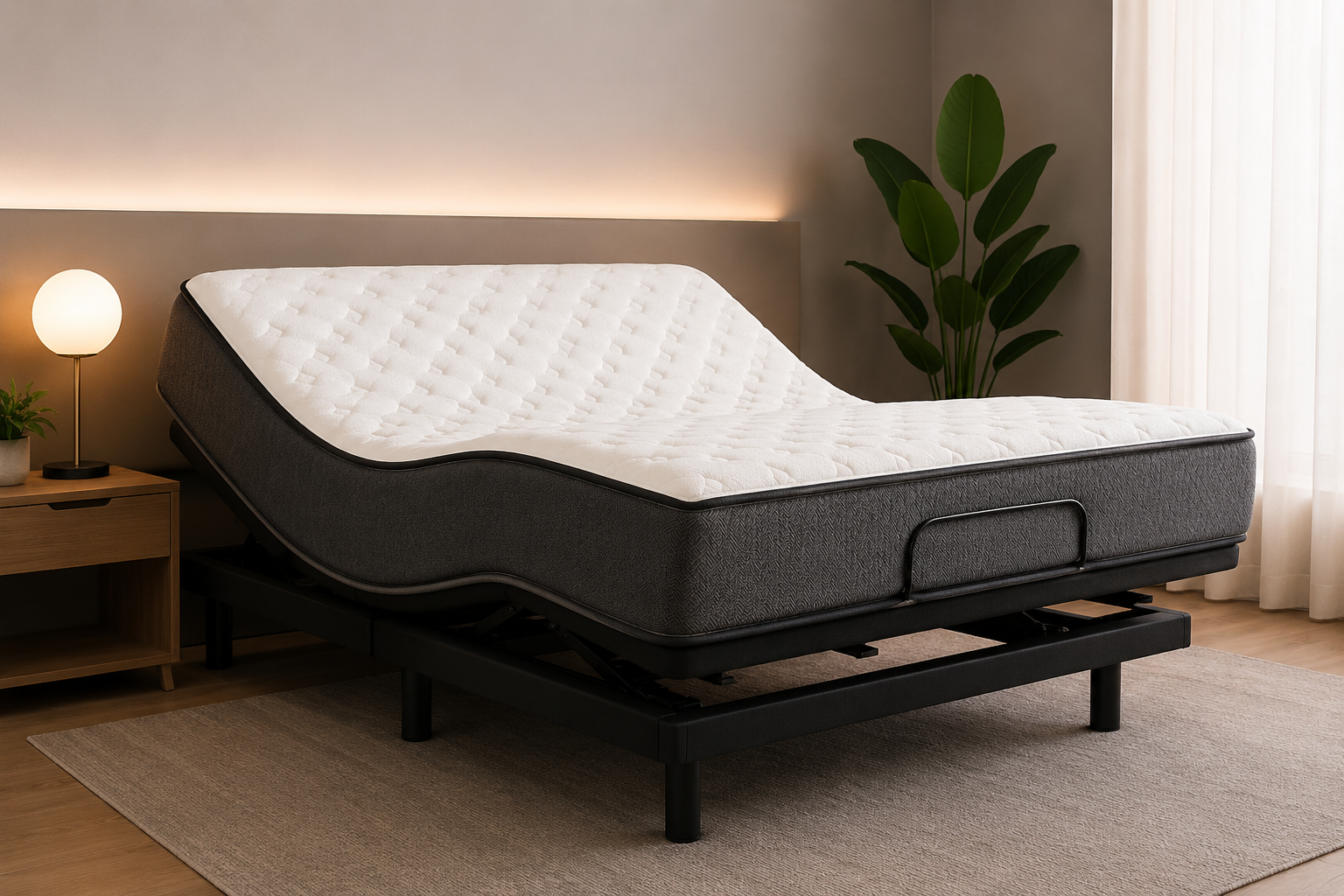
For people dealing with chronic back issues, reflux, sleep apnoea, or simply wanting a more tailored rest experience, electric adjustable beds offer a level of personalisation that no amount of styling can replicate. The ability to elevate your head or feet independently can transform sleep quality in ways that go well beyond aesthetics — and modern adjustable bases fit comfortably into both minimalist and cozy bedroom designs.
Protecting Your Sleep Investment
Whichever direction you take your bedroom design, protecting your mattress is non-negotiable. A Quality Mattress protector extends the life of your mattress, guards against allergens, and maintains hygiene, all things that have a direct bearing on how well you sleep night after night. It's one of those additions that's easy to overlook and surprisingly impactful.
For the broader picture of how your sleep setup responds across different seasons, adjusting your sleep setup between Australian summers and autumn is a useful starting point.
The Honest Verdict
Neither minimalism nor cosiness is inherently superior for sleep. What matters is whether your bedroom reliably feels like a place your brain associates with rest, comfort, and the absence of stress. That can be achieved with a carefully curated minimal space just as effectively as with a warmly layered one - but only when the non-negotiables are in place.
Start with your mattress, your pillow, your lighting, and your room temperature. Get those right, then build the aesthetic around them. The style is the finishing layer. The foundation is always the sleep itself.
If you're looking to build that foundation, the Bedroom Furniture and Mattress Collections at Bedworld are a practical starting point and the team are genuinely helpful when it comes to matching the right products to your sleep style and bedroom setup.