Cart
0

Australia's climate doesn't do anything by halves. One moment you're battling 38-degree nights with a fan pointed directly at your face, and a few months later you're reaching for the extra blanket before you've even turned off the light. That swing, from scorching summer to crisp autumn, puts your mattress and bedding through two very different sets of demands. Most Australians don't think about their sleep setup seasonally. They probably should.
Adapting your sleep environment to the season isn't just about comfort, it also plays a meaningful role in how well your mattress holds up over time, how hygienically you're sleeping, and how rested you actually feel. Here's a practical guide to getting it right from one season to the next.
Year Round Why Seasonal Mattress Care Matters
Most people treat their mattress as a set-and-forget investment. You buy it, set it up, and sleep on it for years without giving it much attention. The problem is that Australian seasons create genuinely different conditions for your mattress and ignoring that leads to faster wear, hygiene issues, and disrupted sleep.
Summer brings heat, humidity, and increased sweating. All of that moisture seeps into your mattress over time if it's not managed. Autumn brings relief from the heat, but also condensation risks as temperatures fluctuate overnight and in the early morning.
A bit of seasonal awareness goes a long way. The good news is that the adjustments aren't complicated, they just need to become a habit, ideally tied to each season's change.
The biggest threat to your mattress in summer isn't temperature, it's the moisture you don't realise you're putting into it every single night.
Summer Keeping Cool and Protecting Your Mattress in the Heat
Australian summers are genuinely tough on sleep. Heat disrupts the body's natural temperature drop that's essential for deep sleep, and many common mattress materials, particularly dense foam, can trap body heat and make the problem worse.
Switch to a Breathable Sleeping Surface
If you're sleeping hot, your mattress type matters enormously. Dense memory foam mattresses tend to hold heat, while coil-based spring designs allow natural air circulation between the springs. Likewise, Natural Latex Options have an open-cell structure that dissipates body heat more effectively than traditional foam. If swapping your mattress isn't practical right now, a breathable cooling topper placed over your existing mattress can make a significant difference on hot nights.
Manage Moisture Actively
During summer, the average person loses around 200ml of sweat per night, more if you run hot or your bedroom isn't well-ventilated. That moisture accumulates in your mattress layers over weeks, creating the conditions for dust mites, odour, and even mould in humid climates. A good Waterproof Mattress Protector is non-negotiable during summer months. It acts as a barrier that catches moisture before it reaches the mattress itself and is far easier to wash than the mattress underneath it.
Ventilate Regularly
On cooler summer mornings, especially when there's a breeze, pull back all your bedding and let the mattress breathe for 20–30 minutes before making the bed. This simple habit releases overnight moisture and keeps the sleeping surface fresher across the season. If you can, position your bed so it gets some morning airflow from an open window. A Slatted Bed Frame helps here too, solid bases restrict the airflow underneath the mattress that slats allow naturally.
Summer Tip: Swap heavyweight bedding for a single lightweight cotton or bamboo sheet. Your body needs to radiate heat while you sleep, thick bedding prevents that, regardless of how good your mattress is. A full guide to choosing the right summer bedding and sleep accessories for Australian homes would be a valuable standalone resource here.
Autumn Transitioning Your Sleep Setup as the Temperature Drops
As the mercury starts to drop across Australia, typically from March through May, your sleep setup needs a different kind of attention. Autumn is often when sleep quality improves dramatically for many people, because cooler temperatures naturally support the body's sleep cycle. But there are still seasonal maintenance tasks worth tackling.
Rotate Your Mattress
Season changes are the perfect prompt for a mattress rotation. Rotating 180 degrees every three to six months ensures even wear across the sleeping surface and prevents body impressions from forming in one spot. This is especially important for single sleepers, who consistently put weight on the same section of the mattress. If you're unsure how your mattress type affects wear over time, Understanding The Signs That Indicate a Mattress Needs Replacing is worth reading before your next rotation.
Deep Clean Before Layering Up
Before you add autumn-weight duvets and extra layers, it's worth giving your mattress a proper clean. This means vacuuming the surface with an upholstery attachment to remove dust, dead skin cells, and dust mite debris that have accumulated over summer. Spot-treat any stains with a mild upholstery cleaner, and let it dry fully before dressing the bed. A Thorough at-Home Cleaning Routine takes less than an hour and makes a real difference to how fresh your sleep environment feels heading into the cooler months.
Reassess Your Mattress Topper
If you used a cooling topper through summer, autumn is the right time to swap it out. A wool-filled or thicker memory foam topper adds a layer of warmth and softness that suits cooler conditions. It also gives your mattress a renewed feel without needing to replace it entirely. Our topper range includes options suited to both warm and cool-season sleeping, it's worth reviewing what's available to find the right match for your mattress and sleep style.
Summer Priorities
- Use a waterproof mattress protector
- Switch to breathable sheets and light bedding
- Air the mattress on cool mornings
- Choose a heat-dissipating sleeping surface
- Ensure the base allows under-mattress airflow
Autumn Priorities
- Rotate the mattress 180 degrees
- Deep vacuum and spot-clean the surface
- Swap to a warmer topper if needed
- Layer up bedding gradually as temps drop
- Keep the protector on year-round
All Seasons Year-Round Habits That Make a Difference
Some mattress care practices apply regardless of the season. Baking them into your routine means your sleep setup stays in better shape all year, reducing the likelihood of needing an early mattress replacement.
- Keep a mattress protector on at all times - wash it every four to six weeks
- Rotate the mattress every three to six months, ideally at each season change
- Air the mattress monthly by stripping the bed and opening the windows for an hour
- Avoid eating or drinking in bed - liquid spills are the number one cause of premature mattress damage
- Check your bed base annually for broken slats, squeaks, or sagging - a failing base accelerates mattress wear
- Keep pets off the bed if possible, or use a washable cover over the duvet
If your mattress is consistently uncomfortable regardless of the season, whether it's too hot, too soft, too firm, or causing back pain, the issue may run deeper than seasonal care. Understanding What to look for When Selecting The Right Mattress for your Sleep Style and Body Type can help you assess whether it's time for a change.
All Seasons The Role of Your Bed Setup in Seasonal Comfort
Your mattress doesn't operate in isolation. The base it sits on, the pillows you use, and even the frame design all contribute to how comfortable and climate-appropriate your sleep setup feels.
In summer, a well-ventilated bed frame with timber or metal slats allows air to circulate under the mattress, something a low platform base simply doesn't offer. That constant airflow reduces heat and moisture buildup from below, which is especially important during humid coastal summers.
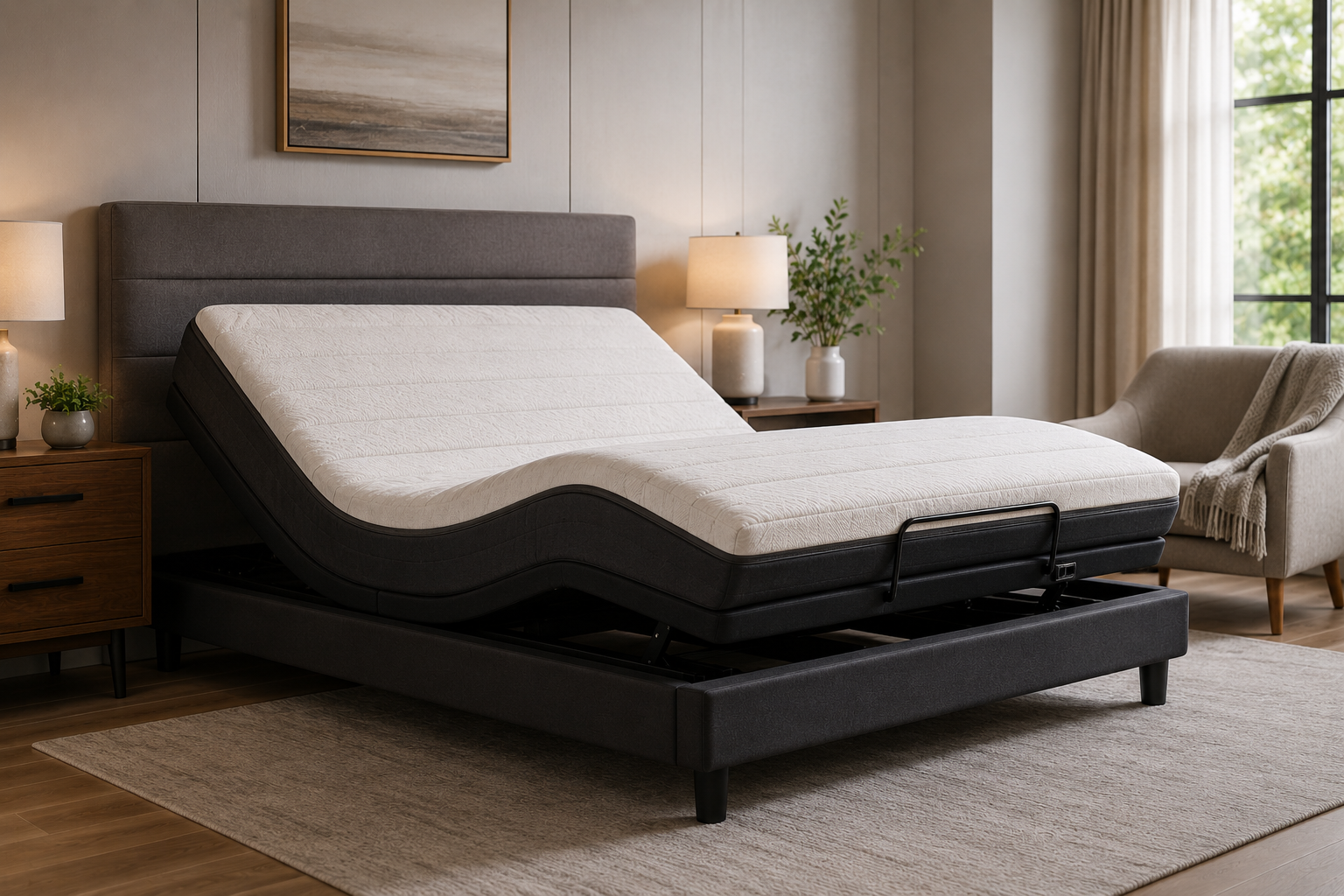
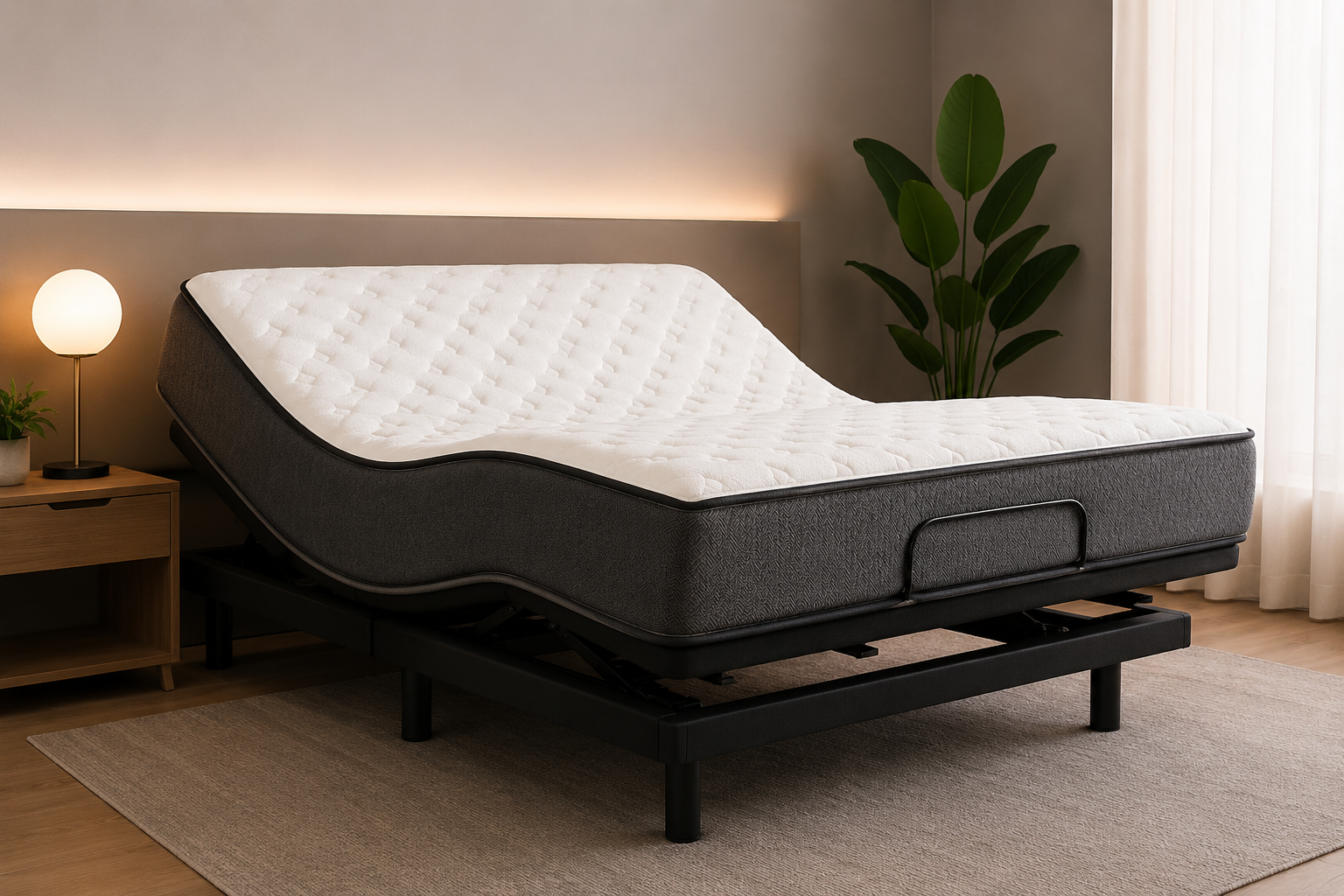
In cooler months, many Australians find that an adjustable base adds genuine comfort by allowing a slightly elevated head position, which can reduce nasal congestion that becomes more common in autumn and winter. It also means you can read or watch something before bed without needing to stack awkward pillows.
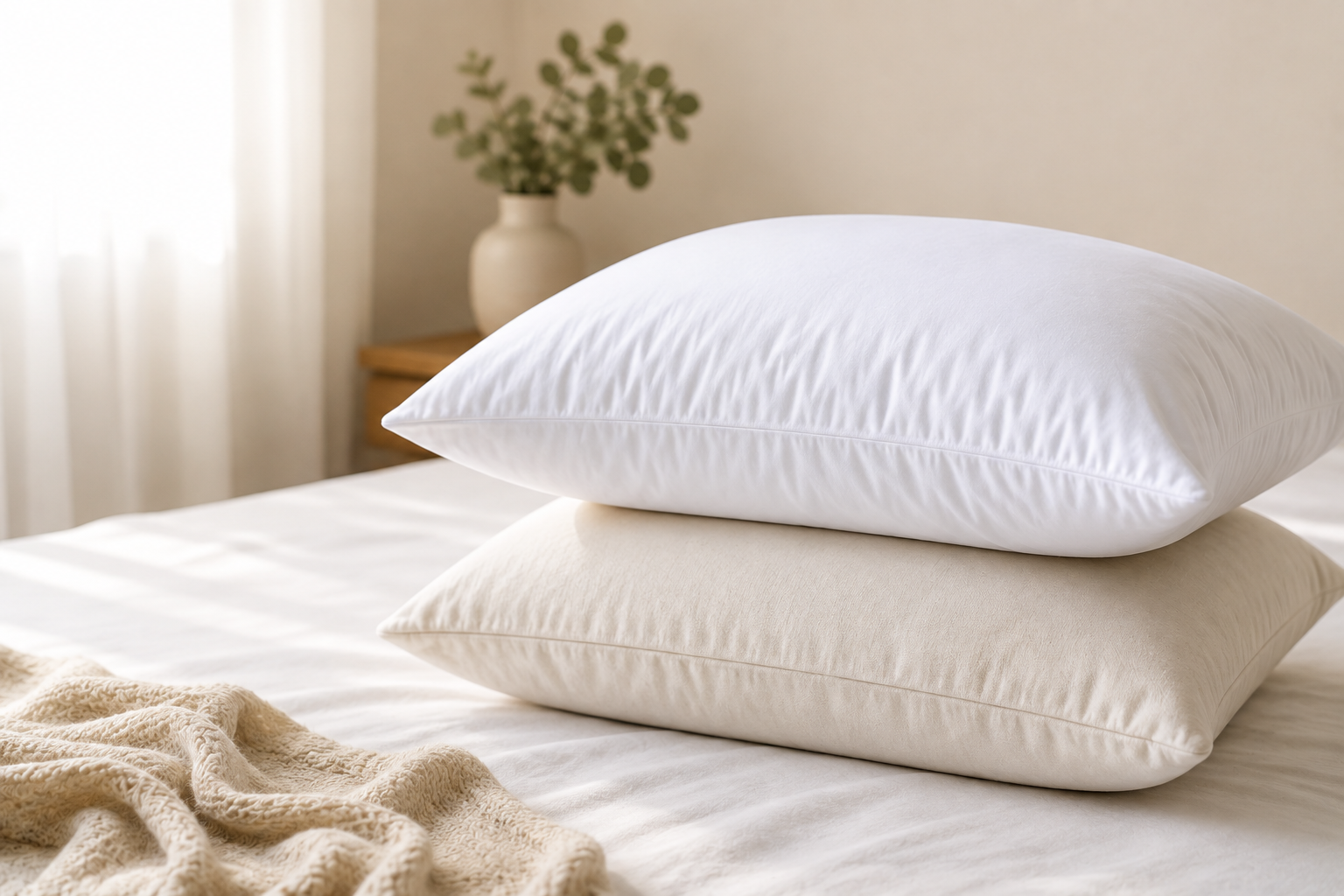
Pillows, too, play a seasonal role. Cooling gel or bamboo-fill pillows suit summer sleeping. In cooler months, a more supportive or slightly warmer fill can complement a heavier duvet setup. If you haven't reviewed your pillows in a while, Understanding What Makes a pillow right for your sleep position is a worthwhile starting point.
A note on hot vs cold sleepers
If one partner sleeps hot and the other doesn't, seasonal bedding adjustments can be tricky. Running separate duvets, one lighter, one heavier is increasingly common and works well without compromising comfort. The mattress itself should ideally suit both: a guide to choosing a mattress and bedding that accommodates both hot and cold sleepers covers this well.
Ready to Upgrade Your Sleep Setup for the Season?
Browse Bedworld's full range of mattresses, toppers, protectors, and bed bases — everything you need to sleep comfortably through every Australian season.