Cart
0
By Bedworld Online | Sleep & Wellness Guide | Australia
You drag yourself out of bed, and within minutes of moving around the stiffness fades. Or maybe it doesn't and the ache is still there at lunch, dinner, and bedtime. These two experiences feel similar in the morning but mean very different things. Understanding which one you're dealing with is the first step toward actually fixing it, and your mattress might be more involved than you think.
Morning Stiffness: What It Is and Why It Happens
Morning stiffness is that familiar ache and tightness you feel when you first get up, often in the lower back, hips, or shoulders. In most cases it settles within 30 to 60 minutes once you start moving. It is extremely common across Australia, and while it can feel alarming, it doesn't always signal a serious health problem.
During sleep, your body slows down circulation, and synovial fluid, the lubricant in your joints, has less movement to keep it flowing. Lying in one position for hours can also cause muscles to stiffen slightly, especially if your sleep surface isn't keeping your spine in a neutral alignment. When you wake up and start moving, everything loosens up as circulation returns and joints re-lubricate.
That said, if you're waking up stiff every single morning, and the pattern has developed or worsened over time, your mattress is one of the most logical places to start investigating. A surface that's too soft allows your hips and lower back to sink unevenly; one that's too firm creates hard pressure points against your shoulders and pelvis. Either way, your spine ends up in a compromised position for six to eight hours every night.
Chronic Back Pain: A Different Beast Altogether
Chronic back pain is persistent discomfort that lasts beyond three months, is often present throughout the day, and doesn't reliably ease up after morning movement. Unlike temporary stiffness, it can interfere with work, daily tasks, and your overall quality of life.
Chronic pain can stem from structural issues like herniated discs, sciatica, spinal stenosis, or degenerative conditions. It can also be influenced by lifestyle factors, prolonged sitting, physical work, stress, or poor posture. Importantly, a worn or unsuitable mattress can both trigger and worsen chronic back pain, particularly if your spine isn't being properly supported night after night.
Key distinction
Morning stiffness that clears up within an hour = likely sleep-surface related.
Back pain that persists all day and doesn't improve with movement = consult a health professional. Your mattress can still be a contributing factor, but it's unlikely to be the whole story.
How Your Mattress Affects Spinal Health While You Sleep
Your spine has three natural curves, cervical (neck), thoracic (mid-back), and lumbar (lower back). A healthy sleep surface maintains these curves in a neutral position regardless of whether you sleep on your back, side, or stomach. When a mattress fails to do this, your muscles work overtime trying to compensate, leading to tension and pain that builds night after night.
Signs Your Mattress Could Be the Problem
- You consistently wake up sore, but feel better after 30 - 60 minutes of being up and about.
- You sleep better in a hotel, on a different bed, or even on the couch.
- Your mattress is more than 8 -10 years old or shows visible sagging or body impressions.
- You notice increased allergy symptoms, which could indicate dust mite accumulation in an ageing mattress.
- You toss and turn more than you used to, struggling to find a comfortable position.
Sound familiar? Our dedicated guide on The Top Signs your Mattress is Causing Back pain covers these warning signals in detail and what to look for before you invest in something new.
Morning Stiffness vs Chronic Back Pain: At a Glance
|
Factor |
Morning Stiffness |
Chronic Back Pain |
|
Duration |
Resolves within 30–60 minutes |
Persists throughout the day (3+ months) |
|
Timing |
Worst immediately on waking |
Present morning, afternoon, and evening |
|
Response to movement |
Improves quickly with activity |
May worsen or remain unchanged |
|
Mattress link |
Very commonly related |
Contributing factor in many cases |
|
Action needed |
Evaluate sleep surface and posture |
See a health professional; review sleep setup |
Choosing a Mattress That Supports Your Back
There's no single "best" mattress for everyone, the right choice depends on your sleep position, body weight, and specific discomfort. But there are well-established principles that guide a smart decision.
Firmness and Sleep Position
Firmness is one of the most important variables. A mattress that's too soft lets your hips drop and your lumbar curve collapse; one that's too firm pushes back against your pressure points. For most people with back pain, a medium-firm option provides the best balance of support and cushioning. Here's a simple guide:
- Back sleepers: Medium-firm is generally ideal for maintaining the lumbar curve.
- Side sleepers: Medium to medium-soft, to cushion shoulders and hips without excessive sinkage.
- Stomach sleepers: Firm, to prevent the pelvis from dropping forward and straining the lower back.
The right mattress doesn't just feel comfortable when you lie down, it's one you barely notice, because your body is properly supported and your muscles can fully relax.
Mattress Type: Which Works Best for Back Support?
Different constructions offer different support profiles. Understanding how they work helps you make a more confident choice:
- Pocket spring mattresses: individually wrapped coils that move independently, providing targeted support while reducing motion transfer. Popular with back and stomach sleepers who prefer a responsive, lifted feel.
- Memory foam: conforms closely to your body's shape, distributing weight evenly and relieving pressure points. Well-suited for side sleepers and those with hip or shoulder discomfort.
- Latex: naturally responsive and breathable, with a buoyant feel that suits combination sleepers. More durable and cooling than traditional foam.
- Hybrid: combines coil support with foam or latex comfort layers, offering the best of both worlds for those who want pressure relief and spinal support.
For a deeper look at how these materials compare in the context of back pain, our article on Memory foam vs Pocket Spring Mattresses for Back pain Relief walks through the key differences. You might also find our comparison of Back Support vs Orthopedic Mattresses useful if you're dealing with more persistent or severe discomfort.
Don't Overlook Your Pillow and Sleep Setup
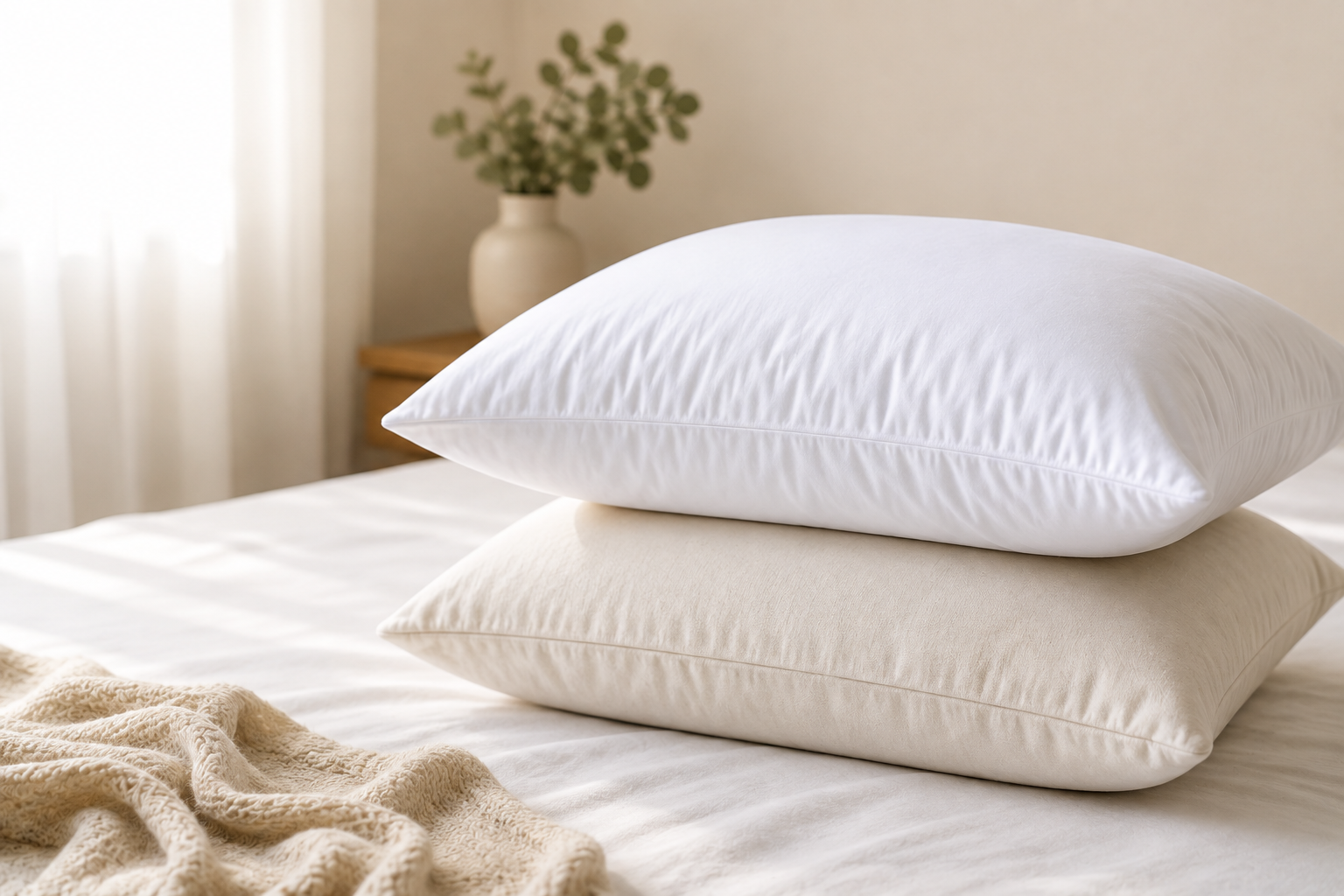
A great mattress can still leave you waking up sore if your pillow isn't doing its job. Your pillow determines the alignment of your cervical spine (neck) while you sleep, and misalignment here sends tension cascading down through your shoulders and upper back.
Side sleepers need a higher-loft, firmer pillow to fill the space between neck and shoulder. Back sleepers benefit from a medium-support pillow that keeps the head in a neutral position. Stomach sleepers should opt for something very low or flat. The wrong pillow can undo the work of even the best mattress. Our guide to The Best pillows for Neck pain Relief covers these considerations in detail, with options tailored to different sleep styles.
When a Topper or an Adjustment Might Help First
If your mattress is relatively new but feels slightly too firm or too soft, a Quality Mattress Topper can recalibrate the comfort level without the cost of a full replacement. A memory foam or latex topper adds a layer of pressure relief on top of a firmer mattress, while a firmer topper can help extend the life of one that's going slightly soft.
That said, a topper can't fix sagging or structural breakdown. If your mattress has visible body impressions or is more than a decade old, a topper is a short-term measure at best. At that point, a full mattress replacement is the more cost-effective long-term solution.
It's also worth checking your bed frame. A failing or poorly designed frame can cause an otherwise good mattress to sag unevenly, leading to exactly the kind of misaligned sleep surface that triggers morning back pain. If you're unsure whether the problem is the mattress or what's under it, our article on Whether to Replace your Bed Frame or Mattress helps you read the signs.
Could an Adjustable Bed Make a Difference?
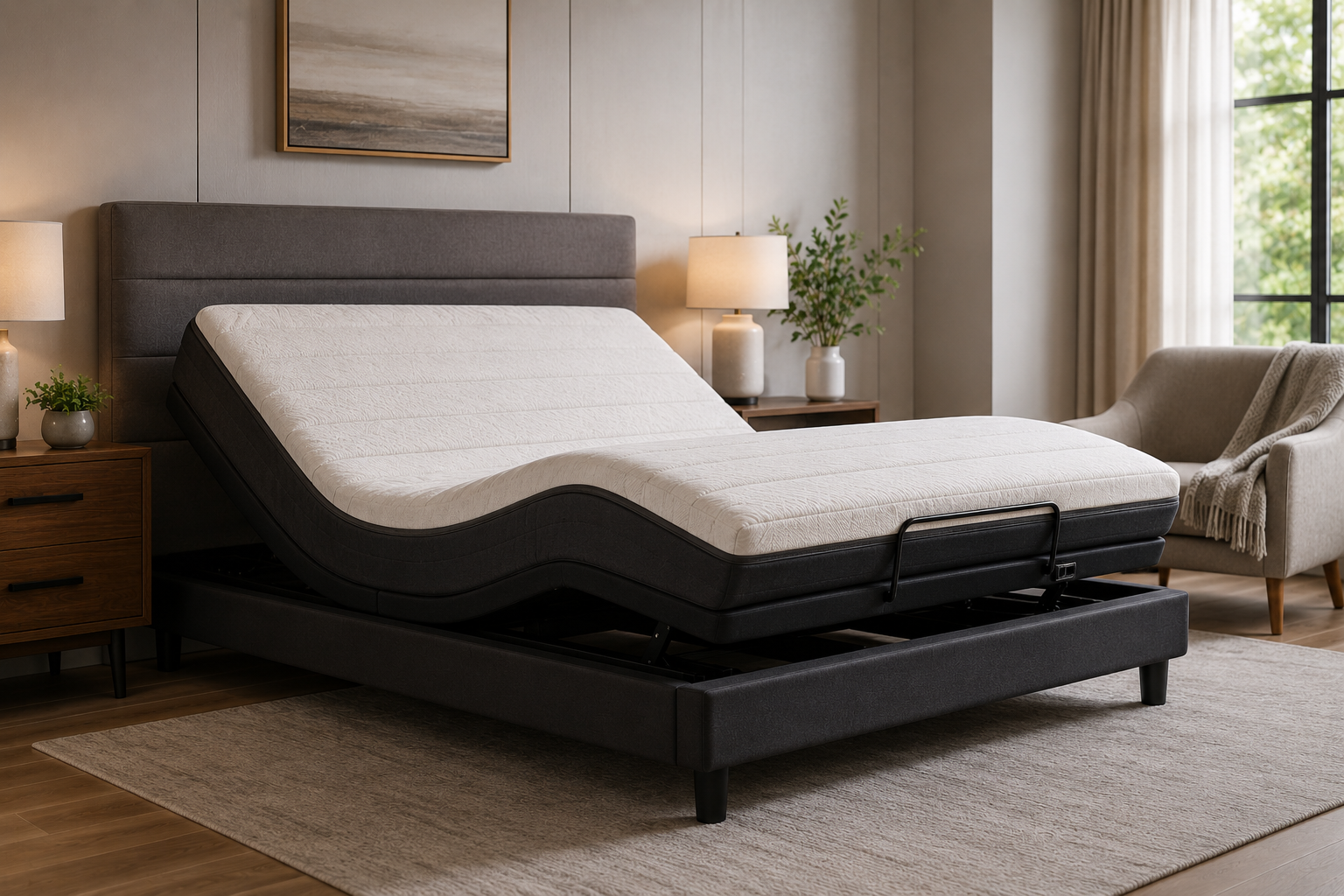
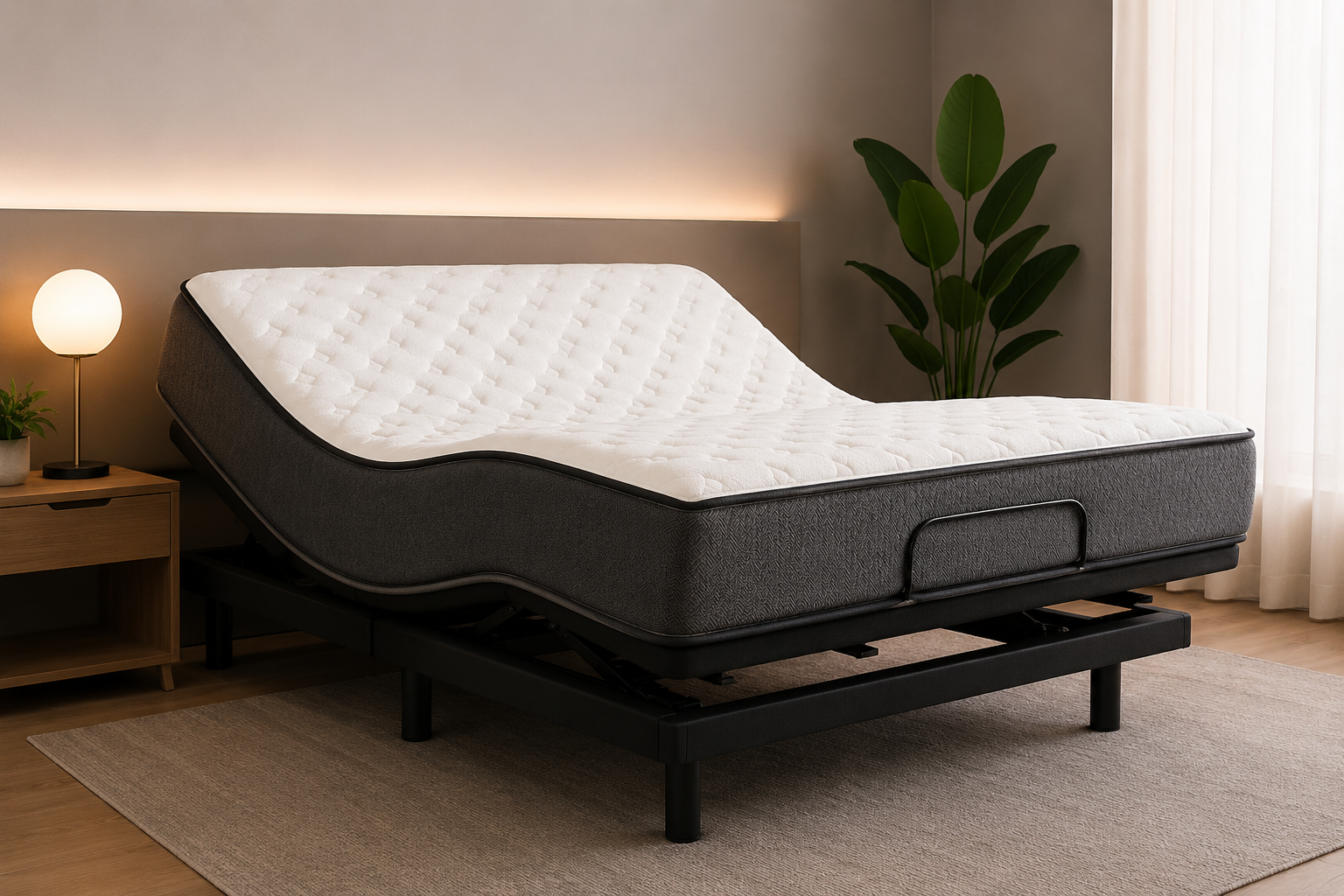
For people dealing with persistent or recurring back pain, especially those with conditions like sciatica, herniated discs, or arthritis, an Electric Adjustable Bed Base can be a meaningful upgrade. Being able to elevate the head or legs takes pressure off the lumbar spine and encourages a more natural resting position.
The "zero gravity" position, where both the head and legs are slightly elevated, is particularly effective at decompressing the spine during sleep. Our guide on Whether Adjustable Beds are Effective for Back pain Relief explores the evidence and what to look for when shopping.
Practical Steps to Take Right Now
If your mornings consistently involve back discomfort or stiffness, here's a straightforward action plan:
- Track your pain timing. Does it ease off within an hour of waking? If yes, your sleep surface is the most likely culprit.
- Check your mattress age and condition. Visible sagging, soft spots, or a mattress over 8–10 years old are clear signals it's time to look at replacing a worn-out sleep surface.
- Assess your sleep position and firmness match. Are you a side sleeper on a very firm mattress? Or a back sleeper sinking into something too soft? Firmness mismatch is one of the most common and fixable causes of sleep-related back pain.
- Review your pillow. A pillow that's too high, too flat, or too worn out can misalign your neck and contribute to upper and mid-back tension.
- Consider a trial period. Many quality mattresses come with comfort trial periods, use them. What feels comfortable in a showroom can feel very different after a week of use.
- If pain is ongoing and severe, see a professional. A GP, physiotherapist, or chiropractor can rule out structural causes and give you guidance on the type of support your body specifically needs.
Explore the Right Sleep Solution for Your Back
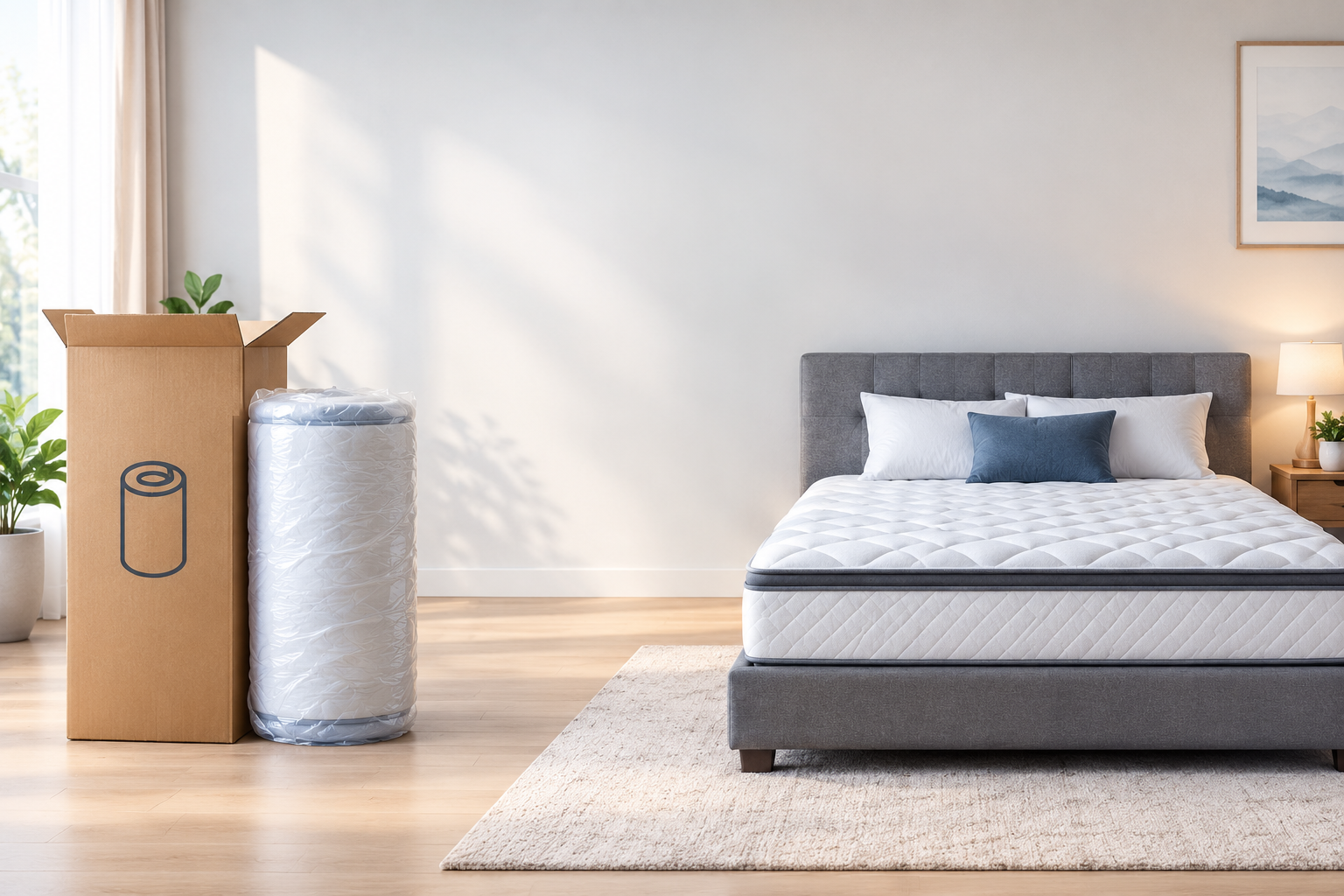
Whether you're dealing with occasional morning stiffness or something more persistent, the right sleep setup genuinely makes a difference. Bedworld's full mattress collection includes options across every firmness level, sleep style, and budget, from responsive orthopedic designs tailored for posture correction to hybrid constructions that blend support with cushioning comfort. You can also browse by feel, firm mattresses for those who need a firmer base and plush options for those who need more give and pressure relief.
And if you're not sure where to start, the team at Bedworld are happy to help you find the right match for your sleep style, health needs, and budget.