Cart
0
Do you spend the night throwing off the covers or bundling deeper into them? Whether you tend to overheat or feel the chill no matter the season, your sleep temperature has a much bigger impact on the quality of your rest than most people realise. And your mattress and bedding choices are right at the centre of it.
This guide is for anyone in Australia who's ever wondered why they can't quite get comfortable at night. We'll walk you through the real differences between hot and cold sleepers, what to look for in a Quality Sleep Surface, and how to build a sleep setup that works for your body not against it.
Are You a Hot Sleeper or a Cold Sleeper?
Most of us fall somewhere along a spectrum. Hot sleepers tend to wake up sweaty, kick off their covers during the night, or feel uncomfortably warm even when the room temperature is reasonable. Cold sleepers are the opposite, they're always reaching for an extra layer, feel the cold in their extremities, and often struggle to warm up enough to drift off comfortably.
Your sleep temperature is influenced by a mix of factors including metabolism, hormones, body weight, room ventilation, and even the medications you take. In Australia, where summers can be genuinely brutal and winters surprisingly cold depending on where you live, having the right sleep environment is especially important.
Signs You're a Hot Sleeper
- You regularly wake up sweaty or damp
- You push the covers off during the night
- You prefer to sleep with a fan or air conditioning on
- You feel warm even in cooler months
- You wake up more frequently than your partner
Signs You're a Cold Sleeper
- You're always hunting for another blanket
- Your feet and hands feel cold even in bed
- You take a long time to warm up after getting in
- You wake up feeling stiff from the chill
- You prefer heavier, warmer bedding year-round
Choosing a Mattress for Hot Sleepers
If you overheat during sleep, your mattress is often the first place to look. Dense, older-style foam mattresses are notorious for trapping body heat and reducing airflow and that's the last thing a hot sleeper needs.
Cooling Gel Mattresses
Gel-infused foam is specifically engineered to address this problem. The gel particles draw heat away from the body rather than letting it build up underneath you. Browsing a dedicated range of temperature-regulating sleep surfaces is a smart starting point for anyone who consistently sleeps warm. These mattresses often use open-cell foam structures that allow air to circulate through the mattress, which makes a noticeable difference on warmer nights.
Pocket Spring Mattresses
Individually wrapped coils are another excellent option for hot sleepers because the space between each spring naturally allows air to move through the mattress. A coil-based sleep system also tends to provide strong support without the heat-trapping quality of dense foam layers. Many hybrid models combine pocket springs with cooling gel foam on top, giving you the best of both worlds.
Natural Latex Mattresses
Latex is an inherently breathable material. It has an open-cell structure that promotes airflow, and it doesn't retain body heat the way synthetic foams do. If you prefer a responsive, natural feel rather than a deep "sink-in" sensation, a Natural Latex Sleep Surface is worth considering. It's also a good option for those who are sensitive to synthetic materials.
Quick Tip for Hot Sleepers
If you're not ready to replace your mattress, a Cooling Mattress Topper particularly one made with gel-infused memory foam or bamboo charcoal can significantly reduce surface heat and improve your sleep comfort without a full investment.
Choosing a Mattress for Cold Sleepers
For those who sleep cold, the priority is usually comfort and warmth retention rather than airflow. The goal is a mattress that feels cosy and enveloping, and that works in harmony with warmer bedding layers.
Plush and Medium-Feel Mattresses
A softer, more cushioning feel tends to suit cold sleepers well. Plush mattresses cradle the body more closely, which helps retain some warmth and feels gentler on pressure points during cooler nights. Exploring softer comfort options is a great first step if you consistently feel chilly in bed. Look for pillow-top or euro-top designs that add an extra layer of cushioning at the surface.
Memory Foam Layers
Traditional memory foam is known for conforming closely to the body, and that close contact actually helps retain warmth, making it a natural fit for cold sleepers. The material responds to your body heat and softens around you, creating a snug, insulating effect that many cold sleepers find extremely comfortable.
Quick Tip for Cold Sleepers
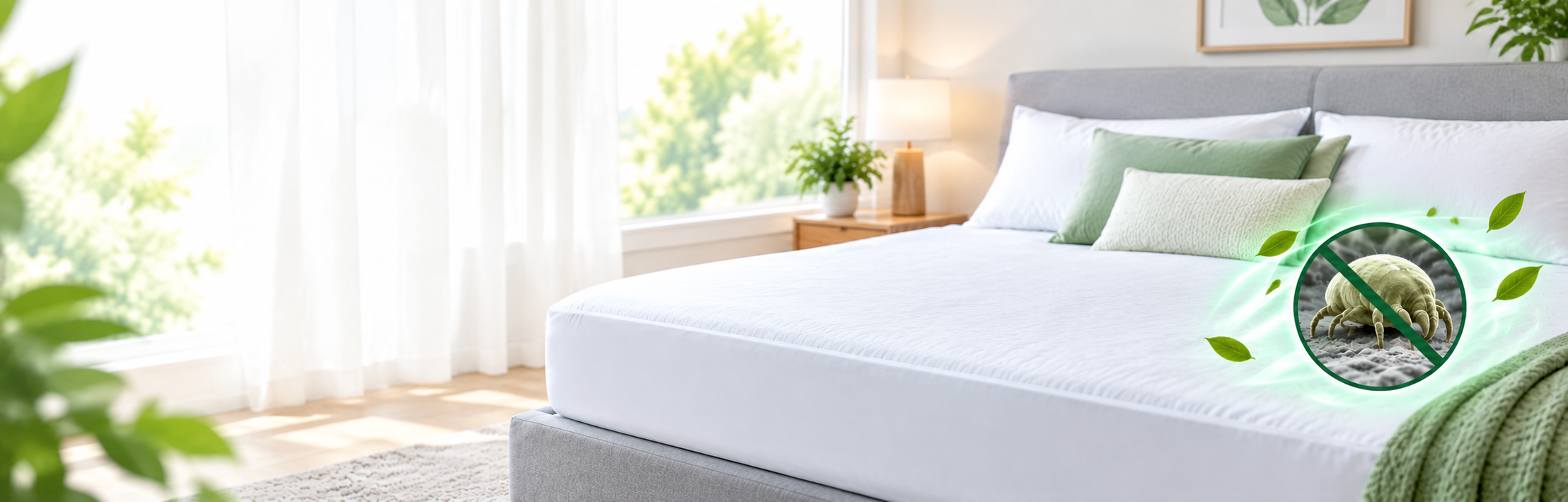
Layer your bedding thoughtfully. A quality mattress protector adds a small but noticeable layer of insulation, while a heavier wool or microfibre duvet on top can make an enormous difference. The Mattress protector Range at Bedworld includes options that add both warmth and surface comfort.
Mattress Firmness: Does It Matter for Temperature?
Firmness and temperature aren't directly linked, but they do interact in ways worth knowing. Softer mattresses tend to allow more body sinkage, which means more contact between your body and the sleep surface that can feel warmer for cold sleepers, but more suffocating for hot ones. Firmer mattresses keep you more "on top" of the surface, which can improve airflow around your body.
If you sleep hot and want firmer support, check out Firmer Mattress Styles that combine breathable materials with a more supportive feel. If temperature is your biggest concern and you sleep cold, a softer feel paired with the right bedding layers will usually do the trick.
At a Glance: Hot vs Cold Sleeper Comparison
|
Feature |
Hot Sleeper |
Cold Sleeper |
|
Best Mattress Type |
Cooling gel foam, pocket spring, latex |
Memory foam, plush pillow-top |
|
Ideal Firmness |
Medium to firm |
Soft to medium |
|
Recommended Topper |
Gel-infused or bamboo charcoal topper |
Wool or microfibre topper |
|
Preferred Bedding |
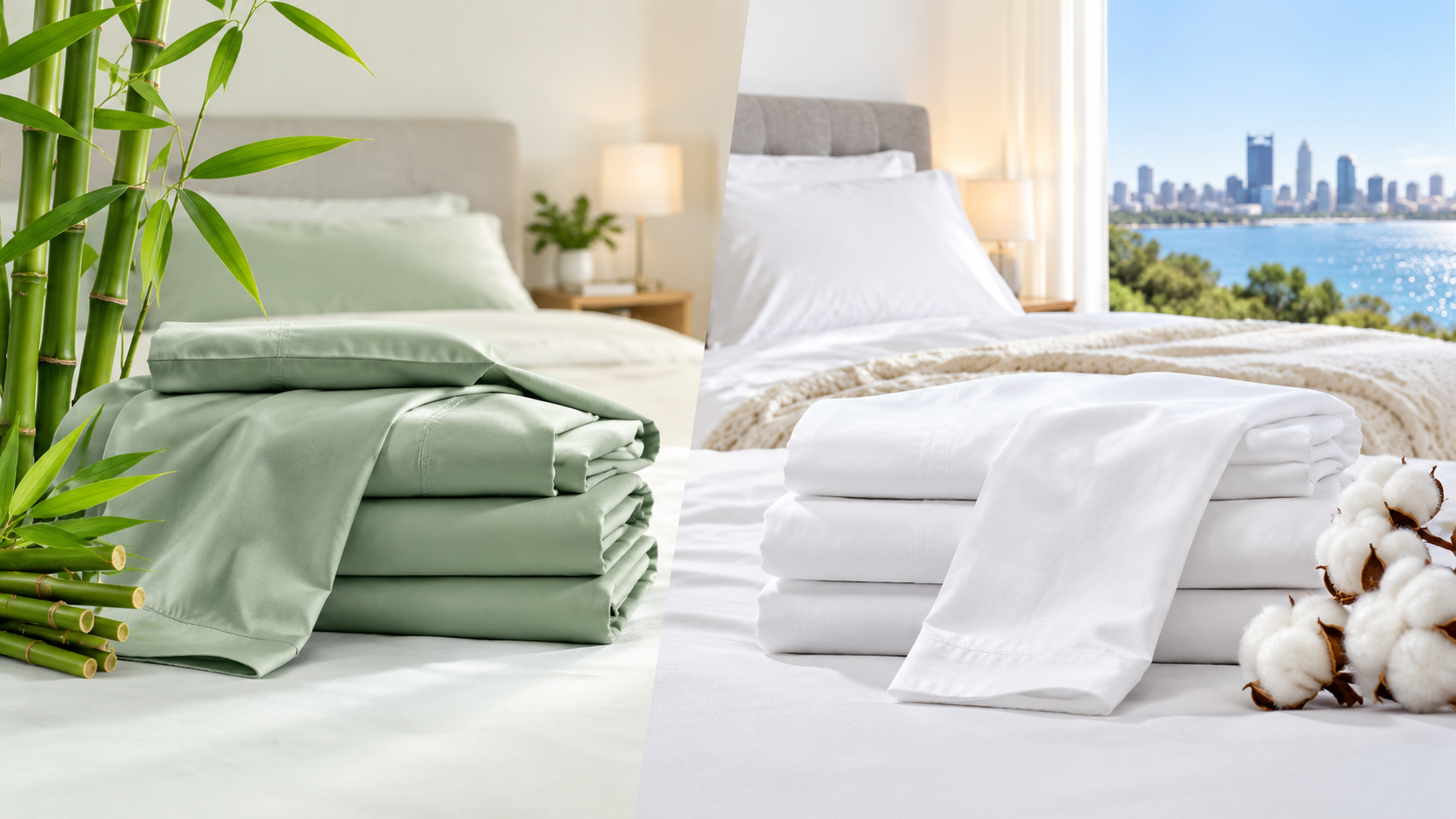
Bamboo, Tencel, or cotton; lightweight duvet |
Flannel, microfibre; heavier duvet |
|
Pillow Fill |
Gel memory foam or latex |
Memory foam or down alternative |
|
Room Temperature |
Cooler (fan or aircon preferred) |
Neutral to warm |
The Role of Pillows and Bedding Accessories
Your mattress is only part of the equation. What you sleep on and under matters just as much when it comes to temperature regulation. Getting your pillow choice right can genuinely transform the quality of your rest.
Pillows for Hot Sleepers
Look for breathable, open-cell foam or Cooling pillow Options with gel infusions or natural latex fill. These materials don't trap heat around your head and neck the way traditional polyester or dense foam does. Pillows with a bamboo or Tencel cover are also worth considering for their moisture-wicking properties.
Pillows for Cold Sleepers
Memory foam or down-alternative pillows provide more insulation and comfort for those who sleep cold. They tend to retain some warmth and conform closely to the neck and head, giving you that snug, supported feeling that cold sleepers often prefer.
- Breathable bamboo or cotton pillowcases help regulate overnight temperature
- Gel-infused foam pillows actively pull heat away from your head
- Latex pillows stay cool naturally and are resilient over time
- Down alternative options provide gentle warmth without overheating
What If You and Your Partner Sleep Differently?
This is one of the most common sleep challenges for couples. One person is kicking off the covers at midnight while the other is reaching for an extra blanket. There are a few practical ways to handle this without compromising either person's comfort.
The simplest approach is to choose a mattress that sits in the middle ground, a quality pocket spring or hybrid model provides breathability without feeling cold and then use separate bedding layers. Each person can sleep with their own duvet or blanket, tailored to their needs.
For couples who want a more tailored solution, Adjustable Bed Bases with independent controls allow each partner to customise their position, pressure, and in some models, their surface feel. It's a premium solution, but one that many couples find genuinely life-changing for their sleep quality.
You might also consider a split king setup, two separate mattresses placed side by side, so each person can choose exactly the right feel and temperature properties for their sleep type. A dedicated guide comparing split king versus standard king beds is a great resource to explore if you're considering this option.
Brands That Cater to Temperature-Sensitive Sleepers
Not all mattresses are created equal when it comes to thermal comfort. Some brands have invested heavily in cooling and temperature-regulating technologies, and they're worth knowing about before you buy.
-
Mlily: The Mlily range includes CarbonCool and Coollux models specifically built for hot sleepers, using advanced cooling foams and 3D cool-touch fabric covers.
-
Loren Williams: The Loren Williams collection is proudly made in WA and includes breathable pocket spring designs suited to Australia's varied climate.
-
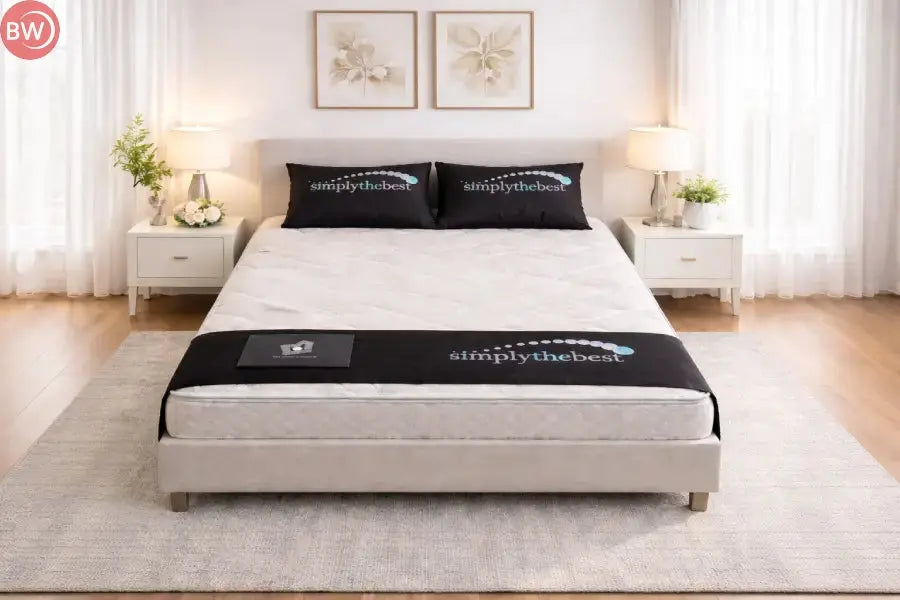
Slumbercare & Simply The Best: Both brands offer a wide range of comfort levels, from ultra-firm to plush, so you can match not just temperature preference but also your preferred sleep feel.
Not Sure Where to Start?
Browse Bedworld's full mattress range from cooling gel to plush pocket spring and find the perfect match for your sleep style