Cart
0
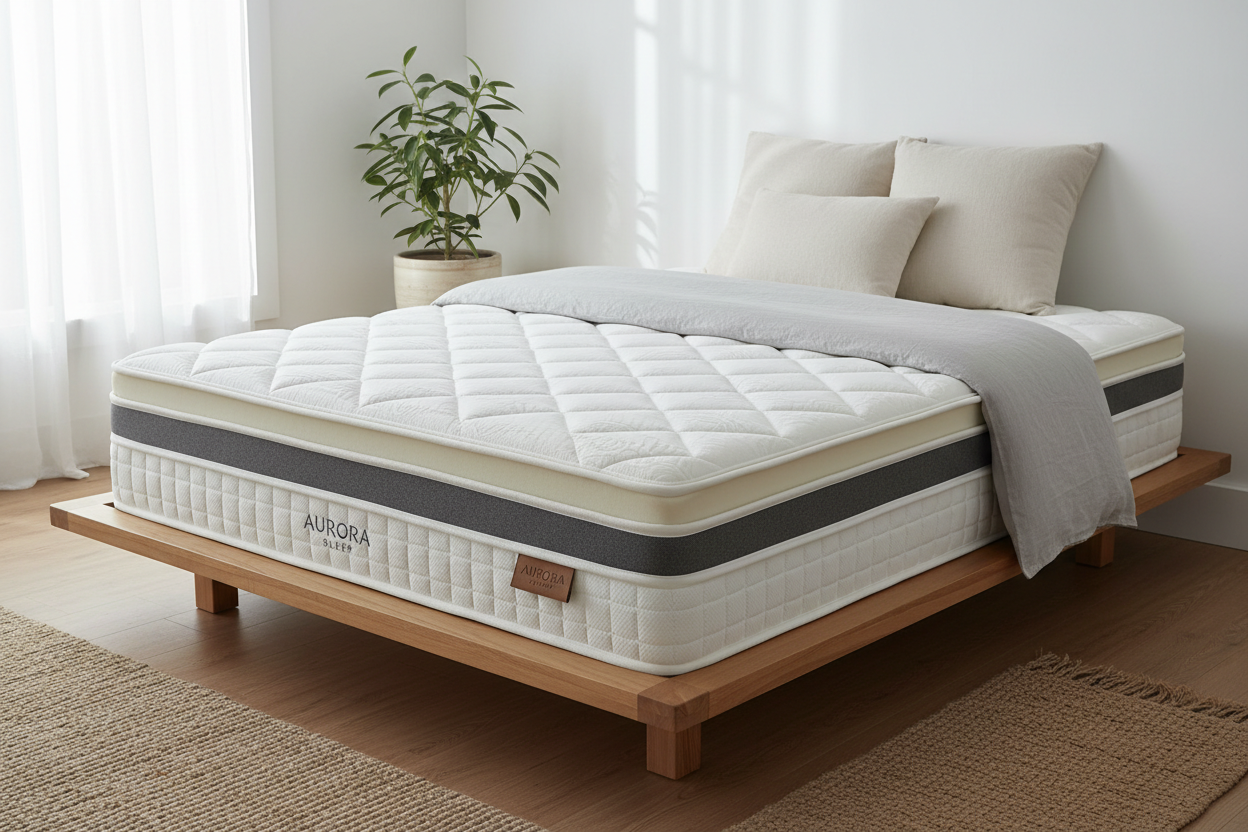
Knowing what the best orthopedic mattress in Perth starts with knowing what these mattresses are built to do. They support spinal alignment, reduce pressure across your body, and help maintain a neutral posture throughout the night. People dealing with back discomfort, joint sensitivity, or poor sleep quality are often drawn to them, and for good reason. The right choice comes down to construction, firmness level, and how well a mattress suits your body type and sleeping position.
Key Takeaways
-
Orthopedic mattresses use zoned support systems and high-density foams to keep the spine properly aligned during sleep, which helps reduce morning stiffness and pressure pain.
-
Firmness and support are not the same thing, and choosing the wrong firmness level for your body weight or sleep position can worsen discomfort rather than relieve it.
-
A wide range of sleepers benefits from orthopedic mattresses, including older adults, side sleepers, office workers with postural strain, and anyone seeking preventive spinal support.
-
Testing a mattress before committing, checking trial period terms, and comparing construction quality all lead to better long-term outcomes than choosing on price alone.
What Features Should the Best Orthopedic Mattress in Perth Include?
An orthopedic mattress is built differently from a standard comfort mattress. The focus is on how body weight is distributed across the surface and how consistently the mattress supports the spine throughout the night. Good construction starts from the support core outward, rather than relying on a plush top layer to do the heavy lifting. Browsing the Mattress Collection in Perth provides a clear picture of how different build types compare across brands and price points.
Key features worth looking for include:
-
Zoned support systems that deliver targeted firmness under heavier zones like hips and shoulders
-
High-density support foams that resist compression over time and hold their shape under regular use
-
Pocket spring support cores, where individual springs respond independently to movement and body shape
-
Pressure-relieving comfort layers that cushion joints without letting the body sink out of alignment
-
Motion isolation technology that prevents movement on one side from disturbing the other
-
Edge support reinforcement to prevent sagging at the perimeter and maintain a stable sleep surface
-
Breathable and cooling materials that regulate temperature and reduce heat retention during sleep
-
Durable mattress construction using dense, resilient materials that perform consistently over years of use
These features work together rather than independently. A pocket spring core without adequate comfort layering puts pressure on joints. Thick foam comfort layers without a strong support core allow the spine to sag. The balance between the two is where good orthopedic design sits. Many buyers also find it useful to read about the Six core benefits of buying an orthopedic mattress before narrowing down options.
One distinction worth understanding early is that orthopedic support comes from the mattress's structural foundation, not from how soft or padded the surface feels. Many buyers confuse a plush feel with good support. The Key Differences Between Back Support and Orthopedic Mattresses are worth reviewing before making a final call, as the two terms are often used interchangeably but refer to different things.
How Does an Orthopedic Mattress Support Spinal Alignment and Posture?
The spine has a natural S-shaped curve. During sleep, a mattress that pushes back too hard or sinks too deeply can cause the curve to shift, putting strain on muscles and ligaments for several hours. An orthopedic mattress is built to keep that curve in a supported, neutral position regardless of sleep position.
Body weight does not spread evenly across a mattress surface. The hips and shoulders carry the most load, and those zones need enough give to let the joints settle without pulling the rest of the body with them. When the support core responds appropriately to those heavier points, the lighter zones, such as the lumbar region and knees, stay lifted and properly supported rather than falling into a gap. Poor sleep posture driven by inadequate mattress support is one of the more overlooked causes of recurring neck and lower back pain.
Inadequate spinal alignment during sleep shows up in predictable ways. Waking with lower back stiffness that eases after 20 to 30 minutes of movement is one of the most consistent signs. Shoulder or hip soreness that has no obvious daytime cause is another. Restless sleep, frequent position changes throughout the night, and a pattern of always ending up in one particular spot on the mattress can all point to a surface that is not evenly supporting the body. Mattress-related back and neck pain is often missed because the connection between sleep surface and morning discomfort is not immediately obvious to most people.
For back sleepers, a mattress that supports the lumbar curve without pushing it upward keeps the lower back comfortable through the night. For side sleepers, enough surface support at the shoulder and hip allows the spine to remain straight and horizontal. Stomach sleeping generally places the most strain on the lumbar region, which is why a firmer surface is needed to prevent the midsection from dropping. How spinal load varies across mattress types is a useful read for anyone with sciatica or persistent lower back issues.
Which Mattress Firmness Is Best for Orthopedic Support?
Firmness describes how a mattress feels against the body. Support is what the internal structure delivers beneath that surface. A mattress can feel quite firm but offer poor structural support, or feel medium-soft while still maintaining proper spinal alignment. Confusing the two is one of the most common mattress-buying errors, and the soft-versus-firm mattress guide explains this distinction clearly.
Firmness requirements vary depending on body weight, sleeping position, and personal comfort preference. Here is how the common firmness levels map to orthopedic needs:
|
Firmness Level |
Best For |
Orthopedic Benefit |
|
Soft-Medium |
Lightweight side sleepers |
Pressure relief at the shoulder and hip |
|
Medium |
Combination sleepers |
Balanced comfort with adequate support |
|
Medium-Firm |
Back sleepers and average-weight adults |
Improved lumbar support and spinal alignment |
|
Firm |
Heavier individuals and stomach sleepers |
Prevents midsection sag, maintains posture |
Medium-firm is the most widely recommended starting point for orthopedic support. Australian Mattress Buying Guides consistently point to this firmness range as suitable for most adults seeking better spinal support. That said, a lighter person on a firm mattress may experience pressure buildup at the hips and shoulders because the surface does not give enough for those joints to settle comfortably. A heavier person on a soft mattress risks the hips sinking too far, tipping the pelvis and pulling the lumbar region out of alignment.
Body weight is a factor that many buyers skip when choosing firmness. A mattress rated medium-firm by the manufacturer performs differently depending on the load it supports. Testing in person, or selecting a mattress with a generous trial period, removes much of that uncertainty before you commit.
Who Can Benefit Most from Using an Orthopedic Mattress in Perth?
Orthopedic mattresses are not only for people already dealing with pain. Their design benefits a wide range of sleepers, including those who want to protect their spines before problems develop. The growing interest in preventative sleep health has brought many younger and middle-aged buyers into this category alongside older adults and those managing chronic conditions.
People who commonly benefit most include:
-
People with recurring back discomfort where a poor sleep surface is contributing to daily pain cycles
-
Side sleepers who need enough surface area to accommodate the shoulder and hip without losing spinal support
-
Older adults whose joints are less tolerant of pressure and require more precise support through the night
-
Athletes recovering from physical activity, as proper spinal and joint positioning during sleep supports tissue recovery
-
Office workers with postural strain who spend extended hours seated and carry that tension into their sleep
-
Anyone seeking preventative spinal support, particularly those with a family history of spinal conditions or sedentary lifestyles
If you want to compare orthopedic options alongside premium builds, the best luxury mattresses in Perth cover a range where orthopedic support and high-end comfort overlap. Osteopathic perspectives on sleep surface and spinal health reinforce that the mattress surface is one of the most impactful daily variables in musculoskeletal function, with many patients reporting improvement after switching to a better-suited sleep surface.
How Do You Choose the Best Orthopedic Mattress in Perth for Your Sleep Needs?
Selecting the right orthopedic mattress takes more than choosing the firmest or most expensive option available. It involves matching the mattress construction to your specific sleep habits, body type, and comfort requirements. Skipping this process is one of the Most Common Mattress Buying Mistakes Perth buyers make.
A clear buying process covers these factors:
-
Sleeping position, because back, side, stomach, and combination sleepers each need different surface response and support depth
-
Body weight, since heavier bodies compress foam and spring systems more and shift the effective firmness level
-
Mattress construction, such as pocket spring, memory foam, latex, and hybrid builds each behaves differently under load
-
Pressure relief requirements, particularly for those with hip, shoulder, or joint sensitivity who need more give at contact points
-
Cooling features, including gel infusions, open-cell foams, and breathable covers, matter more during Perth’s warmer months
-
Trial periods and warranties, since a 100-night trial is worth seeking, because a mattress often performs differently after a week of full use
-
Budget and long-term value, given that a mattress lasting eight to ten years with strong support offers better value than a cheaper option that sags within two years
Mlily Mattress offers memory foam and hybrid builds designed around pressure relief and spinal support. Loren Williams Mattresses in Perth carry structured pocket spring systems with targeted comfort layers suited to a range of sleeping positions. Slumber Care Mattresses in Perth are worth considering for buyers prioritising long-term durability alongside reliable spinal support.
Trial periods matter more than many buyers realise. The body takes time to adjust to a new sleep surface, and first impressions in a showroom do not always reflect how a mattress performs through a full night. Australian mattress reviews and comparisons consistently show that satisfaction is higher among buyers who sleep on a mattress for at least four weeks before forming a final opinion.
Why Are Orthopedic Mattresses Becoming More Popular in Perth?
Perth consumers are increasingly aware that sleep quality has a direct bearing on physical health and that the mattress surface is a significant variable in that equation. Back pain and the role of sleep surfaces are no longer niche health concerns. It sits alongside nutrition and regular movement as a recognised part of physical wellbeing.
Demand for support-focused mattresses has grown alongside broader awareness of sleep ergonomics. More people spend longer hours seated at desks, which creates postural stress that carries directly into the bedroom. Waking from sleep still tired, stiff, or in pain prompts many Perth buyers to look more closely at their mattress rather than their sleep schedule or pillow. What makes a mattress genuinely suitable for a bad back helps buyers move past surface-level comparisons and focus on what a mattress delivers structurally.
Orthopedic mattresses also represent a health-led investment that many buyers now approach differently. A quality mattress used for eight hours a night for ten years costs a fraction of most daily spending. How to find the right mattress in Australia covers this long-view approach and is a useful reference for anyone comparing options across brands and builds. Perth buyers ready to compare in person will find a strong range of orthopedic and support-focused mattresses across multiple brands and firmness levels at the Mattress Store in Perth.