Cart
0
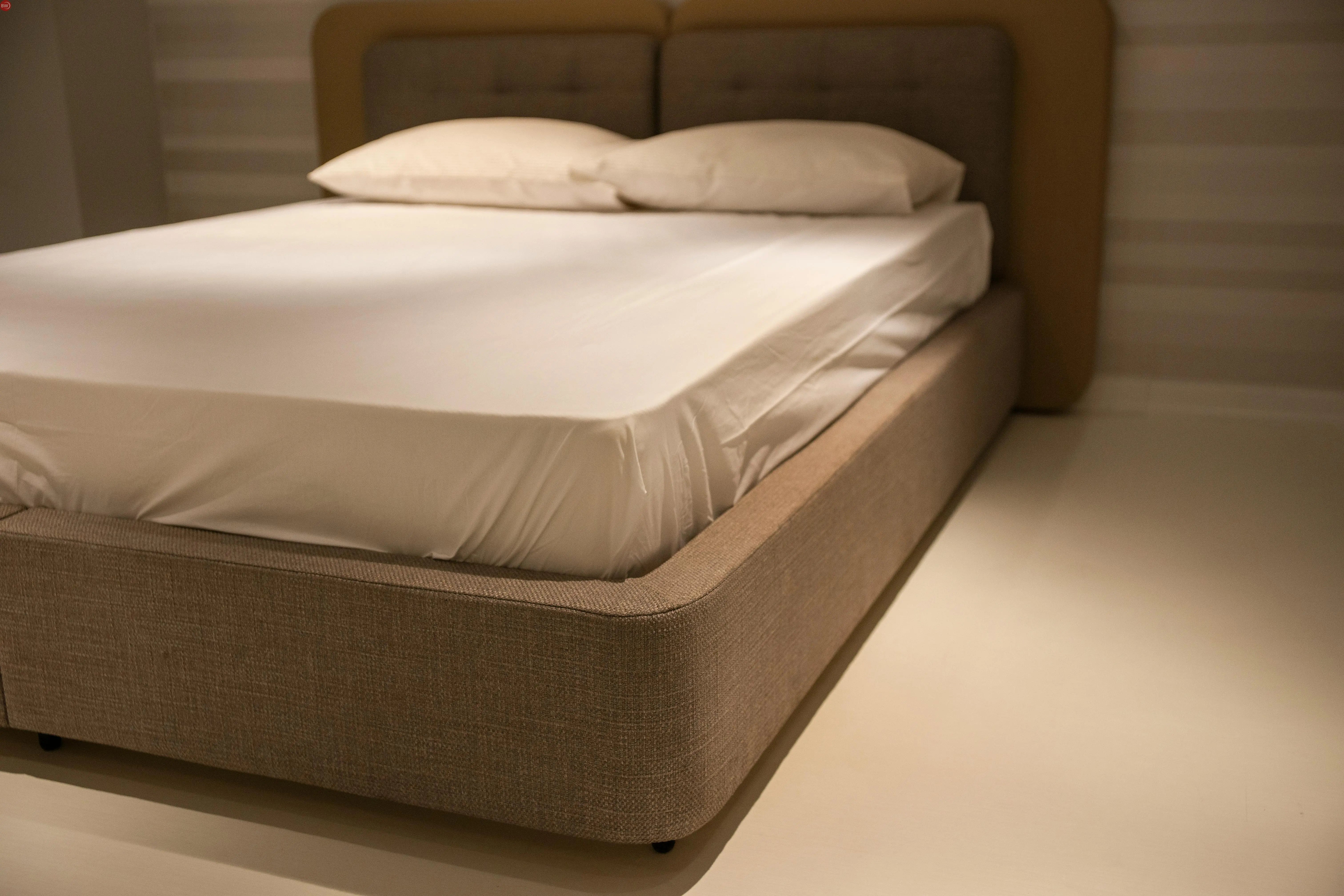
A sagging mattress often triggers back pain by knocking the spine out of line. Uneven support strains back muscles and joints each night. Over time, this leads to stiffness, broken sleep, and ongoing lower back discomfort. Replacing a worn mattress usually restores proper alignment and recovery.
Key Takeaways
-
A sagging mattress shifts the spine into unnatural angles and strains back muscles night after night.
-
Early warning signs include visible surface dips, frequent morning back pain, and restless sleep throughout the week.
-
Replacing a worn mattress can ease back pain and stiffness within a few weeks of regular use.
-
Most quality mattresses lose proper support after 7 to 10 years and need to be replaced soon after.
Can Sagging Mattress Back Pain Damage Your Spine and Back Muscles Over Time?
Years of sleep on a worn surface can leave a real mark on the back. The spine relies on even support across its full length to rest properly each night.
When the surface dips, your back drops into uneven angles for hours at a time. The spine cannot hold its natural curve, so muscles fight to compensate. Joints stay locked in awkward positions through the night. This nightly strain repeats for years if the bed stays the same.
Long use of a worn mattress can shorten muscle recovery and harden poor posture habits. Morning stiffness lasts longer because the spine never decompresses fully during sleep. Many people notice the discomfort spreads from the lower back into the hips and shoulders. Some develop chronic pain that lingers throughout the day. Poor sleep surfaces can also trigger lower back issues that worsen over time.
What Are the Early Signs That a Sagging Mattress Is Causing Back Pain?
Catching the warning signs early helps you act before the problem grows. Most sleepers miss the small clues until pain becomes constant. A quick check of your bed and your morning habits can tell you a lot.
The list below covers the most common early signs of a worn mattress.
-
Visible dips or hollow spots appear in the mattress surface when no one is lying on it.
-
Lower back, hip, or shoulder pain greets you most mornings as soon as you wake up.
-
You sleep more soundly on a firm sofa, a hotel bed, or a guest mattress in another house.
-
The bed feels unsupportive, and you feel stuck in certain sleep positions through the night.
-
You toss and turn far more than you used to and wake up feeling unrested.
These changes show the mattress has lost its core support over time. Once the structure fails, sleep posture follows quickly. Early replacement protects your back from longer-term harm and keeps your sleep on track.
Why Does Sleeping on a Sagging Mattress Worsen Lower Back Pain?
Lower back pain often starts where the mattress dips most. The middle section bears the heaviest load from your hips and torso through the night.
When that area weakens, the spine sinks below the shoulders and feet. The result is a curved, strained posture for hours each night. This nightly imbalance keeps muscles tense instead of relaxed. Without full rest, recovery slows, and pain builds over the days.
Back problems are among the most common chronic conditions in Australia, Affecting Around 4 Million Australians. Side and back sleepers feel the most mid-mattress sagging because their hips drop the deepest. Switching to a Firm Hybrid Mattress with Cooling Technology often eases pressure on the lumbar curve. Better support gives back muscles a chance to release at night.
There's also a recovery angle worth thinking about. Muscles repair best when the spine sits in a neutral line. A sagging surface forces the back into a curved hold all night. Without that flat alignment, tension builds up in the lumbar muscles. Heavier sleepers and stomach sleepers often gain the most from an Ultra Firm Queen Mattress. The firmer surface resists deep sinkage at the midsection. That extra support keeps the pelvis lifted and the lower back relaxed.
How Does a Sagging Mattress Affect Sleep Posture and Muscle Recovery?
Good sleep posture allows muscles to relax and repair throughout the night. When the surface dips, that natural rest never happens. The body keeps working through the night instead of recovering for the next day.
The list below shows how a worn mattress disrupts posture and muscle recovery.
-
The spine is out of alignment across all sleep stages, rather than maintaining its natural curve.
-
Hips and shoulders take uneven pressure because the dip pulls the heaviest parts of the body down.
-
Muscles cannot fully relax during deep sleep when the surface keeps shifting underneath the body.
-
Micro-awakenings increase as the body continues to adjust its position throughout the night in search of support.
-
Recovery from daily physical strain slows because the body never reaches deep restorative sleep.
Constant minor adjustments fragment the sleep cycle and reduce deep rest. Over weeks, this builds fatigue and limits muscle recovery. A breathable Tencel mattress for cooling comfort can help keep the body cool and well-supported. Better surface support means fewer wake-ups and longer deep sleep stages.
Can Replacing a Sagging Mattress Help Relieve Chronic Back Pain?
Replacing a worn mattress restores even support across the back. Many people find that back pain from a sagging mattress eases once spinal alignment returns. Most sleepers feel a real difference within the first few weeks of switching beds.
Sleep quality often improves when muscles have a chance to relax fully. Morning stiffness fades, and energy levels throughout the day pick up. Browsing a range like Simply the best mattresses can help you compare support levels for your sleep style.
The table below shows what tends to shift after replacing a worn mattress.
|
Factor |
Sagging Mattress |
New Supportive Mattress |
|
Spinal alignment |
Poor |
Improved |
|
Back pain level |
Higher |
Reduced |
|
Sleep quality |
Interrupted |
Stable |
|
Muscle recovery |
Limited |
Better |
When Should You Replace a Sagging Mattress?
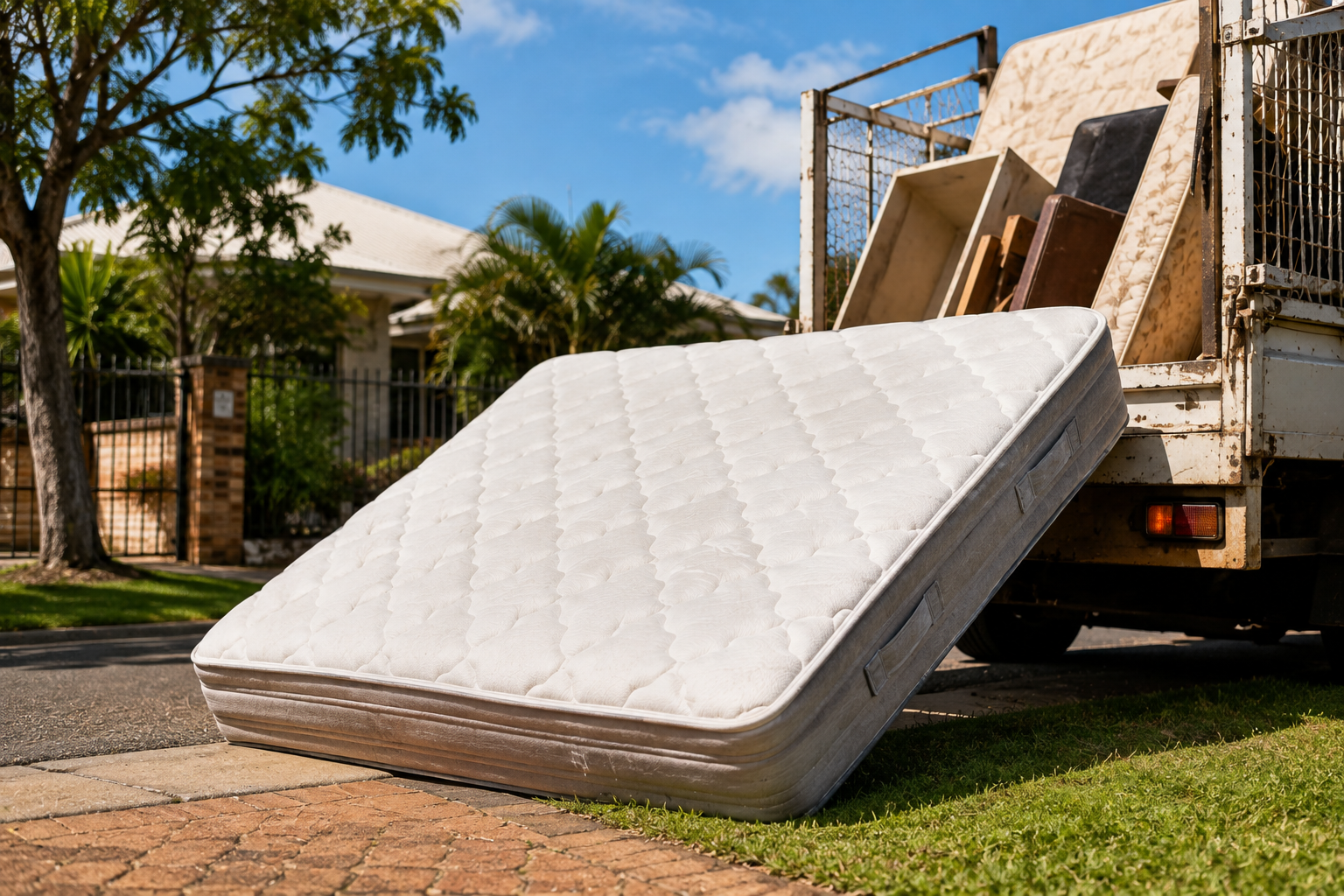
Most mattresses lose proper support after 7 to 10 years of use. Material quality, body weight, and frequency of use all affect this lifespan. Watching for clear signs makes the timing easier to judge.
The list below covers the strongest signs that your mattress needs replacing soon.
-
Visible sagging, indentations, or hollow spots stretch across the surface of the bed.
-
Back pain or stiffness greets you most mornings, even after a full night of sleep.
-
The mattress has been in regular nightly use for 7 to 10 years.
-
The sleeping surface feels uneven, and you can feel the dip when you lie down.
Acting early stops the slide from minor stiffness into chronic pain. Sleep quality often returns within weeks of upgrading the bed. Pair the new mattress with simple habits to improve sleep quality and routine for stronger, long-term results.
Conclusion
A sagging mattress often causes back pain by disrupting the spine and straining muscles throughout the night. Spotting the early signs and acting on them protects your sleep and your long-term comfort. If your bed dips, you wake stiff, or it sits past its prime, plan a replacement soon. A supportive mattress allows the body to rest and recover the way it should.