Cart
0

The best mattress firmness for spinal alignment is typically medium-firm. It supports the spine’s natural curve while keeping pressure points under control. Most sleepers land somewhere between needing full cushioning and firm resistance. Body type and sleep position both shift that ideal point. Understanding the options leads to a better decision than guessing based on showroom feel.
Key Takeaways
-
Mattress firmness controls how far the body sinks, which directly determines whether the spine rests in a neutral position or curves into misalignment overnight.
-
Medium-firm is the most widely recommended firmness for spinal alignment and suits the broadest range of body types and sleep positions.
-
Side sleepers need softer options for shoulder and hip contouring, while heavier sleepers and back sleepers generally need firmer resistance to prevent excessive sinking.
-
Firmness-related discomfort typically develops within 2 to 3 weeks of use and is one of the most common causes of poor sleep quality and back pain.
How Does Mattress Firmness Affect Spinal Alignment and Posture?
Firmness controls how far the body sinks into a mattress. That depth determines whether the spine rests in a neutral position or curves away from it. Get the firmness wrong in either direction, and the muscles around the spine work overtime to compensate. That compensation during sleep produces the stiffness and soreness many people wake up with every morning.
A mattress that is too soft lets the heaviest parts sink deeper than they should. Hips drop below the shoulders. The lumbar region sags. A mattress that is too firm does the opposite. It pushes back against the body’s natural curves rather than supporting them. Neither extreme gives the spine the neutral resting position it needs to recover overnight.
Correct firmness holds the spine in a straight, relaxed line from the neck to the lower back. Surrounding muscles release tension. Joints decompress. Proper recovery happens through the night. For side sleepers, especially, even a small firmness mismatch shifts spinal pressure significantly. Both the shoulder and hip carry an uneven load. The mid-spine compensates with a slight curve that tightens over hours.
Research published in Healthline confirms that mattress surface type directly influences spinal positioning during sleep. Medium-firm options produce the most consistent results across different sleeper profiles. A 2015 study in Sleep Science found that medium-firm mattresses reduced pain and improved sleep quality in people with musculoskeletal discomfort.
Comparing Natural Support Mattresses across different firmness levels makes the performance differences clear. Back pain and postural support needs become easier to match once options sit side by side.
Is a Firm or Medium Mattress Better for Spinal Alignment?
Medium-firm mattresses suit the widest range of sleepers and body types. They prevent the spine from sagging while still contouring to the natural curves of the hips and shoulders. Firm mattresses serve a narrower group well. They work best for heavier sleepers and dedicated back sleepers who need strong resistance to prevent sinking.
|
Feature |
Firm Mattress |
Medium Mattress |
|
Spinal support |
High for back sleepers |
Balanced for most sleepers |
|
Pressure relief |
Low |
Moderate to high |
|
Comfort level |
Less contouring |
More adaptive |
|
Ideal users |
Heavier sleepers, back sleepers |
General users, side sleepers |
A firm mattress on a lighter-framed side sleeper creates concentrated pressure at the hip and shoulder. The spine tilts rather than rests straight. A medium mattress on a heavier back sleeper allows too much sinkage at the hips. The lumbar spine loses alignment as the pelvis drops. Matching firmness to body weight and position produces better outcomes than choosing based on feel alone.
Trying both options side by side is the fastest way to land on the right choice. Understanding The Difference Between Soft and Firm Comfort Levels helps clarify how each feels under different body types.
What Mattress Firmness Works Best for Back and Side Sleepers?
Sleep position directly influences how much support and cushioning a mattress needs to provide. A back sleeper and a side sleeper place their weight on the mattress very differently. The ideal firmness level shifts accordingly. Getting this wrong means pressure builds in the wrong areas through the night.
Firmness recommendations by sleep position:
-
Back sleepers benefit from medium-firm to firm support that holds the lumbar curve without allowing the hips to sink.
-
Side sleepers need medium or medium-soft firmness so the shoulder and hip compress into the surface, and the spine stays level.
-
Stomach sleepers need firm support to prevent the hips from sinking, which can strain the lower back.
-
Combination sleepers do best on medium-firm options that adapt across multiple positions through the night.
Incorrect firmness for the sleep position creates specific problems. A side sleeper on a firm mattress develops shoulder and hip pressure that builds across the night. The spine compensates by curving laterally. A back sleeper on a surface that is too soft loses lumbar support as the hips sink.
Forward pelvic tilt develops and strains the lower back through the night. Side sleepers face the highest pressure imbalance when firmness exceeds their support needs. For side sleepers who also sleep warm, an affordable cooling mattress with support at a medium firmness meets both needs.
How Do You Choose the Best Mattress Firmness for Your Body Type?
Body weight changes how a mattress feels and how well it supports the spine. A lighter person lying on a firm mattress barely compresses the surface. Shape holds, but contouring disappears. The spine rests on top rather than sitting within its natural curves. A heavier person on a softer mattress sinks through the comfort layers into a base without structure.
Firmness by body type:
-
Lightweight sleepers (under 60 kg) generally do better on softer to medium firmness that allows adequate contouring
-
Average weight sleepers (60–90 kg) typically suit medium-firm options that balance support and pressure relief
-
Heavier sleepers (over 90 kg) need firm support to prevent excessive sinking and maintain proper alignment
-
Taller sleepers often benefit from zoned support mattresses that address different load requirements across longer body sections.
Mattress materials also shift the perceived and actual firmness. A latex mattress at medium firmness feels more responsive than memory foam at the same rating. Memory foam conforms more slowly and deeply. Hybrid mattresses with pocket-spring bases and foam comfort layers again offer a different firmness profile. The support layer beneath carries equal weight to the comfort layer above.
A luxury plush mattress for deep comfort, with a high-quality support core, shows this in practice. Surface softness and internal structure work together to deliver both comfort and alignment.
Two in three Australian adults experience at least one sleep problem. Choosing the right firmness directly addresses one of the most common and fixable causes.
Can the Wrong Mattress Firmness Cause Poor Spinal Alignment and Back Pain?
Firmness mismatches cause spinal misalignment through a simple mechanical process. Excessive sinkage curves the spine downward. Insufficient sinkage leaves the spine sitting above its natural position, unsupported below. Both scenarios place sustained load on muscles, ligaments, and discs throughout the hours spent sleeping. Sustained load without recovery produces pain.
The long-term effects extend beyond morning stiffness. Chronic back pain, reduced spinal mobility, and worsening sleep quality all develop from sustained firmness mismatches. Deep sleep stages suffer because the body cannot fully relax. The muscle tension that builds overnight carries into the day and compounds over time.
Symptoms that often point to firmness as the problem include:
-
Morning back or shoulder pain that eases after moving around for an hour
-
Tossing and turning through the night as the body searches for a comfortable position
-
Persistent pressure points at the hips or shoulders
-
Waking feeling unrested despite a full night of sleep
-
Visible mattress sinking at the primary sleep zone or discomfort from an overly hard surface
Most firmness-related discomfort appears within the first two to three weeks of use. Symptoms tied to waking from sleep point to firmness as a likely cause. Consider it before other explanations. Beyond firmness, the mattress surface itself may also contribute to back pain.
Mattress Firmness Comparison Guide for Spinal Alignment
Different firmness levels suit different sleepers for specific reasons. This table gives a clear starting point for matching firmness to sleep needs.
|
Firmness Level |
Best For |
Spinal Support |
Comfort Level |
|
Soft |
Lightweight side sleepers |
Low |
High cushioning |
|
Medium |
General users, side sleepers |
Balanced |
Comfortable |
|
Medium-firm |
Back pain relief, most sleepers |
High |
Balanced support |
|
Firm |
Heavy sleepers, back sleepers |
Very high |
Low cushioning |
Soft options cushion well but lack the structural support spinal alignment requires for most adults. Medium works for a wide range of sleepers but may not provide enough resistance for heavier bodies. Medium-firm covers the largest proportion of sleep needs and body types. Firm suits specific profiles well. It can create pressure issues for lighter sleepers or side sleepers.
Getting the Best Mattress Firmness Right
Choosing the best mattress firmness plays a direct role in maintaining spinal alignment, reducing pressure points, and improving overall sleep quality. Medium-firm is a good starting point for most sleepers. Body type and sleep position refine the choice from there.
Assessing your current sleep symptoms honestly is the most practical starting point. Morning stiffness, shoulder pain, or persistent lower back discomfort all signal that the firmness level needs to be reviewed. Sleep scientist Matthew Walker describes sleep as the body’s most powerful daily reset. According to sleep quality and hygiene tips published in PerthNow, getting the right sleep surface is foundational to that process.
How you arrange your bedroom also plays a part. Poor layout can disrupt sleep quality even on the right mattress, and bedroom arrangement directly affects how well you rest at night.
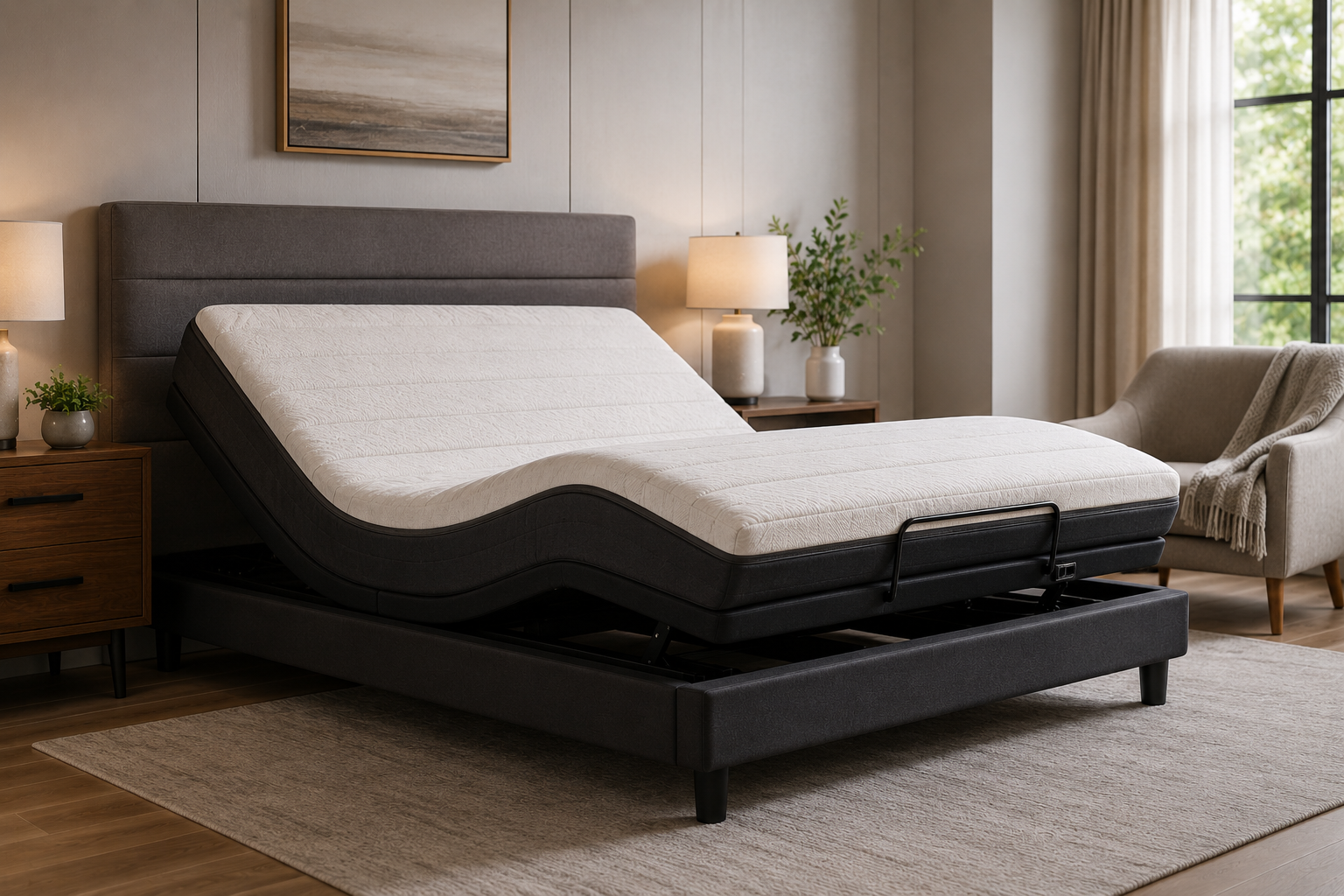
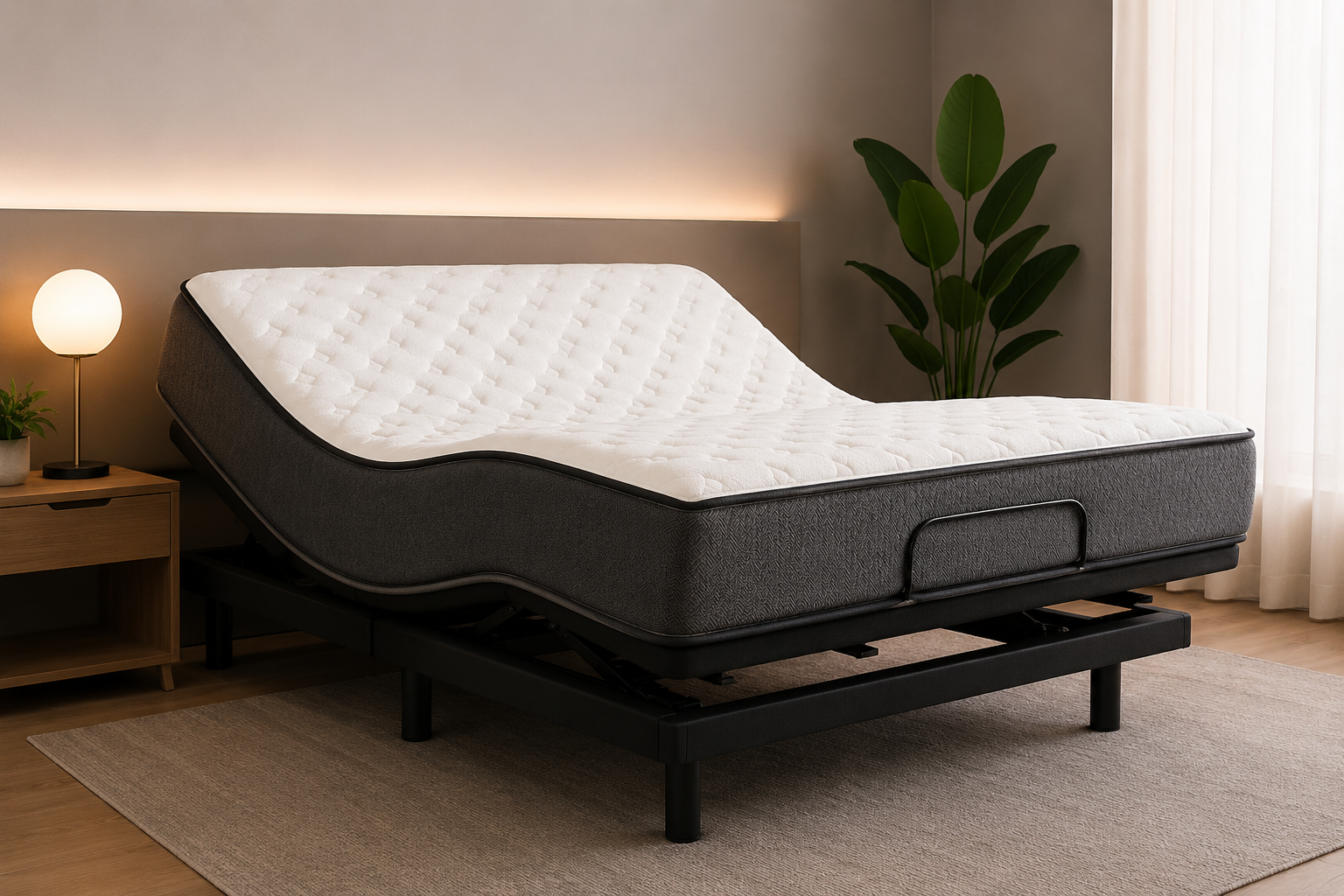
Browsing the Slumbercare Mattresses Range provides a clear view of firmness options for different body types and sleep positions. Adjustable Bed Features also explain how variable positioning works alongside the best mattress firmness choice to improve spinal support. Bedworld’s showroom in Osborne Park, Perth, lets you feel the difference in person before deciding.