Cart
0
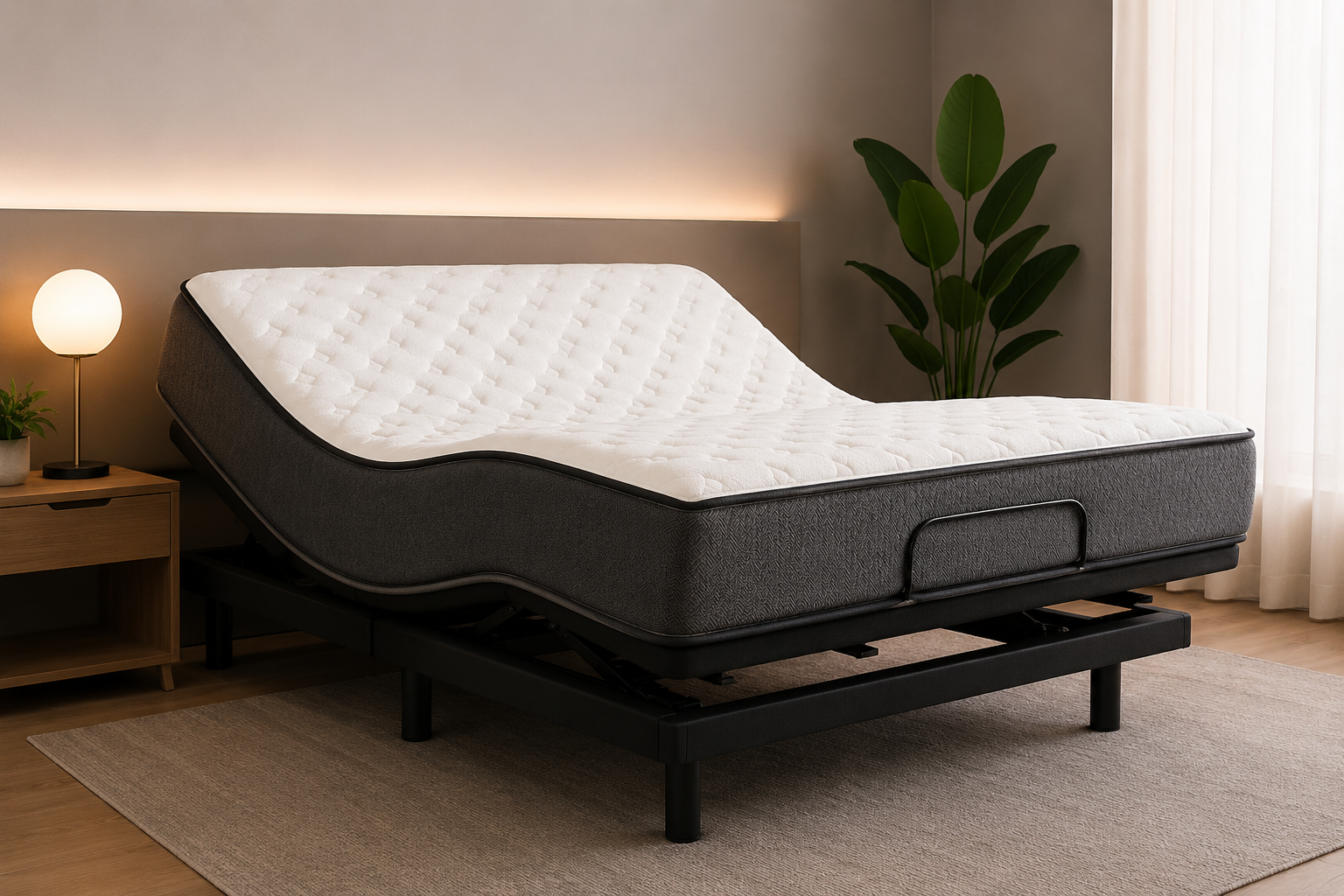
Yes, adjustable beds Australia options can help reduce sciatica pain, ease back discomfort, and lower spinal pressure. They do this by improving sleep posture and supporting spinal alignment. Elevating the legs or upper body takes pressure off the lower spine. This may ease nerve compression and improve sleep quality for many users.
What Is an Adjustable Bed and How Does It Help Spinal Alignment?
Most people have never given much thought to their sleep position. They lie flat, pull up a blanket, and that is it. But the flat position isn't ideal for everyone. This is especially true for people dealing with spinal compression or chronic nerve pain.
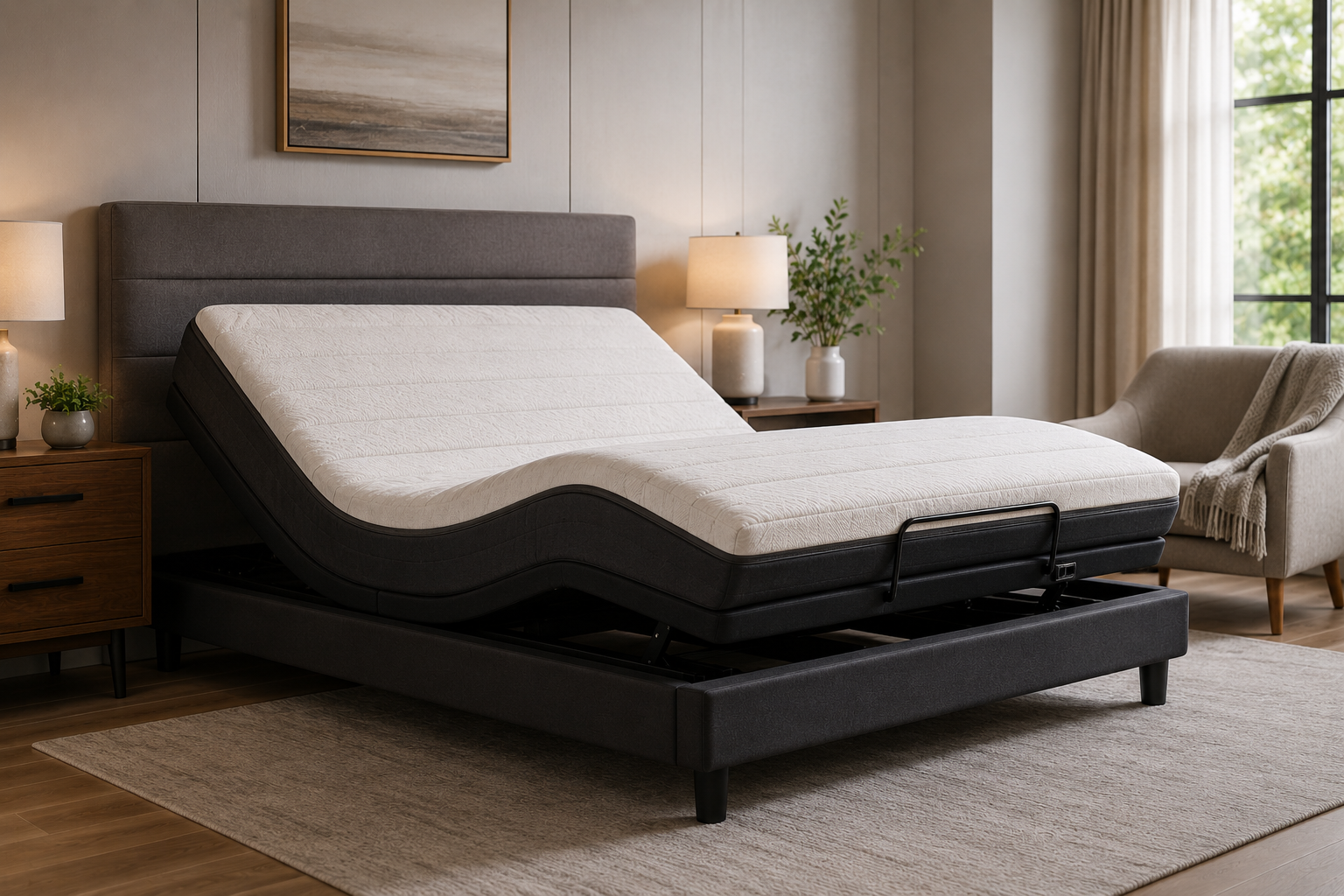
An adjustable bed base uses motorised sections to raise or lower the head and foot sections independently. You choose the angle. It moves to match it. Your spine gets a chance to rest in a position that reduces load.
None of this requires a complex explanation. When you lie flat, your body weight pushes straight down onto the mattress. The lower back absorbs most of that load. Changing the angle spreads that weight across a larger surface area. Pressure points get relief. Muscles relax. The spine decompresses instead of bracing.
Here are the core functions that affect spinal comfort directly:
-
Head elevation reduces compression along the cervical and lumbar spine.
-
Leg elevation lifts the pelvis slightly and eases tension in the lower back.
-
Zero-gravity positioning raises both head and feet to distribute weight evenly.
-
Custom angle settings let each person find their own pain-relief position.
-
Independent side controls on split bases allow couples to adjust separately.
Even a 15- to 30-degree adjustment can make a real difference. Small positional changes during sleep produce meaningful results over time.
Can Adjustable Beds Help Reduce Sciatica and Back Pain?
Sciatica causes pain that runs from the lower back through the hips and down the legs. It often affects one side, though some people feel it on both sides. The sciatic nerve is the longest in the body. When it gets compressed or irritated, the pain can be sharp, burning, or a deep ache. It often wakes people up at night.
Common triggers include a herniated disc, a bone spur, or spinal canal narrowing. Sleep position directly affects how much pressure sits on those problem areas at night.
Why a Flat Position Often Worsens Sciatica
Sleeping flat tightens the hip flexors and flattens the lumbar curve. This increases pressure on the disc or vertebra, compressing the sciatic nerve. Many sciatica patients wake up feeling worse than when they went to sleep. The flat position worked against them all night. Tossing and turning is not always the cause.
Some people try stacking pillows under their knees to get relief. This helps temporarily, but pillows shift during the night. An adjustable base keeps the exact angle consistent for as long as you sleep in that position.
How Leg Elevation Targets Sciatic Nerve Pressure
Raising the foot section of the bed shifts the pelvis forward slightly. This creates more space between the lumbar vertebrae. The nerve exit points in the spine get some relief from compression. Side sleepers who add gentle foot elevation often get faster relief. Those relying only on pillow positioning tend to see slower results.
Pairing an adjustable base with an Orthopaedic Mattress For Spinal Support compounds the benefit. Zoned surface support comes from the mattress. Positional control comes from the base. Together, they address spinal comfort from two angles at once.
What Are the Benefits of Adjustable Beds for Spinal Pressure?
Spinal pressure builds throughout the day. Sitting at a desk, driving, and lifting heavy objects all progressively load the discs. Sleep gives that pressure a chance to release. The wrong sleep surface blocks that process.
A mattress that is too firm pushes back against the spine’s natural curves. One that is too soft lets the spine sag out of alignment. Neither gives the discs the recovery they need. Your spine rests at a neutral angle instead of fighting the surface all night.
Adjustable beds deliver several spinal pressure benefits worth knowing:
-
More even weight distribution, which reduces focal loading on individual discs
-
Hip and shoulder relief for side sleepers who carry excess pressure at those contact points
-
Reduced lumbar disc pressure in the zero-gravity position versus lying flat
-
Less morning stiffness because the spine rests through the night rather than bracing against pain
-
Better overnight recovery for people managing degenerative disc conditions
These outcomes sit well within the broader conversation about sleep quality and recovery. Sleep researcher Matthew Walker describes sleep as the most powerful reset the body has. Getting the position right is part of making that reset work. According to sleep quality improvement insights published in PerthNow, sleep scientist Matthew Walker describes sleep as “the single most effective thing we can do to reset our brain and body each day.”
What Features Should You Look for in Adjustable Beds Australia?
Not every adjustable base offers the same level of control or build quality. The Australian market now has options ranging from basic motorised frames to models with app connectivity. Some include massage functions. Choosing the right one depends on your pain management needs, sleep habits, and preferred level of control.
The features below produce the best outcomes for back pain and sciatica relief. Each one directly affects how well the base performs its job over time.
-
Dual-motor systems allow the head and foot sections to move independently.
-
Wireless or app remote control lets you adjust the position without getting out of bed.
-
Memory preset positions save your ideal pain-relief angle for instant recall each night.
-
Quiet motors prevent sleep disruption when adjusting during the night.
-
Mattress compatibility with flexible materials like memory foam or latex.
-
Weight capacity ratings that suit both users in a shared bed setup.
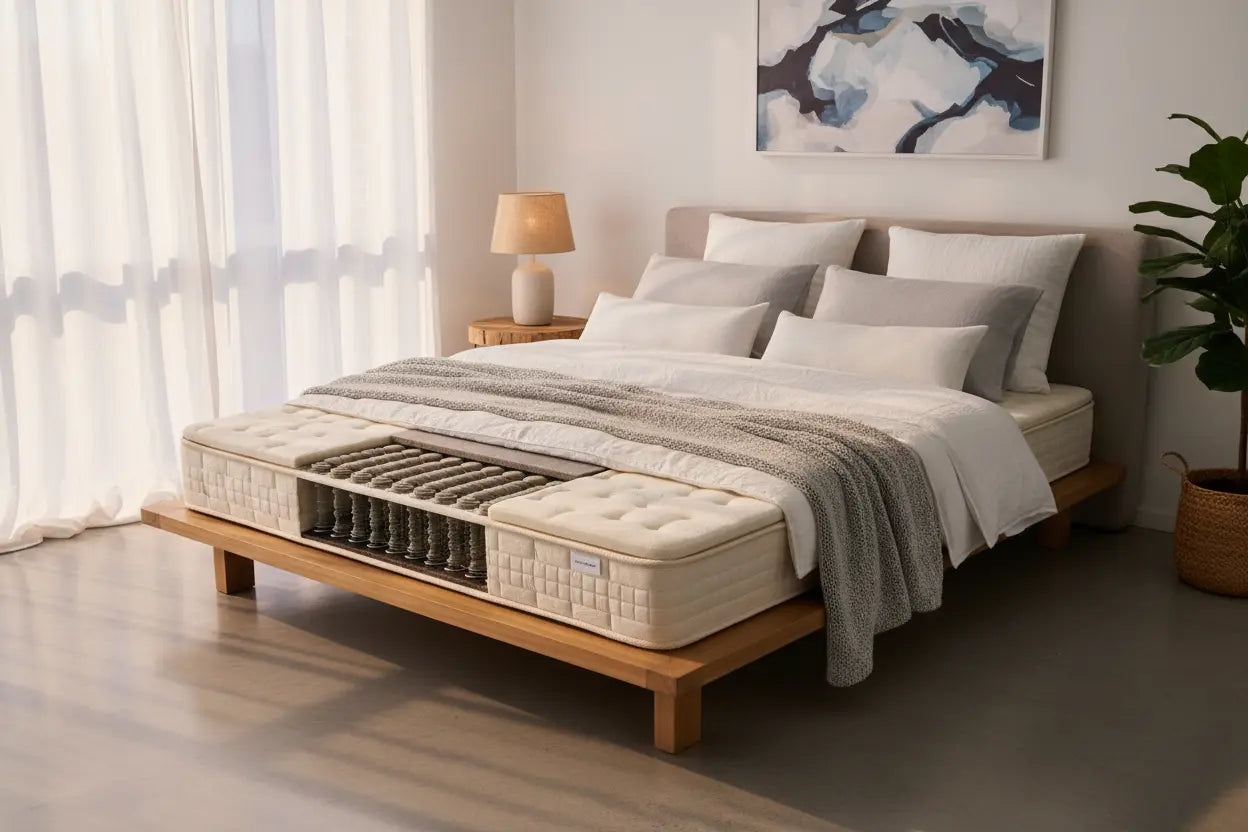
Mattress compatibility deserves extra attention. A rigid innerspring mattress with bonded coils will not flex properly on an adjustable base. Over time, it can crack, bunch, or lose structural support. Supportive Slumbercare Mattresses flex with adjustable bases and hold their support properties at any angle.
Some models also include a Hi-Lo lift function. This raises or lowers the entire bed frame height. People with hip pain or joint stiffness get in and out of bed far more easily. Post-surgical recovery patients benefit from this, too.
Who Should Use Adjustable Beds for Back and Nerve Pain?
Adjustable beds produce the strongest results for specific groups of people. A general population can benefit from the positional flexibility. But under certain conditions, improvements in sleep quality and pain management are genuinely significant.
The people who see the most benefit are:
-
Sciatica sufferers who wake up with nerve pain running down the leg
-
Chronic lower back pain patients dealing with disc degeneration or spinal stenosis
-
Older Australians with arthritis, joint stiffness, or reduced mobility
-
People recovering from spinal surgery who need a controlled sleep angle
-
Side and back sleepers who carry excess pressure at the hips and shoulders
-
People with acid reflux or sleep apnoea who benefit from upper body elevation
For anyone with a serious spinal condition or recent surgery, talking to a physiotherapist or GP before purchasing is a sensible step. Adjustable beds work well as part of a broader pain management plan. They perform best when the positioning suits the specific condition.
Adjustable Beds vs Traditional Beds for Back Pain Relief
The practical difference between adjustable and traditional beds comes down to control. A traditional bed relies entirely on the mattress for support. If the mattress is wrong for your body or sleep position, there is no fix. You are stuck with it until you buy a new one.
An adjustable base changes the sleep surface itself. Sleeping in a fixed position is no longer mandatory. Positional problems that no mattress alone can fix become manageable.
|
Feature |
Adjustable Beds |
Traditional Beds |
|
Spinal alignment control |
High |
Low |
|
Custom positioning |
Yes |
No |
|
Pressure relief |
Adjustable |
Fixed |
|
Zero-gravity option |
Yes |
No |
|
Cost |
Higher |
Lower |
|
Mattress flexibility required |
Yes |
No |
Pairing an adjustable base with the right mattress gets the best results. An extra-firm mattress for back pain relief provides the surface firmness many back pain sufferers need. The adjustable base then adds the positional flexibility that a firm, flat mattress alone cannot provide.
What Should You Check Before Buying Adjustable Beds Australia?
A few practical checks before buying adjustable beds in Australia can help prevent common compatibility issues. These are not complicated, but skipping them leads to unexpected costs.
Electrical compliance is the first check. Australian adjustable beds should meet local electrical safety standards for motorised furniture. Most reputable brands sold through established Australian retailers already comply, but it is worth confirming.
Mattress flexibility is the second check. A mattress that cannot flex will fail on an adjustable base. Memory foam, latex, and pocket spring mattresses purpose-built for adjustable use are the right pairing.
Other practical considerations worth reviewing:
-
Weight limits per side are particularly relevant for split king or split queen configurations
-
Warranty terms that cover both the motor system and the base frame
-
Servicing access, including whether technicians attend your home for repairs
-
Medical advice for chronic spinal conditions or recent surgery
Choosing the Right Adjustable Bed for Long-Term Spinal Health
An adjustable bed works best as part of a complete sleep system. Positional flexibility comes from the base. Surface support comes from the mattress. Together, they address what the spine needs during sleep more thoroughly than either piece does alone.
Better sleep comfort comes first. Over months of consistent use, less pain on waking and better daily mobility follow. For people managing sciatica, disc degeneration, or chronic back pain, the improvement compounds over time.
Exploring the Adjustable Beds Australia range at Bedworld shows models at different feature levels and price points. Comparing base features alongside compatible mattress options is the most practical starting point