Cart
0
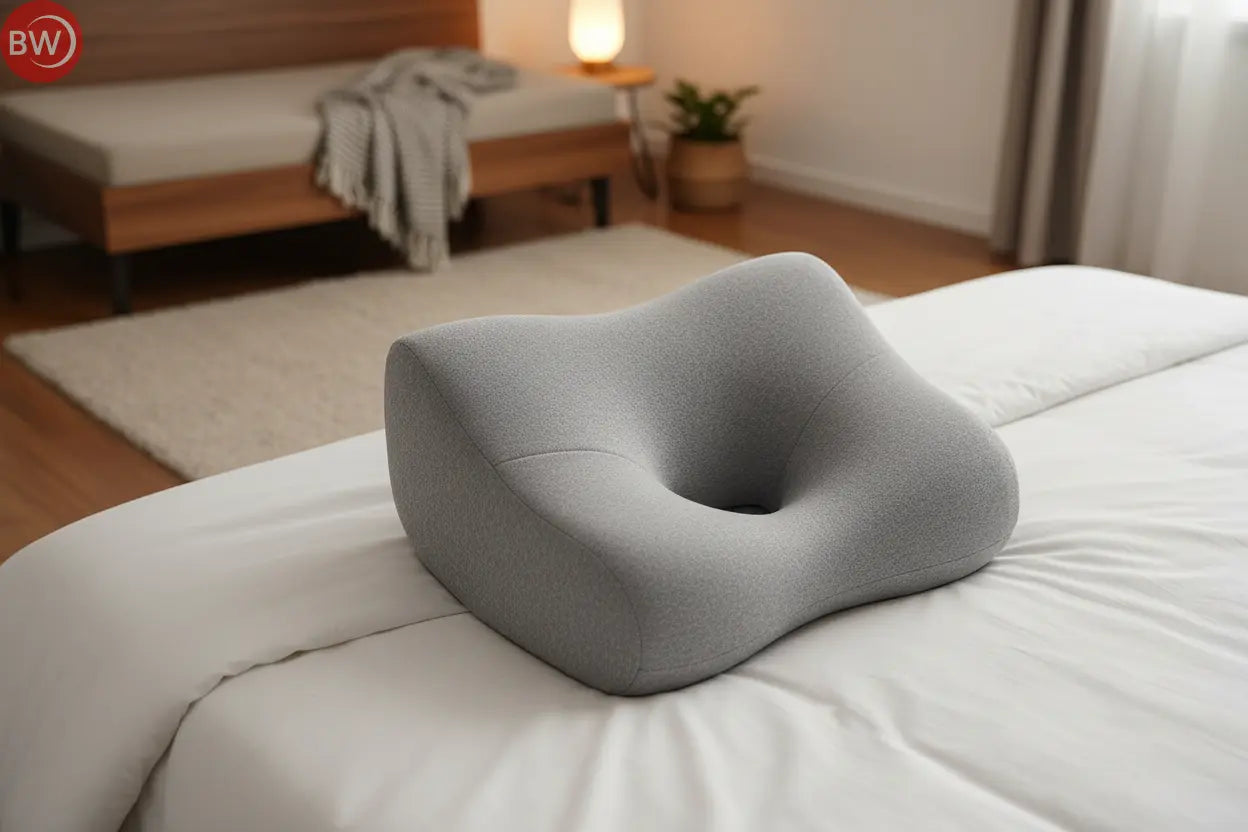
Yes, a neck pain pillow paired with a supportive mattress can reduce neck strain and sleep headaches. Proper head and neck support keeps the spine in a neutral position. This reduces muscle tension, improves sleep posture, and helps you wake up feeling more rested.
Key Takeaways
-
Pillow loft height affects cervical spine positioning more than most people realise.
-
Memory foam and latex pillows each suit different sleep styles and support needs.
-
A poor mattress can undo the benefits of even a well-chosen pillow.
-
Consistent spinal alignment across your head, neck, and hips is what reduces tension headaches.
How Does a Pillow for Neck Pain Improve Spinal Alignment?
The neck does not work in isolation during sleep. Its position affects the rest of the spine, from the shoulders down to the lower back. A pillow that sits too high or too low forces the cervical spine out of its natural curve, and that strain builds across the hours you are asleep.
A properly designed pillow holds the head at a height that keeps the neck in line with the thoracic spine. This neutral positioning reduces compression on the joints and soft tissue. Over time, better alignment during sleep contributes to less stiffness and fewer pain flare-ups in the morning.
One detail many people overlook is pillow loft, which refers to the height or thickness of the pillow. A difference of just 2 to 3 centimetres in the loft can shift cervical spine positioning enough to cause ongoing tension. Side sleepers generally need a higher loft to fill the gap between the shoulder and the head. Back sleepers need a lower profile to prevent the head from tilting forward. Getting that measurement right has a real impact on how your neck feels each morning.
Which Pillow Type Is Best for Neck Pain Relief: Memory Foam or Latex?
Both memory foam and latex pillows offer neck support, but they work in different ways. Understanding how each one performs helps you match the pillow to your sleep position and body type.
Memory foam contours closely to the head and neck. It responds to body heat and pressure, moulding around the natural curve of the cervical spine. This makes it effective for people who stay in one position for most of the night. Latex, on the other hand, provides a firmer, more responsive feel. It pushes back against pressure rather than sinking into it, which suits sleepers who prefer a more buoyant surface.
|
Feature |
Memory Foam Pillow |
Latex Pillow |
|
Support type |
High contouring |
Responsive support |
|
Pressure relief |
Excellent |
Moderate |
|
Durability |
Moderate |
High |
|
Cooling |
Retains heat |
More breathable |
The right choice depends on how you sleep. Back sleepers often find memory foam more comfortable because of its close contouring. Side sleepers may prefer either, depending on loft height. Combination sleepers, who shift positions throughout the night, tend to do better with latex. Its faster responsiveness means the pillow adjusts more quickly as you move, rather than holding the impression of a previous position.
Can the Wrong Pillow Cause Neck Pain and Headaches?
A pillow that does not align with your sleep position or body type can cause sustained neck muscle tension. That tension does not fully release during the night because the muscles are compensating for poor support rather than resting.
When neck muscles stay contracted for extended periods, they restrict blood flow and put pressure on surrounding nerves. This is one of the main reasons people wake up with tension headaches. The headache is not caused by a single bad night. It builds gradually from repeated nights of muscle compression that never fully resolve.
Some common signs that your pillow may be contributing to neck pain and headaches include:
-
Morning neck stiffness that takes time to ease
-
Tension headaches that appear shortly after waking
-
Tightness across the shoulders and upper back
-
Difficulty finding a comfortable position during the night
-
Frequent waking with no clear reason
These symptoms often improve within days of switching to a better-matched pillow. If they persist, the mattress may also be a contributing factor.
What Features Should You Look for in a Pillow for Neck Pain?
Not every pillow marketed for neck pain actually delivers proper ergonomic support. Knowing which features to look for helps you cut through the noise and choose something that will genuinely work.
A Pillow Designed for Neck Support should offer more than basic cushioning. The right construction will hold its shape, adapt to your sleep position, and maintain that support across the night without bottoming out or going flat.
Key features to look for include:
-
A contoured design that supports the natural curve of the neck
-
Adjustable loft or fill so you can fine-tune the height to your body
-
Medium-firm support that holds without feeling rigid
-
Breathable materials that allow airflow and reduce heat retention
-
Hypoallergenic cover fabric for people with sensitivities
Adjustable pillows are particularly worth considering. They let you add or remove fill to match Different Sleep positions, which is useful if you shift between sleeping on your back and your side. This adaptability makes a real difference for people whose neck pain is linked to sleeping in multiple positions.
Is a Firm or Soft Pillow Better for Neck Pain Support?
Firmness is one of the most important factors in choosing the right pillow, and the answer is not the same for everyone. Sleep position and body proportions both influence what works best.
Medium-firm pillows suit the widest range of sleepers. They provide enough resistance to keep the neck in place without the rigidity of an excessively firm option. Pillows that are too soft allow the head to sink too far, causing the neck to collapse out of alignment. That misalignment is just as problematic as a pillow that sits too high. If you're ready to upgrade, browse our range of Premium Pillows in Perth to find the right fit for your sleep style.
A few general guidelines based on sleep position:
-
Side sleepers do better with a firmer, higher-loft pillow to bridge the gap between the head and the shoulder.
-
Back sleepers need medium support with a lower loft to prevent the head from tilting forward.
-
Stomach sleepers require a softer, flatter pillow to reduce neck rotation and strain.
-
Combination sleepers often benefit from adjustable firmness so the pillow can adapt to each position.
Excessively soft pillows are one of the most common causes of neck collapse during sleep. Even if a soft pillow feels comfortable initially, it may not be holding the cervical spine in the position it needs for proper rest. A gel-infused option like the MLILY Sensipolar Gel Fusion Traditional Pillow offers a firmer, more supportive feel without sacrificing comfort.
How Does Your Mattress Affect Neck Pain and Sleep Headaches?
Neck pain during sleep is rarely just a pillow problem. The mattress plays a central role in whole-body alignment, which starts at the hips and extends upward to the neck. A mattress that sags or lacks proper zonal support tilts the pelvis, which shifts the lumbar spine, and affects the cervical spine above it.
Why the Mattress Is Part of the Neck Pain Problem
This is why neck pain often persists even after switching to a better pillow. If the mattress is not providing consistent support across the body, the spine remains misaligned regardless of how well the head and neck are positioned. A Double Sided orthopedic Mattress for long Term Support addresses this by maintaining consistent firmness on both surfaces. That consistency preserves spinal alignment across the full body rather than just at the neck.
How Pillow and Mattress Work Together
For people dealing with both neck pain and generalised sleep discomfort, pairing the right pillow with a luxury mattress for premium comfort and support makes a bigger difference than addressing just one element. The two components work together. A supportive mattress keeps the spine aligned, and the right pillow completes the alignment at the head and neck. When both are properly matched, the muscles can finally relax the way they are supposed to during sleep.
Choosing the Right Mattress for Posture Alignment
A Supportive Orthopedic Queen Mattress For posture Alignment is particularly useful for side and back sleepers. These positions require the mattress surface to respond to the body’s contours without creating pressure points at the hips or shoulders. Proper surface response at those key contact points reduces the compensatory tension that travels up into the neck overnight. People who Choose the Right Mattress for Their Sleep Style consistently report fewer mornings waking with stiffness or upper body tightness. The Harriet Superior mattress is a solid option worth considering if you're looking for that kind of responsive support.
Final Thoughts
A well-matched pillow and mattress work as a system. The pillow handles neck and head alignment. The mattress handles the rest of the spine. When both are suited to your sleep position and body type, muscle tension reduces, sleep posture improves, and the overnight recovery your body needs can actually happen.
Start by reviewing your current setup. Check whether your pillow loft matches your sleep position, whether the firmness level provides genuine support, and whether your mattress holds its shape under your weight. Small changes in any of these areas can lead to noticeable improvements in how you feel each morning.
If morning stiffness, tension headaches, or neck discomfort have been regular issues, the solution is usually a combination of the right pillow and a supportive mattress rather than one in isolation. Poor Sleep posture is one of the most common contributors to recurring neck pain, and addressing both the pillow and mattress together is often what finally breaks the cycle.