Cart
0
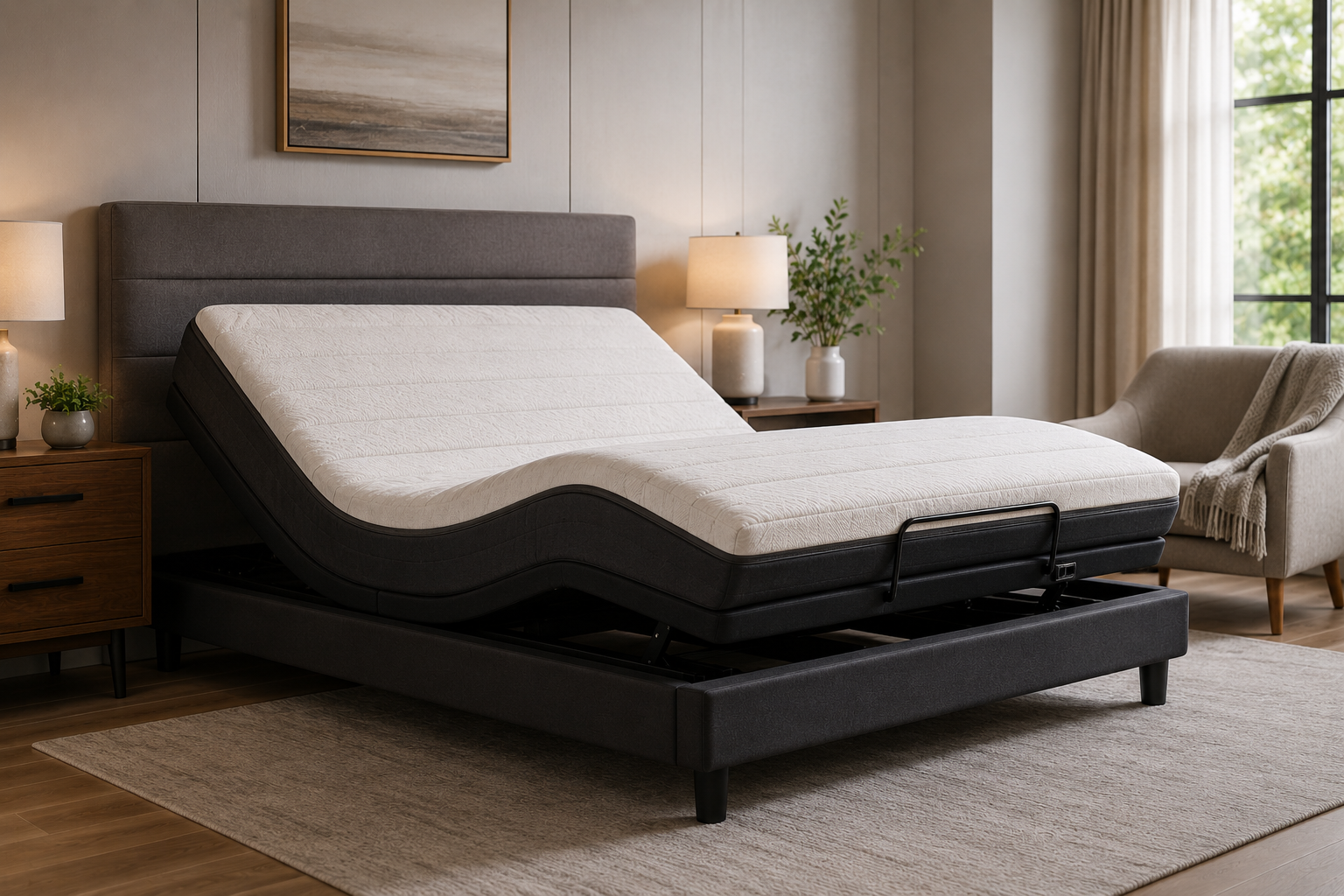
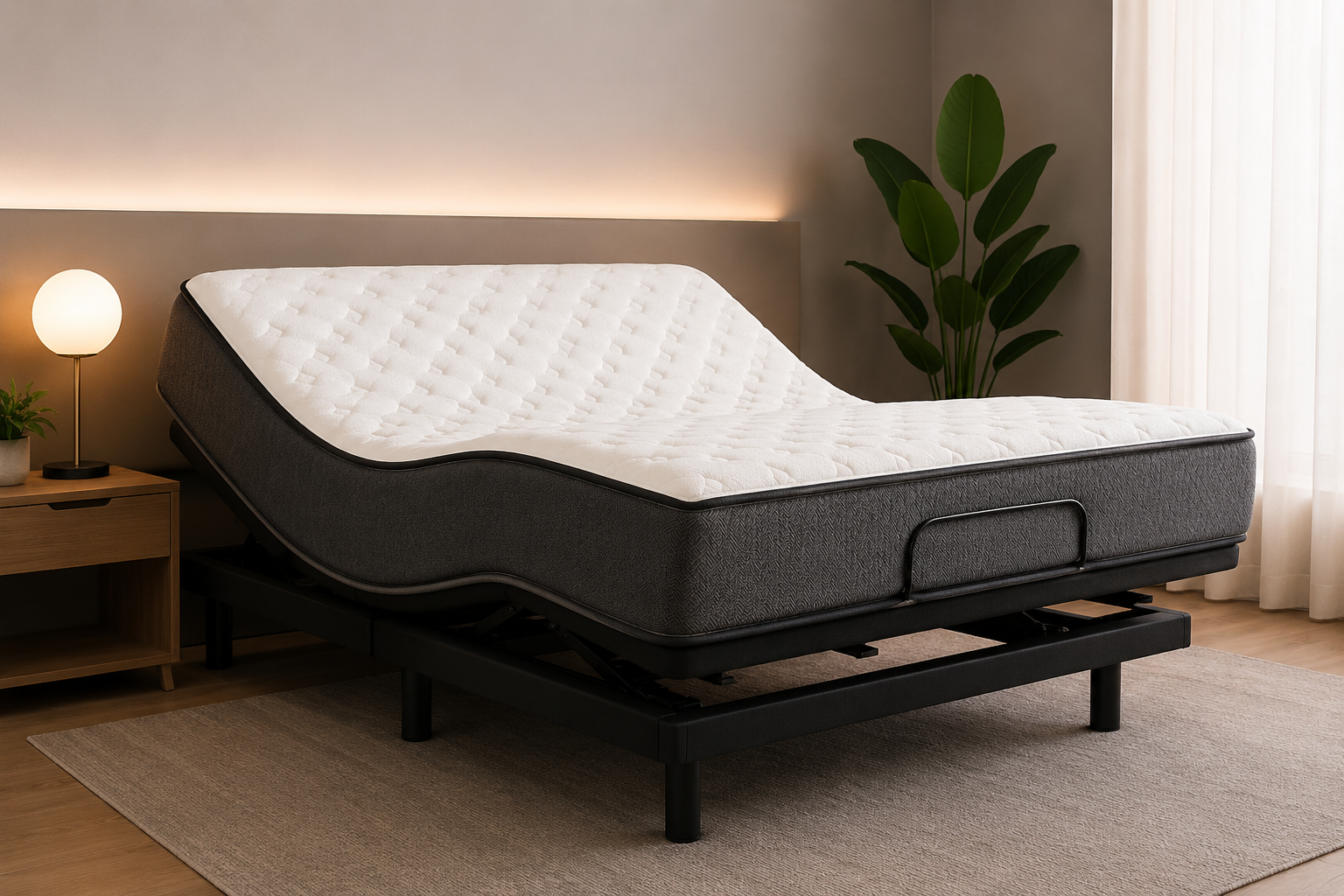
Yes, an elevated sleeping bed can ease sleep apnoea symptoms by improving airway alignment. Raising the head and upper body limits airway collapse, softens snoring and supports steady breathing. Pairing the right mattress with adjustable positioning makes a real difference for nightly comfort and sleep quality.
Key Takeaways
-
An elevated sleeping bed lifts the upper body and reduces airway collapse linked to sleep apnoea.
-
Flexible mattresses, such as memory foam, latex, and hybrid styles, work best with adjustable bases.
-
A head angle between 20 and 30 degrees often softens snoring within the first week of use.
-
Adjustable beds give more control over comfort and breathing than standard flat bed frames.
How does an elevated sleeping bed help with sleep apnoea symptoms?
Sleep apnoea happens when the airway narrows or closes during sleep. The throat muscles relax, the tongue shifts back, and breathing pauses for brief moments. These pauses break sleep and lower oxygen levels throughout the night. Many adults live with obstructive sleep apnoea, and cases often go undiagnosed for years.
An elevated sleeping bed lifts the head and upper body slightly above the chest. This position keeps the airway more open and stops soft tissue from collapsing backward. It also prevents the tongue from sliding into the throat during deep sleep. Many people find their breathing feels lighter and more even after a few nights of elevation.
Key benefits of elevation
Lifting the upper body brings real benefits for nightly breathing. The change in posture supports the airway in ways a flat position cannot.
-
Better airflow comes from less restriction at the throat and upper airway.
-
Snoring intensity decreases, supporting calmer sleep for both the user and their partner.
-
Pressure on the chest and diaphragm eases, which makes each breath feel lighter.
-
Nasal passages drain more easily, which lowers congestion-related apnoea events.
Most people use a head elevation of 20-45 degrees. Even a small lift of 30 degrees can make a noticeable change in airflow and snoring frequency, which is why doctors often suggest positional therapy for milder cases.
Which mattress works best with an elevated sleeping bed?
Not every mattress is compatible with an adjustable base. The mattress must bend with the frame as the head and legs lift. It also needs to keep its shape and support during this movement. Stiff or thick spring mattresses often resist bending, reducing the benefits of elevation.
A flexible mattress moves with the base while still cradling the body. The right mattress also supports the spine in different positions, from flat to fully reclined. This keeps pressure off the shoulders, hips and lower back during each adjustment.
The list below shows the best mattress types for adjustable beds.
-
Memory foam mattresses bend smoothly and ease pressure points around the shoulders and hips.
-
Latex mattresses respond quickly to movement and stay breathable, which suits warm sleepers well.
-
Hybrid mattresses pair pocket springs with foam for balanced flexibility and good edge support.
-
Zoned support mattresses target firmness across body zones, which helps spinal alignment at every angle.
Cooling foams with materials like copper or graphite can also help if heat builds up at night. A Cooling memory foam mattress with copper keeps the surface temperature steady through the elevation cycle. For a softer feel, a Luxury Plush Mattress for Deep Comfort suits bases that move often.
Rigid mattresses can crack at the bend points after months of use. They may also feel uneven once the head lifts, shortening the base’s working life. To compare types in detail, read our guide to Different Mattress Types.
Can an elevated sleeping bed improve breathing and reduce snoring?
Snoring occurs when air passes through relaxed throat tissue, causing it to vibrate. The narrower the airway, the louder and more frequent the sound becomes. Persistent snoring can also signal partial airway obstruction, and ongoing snoring in adults may indicate early-stage obstructive sleep apnoea.
Raising the upper body opens the airway and lowers the resistance of incoming air. With less vibration, snoring softens and sometimes stops. Doctors often suggest lifestyle and positional changes before medical treatment for mild cases.
A real-world example helps show the impact. Side sleepers who switch from flat pillows to a 30-degree head elevation often see results fast. Many report fewer snore episodes within the first week. Combined with weight management and steady bedtimes, this small change can lift sleep quality for both partners.
What is the ideal sleeping position using an elevated sleeping bed?
The right sleeping position depends on body type, comfort and any health concerns. A general rule is to lift the head enough to keep the airway open without straining the neck. Some users also benefit from leg elevation for better circulation and lower back relief.
Common position settings include the following options.
-
A slight head elevation of 20 to 30 degrees helps most sleepers breathe more easily.
-
A zero-gravity position, with the head and legs raised, reduces pressure on the spine.
-
Elevated legs with a small head lift improve circulation and lower swelling in the lower limbs.
-
Side sleeping with elevation further reduces airway collapse during deep sleep stages.
Gradually adjusting positions helps the body adapt without causing morning stiffness. Start with a low elevation for a few nights before moving higher. A mattress that contours well makes these small changes feel natural rather than forced. Even a 10-degree shift can change how a sleep position feels without pulling the spine out of line.
Are adjustable beds better than standard beds for sleep apnoea?
Adjustable beds give users more control over their sleep position than standard frames. This control helps anyone managing breathing concerns, reflux or back pain. A standard bed locks you into a flat position, which can worsen apnoea episodes for some sleepers.
|
Feature |
Adjustable Beds |
Standard Beds |
|
Head elevation |
Yes |
No |
|
Breathing support |
Improved |
Limited |
|
Custom positioning |
Yes |
Fixed |
|
Snoring reduction |
More effective |
Less effective |
|
Comfort control |
High |
Basic |
Adjustable beds also support partner comfort. Many couples choose split-king setups so each person can adjust their side without disturbing the other. The positioning options also help on nights with colds, reflux or muscle pain.
Practical tips for improving sleep apnoea comfort at home
Small daily habits can boost the benefits of an elevated bed setup. The aim is to support better breathing and, over time, reduce sleep disturbances. The points below cover habits that work alongside the right mattress and base.
-
Adjust head elevation gradually, starting low and lifting in small steps each week.
-
Use a supportive pillow that keeps the neck in line with the spine, not pushed forward.
-
Choose breathable mattress materials, such as latex or open-cell foam, to prevent overheating.
-
Keep a consistent sleep routine with similar bed and wake times every day.
-
Avoid heavy meals and alcohol close to bedtime, since both relax the airway further.
-
Keep nasal passages clear with a humidifier in dry months and treat allergies early.
Combining mattress choice, positioning, and routine creates the strongest result. The right mattress only works as well as the habits around it. Weight management and side sleeping also support Milder Forms of Sleep Apnoea and pair well with elevation. Australian sleep experts also share a clear Formula for The Best Sleep of your Life that brings these habits together.
Conclusion
An elevated sleeping bed gives many people a simple way to breathe more easily through the night. Pairing it with a flexible, supportive mattress brings the most relief from sleep apnoea symptoms. The right setup also reduces snoring, eases pressure points and supports calmer mornings. Browse supportive options like the MLILY Carbon Cool Hybrid Mattress for balanced cooling comfort, or the MLILY Onyx Hybrid Mattress for firmer copper and graphene-enhanced support suited to adjustable sleeping setups. .