Cart
0
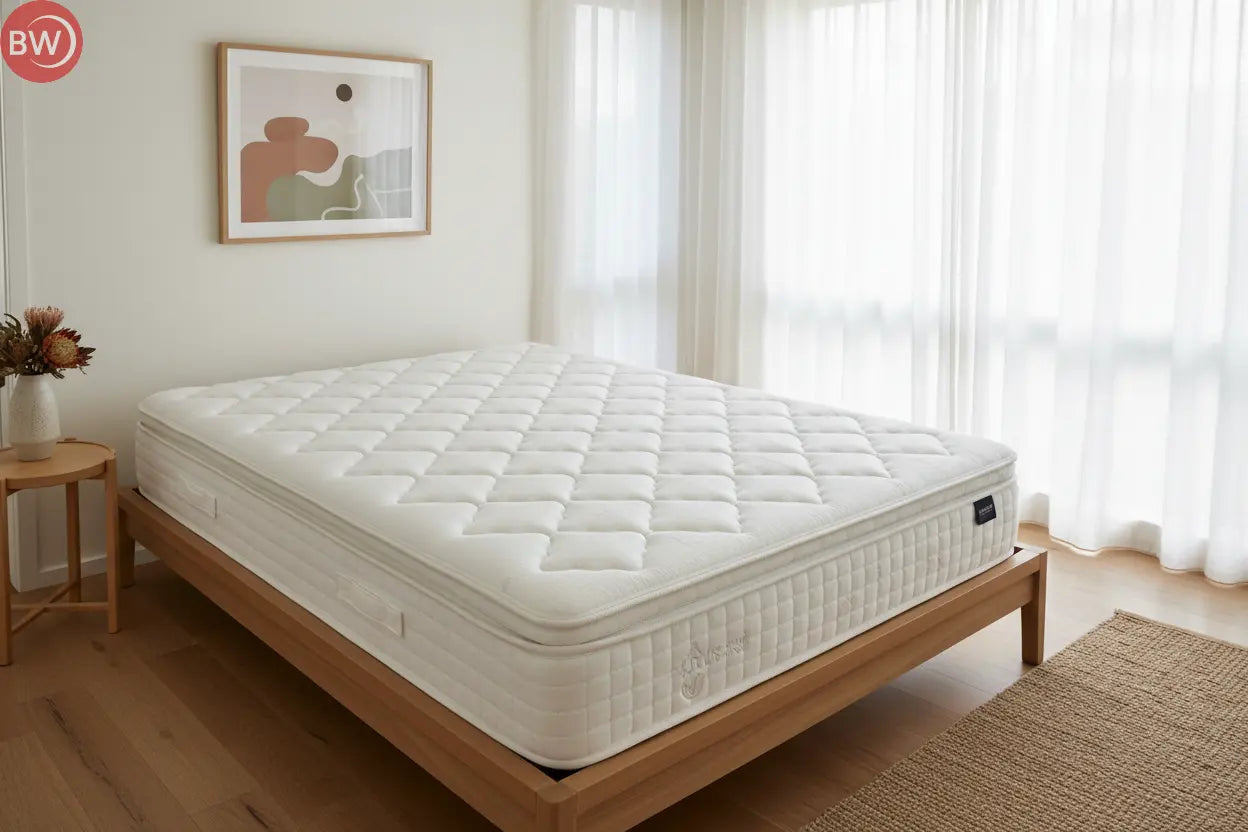
Yes, choosing a cooling mattress in Australia can reduce night sweats and overheating for hot sleepers. Cooling materials such as gel-infused foam, breathable covers and hybrid layers improve airflow. They also help maintain a steadier body temperature throughout the night, which reduces wake-ups linked to heat.
Hot Australian summers and warm coastal humidity make heat-related sleep loss a common issue. The right mattress build can take a real load off your body’s natural cooling system. People in places like Perth, Brisbane and northern NSW often feel the difference within a few nights.
Key takeaways
-
A cooling mattress steadies body temperature so deep sleep starts faster and runs longer through the night.
-
Cooling foam, hybrid coils and latex outperform older foam designs in warm Australian conditions.
-
Pairing the right materials with breathable bedding cuts most night sweats for hot sleepers.
-
A cooling upgrade pays back through fewer wake-ups, sharper focus and steadier daytime energy.
Can a cooling mattress help with night sweats and overheating?
A well-built cooling mattress can lower the heat that interrupts your sleep cycles. Body temperature naturally drops by about 1°C as you settle into deep sleep. When the bed traps heat, that drop slows or stops. You then wake up sweating, kicking off blankets, or shifting positions to find a cool spot.
Australians lose hours of useful sleep each summer to bedroom overheating. Persistent waking can also signal other health issues worth flagging with a GP. Older foam beds often sit at the centre of the heat problem.
Modern cooling mattresses tackle this with breathable fabrics, open-cell foam and gel-infused layers. These materials pull heat away from the body and let warm air escape upward. Better airflow means your skin stays drier through the night. Less sweat, fewer wake-ups, longer stretches in deep sleep.
For hot sleepers in coastal regions, the difference can feel huge. Many people notice fewer 3 am wake-ups after switching to a cooler surface. They also find it easier to fall back asleep when they do stir. For more, our guide on Whether Cooling Mattresses Really Stay Cool all Night covers what to expect.
How does a cooling mattress work to regulate body temperature?
A cooling mattress works by stopping heat from building up between you and the bed. It uses smart materials and structural design to move warm air away from your skin. Most cooling mattresses combine two or three of these tricks together for the best result.
Research on the Thermal Environment of Sleep links bedroom temperature to both sleep stages and night-time wakefulness. Older foam mattresses often impede natural body cooling by trapping heat. New cooling builds work against that problem on multiple fronts at once.
Common cooling mechanisms include the following:
-
Gel-infused foam pulls heat away from the body and disperses it across the mattress surface.
-
Open-cell foam structures allow air to circulate freely rather than trapping it within the layer.
-
Breathable covers in Tencel or cotton blends reduce heat retention right next to the skin.
-
Hybrid coil layers create natural ventilation channels that move warm air out from below.
Older memory foam can hold heat for hours after you lie down. Newer cooling foam releases heat within minutes, keeping the surface closer to room temperature. Across an 8-hour sleep cycle, that adds up to a meaningful drop in surface heat. The result feels like a cooler, drier bed from start to finish.
Which materials make the best cooling mattress for Australian climate?
Australia's warm climate averages put more pressure on bedding than cooler regions do. Summer nights in Sydney often stay above 22°C. Humidity in Brisbane or Cairns adds another layer of discomfort. Material choice becomes the biggest factor in how cool the bed feels.
The best cooling mattresses for Australian conditions use materials that breathe and resist moisture. Different layers work together to manage heat from the surface right through to the support core.
Top cooling materials include the following:
-
Latex offers natural breathability through its open-cell structure and quick response to movement.
-
Gel memory foam disperses body heat across a wider area for faster cooling at the contact point.
-
Hybrid systems pair pocket coils with foam to balance airflow and steady pressure relief.
-
Tencel and bamboo covers wick moisture away from the skin and feel cool to the touch.
Coastal regions often experience higher humidity, which can affect mattress performance. Sweat sticks around longer when the air is heavy. Inland areas face higher daytime heat, so the mattress must release stored warmth quickly. The right choice depends on which side of that climate split you live on.
For more on material differences, read our guide on Memory Foam vs Latex.
Is a cooling mattress worth it for people who sleep hot?
For hot sleepers, a cooling mattress is usually worth the investment over a regular foam bed. Heat causes some of the most disruptive sleep problems, including night sweats, restlessness and early waking. A bed that traps heat makes those issues worse, no matter how good your sheets are.
Bedroom temperature sits high on the list of factors driving sleep disruption. People who run hot often report waking three to five times a night during summer. After switching to a cooling hybrid or gel foam build, many cut wake-ups in half. Over a week, that adds up to several hours of recovered sleep.
The cost balances out fast for anyone losing real sleep to heat. Australian sleep research keeps pointing to room climate as a top factor in restful sleep. Better recovery, sharper focus and steadier moods all flow from cooler nights. Plenty of Aussie shoppers also find their partner sleeps better once heat-related tossing stops.
Do memory foam cooling mattresses really stop overheating at night?
Modern cooling memory foam performs much better than the older foam many Aussies remember. Traditional foam contoured well but held body heat for hours. That trapped heat made it a poor fit for warm climates and hot sleepers. People who liked the hug of foam often gave it up just to stay cool.
Today’s cooling memory foam fixes most of that. Gel infusions move heat off the body, while open-cell structures let warm air escape upward. Some builds also use phase-change materials that absorb heat actively as your body warms up. The MLILY Carbon Cool memory foam mattress is one example of this newer cooling-focused design.
Performance factors that set new cooling foam apart include the following:
-
Far less heat retention sets new cooling foam apart from older closed-cell foam models.
-
Better airflow comes built directly into the foam structure rather than added on top.
-
Pressure relief now arrives without overheating, a frustrating side effect now gone.
Older foam might feel warm 30 minutes after lying down. Newer cooling foam often stays close to room temperature throughout the night. The contour and pressure relief that made foam popular still come through, just without trapped heat. For full options, our cooling memory foam mattresses range covers different firmness and feel preferences.
Practical tips to stay cool while sleeping
The mattress does most of the heavy lifting, but small habits make a real difference. Pairing a cooling bed with the right bedding and bedroom setup yields the best results. Most hot sleepers see the biggest improvement when they treat the entire sleep system. Simple tweaks to bedding, airflow, and room climate can naturally improve sleep quality without major spending.
Try these practical adjustments through the warmer months:
-
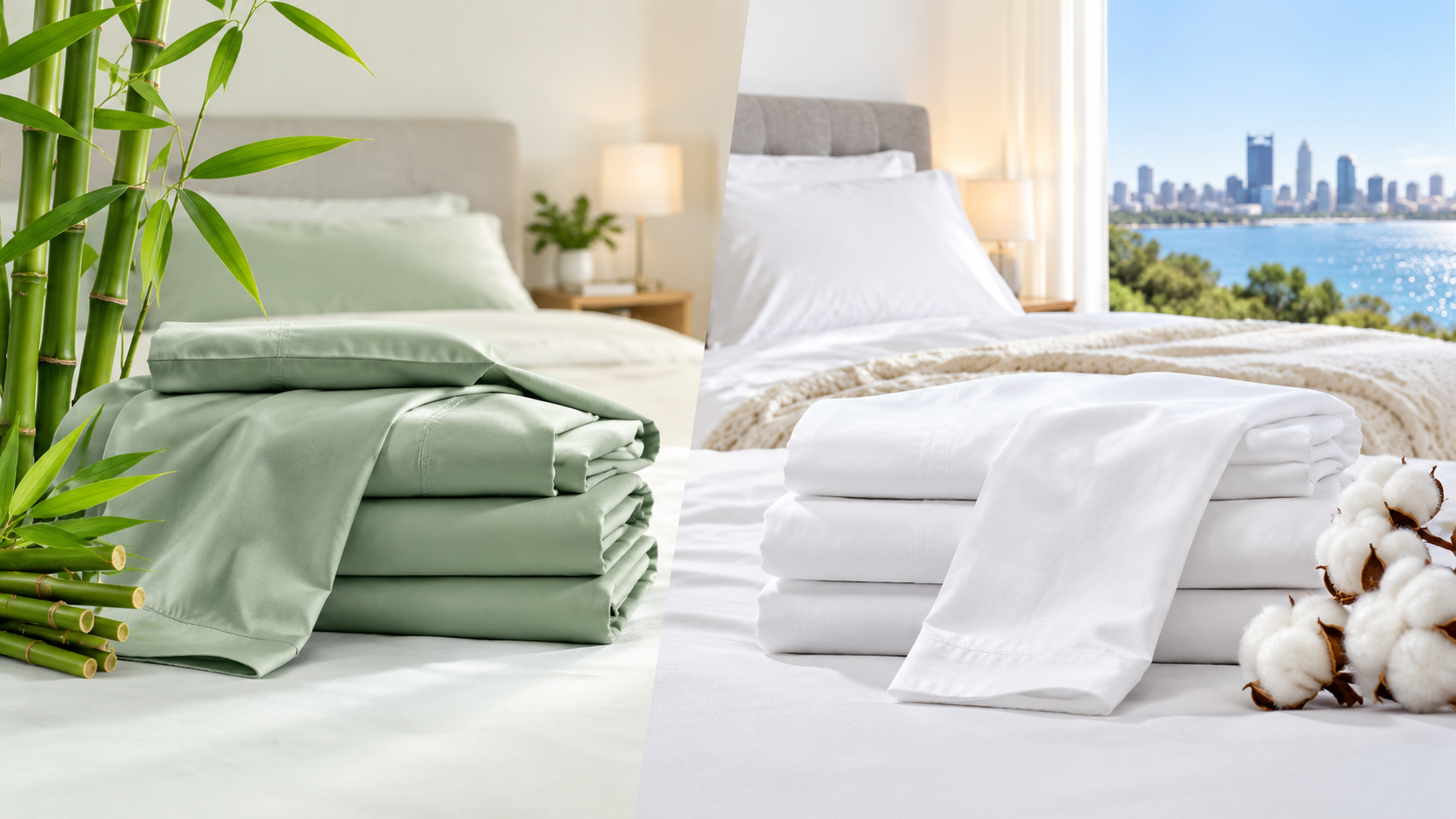
Use breathable bedding, such as cotton, linen, or bamboo sheets, for the lightest feel against the skin.
-
Keep airflow moving with a ceiling fan or partly open window through the night.
-
Pick moisture-wicking sheets if you sweat heavily through summer for a drier surface.
-
Skip thick polyester sleepwear and choose light cotton or modal instead for better breathability.
-
Drop the bedroom temperature to around 18-20°C, where possible, for the ideal sleep range.
Mattress choice and sleep habits work together. A cooling mattress alone won’t fix a stuffy bedroom or heavy doonas. Combining better materials with simple habit changes lowers the temperature across the entire sleep system.
For more on personal sleep style, read our guide on Hot vs Cold Sleepers.
Comparison of cooling performance by mattress type
The table below shows how mattress builds compare in terms of cooling. Use it as a quick reference when you start shopping.
|
Mattress Type |
Cooling Ability |
Best For |
|
Memory Foam (standard) |
Moderate |
Pressure relief sleepers |
|
Cooling Memory Foam |
High |
Hot sleepers want contour |
|
Hybrid |
High |
Balanced comfort and airflow |
|
Latex |
Very High |
Natural cooling and durability |
Latex and hybrid builds tend to win for warm climates. Standard foam still has its place for pressure relief, but struggles in summer. Cooling memory foam sits between the two, giving most of the contour without the heat lock.
Final thoughts
Investing in a cooling mattress in Australia can improve your sleep during warmer months. It steadies body temperature, lowers night sweats and supports longer stretches of deep sleep. The right pick depends on your sleep style, climate zone and budget. Most hot sleepers feel a clear difference within the first week of use.
Explore cooling-focused options like the MLILY Carbon Cool Hybrid Mattress for balanced cooling comfort, or the firmer MLILY Onyx Hybrid Mattress for advanced copper and graphene temperature regulation. . The team can also help match a mattress to your local climate and sleep needs through the contact page.