Cart
0
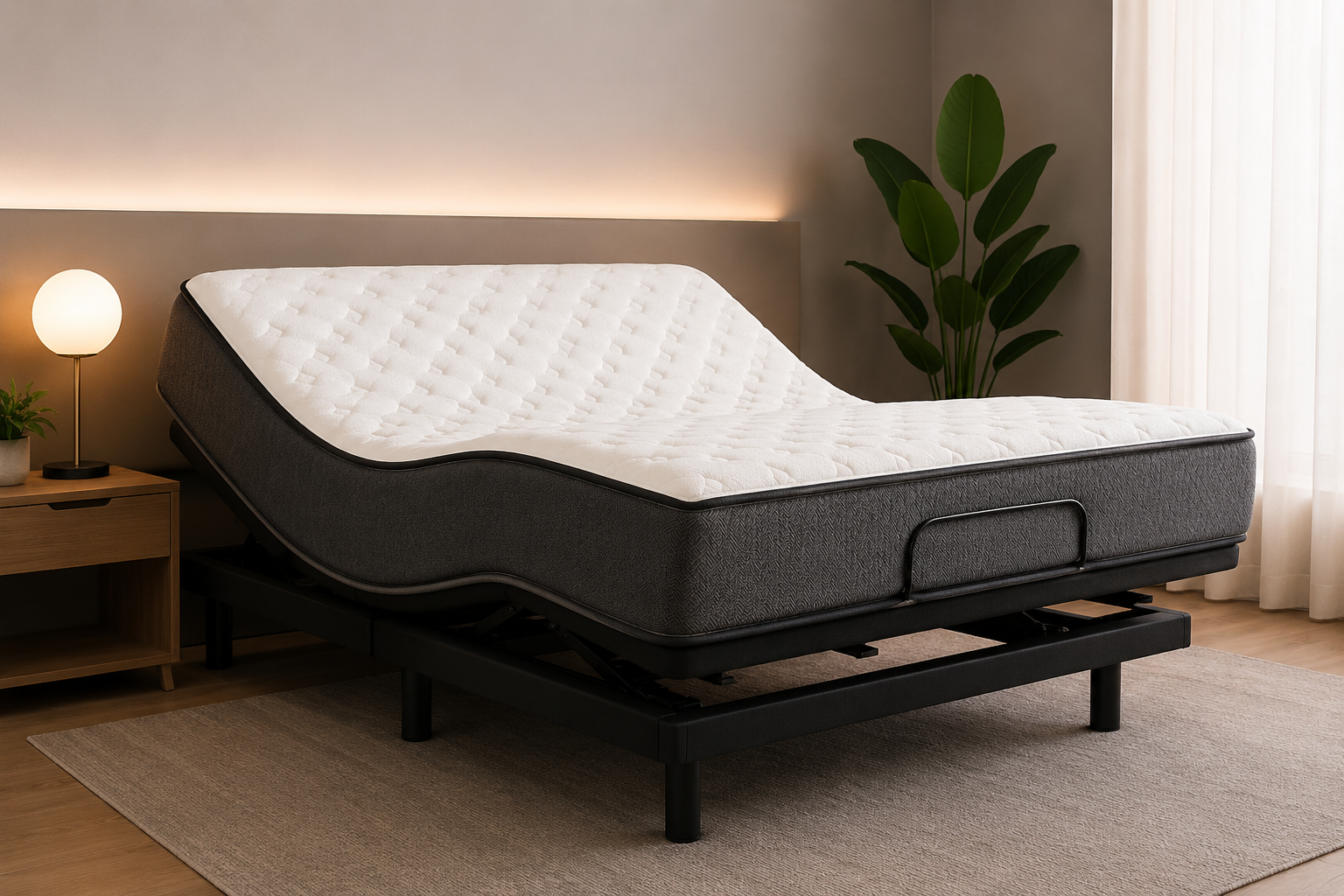
A pressure-relief mattress reduces pain in the hips, shoulders, and joints by evenly distributing body weight and minimising pressure points. Materials like memory foam and latex contour to the body, supporting natural alignment and reducing strain during sleep. The right choice comes down to material, firmness, and how well the mattress suits your body type and sleep position.
Key Takeaways
-
Pressure builds fastest at the hips and shoulders, particularly for side sleepers.
-
Memory foam and latex both offer pressure relief, but perform differently depending on sleep style.
-
Medium to medium-soft firmness suits most people seeking joint pain relief.
-
Body weight significantly influences how firmness is experienced on any mattress surface.
How Does a Pressure Relief Mattress Reduce Joint Pain During Sleep?
Every time you lie down, your body weight concentrates at specific contact points. For most sleepers, those points are the hips, shoulders, and knees. When a mattress does not distribute that weight evenly, pressure builds in these areas, creating discomfort that disrupts sleep or leads to stiffness in the morning.
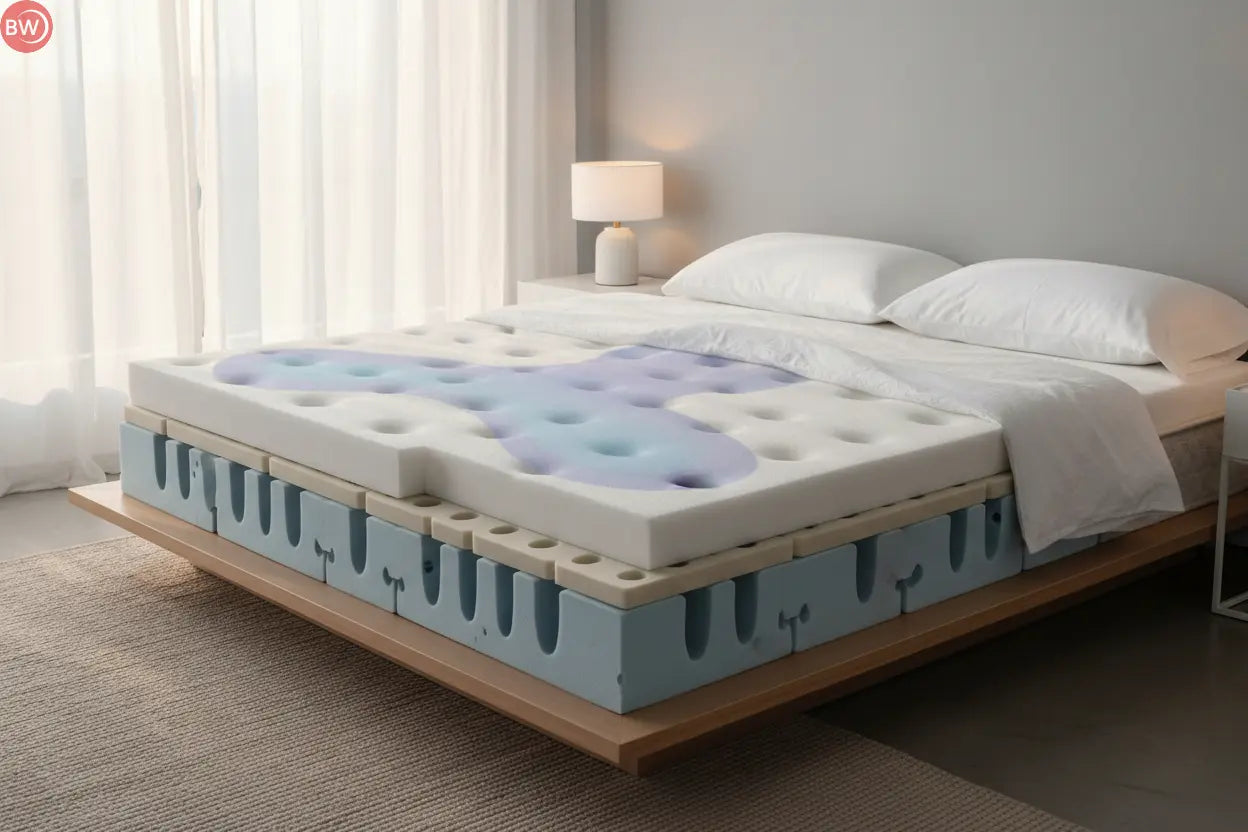
A pressure relief mattress addresses this by contouring to the body’s shape rather than pushing back against it uniformly. The surface adapts to curves and contours, spreading load across a wider area and reducing concentrated stress on any single joint. Pain is one of the most common causes of disrupted sleep, and addressing the physical environment is a key part of managing it. People exploring mattresses for back pain relief and pressure support often find that targeted pressure reduction is what finally helps them sleep through the night without waking in discomfort.
Which Mattress Type Offers the Best Pressure Relief for Side Sleepers?
Side sleepers apply more concentrated pressure on their hips and shoulders than back or stomach sleepers do. The body’s widest points make direct contact with the mattress surface, and without adequate contouring, that contact becomes a sustained pressure source across the entire night.
Several mattress types address this well, each working in a slightly different way:
-
Memory foam closely contours to the body's shape, cradling the hips and shoulders and reducing peak pressure points.
-
A latex mattress offers responsive support with moderate contouring, bouncing back more quickly than foam as you shift positions.
-
Hybrid mattresses combine foam comfort layers with coil support systems, providing both surface contouring and firmer support.
-
Zoned support mattresses vary in firmness across different body zones, offering softer support where pressure is highest and firmer support where the body needs stability.
A Medium Orthopedic Mattress for Comfort and Support is a strong option for side sleepers who need that balance between surface cushioning and underlying structure. The key principle for side sleepers is softer comfort layers combined with firm underlying support. Without that foundation, the body sinks too deeply, and spinal alignment suffers even as pressure is relieved at the surface.
Is Memory Foam the Best Pressure Relief Mattress for Sore Joints?
Memory foam remains one of the most widely recommended materials for pressure relief because of its precise ability to adapt to body contours. It responds to both heat and pressure, gradually moulding around the shape of the hips, shoulders, and joints to create a personalised support surface. This close contouring reduces the concentrated load on sore areas and distributes it across a broader surface.
The trade-off has traditionally been heat retention. Conventional memory foam traps body heat, which can make sleeping uncomfortable for people who run warm. Responsiveness is another consideration. Memory foam moves slowly, so shifting positions during the night takes more effort than on a latex or hybrid surface. Modern gel-infused foam addresses both issues to a degree, improving airflow through the material and reducing the heat build-up that older foam products were known for.
|
Feature |
Memory Foam |
Latex |
|
Contouring |
High |
Moderate |
|
Pressure relief |
Excellent |
Good |
|
Cooling |
Moderate |
Better airflow |
|
Responsiveness |
Slow |
Fast |
Both materials deliver meaningful pressure relief, and the better choice depends on how you sleep. Memory foam suits people who spend most of the night in one position and prioritise close contouring. Latex suits those who move frequently or prefer a more responsive surface that does not retain heat.
Can a Pressure Relief Mattress Help With Arthritis and Body Aches?
Arthritis affects the joints directly, making any sustained pressure during sleep particularly problematic. Inflamed joints are more sensitive to compression, and a mattress that does not adequately cushion these areas can worsen discomfort and disrupt sleep at multiple points throughout the night. Poor sleep can increase pain sensitivity in people with arthritis, creating a cycle in which discomfort disrupts sleep, and disrupted sleep worsens the experience of pain the next day.
Proper cushioning reduces the direct load on inflamed or sensitive joints, while underlying support keeps the spine and hips aligned so the body is not compensating through muscle tension. People with arthritis who sleep on a premium orthopedic mattress for back support often report less morning stiffness because the mattress's consistent contouring reduces the sustained compression that builds up overnight.
The benefits of a well-chosen pressure relief mattress for joint pain include:
-
Reduced pressure on sensitive and inflamed joints
-
Improved natural body alignment from head to hips
-
Less nighttime discomfort from compression at contact points
-
Better sleep continuity with fewer waking episodes
-
More effective physical recovery during rest
These benefits accumulate over time. Consistent use of a contouring mattress reduces the cycle of poor sleep, leading to increased pain sensitivity, which in turn makes sleep harder to maintain.
What Firmness Level Is Best for a Pressure Relief Mattress?
Firmness determines how far the body sinks into the mattress surface and how much resistance it meets. A mattress that is too firm pushes back against the body's curves rather than accommodating them, which increases pressure at contact points. A mattress that is too soft allows the body to sink too deeply, disrupting spinal alignment even if immediate pressure is reduced.
Medium to medium-soft firmness tends to provide the best pressure relief for most sleepers because it balances cushioning with support. The surface gives enough to accommodate the hips and shoulders without the foundation collapsing under body weight. Addressing sleep quality as part of managing ongoing joint and back pain, and mattress firmness, is one of the most accessible adjustments people can make. Understanding How to Improve Sleep Quality with The Right Mattress starts with getting this firmness balance right for your body.
A general firmness guide based on sleep needs:
-
Soft provides high cushioning and significant contouring but may lack support for heavier sleepers.
-
Medium delivers a balanced combination of comfort and support, suitable for a wide range of body types.
-
Medium-firm offers moderate support and pressure relief, working well for back sleepers and heavier individuals.
-
The firm provides minimal contouring and maximum support, better suited to people who do not need significant pressure relief.
Body weight plays a significant role in how firmness is experienced. A medium mattress will feel quite different to a person weighing 60 kilograms compared to someone weighing 100 kilograms. Heavier sleepers compress the surface more deeply, which means they often need to go one firmness level firmer than a general recommendation would suggest.
How to Choose the Right Pressure Relief Mattress for Your Body Type
Body weight and shape directly influence how pressure is distributed across a mattress surface. A mattress that works well for one person may feel completely wrong for another, even if both are side sleepers with similar pain concerns. Matching the mattress to your body type is just as important as choosing the right material or firmness.
Some useful guidelines based on body type:
-
Lightweight sleepers below 65 kilograms sink less into the surface and often benefit from softer mattresses to achieve enough contouring.
-
Average-weight sleepers between 65 and 90 kilograms generally find that medium options provide the right balance.
-
Heavier sleepers above 90 kilograms need medium-firm to firm support to prevent excessive sinkage and maintain spinal alignment.
-
Sleepers with broader shoulders or hips need more contouring at those specific areas, making zoned support or memory foam a strong consideration.
Whenever possible, test a mattress before committing to a purchase. Lying in your actual sleep position for 10 to 15 minutes gives a more accurate sense of how pressure builds or distributes than a brief sit on the edge of a showroom bed.
Many retailers also offer sleep trials, which allow you to assess comfort over several weeks before making a final decision. Choosing the right mattress takes more than a quick look at specs; real-world comfort testing confirms whether a mattress genuinely suits your body.
Final Thoughts
A pressure relief mattress improves sleep comfort by reducing stress on the hips, shoulders, and joints. The right material, whether memory foam, latex, or a hybrid combination, paired with the right firmness level for your body type, addresses the root cause of pressure-related discomfort rather than just masking it.
Start by identifying where you feel the most pressure during sleep and what position you spend most of the night in. From there, narrow your options by body weight and firmness preference. Side sleepers with joint pain will generally do best with a medium to medium-soft option that offers strong surface contouring. Back sleepers and heavier individuals may find that a medium-firm mattress provides better overall alignment.
Reviewing your current mattress is a good first step. If you wake with stiffness, numbness, or joint soreness that clears up after an hour of moving around, your mattress is likely not distributing pressure properly. Improving sleep conditions is a consistent recommendation for people managing arthritis and joint pain. Addressing that with a mattress designed for pressure relief can change how your body feels, not just in the morning but across the entire day.