Cart
0

A number of people wake up with back or neck pain, yet they do not understand that poor sleep posture might be the root cause. Poor sleep posture places unnecessary stress on the spine, muscles, and joints, leading to discomfort that can worsen over time. Understanding how to sleep in proper posture is the first step towards lasting relief from pain and better sleep quality.
Poor sleeping posture can strain muscles and ligaments that are meant to relax during sleep. When the spine is not properly supported, it falls out of alignment, increasing pressure on the lower back. This can lead to muscle strain, stiffness, and chronic back tension. A wrong sleeping position can also compress spinal discs, contributing to long-term back health issues.
How does sleeping posture affect spinal alignment?
Neck pain is often associated with poor comfort with our cervical spines during sleep. If the head is tilted too far forward or sideways to sleep, it is always under tension by day or night-and we often get headaches as a result. This misalignment can lead to swelling, headaches, and reduced motion of the neck over time. Many people ask me, “Can sleeping position cause neck pain?” Of course it does, particularly when the neck lacks proper support
A neutral spine position while you are asleep is important to your spinal health. A spinal column with its head, neck and vertebrae in a straight line is considered 'neutral'. Bad sleep posture disrupts the spine’s alignment, making muscles remain instead of being relaxed. This can prevent them from healing and only leads to more and more discomfort later on.
Read More Common Mistakes People Make When Buying a Back Pain Mattress
Best Sleeping Positions for Back and Neck Pain
The best sleeping position for back pain is typically on your side with a pillow between your knees, which supports proper hip and spine alignment. For neck pain, side sleeping with the head aligned to the spine is often recommended.
Back sleeping can also be beneficial if a pillow supports the neck’s natural curve. Stomach sleeping, however, is usually discouraged as it twists the spine and neck unnaturally.
The Role of Pillows and Mattresses
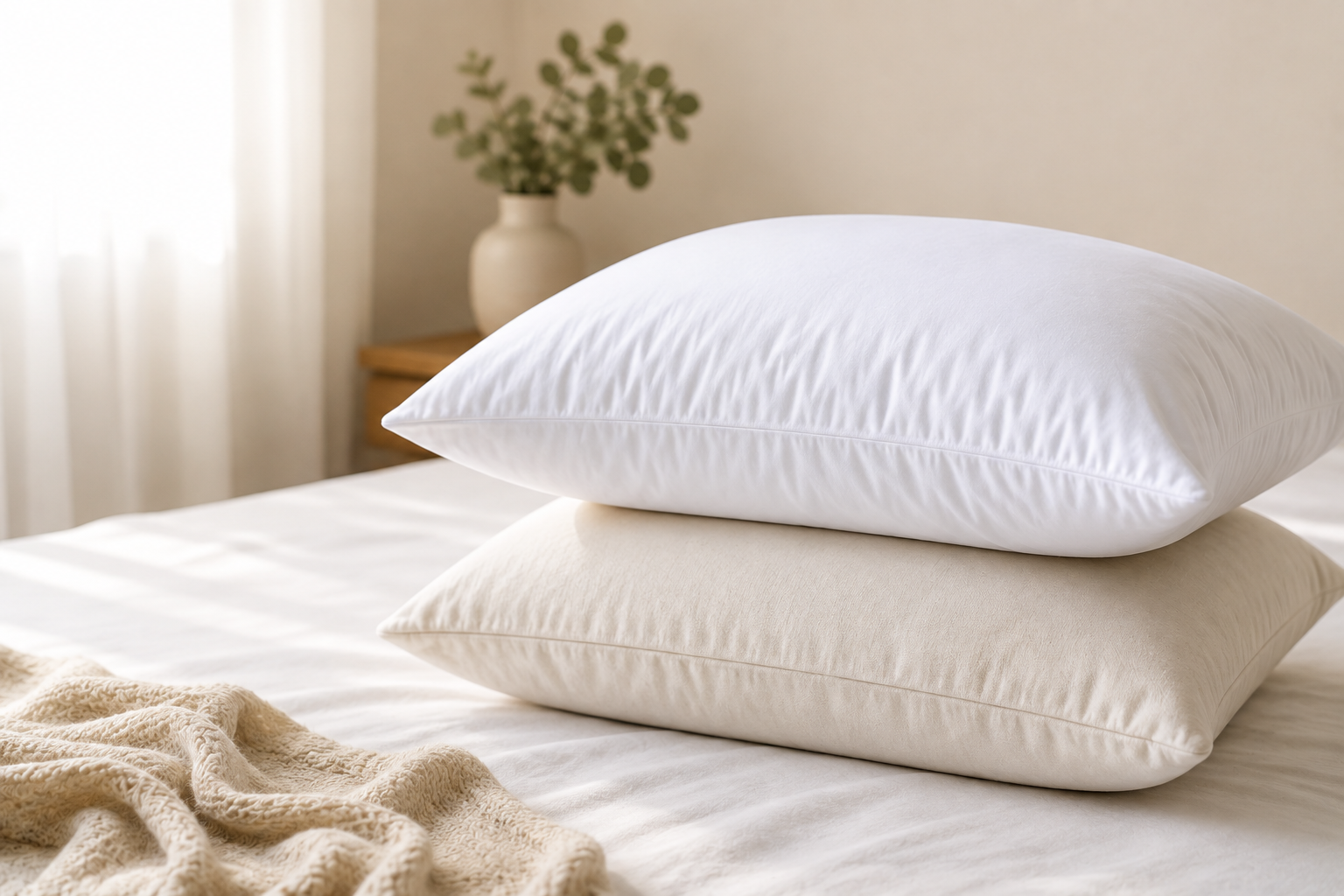
The Use of The Right Pillow in Australia along with a mattress plays a big role in postural correction during sleep. An overly high or flat framed pillow will misalign the cervical spine. Also, a poor mattress without enough support for the spine will mean that there is no way to avoid pressure points that lead to muscle tension.
Orthopedic mattress technology and high-density foam support help to evenly distribute body weight so that the natural health of a person's sleeping posture is restored.
Read More Best Pillows For Neck Pain Relief In Australia
Effects of Bad Sleeping Posture
The effects of bad sleeping posture include the following:
- Back tension
- Neck stiffness
- Shoulder pain
- Reduced sleep quality

Over time, chronic poor posture during sleep can contribute to long-term spinal problems and reduced mobility. Body pressure mapping studies show that uneven pressure increases discomfort and disrupts deep sleep cycles.
How to Fix Bad Sleep Posture
Fixing poor sleep posture starts with posture awareness and ergonomic sleep solutions. Choose a mattress that supports spinal alignment and a pillow suited to your sleeping position. Side sleeper alignment can be improved with supportive pillows and proper mattress firmness. In some cases, posture correction therapy or professional guidance may be beneficial for lasting relief.
Upgrade Your Sleep Quality for Better Back and Neck Support
If poor sleep posture is affecting your back and neck health, it may be time to upgrade your sleep essentials. Shop at Bedworld and explore our wide range of supportive mattresses, ergonomic pillows, and high-quality bedroom furniture designed to promote proper spinal alignment and comfort.