Cart
0

Australians are sleeping less and stressing more than ever before. According to the Sleep Health Foundation, around 1 in 3 Australians regularly experience poor sleep, and the ripple effects on mental health, productivity, and overall wellbeing are significant. What most people don't realise is that the answer to better sleep might not be in a pill bottle, it could be right there in their bedroom.
Your bedroom environment plays a far greater role in your stress levels and sleep quality than most of us acknowledge. Everything from the colour of your walls to the stability of your bed frame sends signals to your brain that either promote rest or keep you alert. The good news? You don't need a complete renovation to make a difference. A few thoughtful changes to your bedroom design can transform your sleep and your life.
The Science Behind Stress and Sleep
A cluttered bedroom isn't just an eyesore, it's a stress trigger. Research has consistently linked visual clutter with elevated cortisol levels, the body's primary stress hormone. When your brain registers disorder, it interprets the environment as unfinished business, keeping your nervous system in a low-grade state of alertness even while you try to wind down.
A minimalist bedroom setup, by contrast, signals safety and calm to your brain making it easier to transition into restful sleep.
Lighting Regulates Your Circadian Rhythm
Your body's internal clock, the circadian rhythm, is primarily driven by light exposure. Harsh, blue-toned lighting in the evening suppresses melatonin production, the hormone that tells your body it's time to sleep. Dim, warm lighting in the hours before bed supports your natural sleep-wake cycle and helps your body prepare for deep, restorative rest.
Temperature, Noise, and Air Quality
The ideal sleep temperature for most adults sits between 18-20°C. A room that's too warm or too cool disrupts sleep cycles and prevents you from reaching the deeper stages of rest. Similarly, ambient noise even at low levels, can fragment sleep without you fully waking. Fresh air circulation and low allergen levels in your bedroom also contribute meaningfully to sleep quality and morning energy levels.
Why Your Bed Frame and Mattress Matter
Physical comfort is the foundation of good sleep. An unsupportive mattress or an unstable, creaking Bed Frame can cause micro-arousals throughout the night, brief moments of wakefulness that disrupt your sleep cycles without you even knowing. Over time, poor physical support leads to muscular tension, back pain, and chronic tiredness. Choosing the right bed frame can significantly improve comfort and posture, helping your body fully recover overnight.
Common Bedroom Mistakes That Disrupt Sleep
Many Australians unknowingly sabotage their sleep with habits and design choices that seem harmless. Here are the most common culprits:
- Excess clutter: piles of laundry, stacked surfaces, and disorganised shelving all create mental noise
- Harsh overhead lighting: bright ceiling lights used right up until bedtime delay melatonin production
- Poor-quality or ageing mattress: a mattress over 7–10 years old loses its support capacity significantly
- Unstable or uncomfortable bed frame: movement and noise from an unsecured frame interrupts rest
- Too much technology: TVs, laptops, and smartphones emit blue light and encourage mental stimulation rather than relaxation
- Overstimulating colour schemes: deep reds, electric blues, or stark white walls can keep the brain alert rather than calm
Identifying which of these applies to your bedroom is the first step toward creating a genuinely sleep-friendly space.
How to Create a Sleep-Friendly Bedroom Design
Start with what you can remove. Clear bedside surfaces, reorganise your wardrobe, and invest in functional bedroom storage that keeps items out of sight. Under-bed drawers, built-in wardrobes, and smart Bedroom Furniture with concealed storage all help create a visually calm environment that your brain can truly switch off in.
The goal isn't a sterile, empty room, it's an intentional space where everything has a place.
Upgrade Your Bed Setup
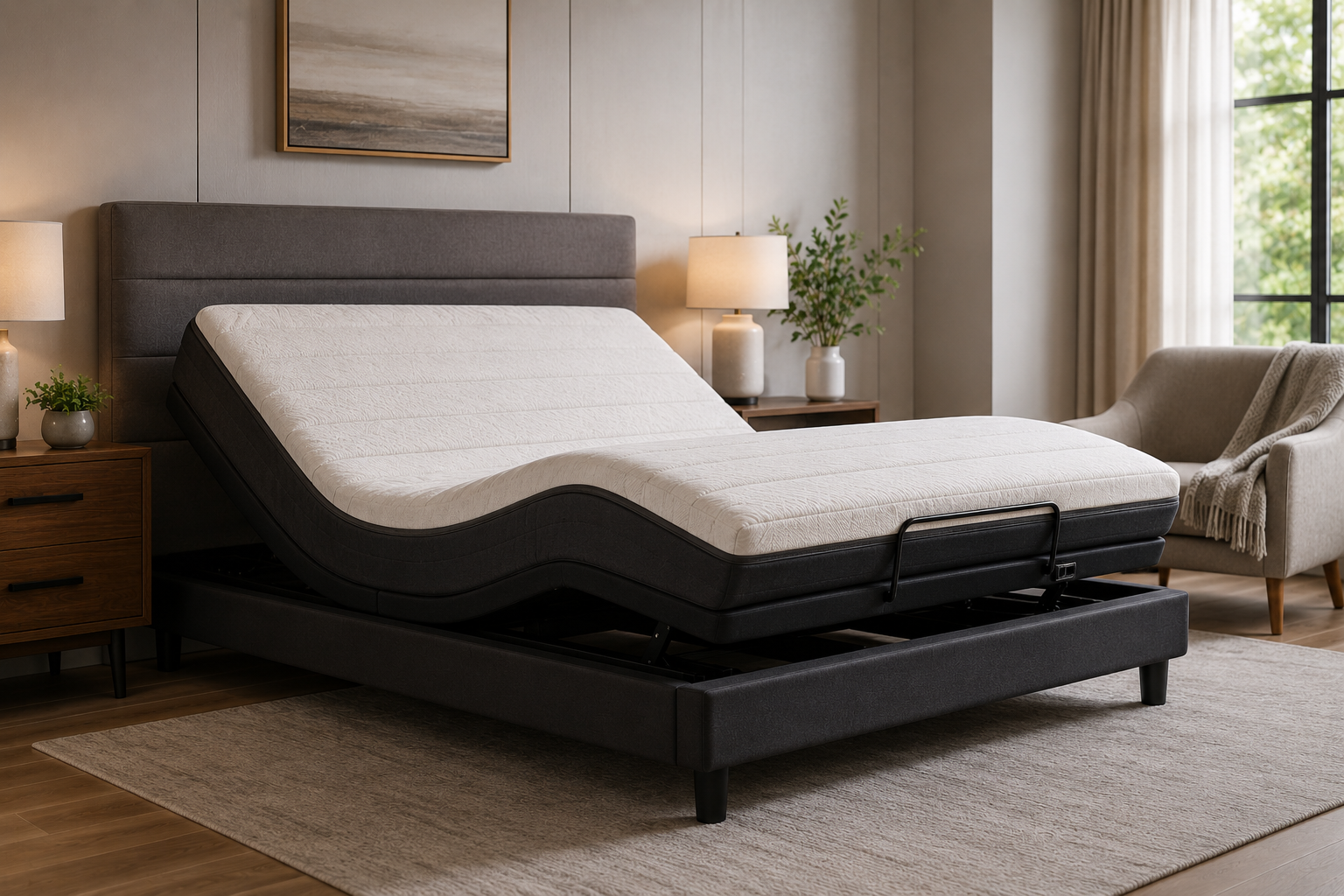
Your bed is the centrepiece of your bedroom, and it deserves real investment. A quality, stable bed frame provides the structural support your mattress needs to work properly, while also anchoring the visual design of the room. Look for solid timber or upholstered frames that sit low and sturdy, they tend to convey a sense of grounded calm.
For a cohesive look that reduces visual stress, consider a coordinated Bedroom Suite. A matching bed frame, bedside tables, and dresser creates visual harmony throughout the space - removing the subtle but constant mental friction of mismatched furniture. A coordinated bedroom suite helps create visual harmony and calm, making it easier for your mind to associate the space with rest rather than stimulation.
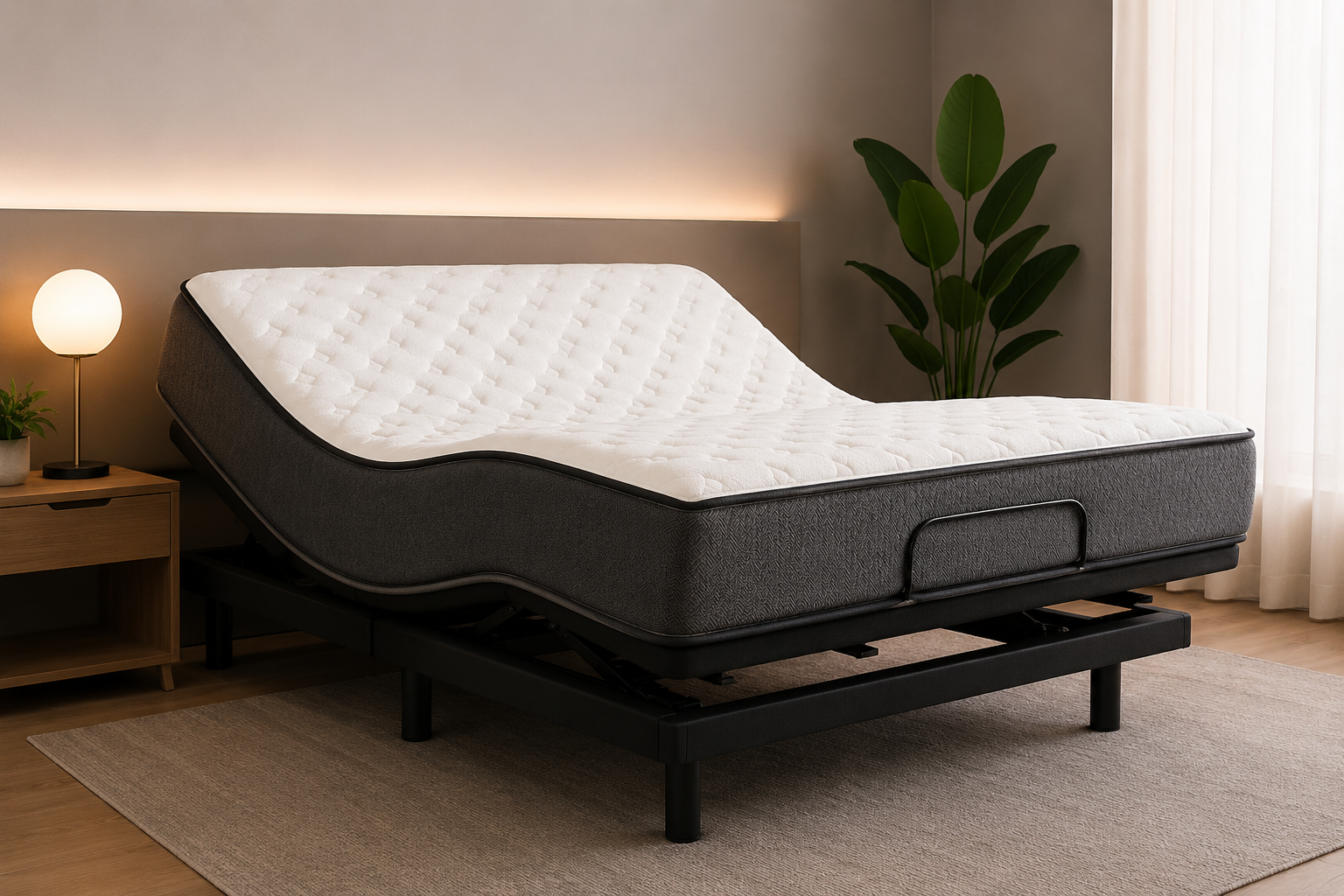
Pair your frame with a mattress suited to your sleep style: a medium-firm mattress suits most sleepers and provides the spinal alignment needed for physical recovery overnight.
Use Calming Colours and Textures
Colour psychology has a measurable impact on mood and relaxation. For a sleep-inducing bedroom atmosphere, consider:
- Soft neutrals: warm whites, sandy beiges, and light greys create an open, airy feeling
- Earthy tones: sage green, terracotta, and dusty blue are grounding and naturally calming
- Natural materials: linen, cotton, timber, and rattan introduce organic texture that feels warm without being busy
Avoid glossy surfaces and high-contrast colour combinations in the bedroom, which stimulate the senses rather than soothing them.
Improve Lighting for Better Sleep
Great sleep-friendly bedroom design relies on layered lighting different light sources for different times of the evening. Overhead lights are useful for getting ready, but in the hour before sleep, transition to warmer, lower sources.
Bedside tables with soft lamps are one of the single most effective investments for better sleep. A warm-toned lamp at low brightness signals to your brain that nighttime has arrived and over time, this ritual becomes a powerful sleep cue. Look for bedside tables with practical storage so your space stays organised while your lamp does the work.
Consider dimmable bulbs throughout the bedroom, and avoid cool-white or daylight-spectrum globes in lamps used at night.
Creating a Relaxing Bedroom Atmosphere on a Budget
You don't need to spend thousands to improve your bedroom environment. Here are practical, affordable ways to make meaningful changes:
- Rearrange your furniture: position your bed away from the door for a sense of security, and ensure good airflow around the room
- Swap your bulbs: replacing cool-white bulbs with warm 2700K LED globes costs under $20 and immediately changes the feel of the room
- Add a bedside lamp: a simple, inexpensive lamp makes a bigger difference than most people expect
- Introduce a natural element: a small indoor plant, a timber tray, or a linen cushion adds warmth without clutter
- Declutter one surface at a time: start with your bedside table and work outward
Even a minimalist bedroom setup doesn't require expensive décor, it simply requires intention. Remove what doesn't serve rest, and keep what does.
Quick Bedroom Reset Checklist
Use this checklist to audit your bedroom environment tonight:
- Remove all unnecessary items from bedside surfaces
- Ensure your bed frame is stable, supported, and the right size for your room
- Check your mattress is it still providing adequate support?
- Replace harsh overhead lighting with warm, dimmable alternatives
- Add a bedside lamp for pre-sleep lighting
- Remove screens (TV, phone, laptop) or switch to night mode after 8pm
- Choose calming, neutral colours for any upcoming updates
- Invest in functional storage to reduce visible clutter
- Check room temperature, aim for 18-20°C at bedtime
- Open a window in the afternoon to allow fresh air circulation
Want to transform your bedroom environment? Shop at Bedworld
Your bedroom should be the most restorative room in your home. When your bedroom environment is designed with sleep quality in mind from the lighting and colours to the quality of your bed furniture, your body and mind receive the cues they need to properly rest, recover, and reset.
Small, consistent improvements to your bedroom design add up quickly. Whether it's upgrading to a quality bed frame, investing in a coordinated bedroom suite that brings visual harmony to your space, or simply adding a warm bedside lamp each change brings you closer to the deep, restorative sleep you deserve.
Ready to transform your bedroom into a true sleep sanctuary? Explore the full range of bedroom furniture at Bedworld quality pieces designed for Australian homes and built to support better sleep, every night.