Cart
0
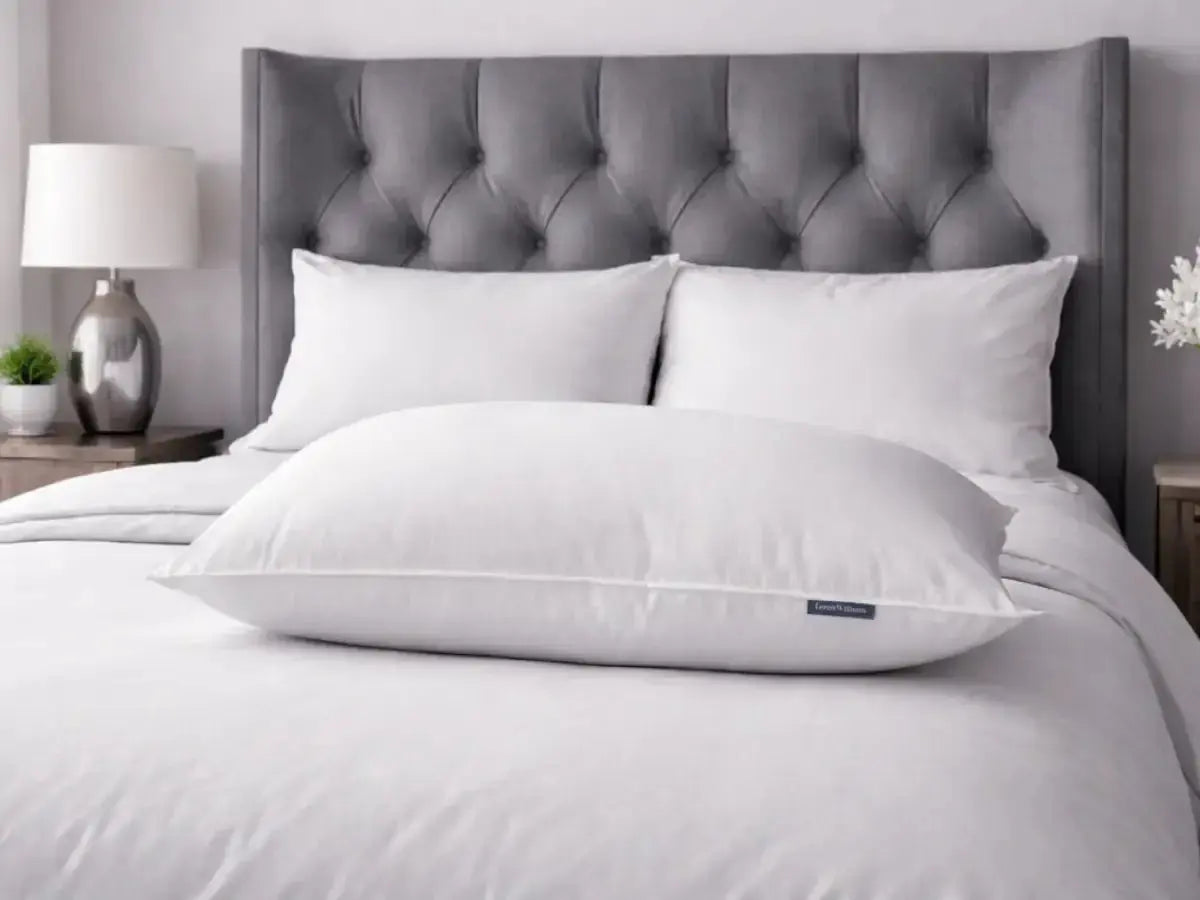
Walk into any bedding store or browse through a pillow collection and you will quickly notice that pillows come in very different heights. Some are thick and tall, others sit quite flat and the difference is not just about looks. The loft, or height, of a pillow plays a surprisingly big role in how well you sleep, how your neck feels in the morning, and whether you wake up refreshed or stiff.
If you have ever wondered why one pillow feels perfect and another leaves you tossing and turning, pillow profile is often the answer. This guide breaks down exactly what high-profile and low-profile pillows are, who each one suits, and how to find the right match for your sleep style.
What Does "Pillow Profile" Actually Mean?
Pillow profile refers to the height, or loft, of a pillow when it is lying flat on the bed and bearing no weight. Most pillows fall into one of three categories:
-
Low profile: roughly 7–10 cm in height
-
Medium profile: roughly 10–13 cm in height
-
High profile: roughly 13 cm and above
The right profile keeps your head and spine in a neutral, straight alignment throughout the night. When the alignment is off, whether because the pillow is too tall or too flat, you can end up with neck tension, shoulder aches, and broken sleep. Understanding profile is just as important as understanding pillow fill material, whether that is memory foam, latex, microfibre, or down.
High-Profile Pillows: What They Are and Who They Suit
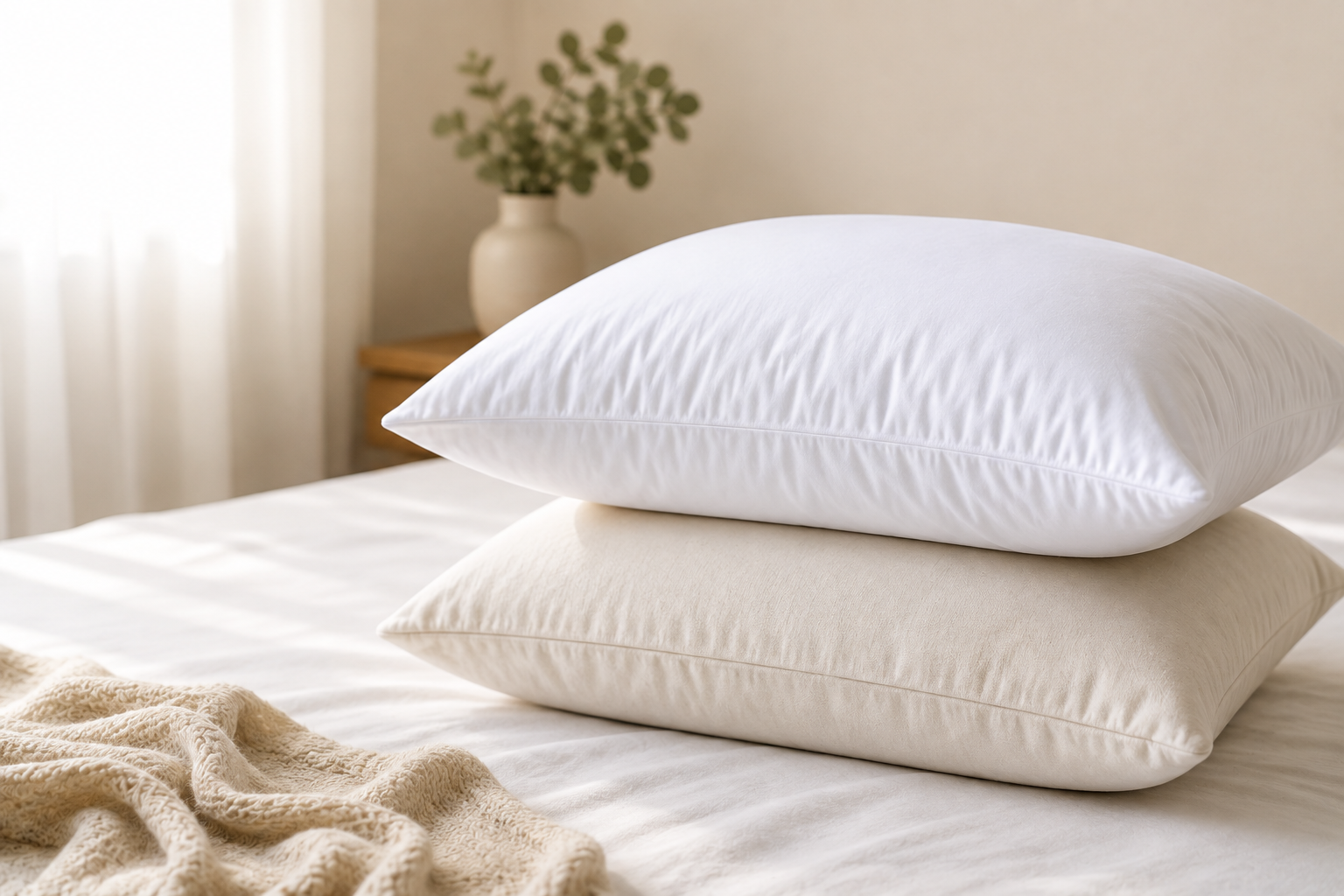
A high-profile pillow has a generous loft, typically above 13 cm, which gives it that plump, hotel-style look. The extra height is designed to fill the space between the mattress and the side of your head, keeping your neck properly supported.
Who benefits from a high-profile pillow?
High-profile pillows work best for side sleepers. When you sleep on your side, there is a significant gap between your shoulder and your head. A taller pillow bridges that gap so your head sits level with your spine rather than dropping downward. Without that support, the neck tilts, muscles tighten overnight, and you often wake with pain on one side.
People with broader shoulders generally need a higher loft than those with narrower builds, because more height is needed to keep everything in alignment.
Other situations where a high-profile pillow can help
-
If you share a mattress that is soft or has a lot of give, you may sink deeper and need extra height to stay level.
-
Combination sleepers who spend a portion of the night on their side can also benefit, provided the pillow compresses enough when they roll onto their back.
-
Those who prop themselves up to read or watch TV in bed often prefer a firmer, taller pillow for back support.
Tip: If you regularly wake with soreness along one side of your neck or notice your top shoulder rounding forward during the night, your pillow may be too low for your sleeping position.
Low-Profile Pillows: What They Are and Who They Suit
A low-profile pillow sits much closer to the mattress, usually between 7–10 cm. It offers gentle cradling without pushing the head up too high. These pillows tend to have a softer, more diffuse feel, and they are popular with people who do not need a lot of neck elevation.
Who benefits from a low-profile pillow?
Low-profile pillows are ideally suited to stomach sleepers and back sleepers with a smaller frame or lower shoulder width.
Stomach sleepers, in particular, need a very flat pillow or sometimes no pillow at all, to avoid the neck being cranked backward or sideways at an angle. A high-profile pillow on a stomach sleeper creates exactly the wrong kind of pressure on the cervical spine.
Back sleepers generally need a more modest loft than side sleepers. The mattress supports the shoulders directly, so the pillow only needs to fill the natural curve of the neck not the wide gap between shoulder and head. A low-to-medium profile is usually ideal here, especially on a plush mattress where the shoulders sink in slightly.
Additional situations where a lower loft helps
-
Children and petite adults, whose shoulders sit closer to the mattress surface
-
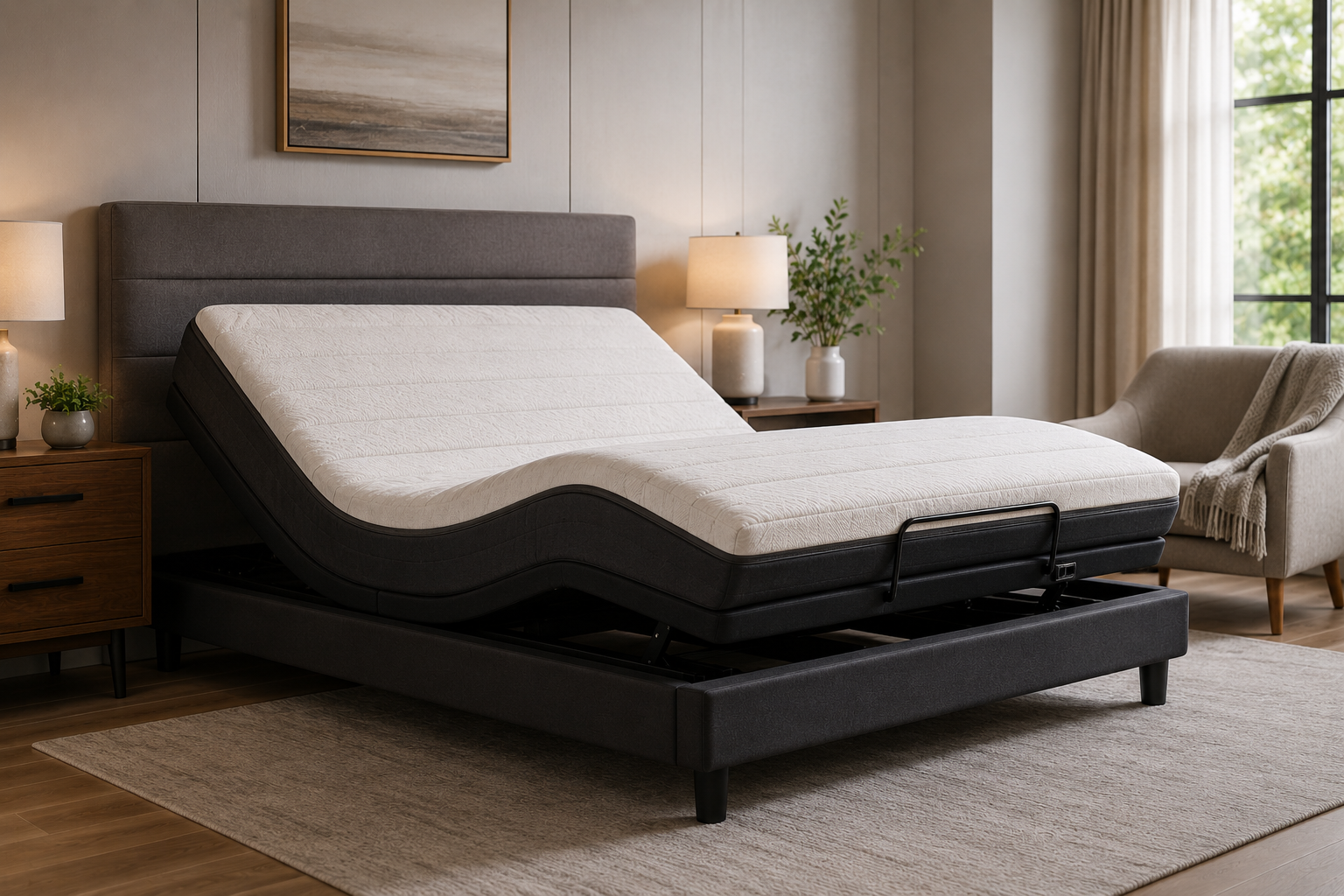
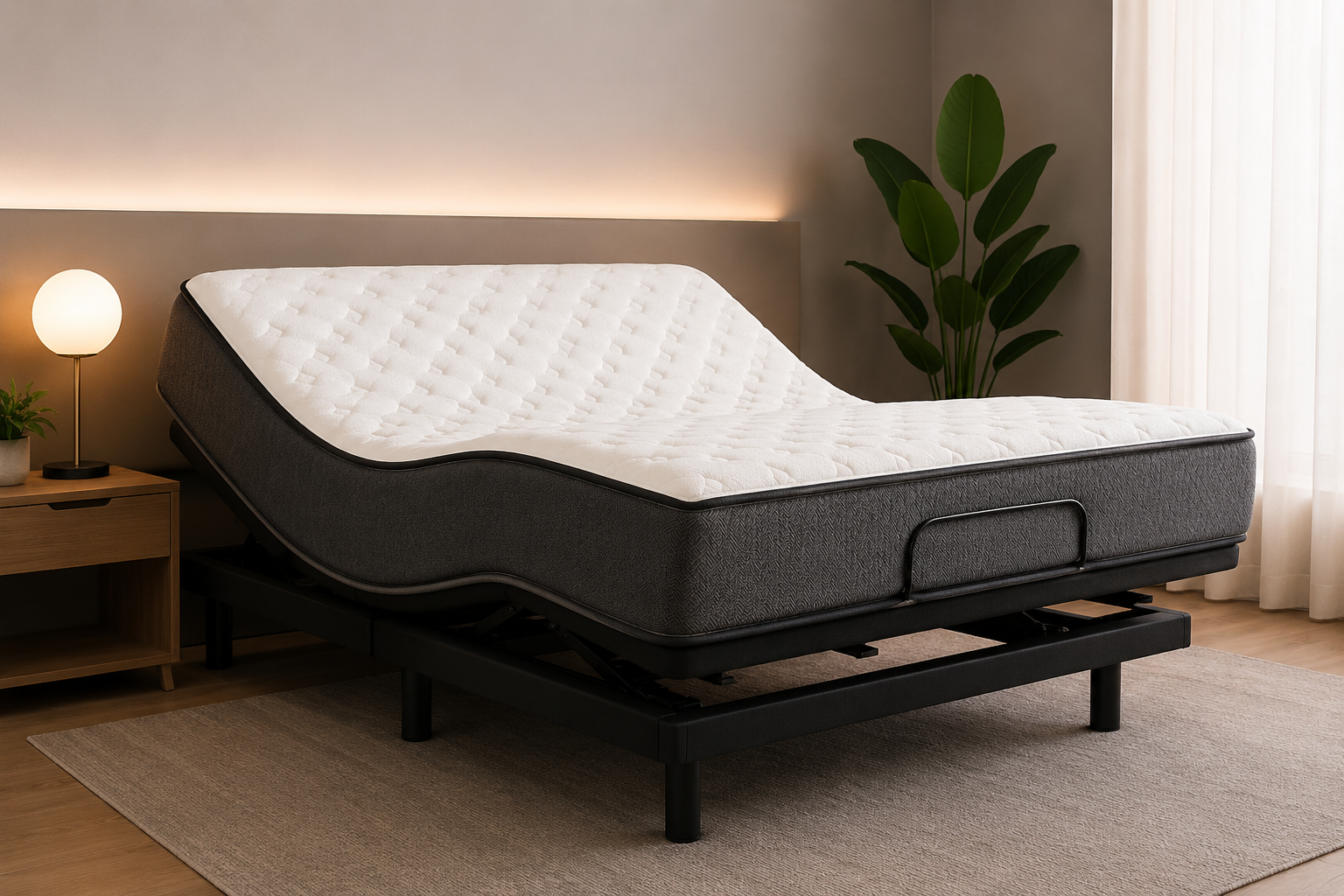
People using an adjustable bed base who already have their head slightly elevated through the electric adjustable base
-
Those who have been advised to sleep flatter for medical reasons such as reflux
High-Profile vs Low-Profile Pillows: At a Glance
|
Feature |
High-Profile Pillow |
Low-Profile Pillow |
|
Typical loft height |
13 cm and above |
7–10 cm |
|
Best sleeping position |
Side sleepers |
Stomach & back sleepers |
|
Shoulder width consideration |
Suits broader shoulders |
Suits narrower shoulders |
|
Mattress type pairing |
Firm or medium mattresses |
Soft or plush mattresses |
|
Feel |
Fuller, more elevated |
Flatter, closer to the bed |
|
Common fill materials |
Memory foam, latex, pocket springs |
Down, microfibre, thinner foam |
How to Choose the Right Pillow Profile for You
Choosing between a high-profile and low-profile pillow comes down to three main factors: your sleeping position, your body type, and your mattress.
1. Start with your sleeping position
This is the single most important factor. Side sleepers need height; stomach sleepers need very little. Back sleepers typically land somewhere in the middle. If you change positions throughout the night, a medium-profile pillow or one that adjusts its loft through a fill that compresses and rebounds, may be a better option than going to either extreme.
Understanding your sleep habits is closely tied to overall Sleep Quality, and a well-matched pillow can make a noticeable difference night after night.
2. Consider your mattress firmness
Your mattress changes how deeply your shoulders sink into the surface. On a firmer mattress, your shoulders sit higher and you will generally need a taller pillow to maintain alignment. On a softer mattress, your shoulders sink lower, reducing the gap and meaning a flatter pillow may actually serve you better.
3. Think about fill material and adjustability
Two pillows with the same stated loft can feel very different based on their fill. A Memory foam pillow holds its shape consistently, while a down or microfibre pillow can be fluffed or flattened to suit. Some pillows like those with removable fill inserts, let you customise the loft, which is a great option if you are unsure where you fall between profiles.
4. Pay attention to how your body feels
If you wake with neck stiffness or shoulder tension, it is a sign your current pillow is not at the right height for your sleep style. Likewise, if you find yourself folding or stacking your pillow, that is a clear signal you need more loft. There is a useful relationship between pillow selection and issues like Poor Sleep Posture addressing the pillow is often the simplest fix.
How Fill Material Affects Pillow Profile
The height of a pillow is closely linked to what is inside it. Here is a quick overview of common fill types and how they relate to profile:
-
Memory foam: often comes in a set high or medium loft with consistent shape retention. Excellent for side sleepers who want reliable, stable support.
-
Latex: naturally springy and responsive, typically available in both standard and contoured profiles. Latex pillows hold their shape well and do not flatten over time.
-
Pocket spring: a premium option that provides zoned support throughout the pillow, maintaining loft while contouring gently to the head and neck.
-
Down and microfibre: naturally flatter and softer; well-suited for stomach and back sleepers but can compress over time.
-
Adjustable fill: allows you to add or remove fill to set your preferred loft, giving you the flexibility of both profiles in one product.
Exploring a range of pillow types and fills side by side is one of the best ways to find what works for your body.
Pairing Your Pillow With the Rest of Your Sleep Setup
Your pillow does not work in isolation. It is part of a complete sleep system that includes your mattress, your Mattress Topper if you use one, and even your Bed frame. Getting all of these elements working together is what truly transforms your quality of sleep.
For example, if you have recently upgraded to a Pocket Spring Mattress with more give, you may find your existing high-profile pillow suddenly feels too thick. Similarly, moving from a soft mattress to a firmer one might mean your current low-profile pillow leaves you feeling unsupported.
It is also worth reconsidering your pillow whenever you change your mattress or if you notice your sleeping position has shifted, something that can happen during pregnancy, after an injury, or simply as your preferences evolve over time.
Future content idea: How to Build the Perfect Sleep System, Pillow, Mattress, and Base Working Together, a deep dive into pairing all three for optimal spinal alignment.
Pillow Profile and Neck Pain: What You Should Know
If you regularly wake with neck or upper back pain, pillow height is one of the first things to investigate. Both extremes, too high and too low can strain the muscles and joints of the cervical spine over time. The goal is neutral alignment: your head should be level with your torso, not angled up or down.
For those dealing with persistent neck discomfort, a contoured or ergonomic pillow designed specifically for cervical support may be worth exploring. These often come in both standard and high profiles to suit different sleeper types.
Finding Your Perfect Pillow
Whether you are a dedicated side sleeper who needs a tall, supportive pillow, or a back sleeper who prefers something softer and flatter, the right profile can genuinely change the way you feel each morning. The best approach is to match your pillow height to your sleeping position, body type, and mattress, treating it as the final piece of a well-considered sleep setup rather than an afterthought.
If you are ready to upgrade, explore the full range at Bedworld's pillow collection, where you will find options spanning memory foam, latex, pocket spring, and more all available with expert guidance to help you choose right the first time.