Cart
0
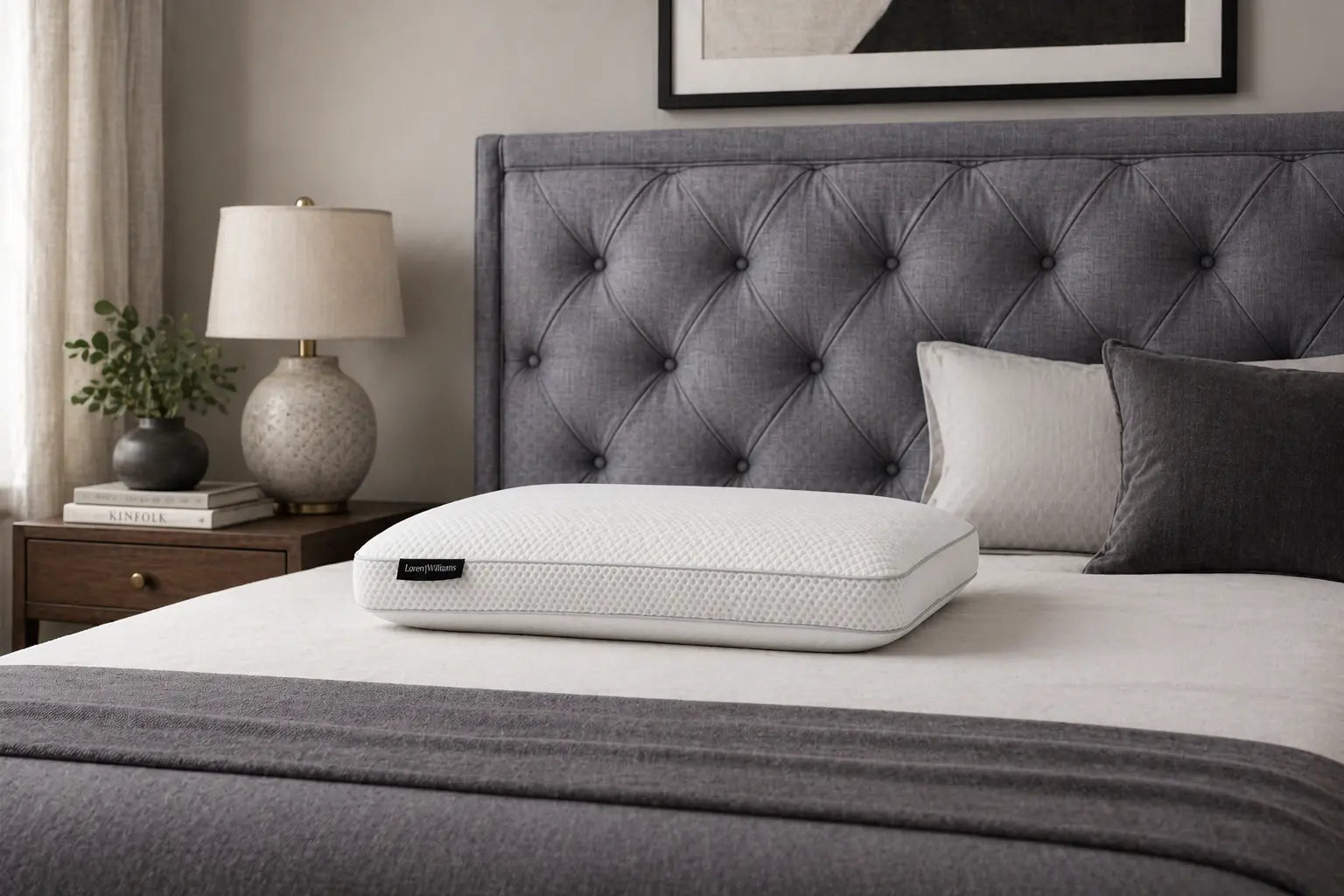
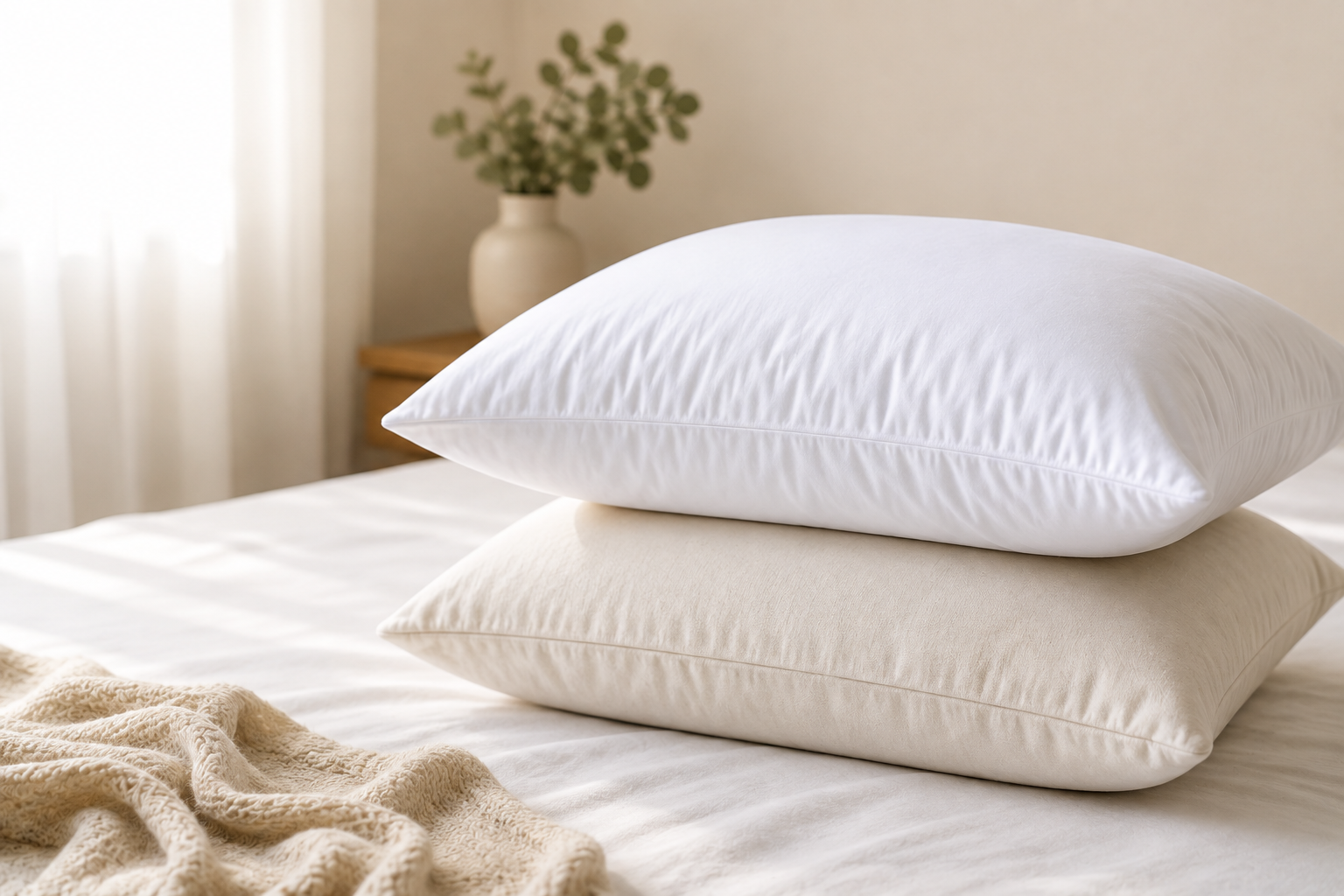
The short answer: Most pillows should be washed every three to six months and replaced every one to two years. But the full picture is a little more nuanced and knowing the details can make a real difference to your sleep quality and health.
Think about how much time you spend with your face pressed against your pillow every night. On average, that is around 2,500 hours a year. Over time, pillows accumulate dead skin cells, sweat, dust mites, and allergens, even when you use a pillowcase. Regular cleaning is not just about freshness; it is about maintaining a genuinely healthy sleeping environment.
Whether you are sleeping on a memory foam contour pillow or a classic down-filled design, the cleaning routine you follow will vary. This guide covers everything you need to know about pillow hygiene in plain, practical terms.
Why Cleaning Your Pillows Matters
Most people wash their pillowcases regularly, but the pillow itself often gets overlooked. The problem is that a pillowcase is only a partial barrier. Sweat and body oils still seep through over time, and moisture creates the ideal environment for dust mites and mold to thrive.
Dust mites are one of the most common triggers for allergies and asthma in Australia. A single pillow can harbour hundreds of thousands of these microscopic creatures after just a few months of regular use. If you wake up with a stuffy nose, itchy eyes, or feel congested without obvious reason, your pillow could be the culprit.
Keeping your pillow clean also extends its lifespan. The buildup of body oils and moisture can break down the internal fill material over time, causing the pillow to lose its shape and support. For anyone who has invested in a quality option from the Premium pillow range at Bedworld, proper care will help you get the most out of that investment.
How Often Should You Wash Your Pillows?
The general recommendation for most household pillows is to wash them every three to four months or at minimum, twice a year. However, several factors can mean you should be washing them more frequently:
-
Allergies or asthma: wash every four to six weeks to keep allergen levels low
-
Night sweats: wash monthly to prevent moisture and odour buildup
-
Pets sleeping on the bed: wash every six to eight weeks
-
Illness: wash as soon as possible after recovering
-
Acne-prone skin: more frequent washing reduces bacteria on the surface
Regardless of how often you wash the pillow itself, your pillowcase should be changed at least once a week ideally in line with your sheet changes. This is the first line of defence against bacteria, skin cells, and oils making contact with the fill.
Quick Tip: Use a pillow protector between your pillowcase and the pillow itself. It acts as an extra washable barrier that can be laundered far more easily and frequently, significantly extending the time between full pillow washes.
How to Clean Different Types of Pillows
Different pillow materials require different care approaches. Always check the care label first, but here are the general guidelines for the most common types.
|
Pillow Type |
Machine Wash? |
Temperature |
Drying Method |
|
Polyester / Fibre Fill |
Yes |
Warm (40°C) |
Tumble dry low with dryer balls |
|
Down / Feather |
Yes (gentle cycle) |
Cool to warm (30 - 40°C) |
Tumble dry low; dry thoroughly to prevent mould |
|
Memory Foam |
No - spot clean only |
Cool water for spot clean |
Air dry completely; never put in dryer |
|
Latex |
No - spot clean only |
Cool water |
Air dry flat; avoid direct sunlight |
|
Bamboo / Cooling Gel |
Check label (often yes) |
Cool (30°C) |
Air dry or tumble dry low |
Washing Polyester and Fibre-Fill Pillows
These are the easiest pillows to wash. Pop them in the machine on a gentle or regular cycle with a mild detergent. Washing two pillows at once helps balance the load. After washing, tumble dry on a low heat setting, adding a couple of clean tennis balls or dryer balls to stop the fill from clumping. Make sure they are completely dry before using them again any residual moisture can lead to mildew.
Washing Down and Feather Pillows
Down pillows can be washed at home, but they require a little more care. Use a gentle cycle, a small amount of mild liquid detergent, and avoid fabric softeners, which can coat the feathers and reduce their loft. Drying is the most critical step - down takes a long time to dry fully. Use a low heat setting and plan for a couple of hours in the dryer, checking periodically. Any dampness left inside can cause the down to clump and create an unpleasant smell.
Caring for Memory Foam and Latex Pillows
Memory foam and latex pillows cannot go in the washing machine or dryer, the agitation and heat will break down the structure of the foam. Instead, spot clean stains with a damp cloth and a small amount of mild detergent. For a general refresh, sprinkle a little baking soda over the surface, leave for 30 minutes, then vacuum it off. Air the pillow in a well-ventilated room (away from direct sunlight) to help reduce odours.
If you own a memory foam or contour Pillow for Neck Support, using a well-fitted pillow protector is especially important, since you cannot fully immerse the pillow for cleaning.
How to Remove Common Pillow Stains
Yellow sweat stains are the most common discolouration on pillows. A mixture of hot water, dish soap, hydrogen peroxide, and a scoop of laundry borax applied before washing can help lift these stains effectively. For fresh stains, act quickly - blot (do not rub) the area with cold water and a small amount of detergent.
Oil stains from hair products or skincare can be pre-treated with a small amount of dish soap worked in gently before laundering. Blood stains respond best to cold water (never hot, which sets the stain) and an enzyme-based stain remover.
Signs It's Time to Replace Your Pillow
Even with consistent washing, pillows do not last forever. The general guideline is to replace synthetic pillows every one to two years, and down or latex pillows every two to three years. Here are the key signs that it is time for a new one:
-
The pillow does not spring back into shape when you fold it in half and release it
-
You wake up with persistent neck or shoulder stiffness
-
There are visible stains that washing cannot remove
-
The pillow has a musty smell even after washing
-
You are sneezing or experiencing allergy symptoms that improve when you sleep elsewhere
If your pillow has reached the end of its life, it is worth taking the time to choose a replacement that suits your sleep position and comfort preferences. The right pillow plays a significant role in spinal alignment and overall sleep quality - just as important as the surface you sleep on. Browsing the full pillow collection at Bedworld is a good starting point, with options suited to side sleepers, back sleepers, and everything in between.
Building a Simple Pillow Care Routine
Staying on top of pillow hygiene does not have to be complicated. A straightforward routine is far more sustainable than occasional deep-cleaning marathons:
-
Weekly: Change your pillowcase (and wash the pillow protector at the same time)
-
Monthly: Air your pillows in a well-ventilated spot, ideally with some exposure to indirect sunlight
-
Every 3–6 months: Machine wash or spot-clean your pillows, depending on the material
-
Every 1–2 years: Assess whether the pillow still offers proper support, and replace if needed
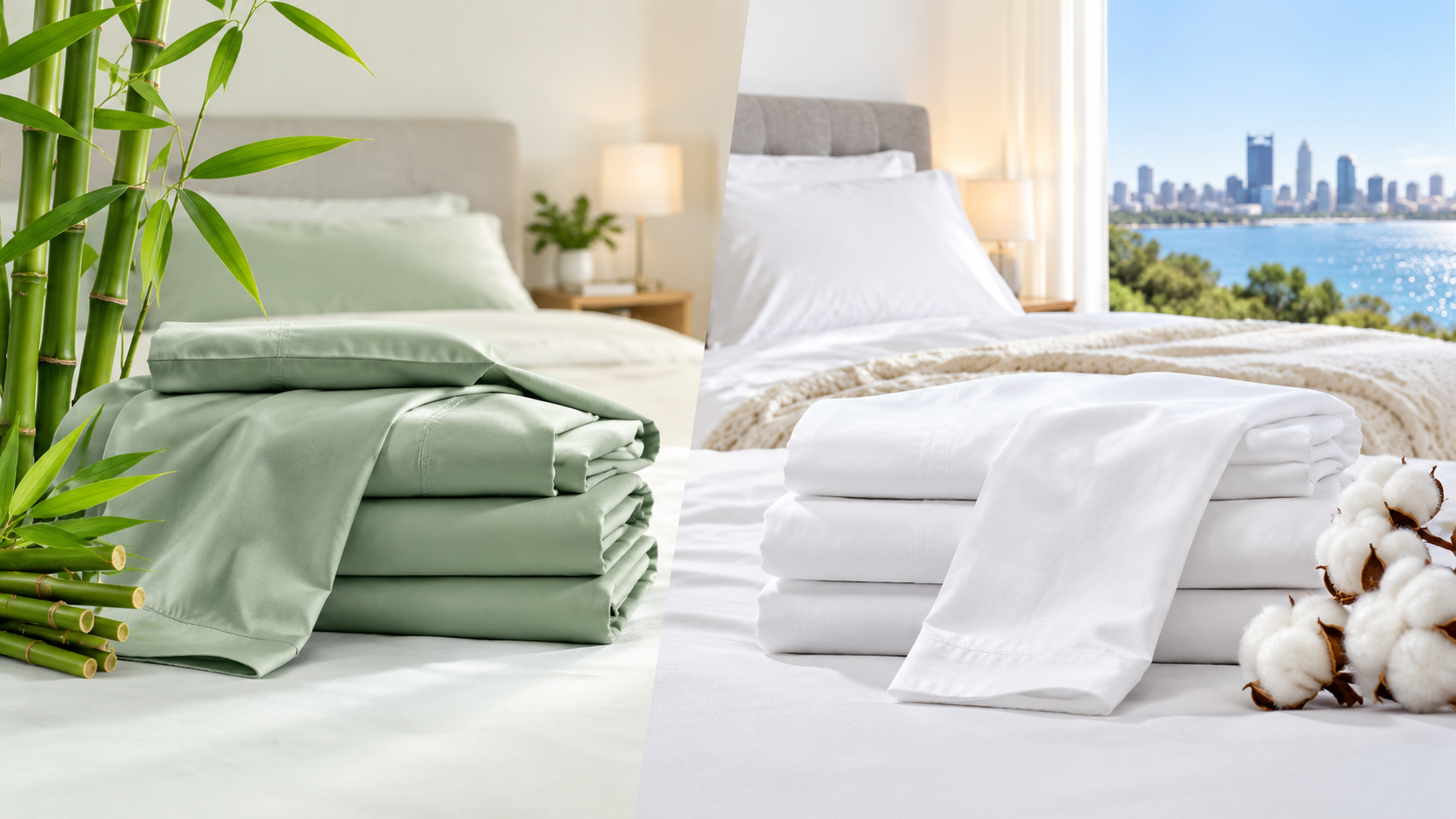
Pairing your clean pillow with high-quality, breathable Sheets and Blankets makes a noticeable difference to hygiene as well - natural fibres like cotton and bamboo help wick moisture away rather than letting it pool on the surface.
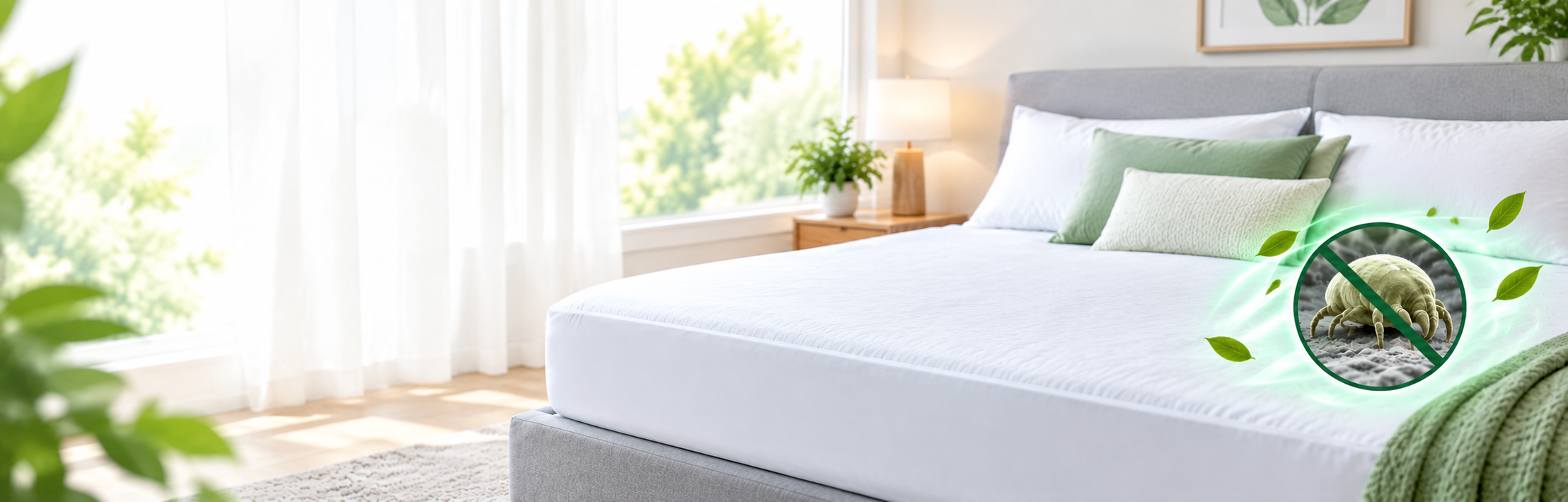
It is also worth considering the wider picture of your sleep environment. A quality Mattress Protector works hand in hand with your pillow care routine, keeping allergens and moisture away from your mattress and reducing the frequency with which you need to deep-clean your entire sleep setup. Similarly, **how to care for your quilt and doona** is another common question - regular airing and seasonal washing keeps your quilt fresh alongside your pillows.
Does Pillow Type Affect How Often You Need to Clean?
Yes - the material of your pillow directly influences how quickly it accumulates allergens and how easy it is to keep clean. Synthetic polyester fills tend to absorb more moisture and therefore need washing more frequently. Natural latex is naturally resistant to dust mites and mould, so it stays hygienic for longer with less effort.
Memory foam pillows sit somewhere in the middle, they cannot be fully washed, but a good pillow protector largely compensates for this limitation. Cooling gel and bamboo pillows are also becoming increasingly popular in warmer Australian climates, as they reduce sweating during the night and therefore slow the buildup of moisture and bacteria.
If you are unsure which type suits your sleeping style or health needs, the complete Manchester bedding range at Bedworld includes a wide range of options with clear descriptions of each material's properties.