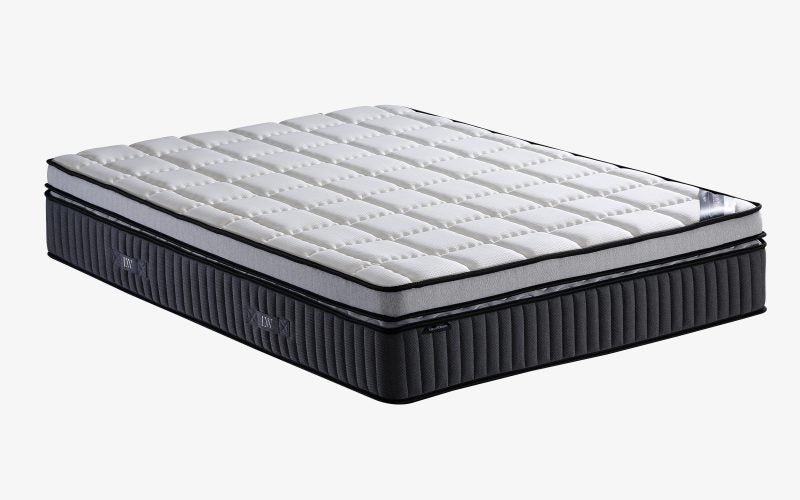
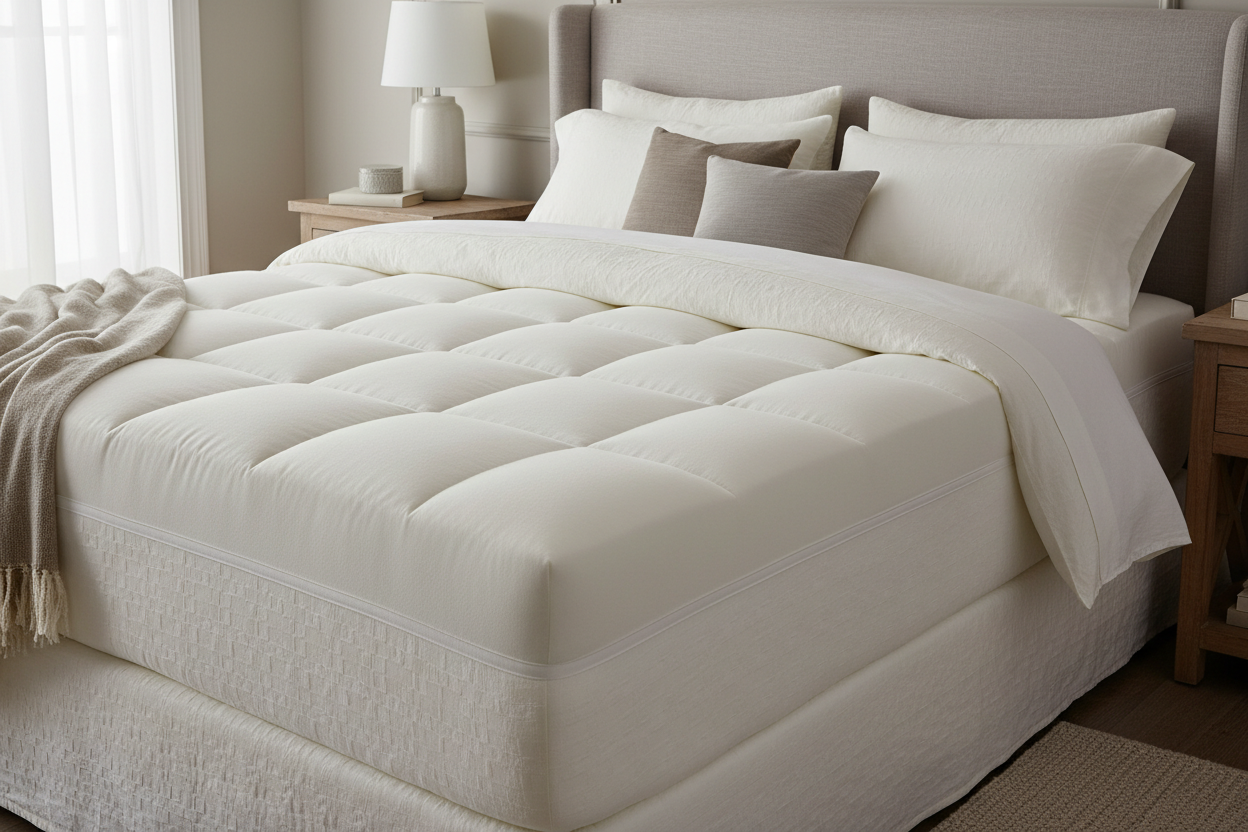
Lower back pain affects millions of Australians every day. Your mattress plays a bigger role than most people realise. The best mattress for back pain among Australian sleepers offers medium-firm support that promotes proper spinal alignment. Pain often starts when the bed fails to support the natural curve of the lower spine.
The right surface keeps the hips, shoulders, and lumbar region aligned all night. Around 4 million Australians live with back problems, and many cases trace to worn or poor sleep surfaces. Picking the right bed becomes a daily comfort issue and a long-term health choice. This guide covers firmness, materials, features, and replacement signs for pain-free sleep.
Key Takeaways
-
Medium-firm mattresses suit most back pain sufferers and align the lumbar spine well.
-
Pocket springs, memory foam, and latex each support back pain in different ways.
-
Sleep position changes, which firmness and material work best for your spine.
-
Replacing a mattress every 7 to 10 years keeps proper support in place.
Why Does Your Mattress Affect Lower Back Pain?
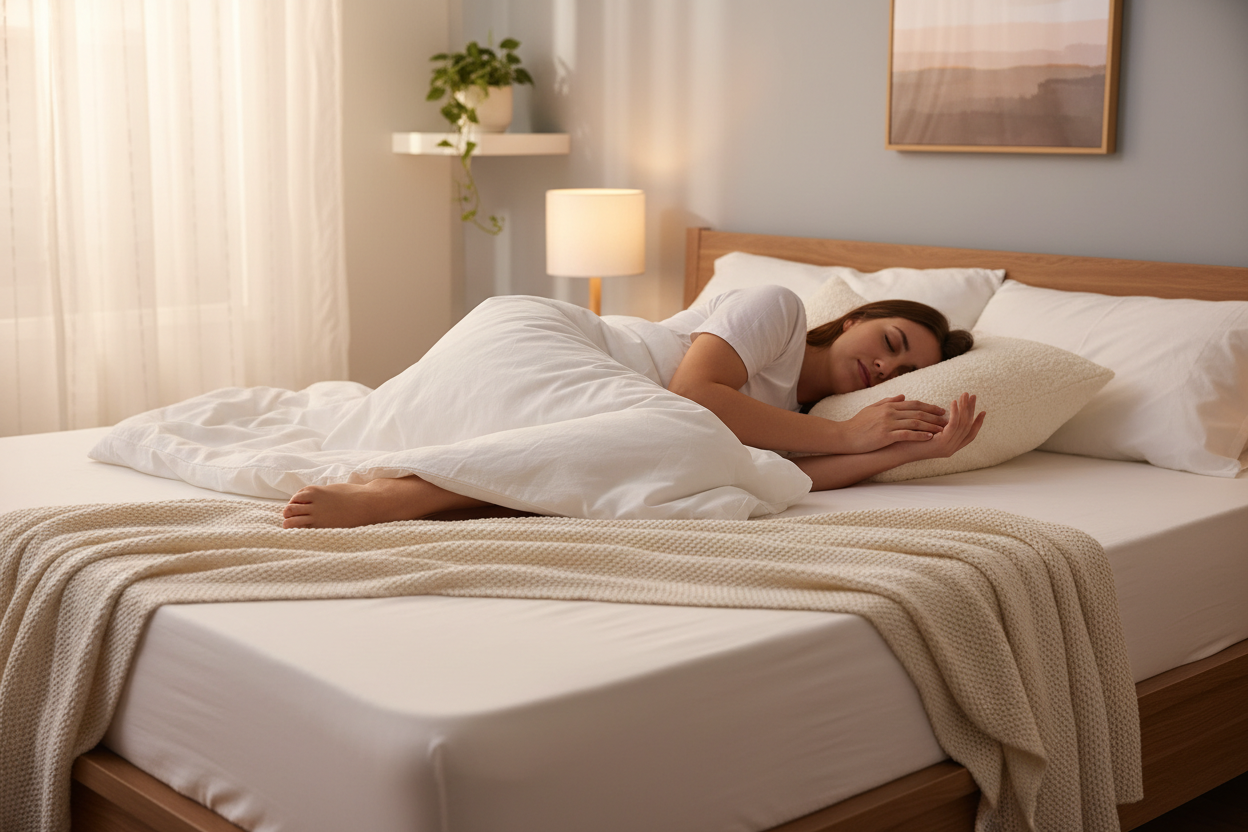
Sleep takes up nearly a third of your life. The surface you lie on shapes long-term spinal health. A mattress that sags or feels too hard pulls the spine out of line. Over time, this strains the discs, ligaments, and muscles of the lower back. The result often shows up as morning stiffness, sharp aches, or chronic discomfort.
Poor sleep posture remains a leading factor in lower back pain among adults nationwide. The right mattress works as a base that holds the spine in its natural S-curve. Hips should not sink too deep, and shoulders should not float above the surface. Balance keeps pressure off the lumbar region while allowing the muscles to relax fully.
Many Australians blame their pillow or office chair for back issues. A worn-out mattress is often the real cause of ongoing problems. Waking sore but feeling better after stretching points to the bed as the issue. The link between morning stiffness and a worn mattress gets stronger with age.
What Mattress Firmness Helps Lower Back Pain Most?
Firmness ranks as one of the biggest factors in mattress choice for back pain relief. Sleep experts and physiotherapists often point to medium-firm as the sweet spot. Medium-firm mattresses outperform firm ones for back pain over a 90-day trial. The findings still shape mattress recommendations across Australia today.
How Does Medium-Firm Compare to Firm?
Medium-firm gives gentle contouring while still holding the spine in line. The surface lets shoulders and hips sink slightly, keeping the lumbar curve neutral. Very firm mattresses push the body upward, creating gaps under the lower back. These gaps add stress to the spine and make pain worse over time. Lighter sleepers especially struggle on a too-firm bed.
When Should You Choose a Softer Mattress?
Softer mattresses suit lighter sleepers and side sleepers with sharp hip and shoulder pressure. People under 60 kilograms often need a softer feel for proper contouring. A bed too firm for a light frame leaves pressure points unsupported. Heavier sleepers need extra support to prevent soft beds from sagging under their weight. The choice between soft and firm comfort levels depends on weight and sleep position.
Which Types Are Best Mattress For Back Pain Australia?
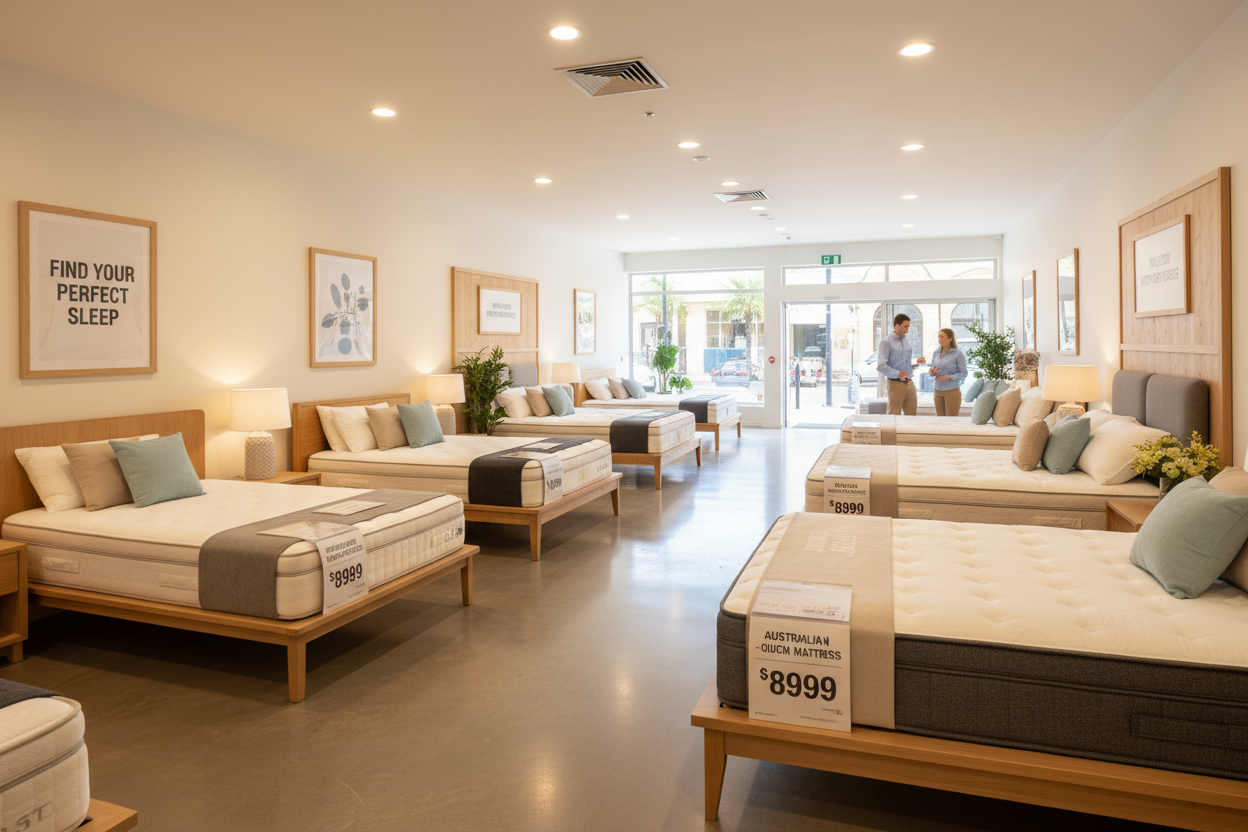
Australians can choose from several mattress types, each offering different back support. Body weight, sleep position, and climate all affect which one suits you best. Below are the main options worth comparing for spine-friendly sleep.
How Do Pocket Spring Mattresses Support Your Spine?
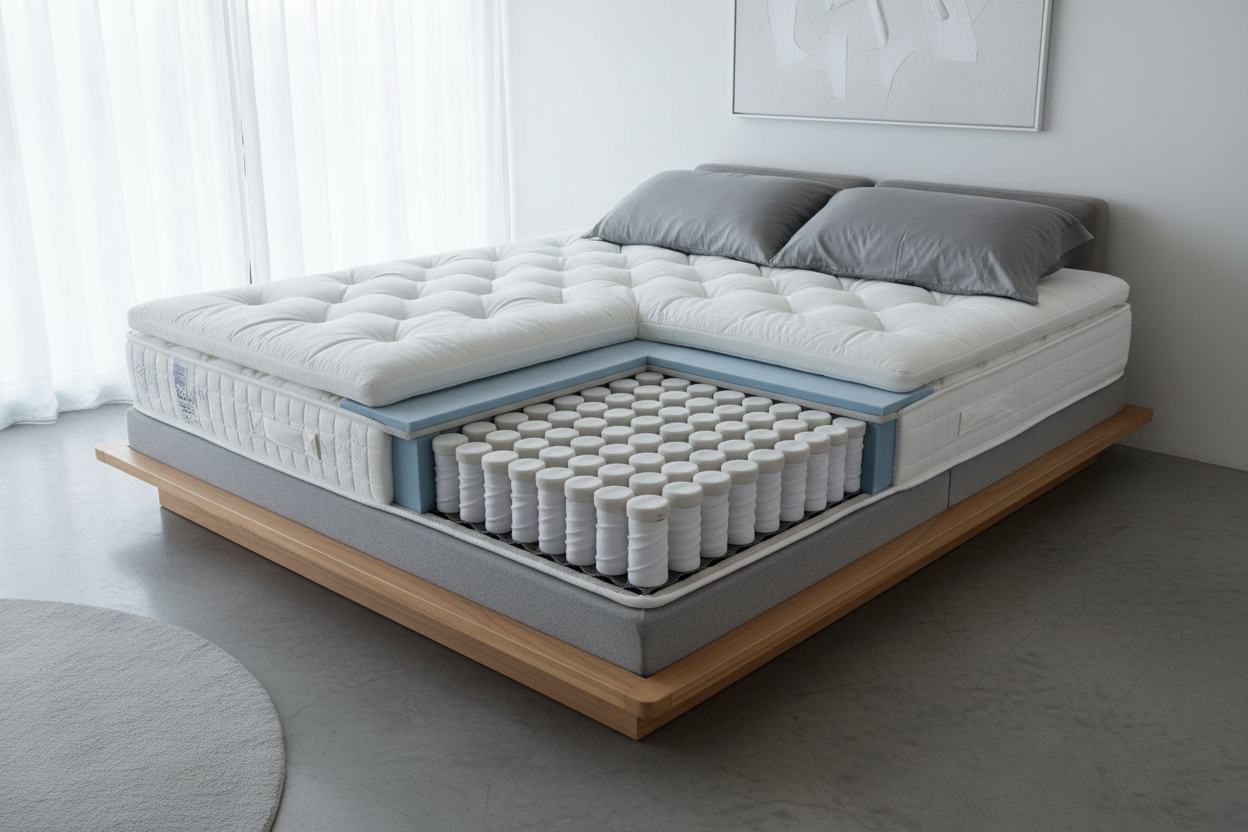
Pocket springs hold each coil in its own fabric pocket. Each one moves on its own. This action shapes around the body and keeps the spine straight through the night. Heavier areas, like the hips, sink into deeper coils, while shoulders rest on softer ones. The targeted support works well for stomach and back sleepers with lumbar issues. Modern pocket spring beds also include zoned support for added comfort.
What Do Memory Foam Mattresses Offer for Back Pain?
Memory foam moulds to the body using heat and weight. The contouring evenly distributes pressure and reduces strain on the lower spine. Side sleepers with hip or shoulder pain often feel quick relief on memory foam. Modern foam options include cooling gels for warmer Australian climates. The contrast between memory foam and pocket spring designs for back pain shows in the long-term feel.
Where Do Latex and Hybrid Options Fit In?
Latex feels bouncy and responsive, offering firm support without trapping body heat. Natural latex resists dust mites, which helps allergy-prone sleepers across Australia. Hybrid mattresses mix pocket springs with foam or latex layers for balanced support. Hybrids suit couples with different firmness needs sharing one bed. The mix of contouring and bounce makes hybrids popular among Australian shoppers right now.
What Features Should a Back Support Mattress Include?
Back-friendly mattresses share a few key features that improve spinal comfort. Knowing what to check during shopping makes the decision easier. Below are the main ones to look for before you buy.
-
Zoned support. Different firmness levels across the bed match the shoulder, hip, and lumbar zones.
-
Edge support. Stronger sides stop sagging when you sit or sleep near the edge.
-
Pressure relief layer. Soft top layers cushion shoulders and hips for side sleepers.
-
Breathable cover. Materials like Tencel or bamboo help regulate body temperature overnight.
-
Motion isolation. Less movement transfer keeps pain-prone sleepers undisturbed by partners.
The combination beats any single feature on its own. A bed with great pressure relief but poor edge support can still cause back issues. The split between orthopaedic and back support designs often confuses first-time buyers.
How Does Your Sleep Position Affect Your Mattress Choice?
Your usual sleeping position decides which firmness and material suit your back. Each position puts different stress on the spine and pressure points. Below shows how the main positions match with mattress types.
-
Side sleepers need medium to medium-soft firmness with extra hip and shoulder cushioning.
-
Back sleepers suit medium-firm beds that support the lumbar curve without dipping.
-
Stomach sleepers require firmer mattresses to stop the lower back from arching.
-
Combination sleepers benefit from responsive surfaces such as latex or hybrid materials.
Side sleeping is the most common position among Australian adults by a wide margin. Many side sleepers need extra contouring to keep their spines straight while sleeping. The right firmness for side sleepers with back issues usually sits between 5 and 6 out of 10.
When Should You Replace Your Mattress for Better Back Health?
Mattresses lose support over time, even quality ones built for back pain relief. Most last between 7 and 10 years before they start working against the spine. Sagging foam, broken springs, and lumpy fillings all signal the bed has had its day. Watch out for these clear signs that it’s time to replace.
-
Visible sagging or body impressions deeper than 2 centimetres.
-
Waking sore even after a full night of rest.
-
Squeaks, creaks, or odd noises from the springs.
-
Allergies, dust, or smells are getting worse over the months.
-
Better sleep when staying at hotels or family homes.
If two or more apply to your bed, replacement should come sooner rather than later. Holding onto an old mattress can lead to chronic back pain and poor sleep cycles. Knowing how often to replace your mattress helps with budgeting and timing.
How Can Australians Match a Mattress to Their Body and Climate?
Body weight, height, and the warm Australian climate all play roles in mattress choice. Heavier sleepers above 100 kilograms often need firmer beds with stronger cores. Lighter frames sink less and benefit from softer top layers for proper contouring.
Heat retention plays a big role across most Australian states because bedrooms warm up overnight. Memory foam without cooling layers can trap body heat, disrupting sleep cycles. Pocket springs and latex breathe better and suit hotter climates well. Choose breathable covers and gel-infused foams for year-round comfort across summer and autumn.
The bedroom environment affects recovery from chronic back pain more than most people realise. A cool, dark, and quiet room paired with the right bed speeds up muscle repair. The best mattress for back pain Australia shoppers can pick depends on body type and climate.
Sources