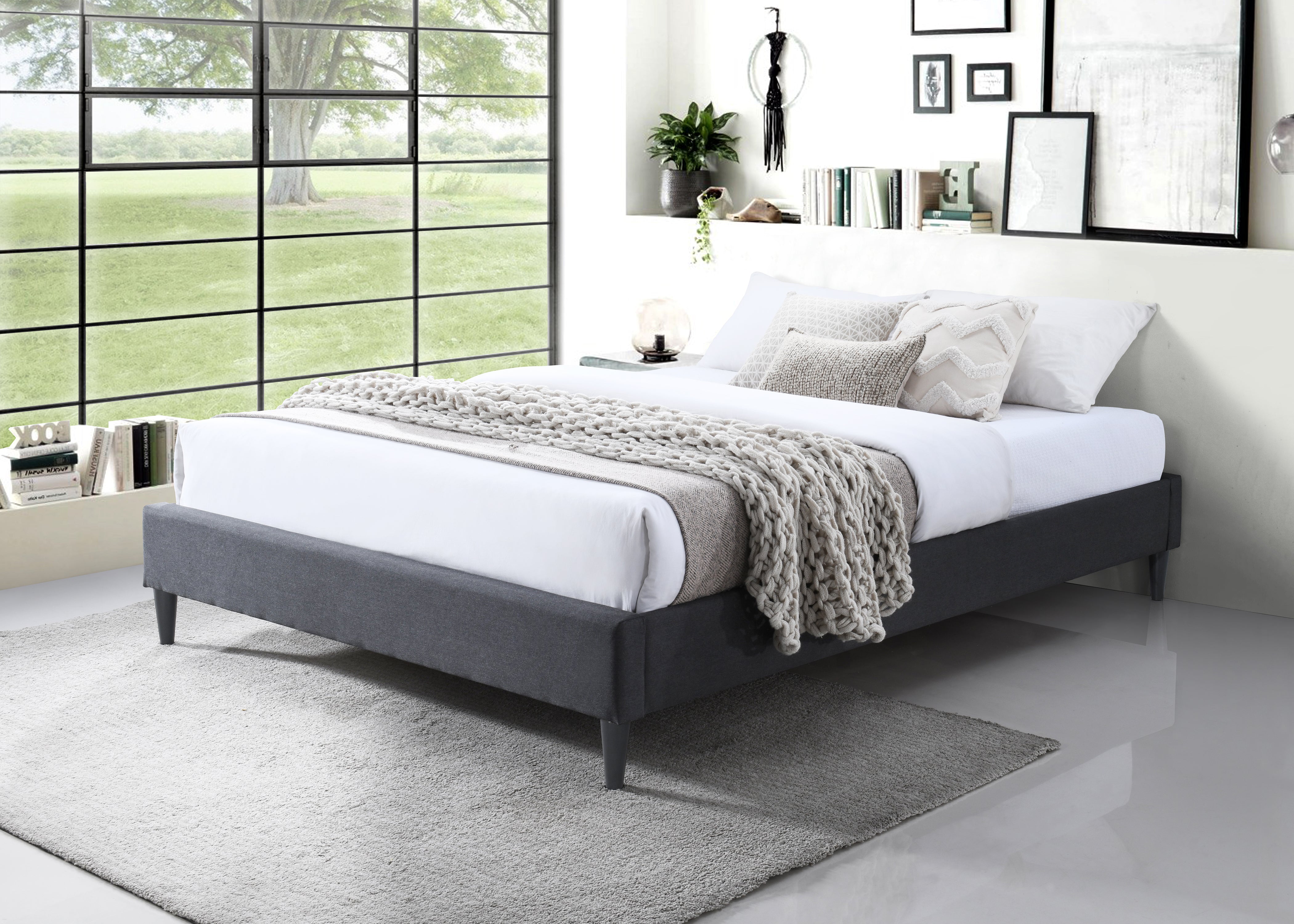
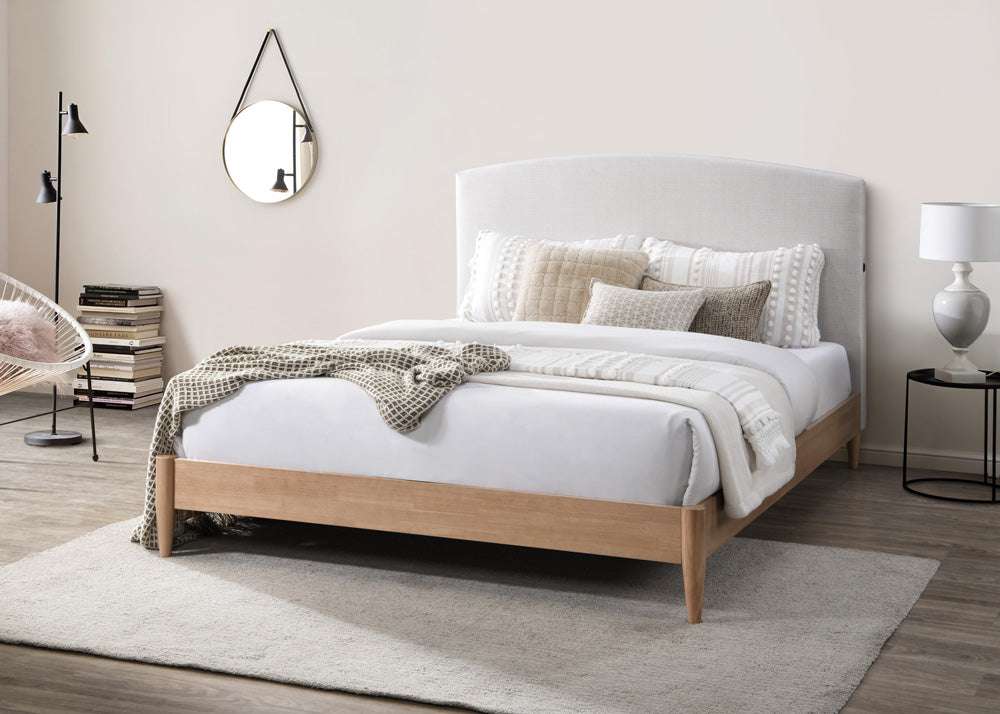
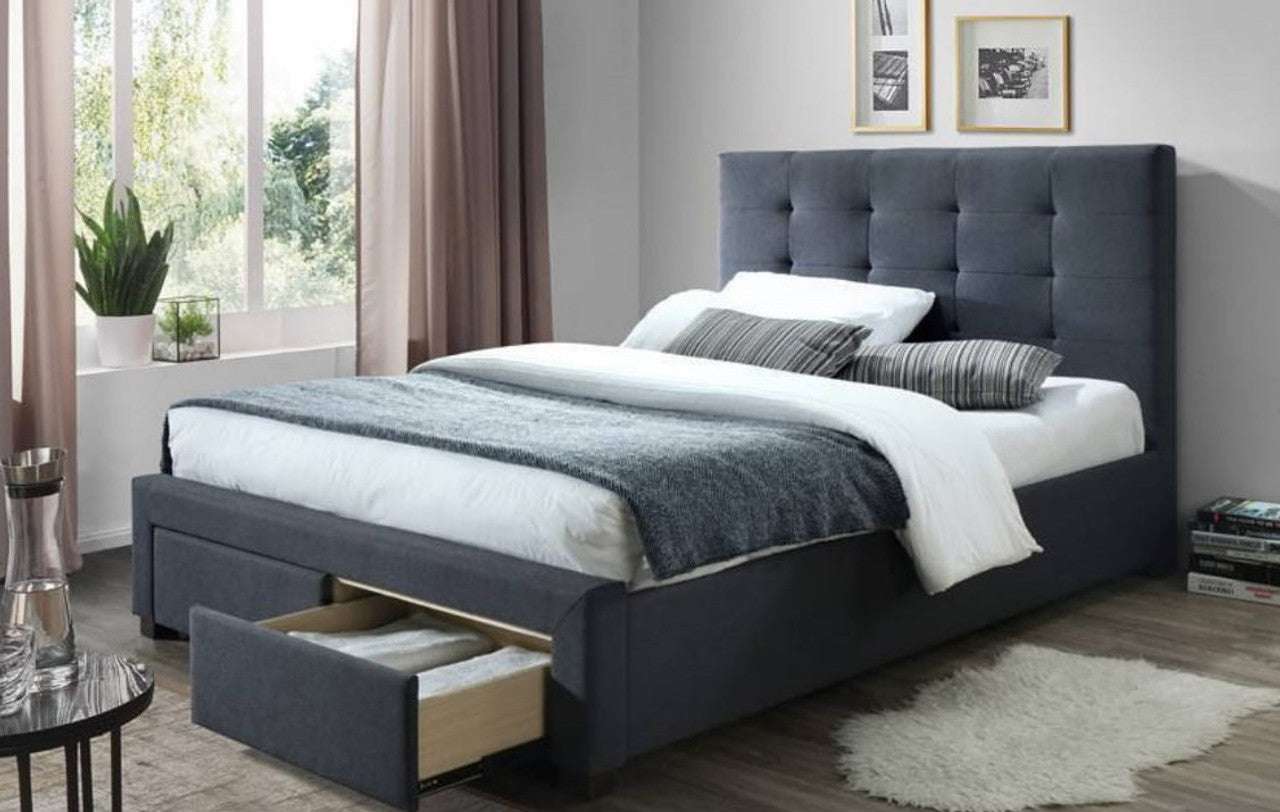
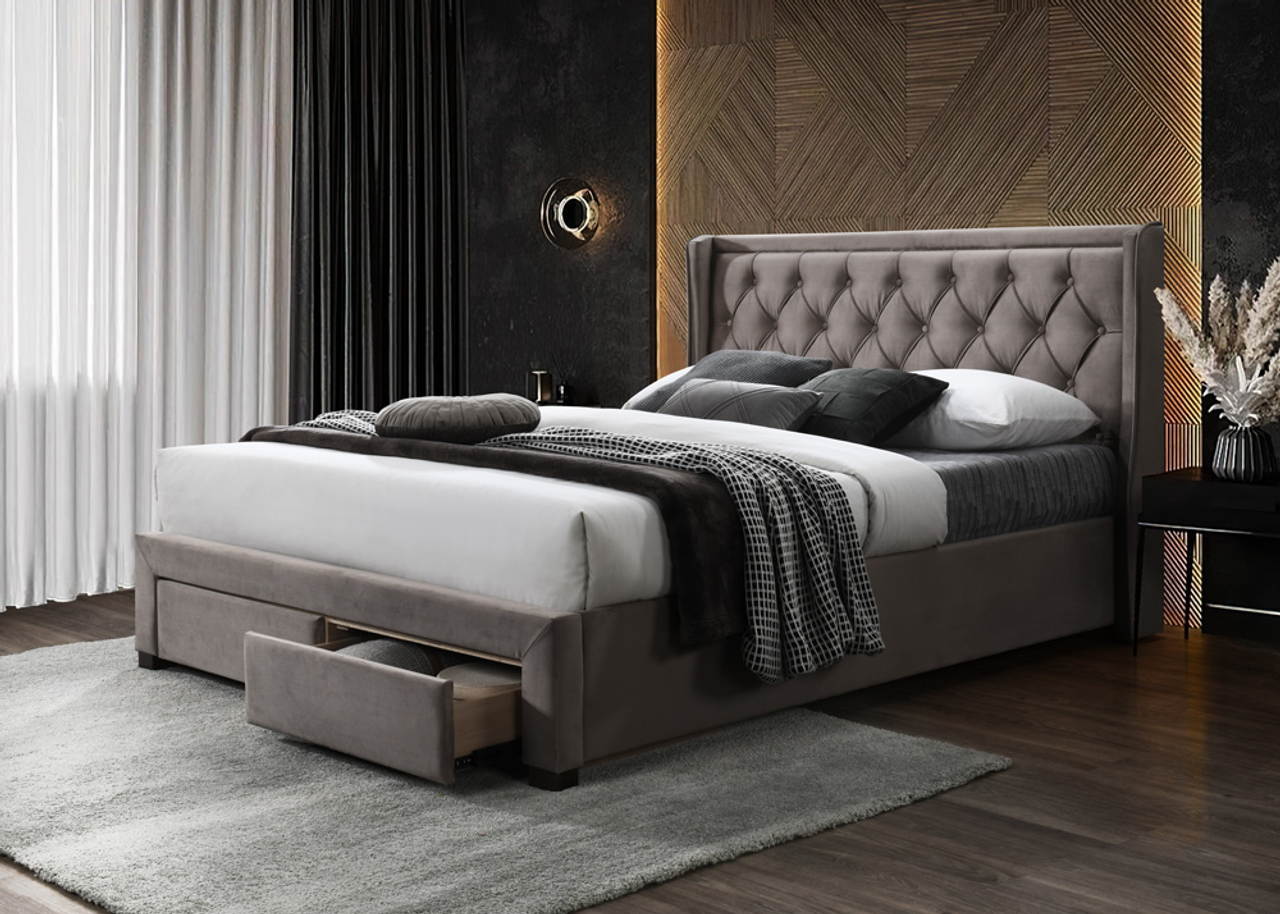
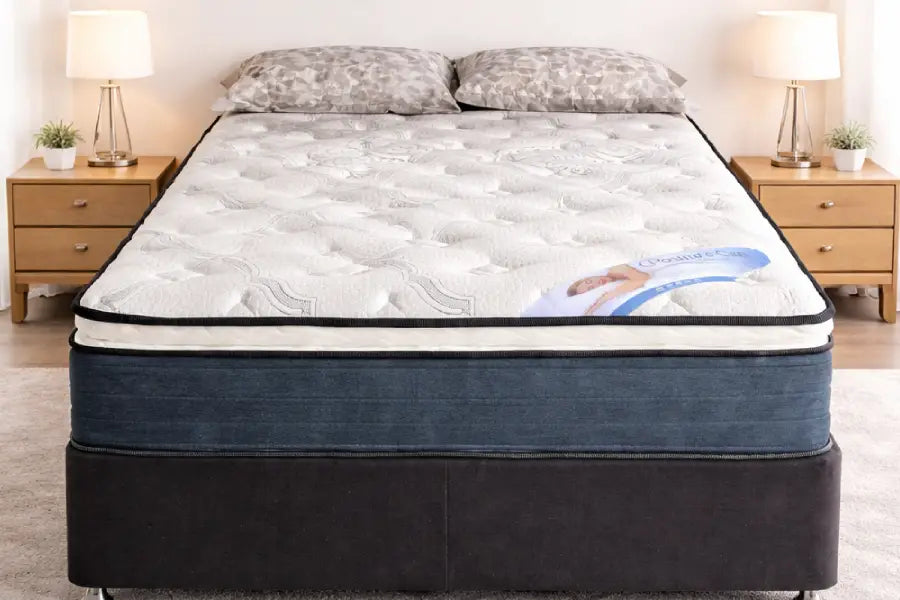
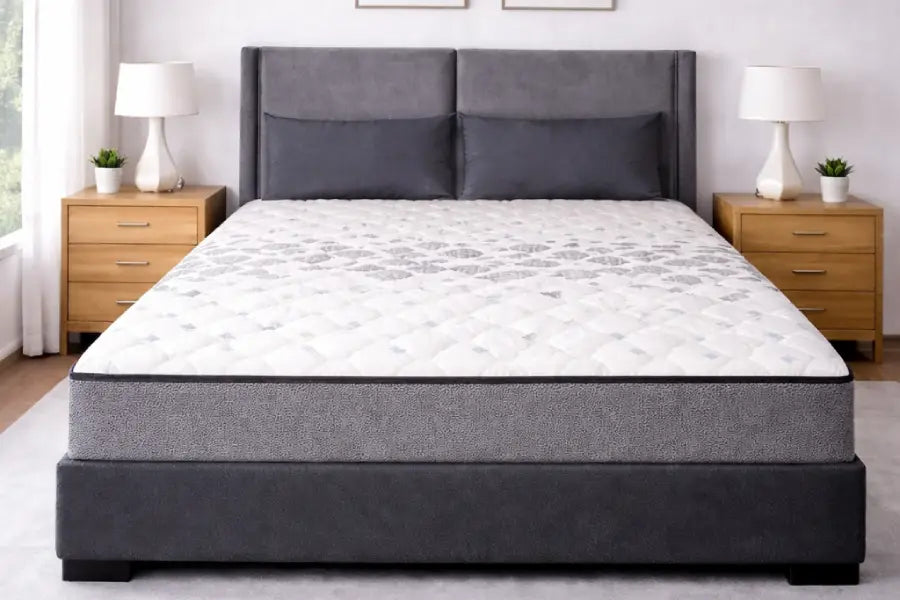
You've invested in a quality mattress — so why do you still wake up feeling stiff, sore, or like you slept on a park bench? More often than not, the mattress isn't actually the problem. The real culprit is what's sitting underneath it.
Bed bases are one of the most overlooked parts of a good sleep setup. Most Australians focus heavily on mattress type, firmness, and brand — and for good reason. But pairing the right mattress with the wrong base is like putting premium tyres on a car with a bent axle. The support just doesn't work the way it should.
In this guide, we'll walk you through why bed bases matter so much, how different base types affect your sleep comfort, and what to look for when matching a base to your mattress.
What Does a Bed Base Actually Do?
A bed base does a lot more than simply hold your mattress off the floor. Its primary job is to provide a stable, even foundation that allows the mattress to perform as designed. Without the right base, even the most well-engineered mattress can behave in ways that feel uncomfortable, unsupportive, or simply wrong.
Here's what a good base contributes to your sleep:
-
Even weight distribution — spreading your body weight across the mattress without creating pressure points
-
Structural support — preventing the mattress from sagging or sinking in the middle over time
-
Airflow — allowing ventilation beneath the mattress to regulate temperature and reduce moisture
-
Shock absorption — dampening movement so you and your partner aren't disturbed throughout the night
When any of these functions are compromised by a poorly matched or worn-out base, the mattress above it suffers — regardless of its quality or price tag. Exploring how a well-chosen sleeping surface improves rest and comfort is a worthwhile starting point for anyone struggling with their current setup.
Why the Wrong Base Makes a Mattress Feel Hard
This is something that genuinely surprises people. A mattress labelled as "medium" or "plush" can feel significantly firmer than expected — and the base is often responsible.
Here's why it happens:
1. Solid or Overly Rigid Platforms
A fully solid platform base — without any flex or give — effectively creates a hard floor beneath your mattress. The mattress has no room to respond to your body weight. Springs can't compress fully, and foam layers can't contour as designed. What you feel is the resistance of the mattress material rather than the comfort it was built to provide.
2. Slats That Are Too Far Apart
Slatted bed frames are extremely common and generally excellent — but only when the slat spacing is appropriate. Slats more than 7–8 cm apart create gaps where the mattress base can dip between them. Over time, this causes uneven wear, loss of support, and that dreaded "lumpy" feeling. It can also void the warranty on many quality mattresses.
3. A Base That's Worn Out or Broken
Bases don't last forever. Timber slats crack. Metal frames bow. Ensemble bases develop soft spots. If your base is more than 8–10 years old, it's likely no longer providing the support it once did — and your mattress is taking the punishment. This is one of the key considerations when deciding whether it's the bed frame or the mattress that needs replacing.
4. Mismatched Base and Mattress Type
Certain mattress types are designed for specific base styles. Placing a memory foam mattress on a widely slatted frame, for example, can cause the foam to push through the gaps — leading to discomfort and premature wear. Similarly, placing an innerspring mattress on an overly flexible base can cause the springs to compress irregularly.
"The mattress gets all the attention, but it's the base that determines how well that mattress actually performs every single night."
The Main Types of Bed Bases — and What They're Best For
Understanding the main base options available helps you make a smarter decision, whether you're buying new or troubleshooting existing discomfort.
|
Base Type
|
Best For
|
Watch Out For
|
|
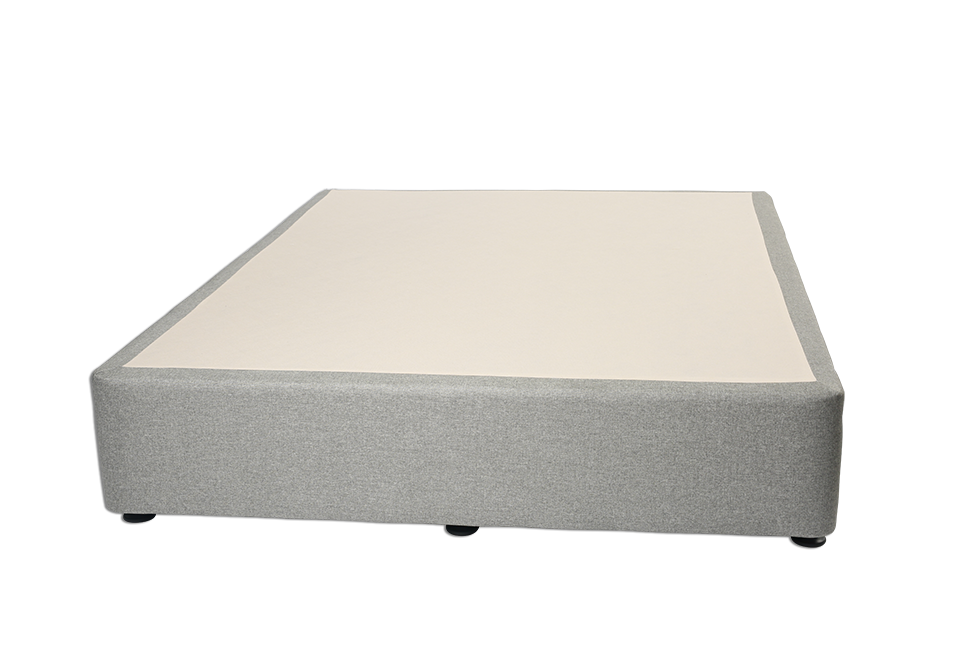
Ensemble Base (Divan)
|
Most mattress types, especially pocket spring & foam
|
Reduced airflow vs. slatted; adds height
|
|
Slatted Bed Frame
|
Pocket spring, latex, hybrid mattresses
|
Slat gap must be <7–8 cm; check slat thickness
|
|
Platform / Solid Base
|
Memory foam mattresses that need firm even support
|
Too rigid for spring mattresses; limits contouring
|
|
Adjustable / Electric Base
|
Memory foam, latex, flexible pocket spring mattresses
|
Not compatible with all mattress types; check before buying
|
|
Box Spring
|
Traditional innerspring mattresses
|
Less common in Australia; adds significant height
|
If you're drawn to the added functionality of a motorised setup, it helps to understand what goes into an electric adjustable bed and how its parts work together before making a purchase decision.
Matching Your Base to Your Mattress Type
Getting this pairing right is the single most important step most Australians skip. Here's a simple breakdown by mattress type:
Pocket Spring Popular
Works best on an ensemble base or a slatted frame with closely spaced, sturdy slats. The springs need consistent support to compress evenly. Browse our pocket spring range for options designed with base compatibility in mind.
Memory Foam
Needs a flat, solid, or closely-slatted base. Memory foam is heavy and requires even support to prevent warping. Avoid loose slatted frames. Our cooling gel memory foam options are designed to pair well with appropriate bases.
Latex Breathable
Latex mattresses are heavy and need a solid or closely slatted platform for full support. Good airflow is key. Pair with a slatted frame that has maximum 6 cm gaps. See our latex mattress collection for guidance.
Hybrid / Innerspring
Versatile — works on ensemble bases and slatted frames. The key is slat support. If you're unsure what firmness or construction suits you, our guide to choosing the right mattress covers everything clearly.
Signs Your Base Could Be Sabotaging Your Sleep
It's worth doing a quick audit of your current setup. Look out for these warning signs:
- You wake up with lower back, hip, or shoulder pain despite owning a relatively new mattress
- You can feel the slats through the mattress when lying down
- The centre of your bed dips noticeably when you sit or lie on it
- Your mattress has shifted or slides around on the base
- You hear creaking or see visible damage to the frame or slats
- Your mattress feels significantly different from how it felt in-store
💡Quick test: Lie flat on your back and slide your hand under the small of your back. If there's significant gap — or if the surface feels completely unyielding — your base and mattress combination may not be working correctly together.
If you're regularly waking up in discomfort, it's worth reading about how sleep posture and surface quality directly contribute to back and neck pain. The base-mattress relationship plays a central role.
Mattress and Base Packages: The Smarter Option
One of the best ways to avoid compatibility issues entirely is to buy a matched mattress and base package. These are purpose-paired combinations where the manufacturer has already confirmed that the base and mattress work together to deliver optimal support and comfort.
With a matched package, you get:
- Guaranteed compatibility between the mattress and its foundation
- Better overall value compared to buying each piece separately
- Peace of mind knowing the ensemble has been designed and tested as a unit
- Consistent warranty coverage across both components
This is especially important if you're replacing a mattress that has reached the end of its life — it's often the right time to assess and upgrade your base as well. A dedicated guide to how base construction affects mattress feel and longevity would be a valuable companion resource here.

What About Adjustable Bases?
Electric adjustable bases are increasingly popular in Australia — and for good reason. They allow you to customize your head and foot position, which can relieve pressure on the lower back, reduce snoring, improve circulation, and make activities like reading in bed far more comfortable.
However, they do require a compatible mattress. Memory foam and latex mattresses are generally the most flexible and perform best with electric adjustable bed bases. If you already own a spring mattress, it's worth checking whether it's rated for use with an adjustable frame before investing.
If you're new to adjustable bases, understanding what an adjustable base is and who it benefits most is a great starting point. And for those weighing up the broader pros and cons, an honest comparison of adjustable versus traditional sleeping setups lays out what matters most depending on your lifestyle and health needs.
Find the Right Base for Your Mattress
Browse Bedworld's full range of bed frames, adjustable bases, and matched mattress & base packages — all designed to work together for lasting comfort.