Cart
0

If you've ever been jolted awake at 2am because your partner rolled over, sat up, or tiptoed to the bathroom, you're far from alone. Motion disturbance is one of the most common causes of broken sleep for couples across Australia. The good news? It's a solvable problem, and it usually starts with what you're sleeping on.
Why Partner Movement Disrupts Your Sleep
When one person moves during the night, that movement travels through the mattress surface as a wave of energy like dropping a pebble into still water. If your mattress isn't designed to contain that energy, it radiates outward and wakes the person lying next to you.
This is called motion transfer, and the degree to which you feel it depends almost entirely on your mattress's internal construction. Some materials absorb movement on contact; others broadcast it across the entire sleep surface.
The impact is bigger than it might seem. Research consistently links sleep fragmentation , even brief wakings you may not fully remember to fatigue, poor concentration, and mood disruption the next day. For couples who share a bed, one partner's restlessness can quietly erode the other's sleep quality night after night.
The Real Culprit: Your Mattress Construction
Not all mattresses behave the same way when it comes to movement. The biggest factor is how the internal support system is built.
Traditional open coil or bonnell spring mattresses use a network of interconnected springs. When one spring is compressed, the tension travels across the connected grid, making them poor performers for couples. If your current mattress is more than eight to ten years old and uses this older spring technology, it's very likely the primary reason you're feeling your partner move.
Modern mattress technology has come a long way. Today's leading options for couples focus on two things: absorbing movement at the point of contact and isolating it before it reaches the other side of the bed.
Mattress Types That Minimise Motion Transfer
Pocket Spring Mattresses
Pocket spring mattresses are widely regarded as the best all-round solution for couples dealing with partner disturbance. Unlike traditional open coil designs, pocket springs feature hundreds sometimes thousands of individual coils, each wrapped in its own fabric pocket. Because each spring operates independently, pressure applied in one area of the mattress doesn't ripple across to the other side.
This independent response is what makes pocket spring mattresses so effective at motion isolation. When your partner shifts their weight or turns over, the springs directly under them compress and respond, while yours stay completely undisturbed.
Many of our models also feature zoned spring systems, with firmer support under the heavier midsection and softer response under the shoulders and legs, delivering personalised comfort on both sides of the bed simultaneously.
Memory Foam Mattresses
Memory foam is another excellent choice for reducing partner disturbance. The material is viscoelastic, meaning it softens in response to body heat and contours closely to your shape before slowly returning to its original form. This slow-response quality is precisely what prevents movement energy from spreading.
When your partner moves on a cooling gel memory foam mattress, the foam absorbs the impact locally and doesn't bounce or ripple. The movement essentially disappears into the material rather than radiating outward.
For couples who sleep hot, modern gel-infused memory foam addresses the traditional heat-retention issue, keeping the surface temperature regulated throughout the night.
Latex Mattresses
Latex mattresses offer a middle ground, they're more responsive and bouncy than memory foam, but still provide solid motion isolation compared to traditional spring systems. Natural latex is also breathable and hypoallergenic, making it a popular choice for those with sensitivities.
Latex does transfer slightly more movement than memory foam but significantly less than older innerspring designs. For couples where one partner is a light sleeper, a latex or hybrid latex-pocket spring mattress often strikes the right balance.

Does Mattress Size Make a Difference?
Absolutely and it's one of the easiest changes to make. The simple physics: the more space each person has, the less likely they are to feel the other's movement. A couple sharing a double mattress is sleeping much closer together than one on a queen or king, which means even small movements are felt more intensely.
Upgrading to a queen size mattress or a king size mattress gives both partners dedicated sleep zones with room to move without impact. When combined with a motion-isolating mattress material, the improvement in undisturbed sleep can be dramatic.
If you're unsure which size works best for your room, our complete guide to mattress dimensions in Australia walks through every standard size and who each one suits.
Quick test for your current mattress: Place a glass of water on your side of the bed and ask your partner to shift around on theirs. If the water ripples noticeably, your mattress is transferring motion more than it should.
Other Practical Solutions Worth Considering
Add a Quality Mattress Topper
If replacing your mattress isn't in the budget right now, a Mattress Topper Can provide Meaningful Improvement. A memory foam or latex topper sits on top of your existing mattress surface and adds an absorbing layer that dampens movement before it travels across to your partner's side. It won't completely transform a poor-performing mattress, but it can make a real difference.
Protect Your Investment with a Mattress Protector
Once you've found the right sleep setup, it's worth protecting it. A quality Mattress protector Safeguards your mattress from moisture, dust mites, and general wear, all of which can degrade the material's motion-isolation properties over time. It's also a requirement for Bed World Online's 30-night comfort guarantee.
Consider an Adjustable Bed Base
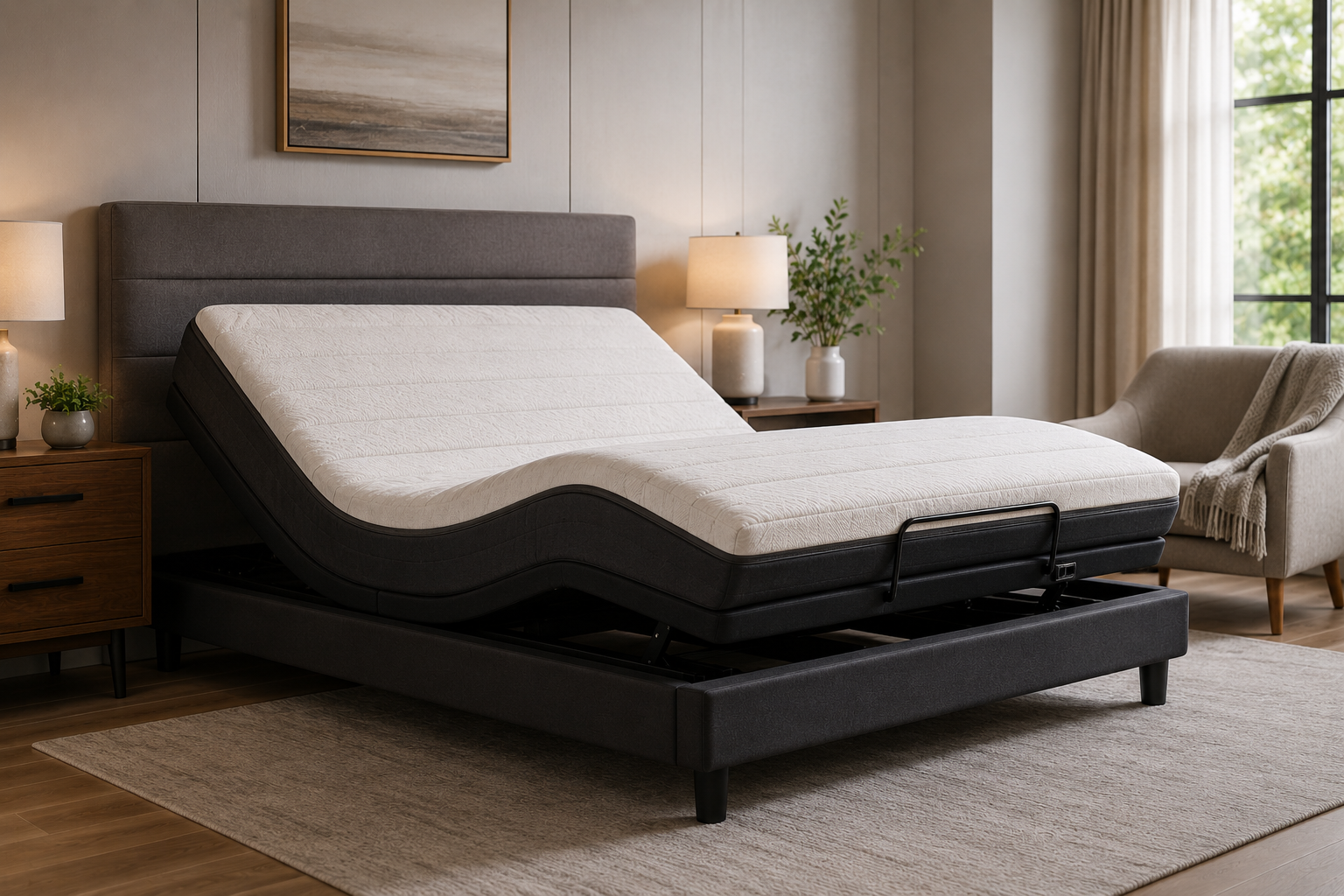
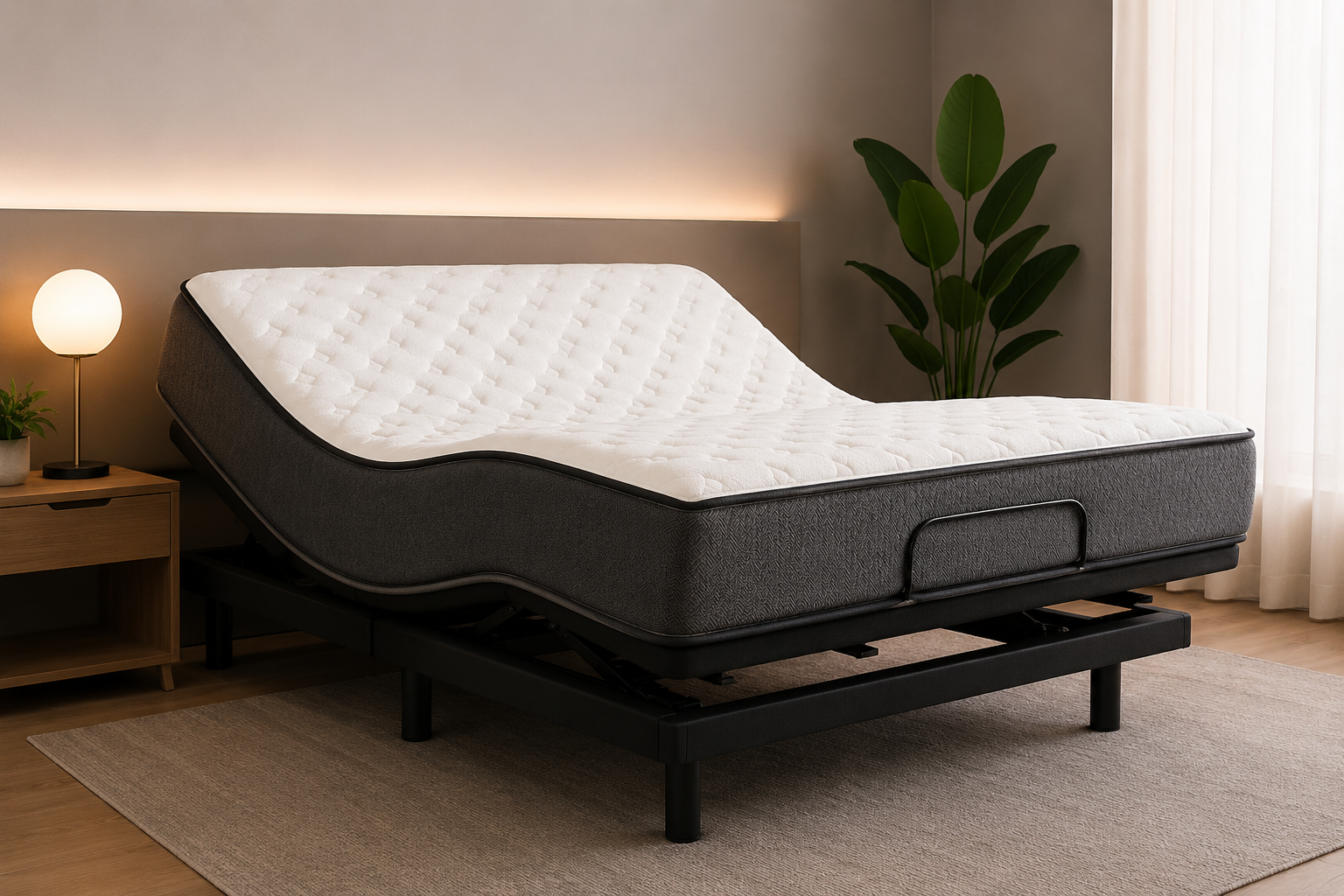
Electric adjustable bed bases are a growing choice for couples with different sleep needs. Each side of the bed can be independently elevated - allowing one partner to sleep with their head slightly raised (useful for snoring or reflux) while the other lies flat. Because adjustments are made independently, there's minimal disturbance to the other person.
Address the Bed Frame
It's worth noting that a creaky or unstable bed frame can amplify the sensation of partner movement even on an otherwise good mattress. A well-built, Rigid Bed Frame reduces the amount of movement that resonates through the structure. If your frame wobbles, squeaks, or flexes noticeably, it's worth addressing alongside your mattress choice.
For couples who share a bed but have very different sleep habits, exploring split king or dual-mattress bed configurations is also worth considering, where two single mattresses sit side by side within a shared king-size frame, giving each person completely independent movement.
The Right Pillow Also Plays a Role
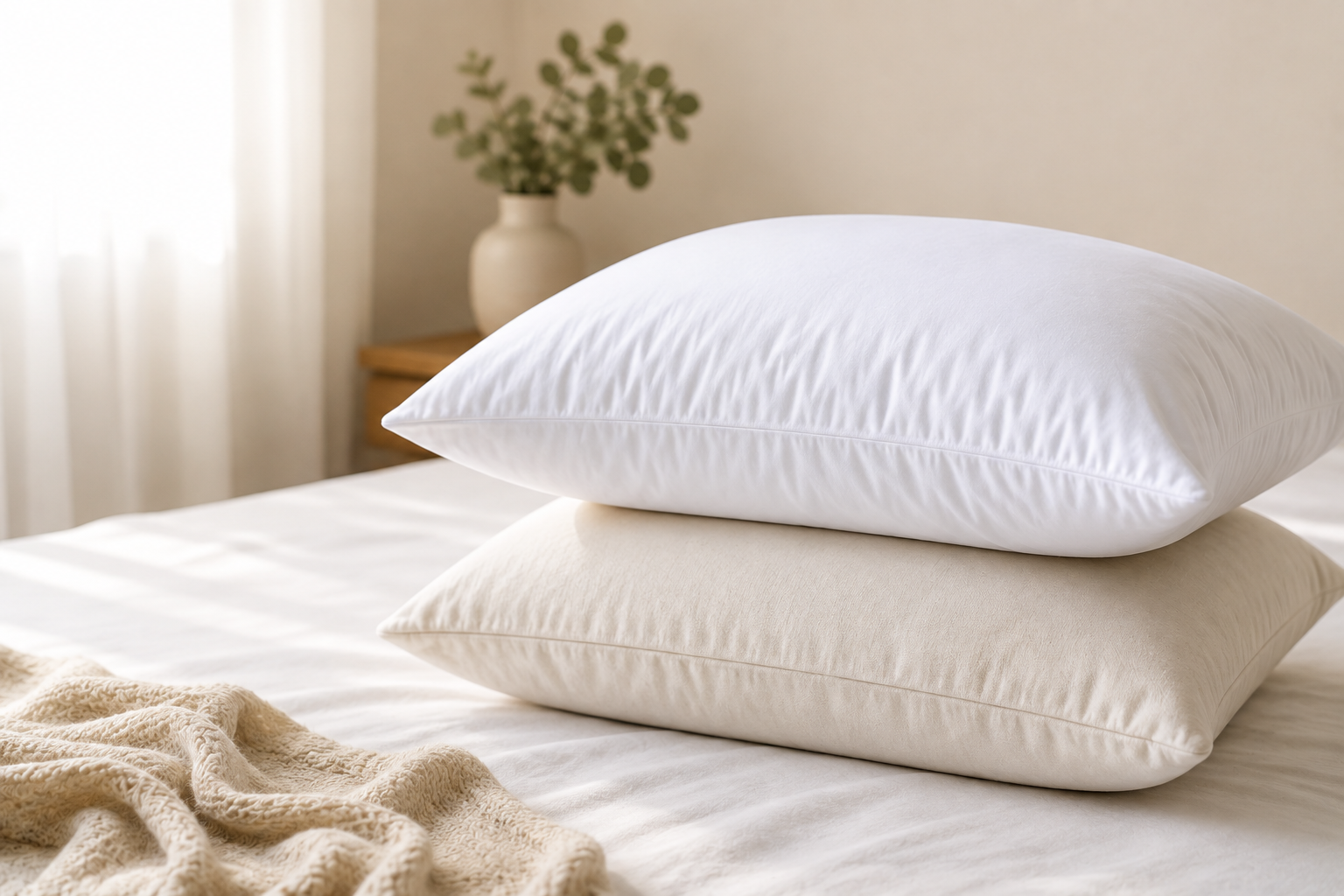
While mattress choice carries the most weight, your pillow setup matters too, particularly for light sleepers. A pillow that doesn't provide adequate neck support can cause restlessness and increased tossing, which in turn creates more disturbance for your partner. If neck discomfort is part of the picture, our guide to The Best pillows for neck pain relief covers how proper support reduces nighttime movement across different sleeping positions.
What to Look for When Shopping as a Couple
Shopping for a mattress as a couple means factoring in two sets of needs simultaneously. Here are the key things to align on:
- Motion isolation: Prioritise pocket spring or memory foam construction if disturbance is your main concern.
- Firmness level: If you and your partner prefer different feels, a medium or medium-firm mattress tends to suit the broadest range of sleeping positions and body types. A guide to choosing firmness as a couple is a future topic worth exploring in more detail.
- Temperature regulation: If either partner sleeps hot, look for breathable construction, gel-infused foam, natural latex, or mattresses with cooling fabric covers.
- Size: As discussed, bigger is generally better for couples. Queen is the most popular size; king offers maximum comfort for those who move a lot.
- Trial period: Give yourselves proper time to adjust. It can take up to 30 nights for your body to fully adapt to a new sleep surface, initial impressions aren't always the full story.
Exploring our full mattress collection is a good starting point, where you can filter by type, size, feel, and budget to narrow down the options that suit both of you.
When Is It Time to Replace Your Mattress?
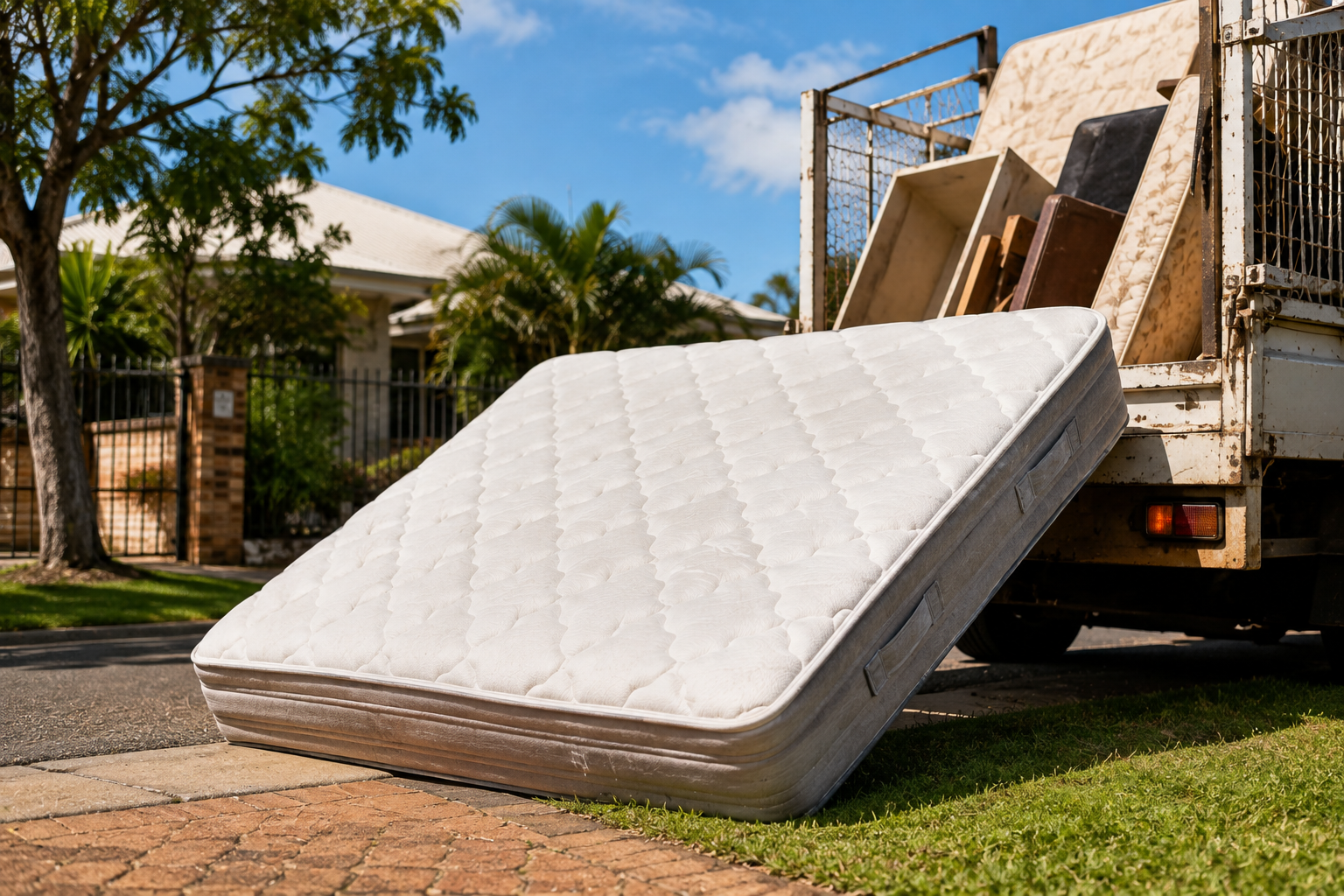
If your mattress is older than seven to ten years, the internal materials, springs, foam layers, and fabric will have deteriorated beyond their optimal performance range. A mattress that once isolated motion well may no longer do so effectively. Other signs it's time for a change include:
- Visible sagging or body impressions that don't spring back
- Increased waking during the night, particularly when your partner shifts
- Waking with unexplained aches, stiffness, or fatigue
- Sleeping better in a hotel or guest bed than at home
These are all reliable signals that your current setup is no longer supporting either of you the way it should.