Sleep is hard to come by when your joints ache. For Australians living with arthritis, the right mattress can mean the difference between waking up rested or waking up stiff and sore. A good mattress for arthritis Australia does more than offer comfort. It supports spinal alignment, reduces pressure on sensitive joints, and helps the body repair itself overnight.
Whether you have osteoarthritis, rheumatoid arthritis, or general joint pain, mattress choice plays a real role in how you feel each morning. This guide covers what to look for, which materials work best, and how to match a mattress to your specific needs.
Key Takeaways
-
A medium-firm to firm mattress supports spinal alignment and reduces pressure on inflamed joints during sleep.
-
Memory foam and latex materials contour to the body, helping to distribute weight more evenly and ease joint stress.
-
Poor mattress support can worsen morning stiffness, while the right support may reduce it within a few weeks.
-
Zoned support systems and adjustable bases can offer targeted relief for arthritis sufferers with specific pressure points.
How Does a Mattress for Arthritis Help Reduce Joint Stiffness and Pain?
Arthritis causes inflammation in the joints, and that inflammation flares up when pressure builds during sleep. Hips, shoulders, and knees are particularly vulnerable, especially for side sleepers. A mattress that sags or offers uneven support pushes those joints out of alignment and amplifies discomfort through the night.
A supportive mattress distributes body weight more evenly. This reduces concentrated pressure on painful areas and allows muscles to relax rather than compensate for poor positioning. The spine stays in a neutral position, which reduces strain across the whole body, not just the back.
Disrupted sleep also feeds the pain cycle. Arthritis pain can wake you up, and broken sleep can make it feel worse the next day. A pressure-relieving mattress helps reduce those nighttime wake-ups by keeping joints comfortable through position changes.
Here is how a well-matched mattress supports arthritis relief:
-
Reduces pressure on inflamed joints at the hips, knees, and shoulders
-
Supports natural spinal alignment to ease back and neck strain
-
Distributes body weight more evenly across the sleep surface
-
Minimises tossing and turning caused by discomfort
-
Supports overnight joint and muscle recovery
Some people report reduced morning stiffness after switching from a soft, sagging mattress to a medium-firm orthopedic design within two to three weeks. The change is gradual, but the body adapts over time to better support.
Which Mattress Firmness Is Best for Arthritis Sufferers in Australia?
Firmness is one of the most important decisions when choosing a mattress for joint pain. Get it wrong in either direction, and the mattress works against you, either by letting joints sink out of alignment or by pressing too hard against sensitive areas.
Why Firmness Matters for Joint Health
Firmness directly affects how much pressure builds on your joints during sleep. A mattress that is too soft allows the body to sink unevenly, throwing the spine out of alignment and creating stress points at the hips and shoulders. A mattress that is too firm can press hard against bony areas and cause discomfort in its own way.
The right firmness depends on your body weight, sleep position, and the area of your arthritis that is most active. Medium-firm is generally recommended as the starting point for most arthritis sufferers because it balances support and pressure relief.
Choosing the Right Level of Support
Body weight changes how a mattress feels. A heavier person may find a medium-firm mattress feels soft, while a lighter person may find the same mattress firm. Two people in the same household with arthritis may genuinely need different levels of support.
Here is a practical guide to firmness for arthritis:
-
Medium-firm offers the best balance for most arthritis sufferers across different sleep positions
-
Firm suits heavier body types or those with significant back pain who need more resistance
-
Soft increases sinkage and can raise joint stress, especially at the hips
-
Zoned support options provide firmer pressure under heavier areas and softer support under lighter ones
-
Adjustable comfort layers allow some customisation without replacing the whole mattress
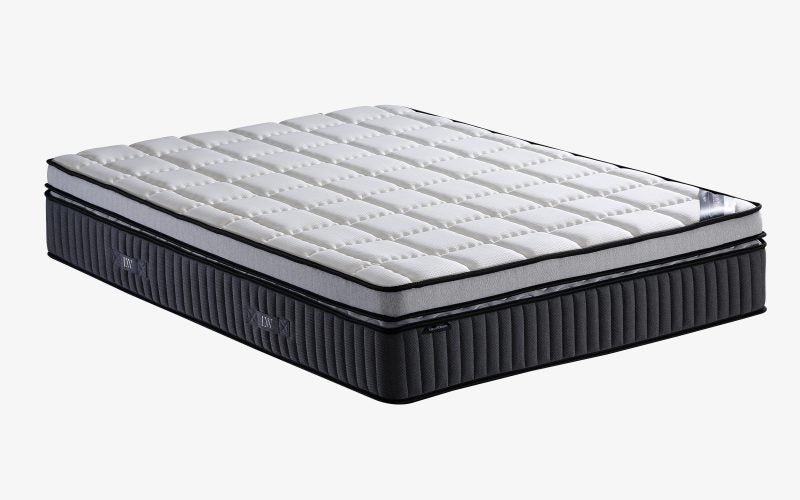
A firm mattress for spinal alignment can work well for arthritis sufferers who need consistent resistance across the sleep surface, particularly those who sleep on their backs. The Genuine Orthopaedic Vitality Premium Queen mattress is another strong option for those who need that consistent zoned support overnight.
Is Memory Foam the Best Mattress for Arthritis and Pressure Relief?
Memory foam is one of the most widely discussed materials for joint pain relief, and for good reason. It responds to body heat and pressure, contouring to the body's shape. This means the foam moulds to the hips, shoulders, and knees rather than pressing back against them. The result is reduced stress at the body's pressure points.
High-density memory foam performs noticeably better than low-density options for arthritis sufferers. Low-density foam loses its support properties faster, and a sagging foam layer works against the joint relief that makes memory foam appealing in the first place. When comparing memory foam mattresses, look for the foam density rating, not just the overall firmness label.
The main limitation of memory foam is heat retention. Standard memory foam traps body heat, which can make sleep uncomfortable for people who already run warm. Gel-infused or open-cell foam variants improve airflow and address this issue. Hybrid mattresses that combine memory foam comfort layers with a pocket spring base offer another option. They provide the pressure relief of foam at the surface, while the spring system maintains core support and breathability.
For arthritis sufferers seeking pressure-relieving properties and better temperature regulation, a hybrid or medium orthopedic mattress can offer a well-rounded solution for comfort and support.
Can a Mattress for Arthritis Improve Muscle Recovery and Sleep Quality?
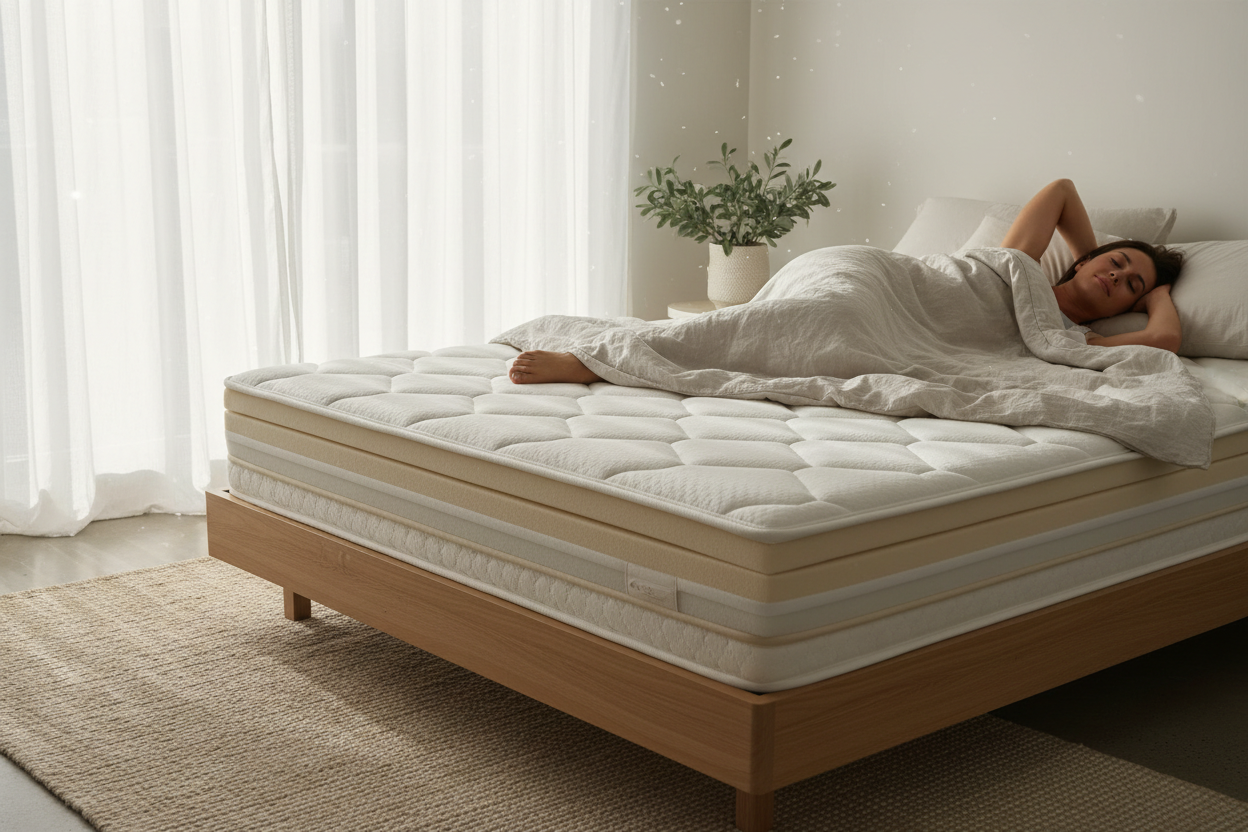
The connection between sleep and physical recovery is well established. For arthritis sufferers, a mattress that reduces joint pressure overnight does more than improve comfort. It creates the conditions the body needs to repair itself through deeper, uninterrupted sleep.
Sleep and Recovery Are Directly Connected
Deep sleep is when the body carries out most of its repair work. Tissue rebuilds, inflammation is moderated, and energy is restored. For people with arthritis or chronic joint pain, this overnight process is particularly important. When pain interrupts sleep, the body misses out on these restorative cycles, and the pain can feel sharper the following day.
A supportive mattress reduces the micro-awakenings caused by pressure discomfort. When joints are cradled rather than compressed, the body can move through deeper sleep stages more consistently. Better sleep also supports inflammation management, which is central to living well with arthritis.
Who Benefits From Recovery-Focused Mattress Features
Athletes and physiotherapy patients often notice improved recovery times when they switch to pressure-relieving orthopedic mattresses. The body does not have to fight discomfort during sleep, so it can allocate more resources to repair.
A chiropractic mattress for posture support addresses both spinal alignment and pressure distribution. These features combine to create a sleep environment that actively supports recovery rather than just avoiding harm.
Recovery benefits of a well-matched mattress include:
-
Supports deeper and more consistent sleep cycles
-
Reduces nighttime discomfort and position changes
-
Improves oxygen flow and circulation during rest
-
Minimises joint strain through the night
-
Supports post-activity recovery for active individuals
What Features Should You Look for in a Mattress for Arthritis Australia?
Mattress features directly shape how well a mattress manages joint support and pain relief. Knowing what to look for helps narrow down the options before you spend time comparing individual products.
Here are the key features worth prioritising:
-
Pressure-relieving foam or latex layers that contour around joints without causing excessive sinkage
-
Zoned support systems that apply firmer pressure under the hips and lower back, with softer zones at the shoulders
-
Medium-firm orthopedic construction that maintains spinal alignment across sleep positions
-
Motion isolation to prevent partner movement from disrupting sleep
-
Breathable materials for temperature control throughout the night
-
Strong edge support to assist with getting in and out of bed, which matters for those with reduced mobility
Zoned support is worth special attention for side sleepers with arthritis. Standard uniform foam designs apply the same resistance across the whole surface. Zoned systems specifically reduce shoulder pressure, which is one of the most common complaint areas for arthritis sufferers who sleep on their side.
Combining these features reduces pain flare-ups and supports more consistent sleep over time. A mattress that addresses one feature but ignores others, such as offering pressure relief without temperature control, may solve one problem while creating another. The Ultra Support Plus Queen Firm balances both, making it a practical choice for sleepers who need more than just basic comfort.
For more guidance on sleep positions and mattress alignment, how you position your body during sleep affects joint strain in ways that compound arthritis discomfort over time.
Who Benefits Most From a Mattress for Arthritis Australia?
Arthritis sufferers are the most obvious group, but pressure-relieving orthopedic mattresses benefit a wider range of people. Anyone with joint sensitivity, muscle soreness, or chronic pain can benefit from improved sleep support.
Effectiveness depends on symptom severity, sleep position, and body type. A person with mild hip arthritis has different needs than someone managing rheumatoid arthritis affecting multiple joints. Sleep position also changes what features are most useful. Side sleepers need more shoulder and hip cushioning, while back sleepers need more consistent lumbar support.
Those who sit for long periods at work often develop lower back stiffness, which can compound arthritis discomfort. Switching to a supportive orthopedic mattress can reduce morning stiffness, even when arthritis is not the primary cause.
Ideal users for arthritis-focused mattresses include:
-
People with arthritis and diagnosed joint conditions
-
Older adults experiencing age-related stiffness
-
People managing muscle recovery from injury or surgery
-
Side sleepers with consistent shoulder or hip pressure
-
Those recovering from high-activity workouts or physical work
How Do Adjustable and Orthopedic Mattresses Compare for Arthritis Relief?
Both options serve arthritis sufferers well, but they work in different ways. Here is a direct comparison:
|
Feature
|
Orthopedic Mattress
|
Adjustable Bed Setup
|
|
Spinal alignment
|
High, consistent support
|
Adjustable to preference
|
|
Pressure relief
|
Consistent across the surface
|
Position-based
|
|
Customisation
|
Moderate
|
High
|
|
Mobility assistance
|
Limited
|
Strong
|
|
Arthritis suitability
|
High
|
Very high
|
An orthopedic mattress delivers consistent, reliable support without requiring any adjustment. It suits people who prefer a fixed sleep surface and want a proven joint-support solution. An adjustable bed setup adds positioning flexibility, which can reduce pressure on specific joints by elevating the head, legs, or both. This positioning flexibility is particularly useful for people whose arthritis causes different pain patterns depending on posture.
For arthritis sufferers who struggle to get comfortable in a flat position, an adjustable bed base adds another layer of relief that a mattress alone cannot provide. Pairing a supportive mattress with an adjustable base is often cited as one of the most comprehensive approaches for managing arthritis discomfort during sleep.
What Should You Consider Before Buying a Mattress for Arthritis Australia?
Mattress choice should match your medical needs, typical sleep position, and physical condition. A mattress that suits a friend with arthritis may not suit you. The variables are specific enough that a personalised approach is worth the extra thought.
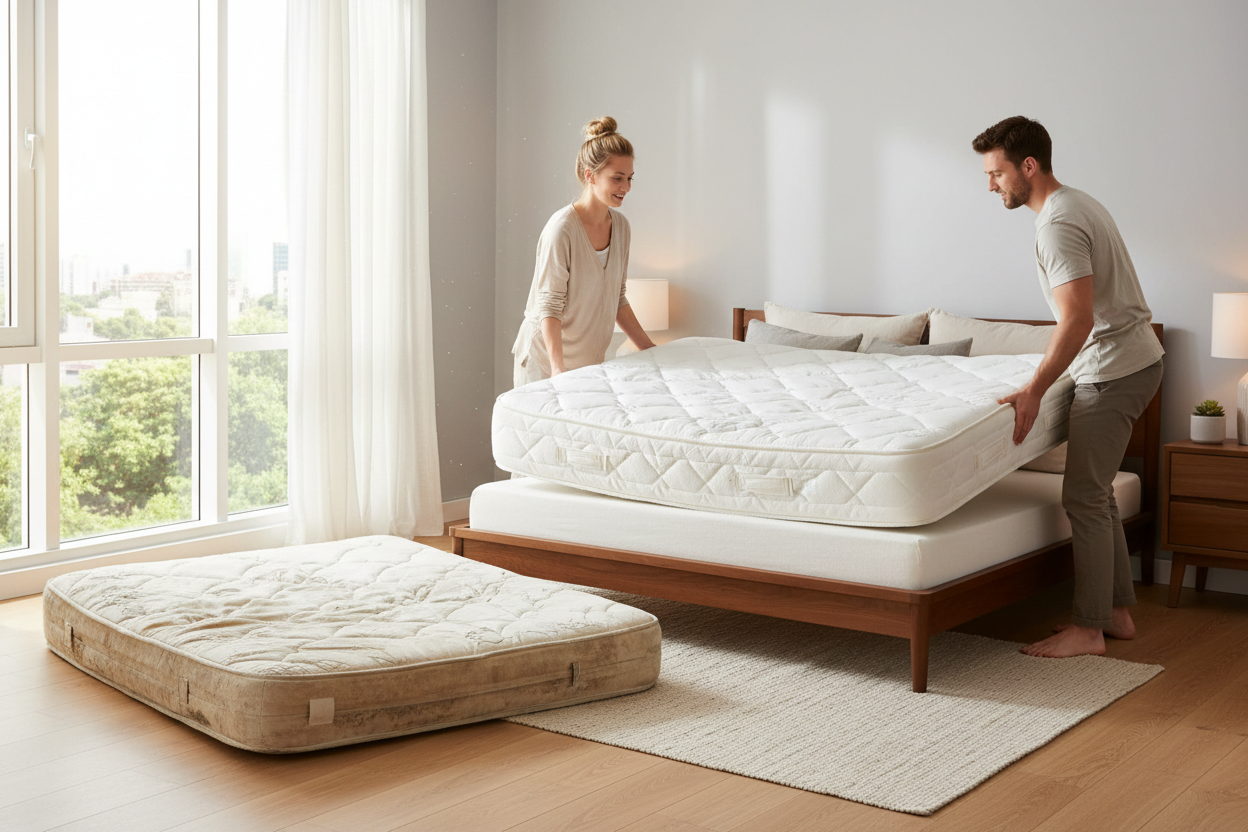
Durability and materials are also worth reviewing. A mattress that offers good support in the first year but softens quickly will lose its arthritis benefits over time. Check warranty terms and the expected lifespan of the foam or spring components. BedWorld’s mattress warranty page outlines what to look for when reviewing coverage before you buy.
For people managing severe arthritis, consulting a physiotherapist or GP before making a decision can provide useful guidance. They may recommend specific firmness levels or sleeping positions based on which joints are most affected.
Key considerations before purchasing:
-
Check firmness compatibility with your pain points and sleep position
-
Confirm the mattress supports neutral spinal alignment
-
Consider heat and moisture control, particularly if you take medications that affect body temperature
-
Review the warranty length and the material quality of the comfort and support layers
-
Seek medical advice for severe or rapidly changing arthritis symptoms
For further reading on how sleep and arthritis interact, the two-way relationship between joint discomfort and sleep quality makes it clear that better sleep and reduced pain reinforce each other.
Choosing the Right Mattress for Your Joints
A mattress for arthritis Australia works best when it matches your specific pain patterns, sleep position, and body type. Medium-firm to firm support with pressure-relieving materials remains the most consistent recommendation across the research, but the details matter. Zoned support, breathable materials, and strong edge support each add meaningful value for different arthritis sufferers.
Comparing orthopedic mattresses and pressure-relieving options based on your symptoms and sleep habits is a practical way to narrow your choices. If you also face temperature sensitivity or mobility challenges, factor them into the comparison before deciding.
Knowing the common mistakes when buying a mattress for back pain can also help you avoid choices that seem comfortable in-store but underperform over time at home.
Sources
-
PerthNow - Sleep Quality and Environment - https://www.perthnow.com.au/lifestyle/is-there-really-a-formula-to-having-the-best-sleep-of-your-life--c-21036455
-
Sleep and Pain - Arthritis Foundation - https://www.arthritis.org/health-wellness/healthy-living/managing-pain/fatigue-sleep/sleep-and-pain
-
Sleep Tips for Arthritis - Arthritis Foundation - https://www.arthritis.org/health-wellness/healthy-living/managing-pain/fatigue-sleep/sleep-tips-for-arthritis
-
Osteoarthritis and Sleep - Arthritis Foundation - https://www.arthritis.org/health-wellness/healthy-living/managing-pain/fatigue-sleep/osteoarthritis-and-sleep
-
Best Mattress for Arthritis and Joint Pain - Sleep Foundation - https://www.sleepfoundation.org/best-mattress/best-mattress-for-arthritis
-
Best Mattresses for Arthritis 2026 - NCOA - https://www.ncoa.org/product-resources/sleep/best-mattress-for-arthritis/
-
Sleeping Positions That Reduce Back Pain - Mayo Clinic - https://www.mayoclinic.org/diseases-conditions/back-pain/in-depth/sleeping-positions/art-20546852
-
Sleep and Arthritis - Arthritis UK - https://www.arthritis-uk.org/information-and-support/living-with-arthritis/health-and-wellbeing/sleep/