Cart
0
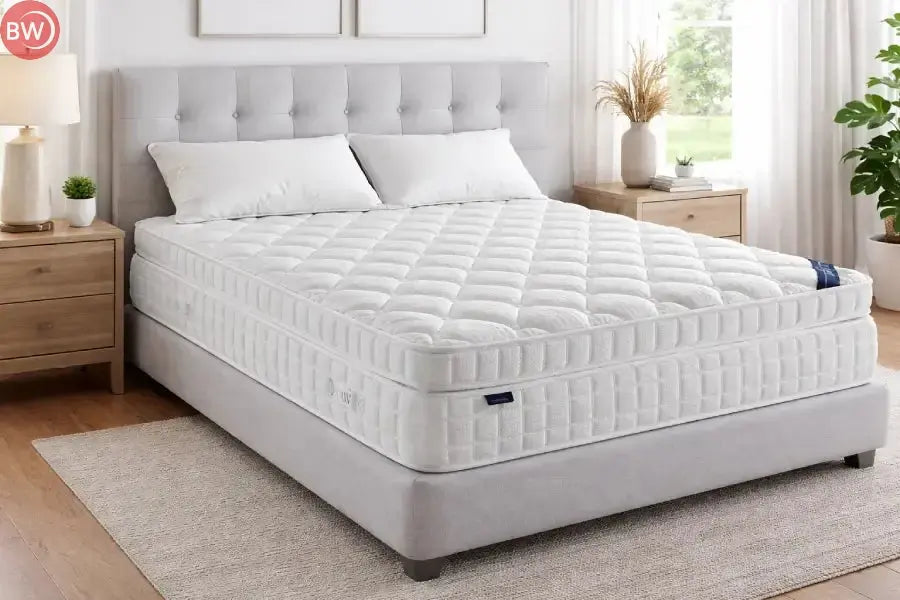
Choosing a new mattress is a big investment, and one of the most sensible questions to ask upfront is: how long will it actually last? Whether you're weighing up a latex mattress or a memory foam option, understanding durability can save you hundreds of dollars and many restless nights down the track.
Both latex and memory foam are popular choices across Australia, and for good reason they each offer excellent pressure relief and body contouring. But they're built differently, age differently, and suit different kinds of sleepers. Let's unpack what you need to know.
What Is a Latex Mattress?
A latex mattress is made from rubber tree sap, either natural, synthetic, or a blend of both. The two most common processing methods are Dunlop (denser, firmer, better for heavier sleepers) and Talalay (lighter, more consistent, often preferred for a plush feel).
Latex is naturally resilient. It springs back quickly when you move, which means it holds its shape over many years. It's also inherently breathable and resistant to dust mites and mould, a genuine advantage in Australia's varied climate. If you've been exploring our range of Latex Mattresses, you'll notice they tend to sit at the premium end of the market and there's a clear reason for that.
What Is a Memory Foam Mattress?
Memory foam originally developed by NASA is a viscoelastic polyurethane material that softens in response to body heat and pressure. It moulds closely to your shape, providing a "sinking in" feel that many sleepers find deeply comfortable.
Modern memory foam has come a long way. Today you'll find it infused with cooling gel, copper particles, or open-cell structures to address its historical reputation for sleeping hot. Our Cooling Gel-Infused Memory Foam Mattresses are a popular example of how far the technology has evolved, particularly for warm Australian nights.
Durability Head-to-Head: How Long Does Each Last?
This is the crux of the question and the honest answer is that latex generally outlasts memory foam, though the quality of construction matters enormously.
|
Factor |
Latex Mattress |
Memory Foam Mattress |
|
Average Lifespan |
10–20+ years |
7–12 years |
|
Shape Retention |
Excellent (springs back quickly) |
Good, but may soften with age |
|
Sagging Risk |
Low (especially natural latex) |
Moderate over time |
|
Heat Resistance |
Naturally breathable |
Varies; gel-infused versions run cooler |
|
Allergy Resistance |
Naturally resistant to dust mites |
Depends on cover and care |
|
Responsiveness |
High - quick rebound |
Low - slow to respond |
|
Typical Price Point |
Higher upfront cost |
More accessible entry price |
Why Latex Lasts Longer
The cellular structure of latex is inherently more resilient than polyurethane foam. Under repeated compression, night after night, latex rebounds without permanently deforming. Natural latex in particular holds up remarkably well because it isn't dependent on temperature-sensitive chemistry the way viscoelastic foam is.
Over time, a high-quality latex mattress will lose very little of its original feel. Most manufacturers and sleep experts estimate a well-made latex mattress can comfortably serve you for 15 years or more with proper care.
Where Memory Foam Can Struggle
Memory foam's main vulnerability is softening. As the foam is exposed to years of body heat, weight, and movement, the viscoelastic properties can degrade, leading to that familiar "body impression" or dip in the surface. Lower-density foams are more prone to this than high-density varieties.
That said, a quality memory foam mattress from a reputable brand will comfortably last a decade, especially when used with a suitable base and protected with a Quality Mattress protector.
Comfort & Support: Which Feels Better for Your Sleep Style?
Durability is just one part of the equation. A mattress that lasts 20 years but leaves you with back pain every morning isn't a great deal. So how do these two materials actually feel to sleep on?
Latex Feel
Latex offers a buoyant, supportive feel. It contours to your body but pushes back, you sleep on the mattress rather than in it. This makes it a strong choice for combination sleepers who change positions during the night, and for those who prefer not to feel "stuck." The responsiveness also makes it easier for couples to move without disturbing each other.
Memory Foam Feel
Memory foam delivers that characteristic deep hug sensation. It envelops pressure points slowly and thoroughly, which many side sleepers and those with joint discomfort find extremely comforting. The trade-off is that slower response, some people feel they have to "push" themselves out of position rather than glide. If you're unsure about firmness levels, our guide on Mattress Firmness for Side Sleepers is worth a read.
Which Is Better for Hot Sleepers?
Australian summers can make this a decisive factor. Traditional memory foam is well-known for trapping heat, though modern formulations have largely addressed this. Gel-infused layers, open-cell structures, and breathable covers have made today's memory foam mattresses significantly cooler than older versions.
Natural latex, by contrast, is inherently breathable due to its open-cell structure and the natural properties of rubber. If heat retention is a concern for you, a latex mattress or a cooling gel memory foam option are both worth considering. You might also look at pairing your mattress with a breathable Mattress Topper to regulate temperature further.
Tip for Warm Climates: If you're purchasing during our Autumn Sale, now is a great time to assess your sleep needs before the next round of warm weather arrives. A good mattress protector can also significantly extend the life of whichever mattress you choose.
Price vs. Long-Term Value
Latex mattresses typically cost more upfront. However, when you factor in their longer lifespan, the cost-per-year of ownership often works out favourably compared to a cheaper memory foam option you'll need to replace sooner.
Memory foam mattresses remain more accessible for budget-conscious shoppers. There's also a wide range of quality levels available from entry-level options through to high-density, premium constructions that rival latex for longevity. Browsing by budget can be a smart way to start, check our collections for mattresses Under $1,000 or Under $2,000 to find options in your range.
How to Make Either Mattress Last Longer
Whichever type you choose, these habits will help you get the most out of your investment:
- Use a supportive bed base- a slatted or ensemble base designed for your mattress type prevents premature sagging
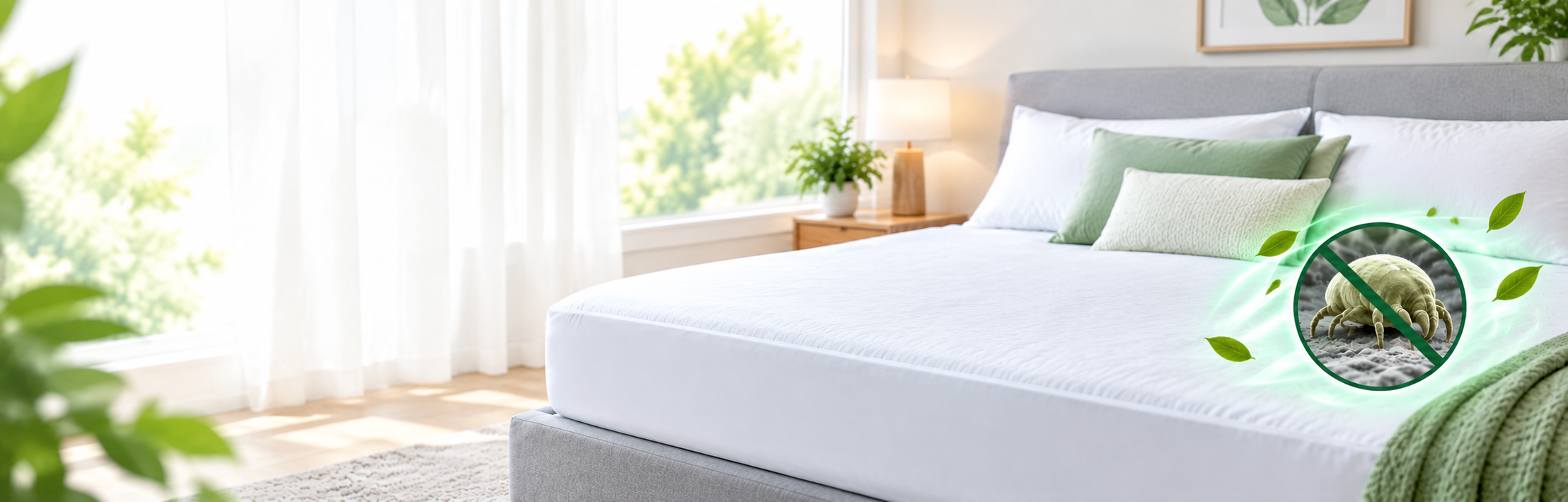
- Invest in a waterproof mattress protector to guard against spills, sweat, and allergens that break down foam over time
- Rotate your mattress every 3–6 months (some latex mattresses can also be flipped if double-sided)
- Allow fresh air circulation - let your mattress breathe before making the bed each morning
- Avoid sitting repeatedly on the same edge of the mattress, which causes localised wear
- Follow the manufacturer's care instructions, particularly around cleaning and spot treatment
If you're also looking at upgrading your bed base at the same time, our Mattress and Base packages are a smart way to ensure compatibility and even better value.
So, Which Should You Choose?
There's no single right answer, it comes down to your priorities, sleep style, and budget. Here's a quick summary to guide your decision:
Choose a latex mattress if you:
- Want the longest possible lifespan and best long-term value
- Sleep hot and want a naturally breathable surface
- Prefer a buoyant, responsive feel that doesn't make you feel "stuck"
- Have allergies and want a naturally hypoallergenic material
- Are willing to invest more upfront for a premium product
Choose a memory foam mattress if you:
- Want deep, enveloping pressure relief, especially for shoulders and hips
- Are a side sleeper or have joint sensitivity
- Prefer a lower upfront cost with plenty of quality options available
- Like the feeling of the mattress conforming closely to your body shape
If you're still undecided, you might also want to consider a hybrid mattress, one that combines pocket springs with either latex or memory foam comfort layers to get the best of both worlds.
Ready to Find Your Perfect Mattress?
Browse Bedworld’s full range of latex, memory foam, and hybrid options with expert guidance and Australia-wide shipping.