Your bedroom is more than just a place to sleep — it's your personal sanctuary. Whether you're moving into a new home, redecorating, or just looking to breathe fresh life into your space, knowing how to arrange your bedroom furniture thoughtfully can make an enormous difference. The right layout can make a small room feel spacious and a large room feel warm, all while making everyday living much more comfortable.
In this guide, we'll walk you through practical tips and strategies for arranging bedroom furniture to maximise both space and comfort — no interior design degree required.
Start With a Plan — Measure Before You Move
Before shifting a single piece of furniture, grab a tape measure. Knowing your room's exact dimensions is the single most important step in planning a functional layout.
What to Measure
- The length and width of your room
- The height of your ceiling
- The dimensions of each furniture piece
- Door swings, wardrobe clearances, and window placements
Once you have these numbers, sketch a rough floor plan on paper or use a free online room planner. This helps you test different layouts without the hassle of physically moving heavy pieces around.
A good rule of thumb: leave at least 60–90 cm of walkway space around major furniture, particularly around your bed and wardrobe.
Make Your Bed the Focal Point
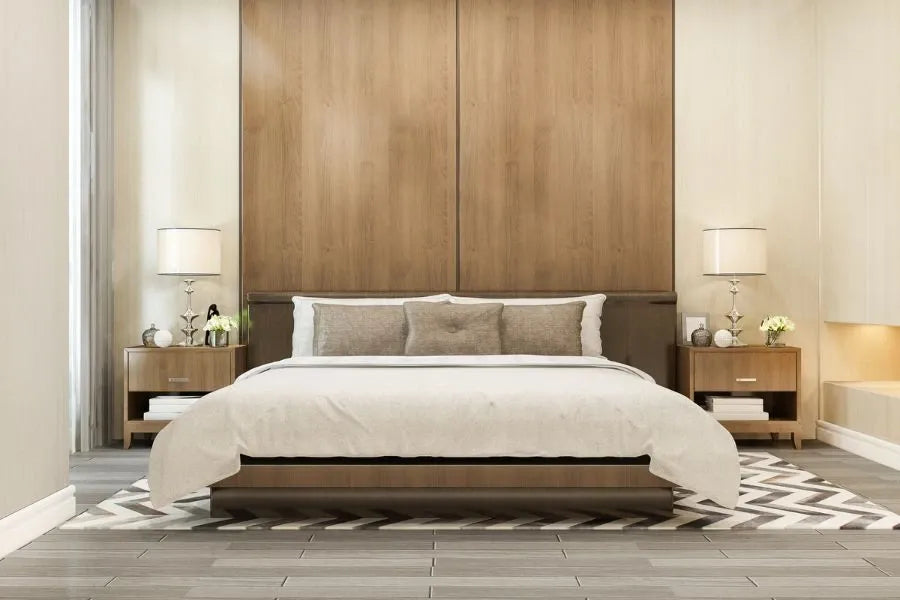
The bed is naturally the centrepiece of any bedroom, and your furniture arrangement should flow from it. In most rooms, placing the bed against the longest wall — ideally opposite the door — creates a balanced look and opens up the rest of the space.
Bed Placement Tips
- Avoid placing the bed directly under a window if you can — it limits wall usage and may disrupt sleep with draughts or light.
- Centre the bed on the wall to create visual symmetry, especially if you have matching bedside tables.
- In smaller rooms, a corner placement can free up floor space — just make sure both sleepers can get in and out comfortably.
If you're working with a tight space, consider a bed frame with built-in storage. Ottomans, drawers, or under-bed space can eliminate the need for extra furniture, instantly making the room feel less cluttered.
Balance Functionality and Flow
Good bedroom design is about creating a layout that works for how you actually live. Think about your daily routine — how do you move through the space when you wake up, get dressed, or wind down at night?
Zoning Your Bedroom
Even in a single room, you can create distinct zones:
-
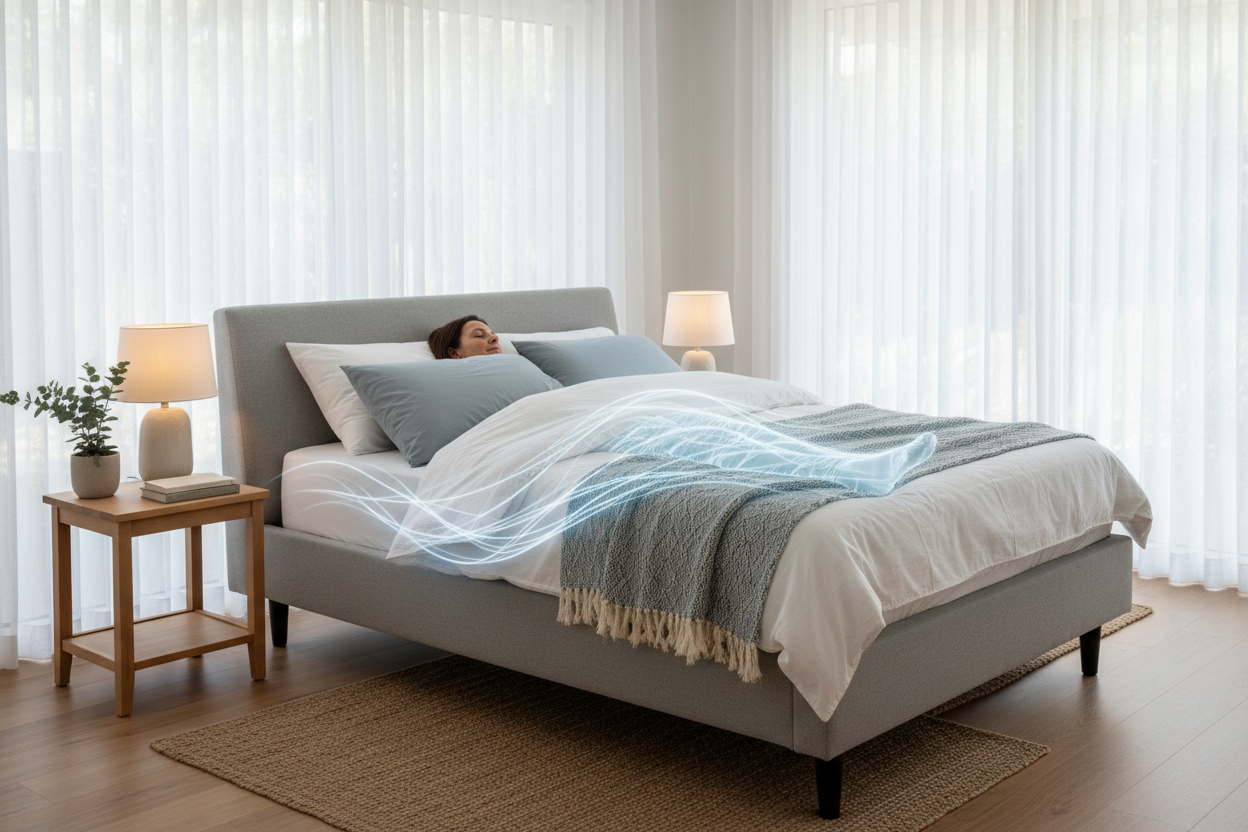
Sleep zone: The area immediately around your bed. Keep this calm and clutter-free for better sleep quality.
-
Dressing zone: Near your wardrobe or chest of drawers. Ensure good lighting and enough room to open doors and drawers fully.
-
Relaxation zone: If space permits, a small armchair or reading nook adds a lovely functional layer to your room.
A well-placed bedside table on each side of the bed not only adds symmetry but also gives you a handy spot for a lamp, phone, or book — making the room feel more intentional and complete.
Maximise Storage Without Sacrificing Style
One of the most common challenges in Australian bedrooms — particularly in apartments or older homes — is limited storage. The trick is choosing furniture that does double duty.
Smart Storage Solutions
-
Tallboys and chest of drawers are a brilliant option when floor space is scarce. They draw the eye upward and keep your belongings tucked away neatly.
-
Blanket boxes at the foot of the bed add seating and storage without cluttering the room.
-
Mirrored dressers reflect light and create the illusion of a larger space, especially useful in rooms with limited natural light.
Browse the blanket box range or explore dresser mirrors to find options that blend seamlessly with your existing decor.
Work With Light and Colour to Open Up the Space
Furniture arrangement isn't just about physical layout — it's also about how light moves through your room. The way you position pieces relative to windows and light sources can dramatically alter how spacious the room feels.
Lighting Tips for Bedroom Layout
- Keep heavy furniture away from windows to avoid blocking natural light.
- Position a mirror opposite or adjacent to your window to bounce light around the room.
- Use warm bedside lighting to create a cosy, layered atmosphere in the evening.
If your room feels dark or cramped, try switching to lighter-coloured bedding and furniture, and consider a statement mirror to make the space feel more open and airy.
Consider the Mattress — It Affects More Than You Think
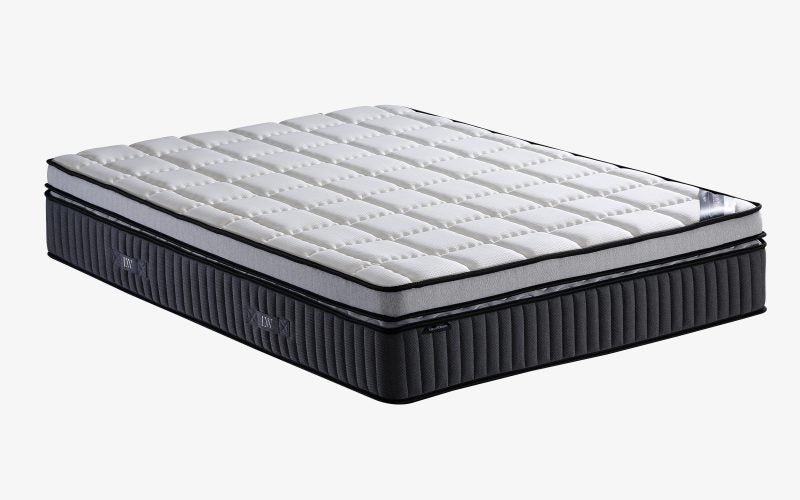
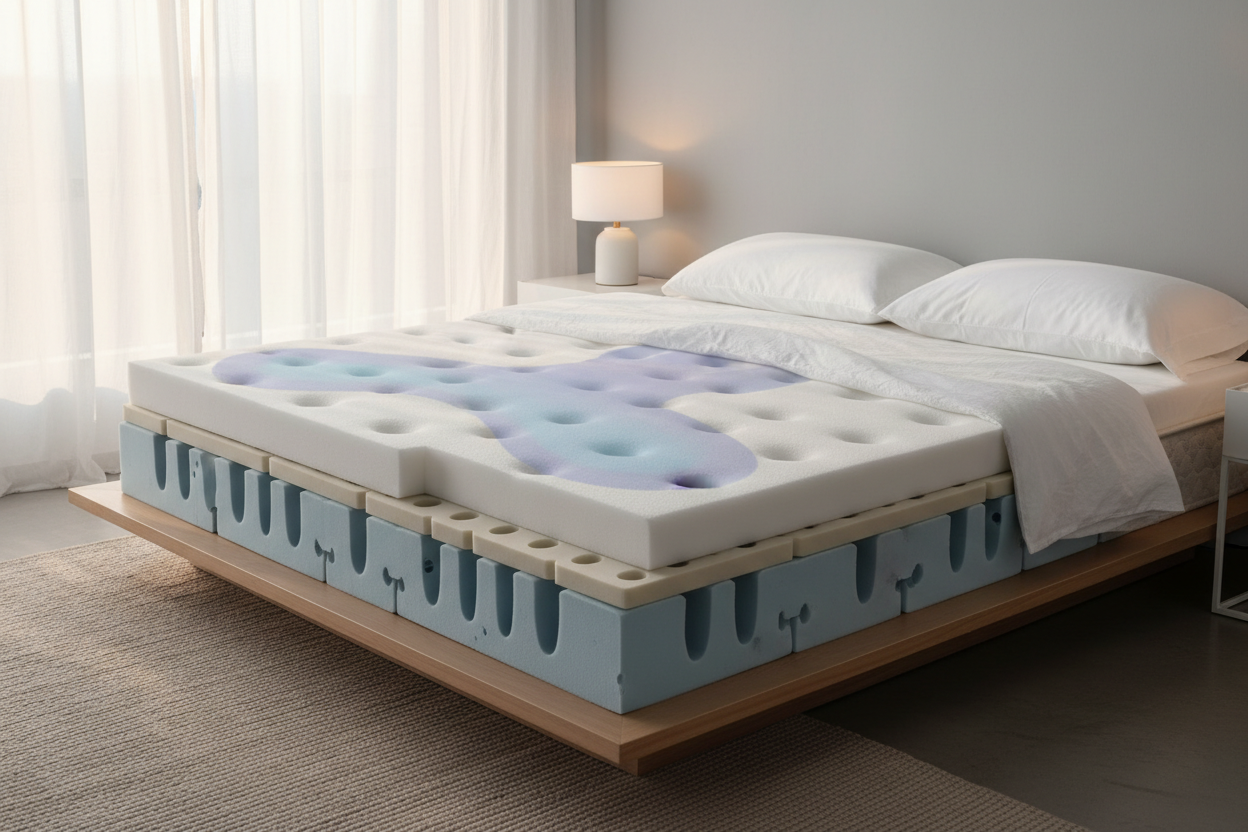
Your mattress size directly influences how much furniture you can fit in your room comfortably. A king-size bed in a small room might leave little space for anything else, while a queen or double could free up enough room for a dresser, armchair, or writing desk.
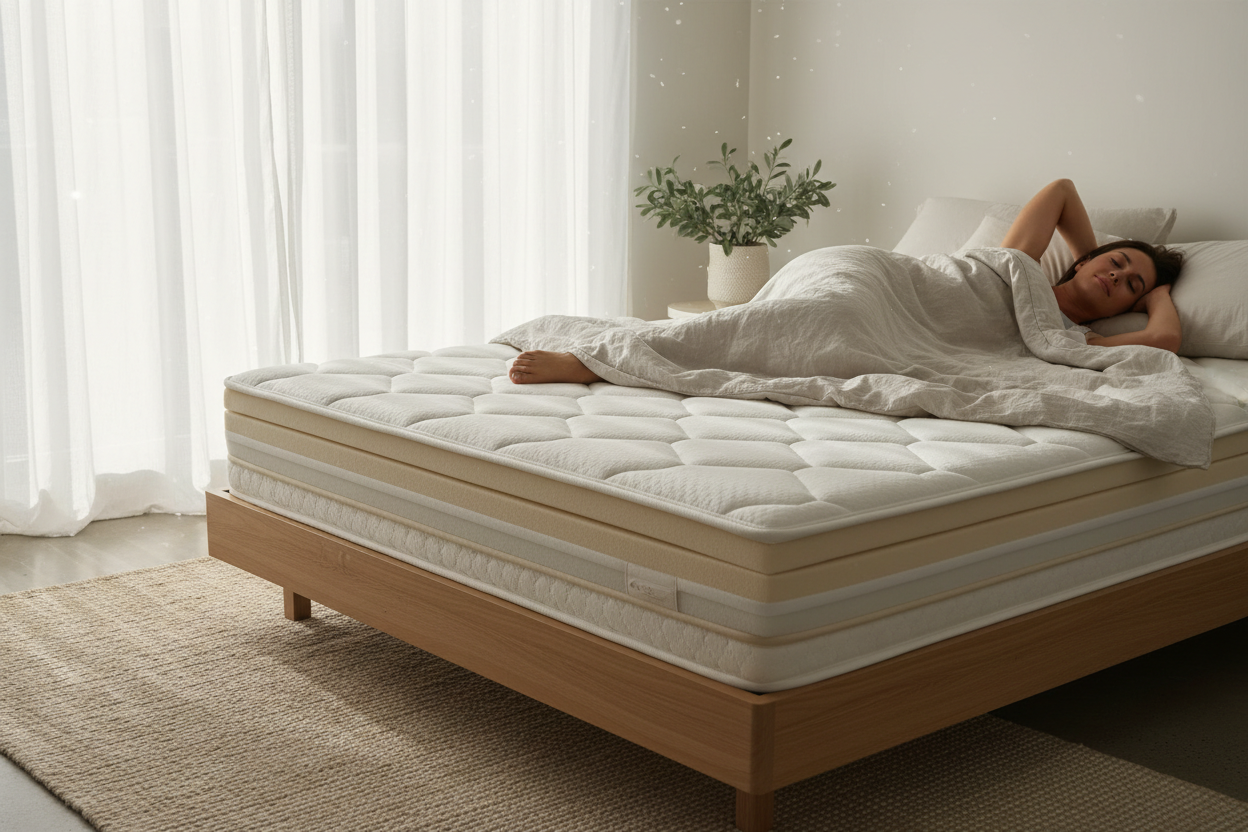
If you're unsure which size suits your room best, take a look at the full range of mattresses by size to compare dimensions before making a decision. A quality mattress also plays a huge role in your overall sleep comfort — so it's worth investing in one that suits both your body and your bedroom layout.
For those who love flexibility, an adjustable bed base can also change how you use your bedroom space, making it easier to sit up, read, or relax without needing extra furniture like a sofa or lounger.
Tips for Arranging Furniture in Small Bedrooms
Small bedrooms require a little more creativity, but they're absolutely workable with the right approach. The goal is to keep things light, functional, and intentional.
- Use vertical space — tall wardrobes, wall-mounted shelves, and high headboards draw the eye up and make ceilings feel higher.
- Choose furniture with legs — pieces raised off the floor create an airy feel compared to floor-hugging designs.
- Stick to a limited colour palette to create visual cohesion and avoid a cluttered feel.
- Multifunctional furniture is your best friend — a storage ottoman or a bed with built-in drawers can replace two or three separate pieces.
If you're furnishing a child's room, check out the kids' furniture range for space-smart options like bunk beds and loft beds that keep the floor free for play.
Don't Forget the Finishing Touches
Once your major furniture is in place, the finishing touches bring the whole room together. Layered bedding, a bedside rug, soft cushions, and thoughtful decor items all contribute to how a room feels — not just how it looks.
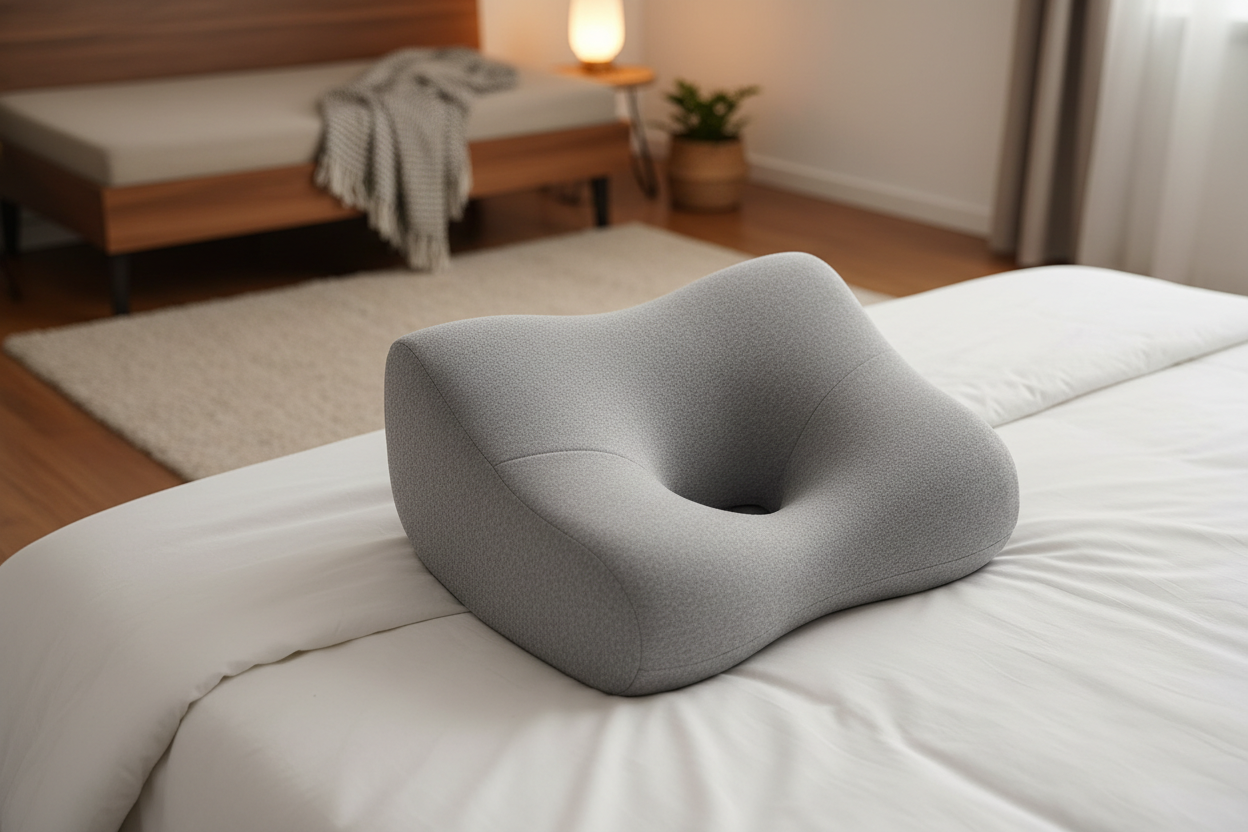
Explore Bedworld's mattress toppers and pillow range to add an extra layer of comfort once your layout is sorted. Sometimes the smallest additions make the biggest difference to your night's sleep.
Final Thoughts
Arranging your bedroom furniture doesn't have to be overwhelming. Start with your bed as the anchor, plan your zones, choose smart storage, and let light guide your decisions. With a little planning and the right pieces, even the most awkward room can become a beautiful, functional retreat.
Ready to upgrade your sleep space? Explore the full range of bedroom furniture at Bedworld — from bed frames and mattresses to storage solutions and accessories, everything you need to create the bedroom you deserve.