Choosing the right bed frame is about a lot more than how it looks in the room. If you've ever found yourself short on storage space — stacking boxes under a standard bed, cramming extra linen into already-full wardrobes, or just wishing you had somewhere to put things, a storage bed might be exactly what your bedroom needs. But they're not the right fit for everyone. Before you decide, it helps to understand what each option actually offers, and how to match that to your living situation.
This guide breaks down the key differences between storage beds and regular beds, looks at the pros and cons of both, and helps you figure out which one suits your home, budget, and lifestyle.
What Is a Storage Bed?
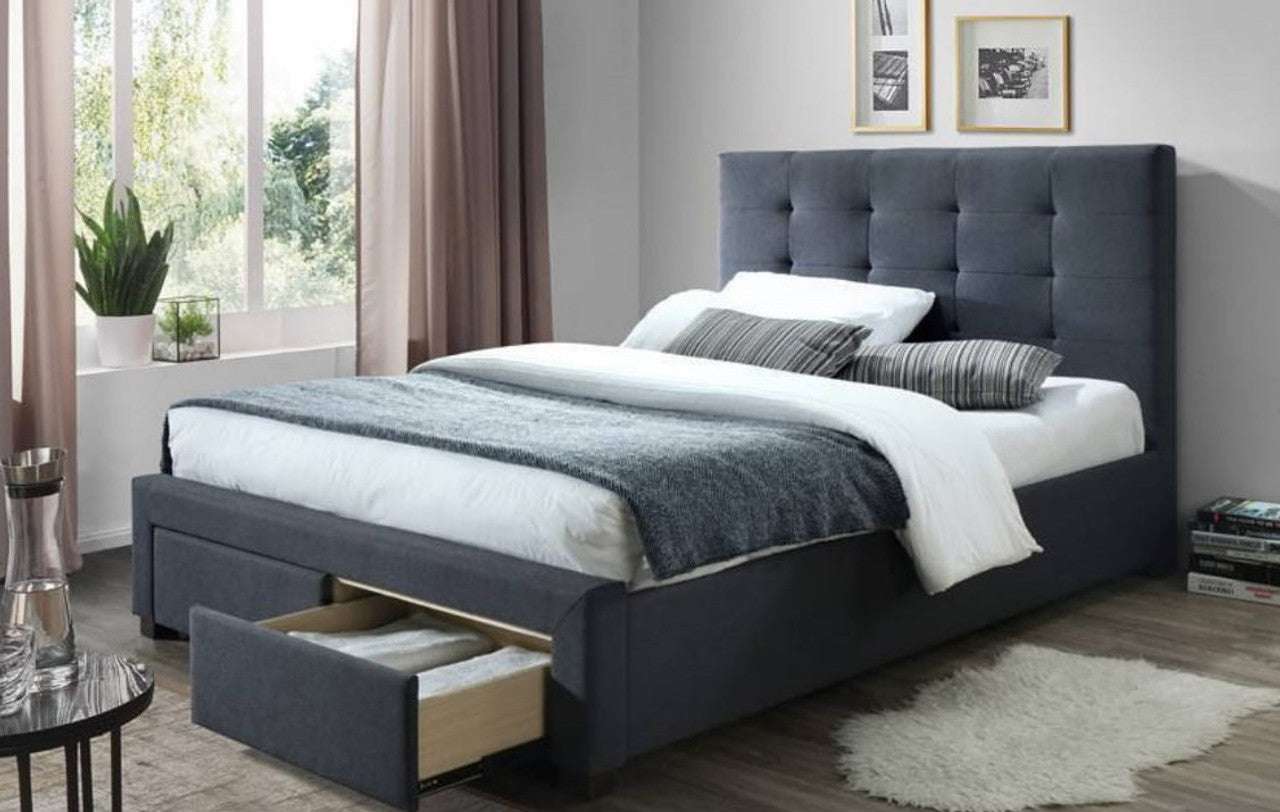
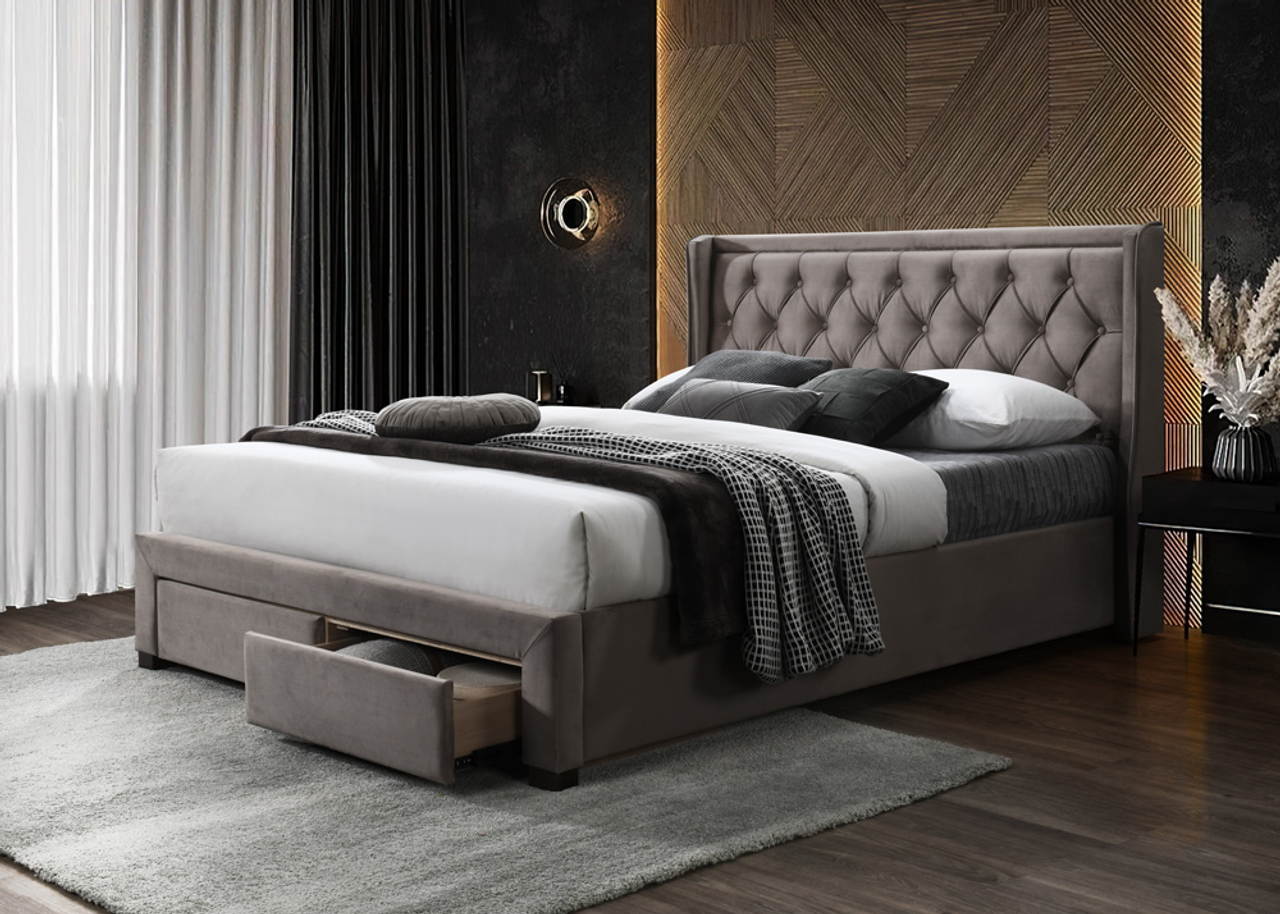
A storage bed is a bed frame that includes built-in storage space beneath the mattress. The most common designs are ottoman beds, which lift up from the foot or side to reveal a large cavity underneath, and drawer beds, which have one or more pull-out drawers on the side or at the foot of the frame.
You'll find storage beds in a wide range of styles, sizes, and materials — from fabric-upholstered queen frames to solid timber king beds with deep under-bed drawers. The unifying feature is that the space beneath the mattress is designed and accessible for everyday use, not just a dusty gap.
What Is a Regular Bed?
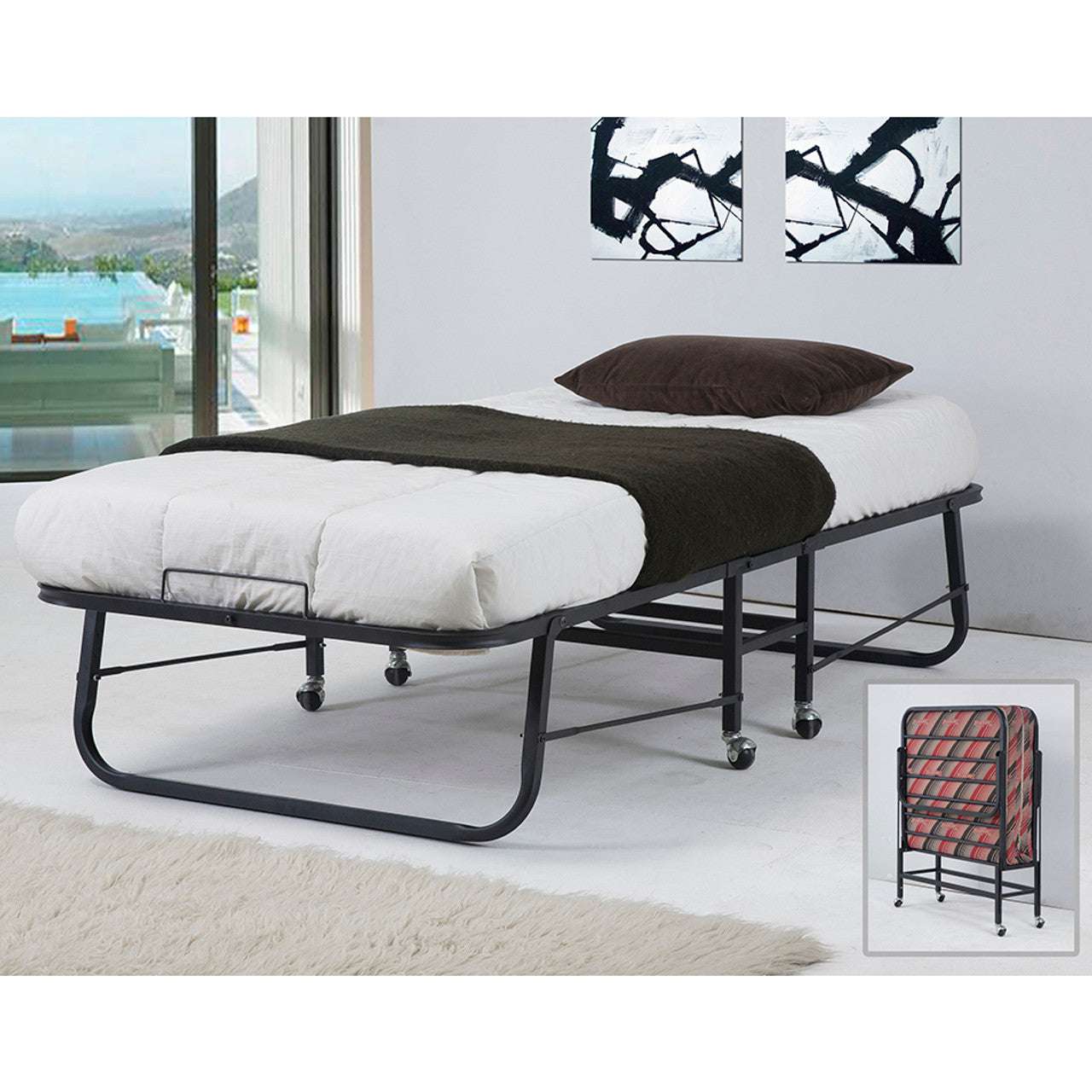
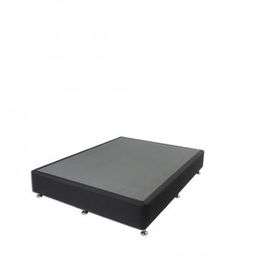
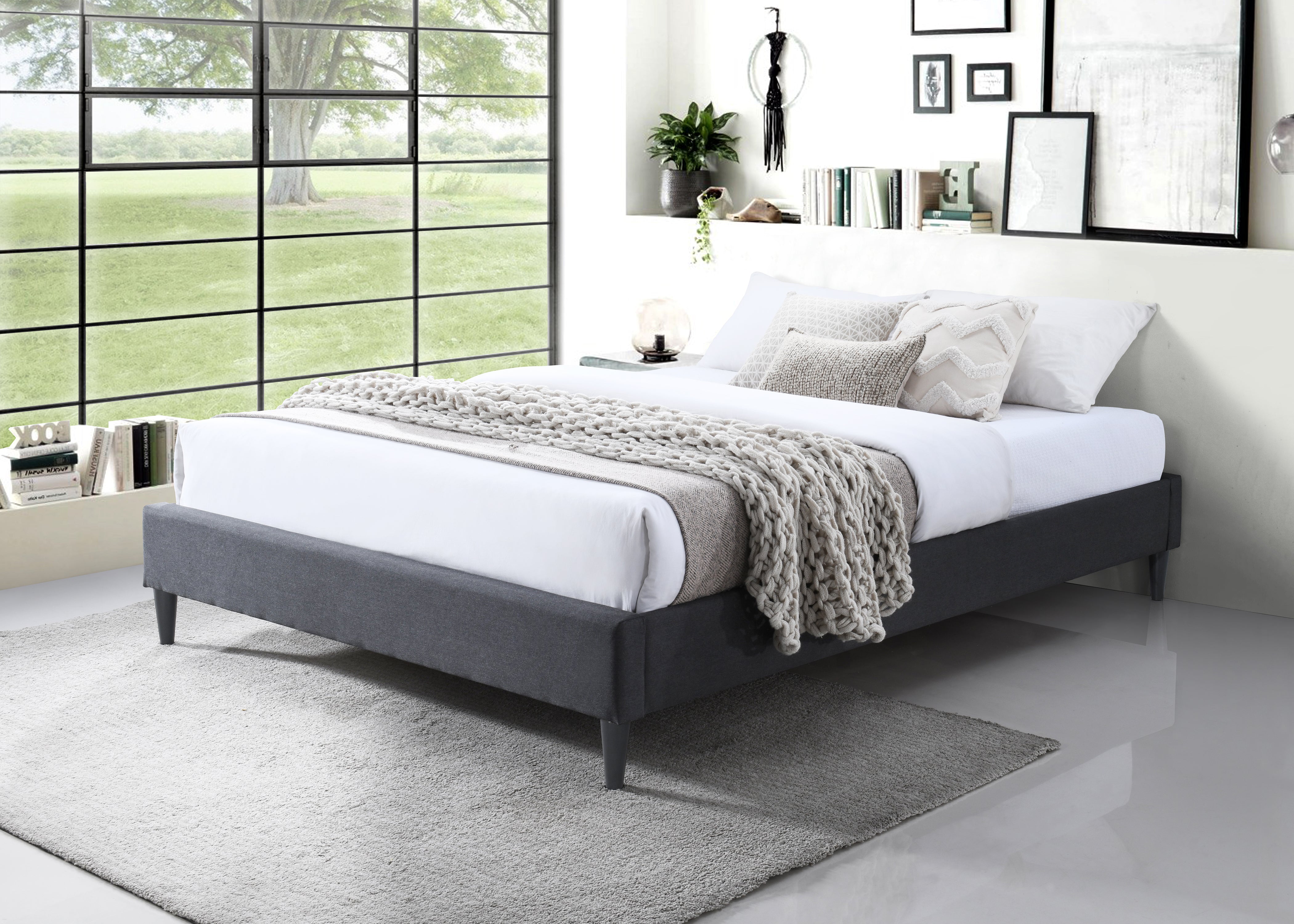
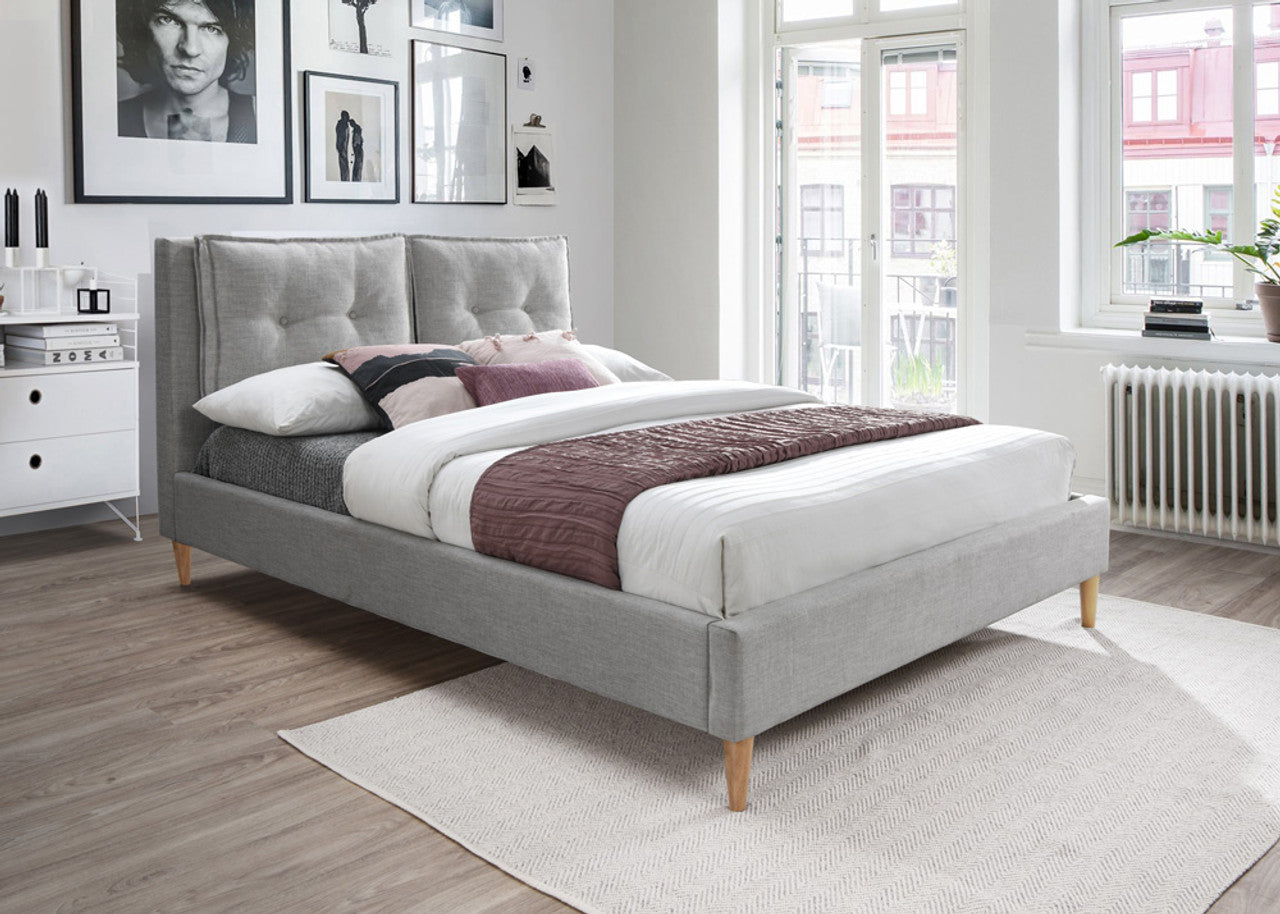
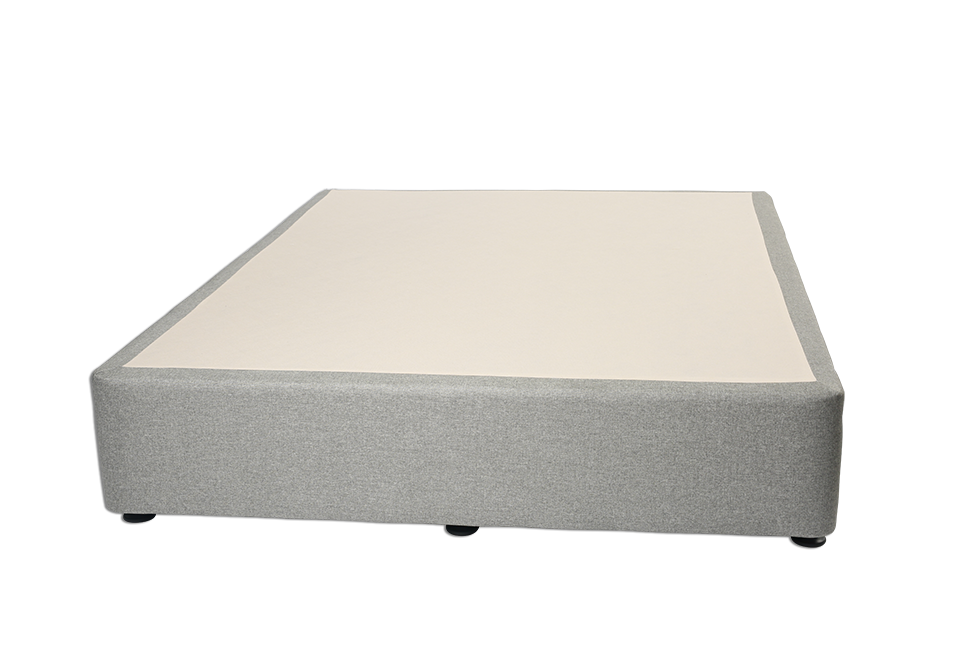
A regular bed frame supports a mattress without any integrated storage. This includes platform beds, slat-base frames, ensemble bases, and bed heads paired with a simple base. The space underneath may be open (allowing for under-bed boxes) or closed off by a solid base panel or low-clearance design.
Regular beds tend to be lighter, more affordable, and easier to move and assemble. They come in the widest variety of designs and are a practical choice when storage isn't a priority.
Key Differences Between Storage Bed and Regular Bed
When choosing a bed for your bedroom, understanding the difference between a storage bed and a regular bed can help you make a practical decision. While both provide comfort and support, a storage bed offers built-in space for organising items, whereas a regular bed focuses mainly on simplicity and design.
 Storage Capacity
Storage beds win here, obviously. Ottoman-style frames offer impressive capacity — enough for spare bedding, seasonal clothing, towels, and more. Drawer beds give you organised, accessible compartments. Regular beds offer no built-in storage, though open-base frames let you use flat storage boxes if needed.
Cost
Storage beds typically cost more upfront than comparable regular beds due to the more complex construction. That said, when you factor in the cost of buying a separate wardrobe, chest of drawers, or storage ottomans, a storage bed can represent genuine value — particularly in apartments or smaller homes where every square metre counts.
Weight and Assembly
Storage beds — especially ottoman frames — are heavier and more involved to assemble than regular beds. If you move house frequently or like to rearrange your furniture, this is worth considering.
Style and Design Range
Regular beds offer a broader range of styles, particularly at the more affordable end of the market. However, storage beds have improved significantly in design quality in recent years and are available in everything from minimalist upholstered finishes to classic timber.
When Can A Storage Bed Be Used?
Storage beds make the most sense in the following situations:
- You're in a smaller home or apartment where wardrobe space is limited.
- You have extra linen, out-of-season clothing, or bulky items (like extra blankets) with nowhere obvious to store them.
- You want to keep the bedroom feeling tidy and uncluttered — storage you can close and hide away supports that.
- You're furnishing a guest bedroom and want to store spare bedding conveniently close to where it'll be used.
- You'd rather invest in one piece of quality furniture than buy a bed base plus a separate storage solution.
For Australians living in apartments — particularly in Sydney, Melbourne, and Brisbane where floor space is at a premium — the under-bed area is some of the most valuable real estate in the home. A well-designed ottoman bed can store the equivalent of a full chest of drawers without taking up any extra floor space.
If you're weighing up storage options for a smaller room, it's worth browsing the ottoman collection available in different sizes to see what suits your space.
The Downsides of Storage Beds
Storage beds aren't without trade-offs. Here's what to keep in mind:
- They cost more upfront. If budget is a concern, a regular bed with under-bed storage bins may be a more practical short-term solution.
- Ottoman beds in particular require clearance around the bed to lift the base. If your room layout is tight or the bed is pushed close to a wall, access can be awkward.
- The hydraulic lift mechanisms on ottoman beds require occasional maintenance and can wear over time.
- Storage beds are heavier, which makes them harder to shift if you're renting or frequently redecorating.
-
If moisture or humidity is a concern in your area, airtight under-bed storage may not be ideal for all items — ventilation matters.
The Case for a Regular Bed
Regular beds remain the most popular option for good reason. If storage isn't your primary concern, the advantages are clear: lower cost, lighter weight, easier assembly, more design flexibility, and a wider range of mattress compatibility.
A regular bed is likely the better fit if:
- You have adequate wardrobe and storage space elsewhere in the bedroom.
- You prefer a low-profile, minimalist aesthetic — some regular frames sit much lower to the ground than storage beds.
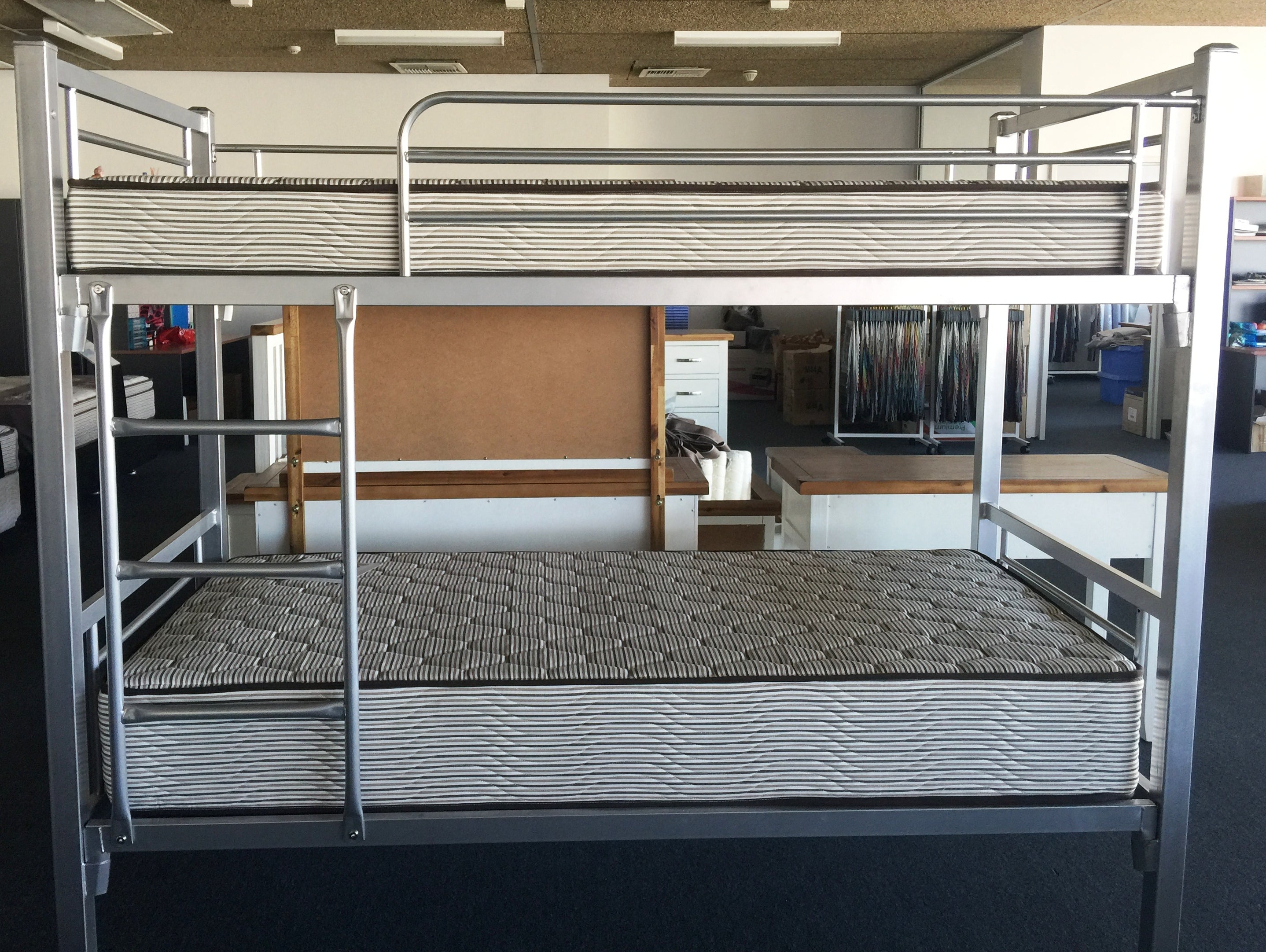
- You're furnishing a child's room where accessibility and simplicity matter more than storage capacity.
- You move house regularly and want furniture that's easy to pack, transport, and reassemble.
- You have a strict budget and don't need the extra storage functionality.
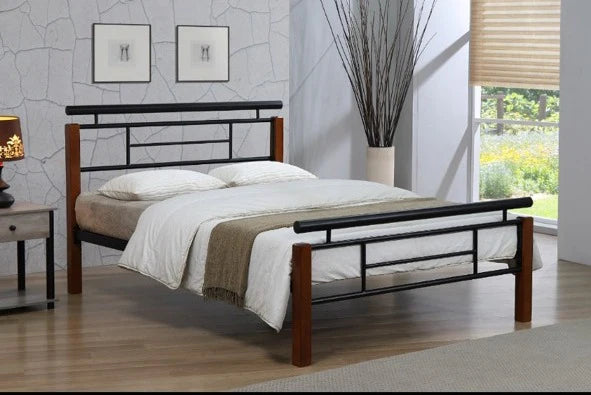
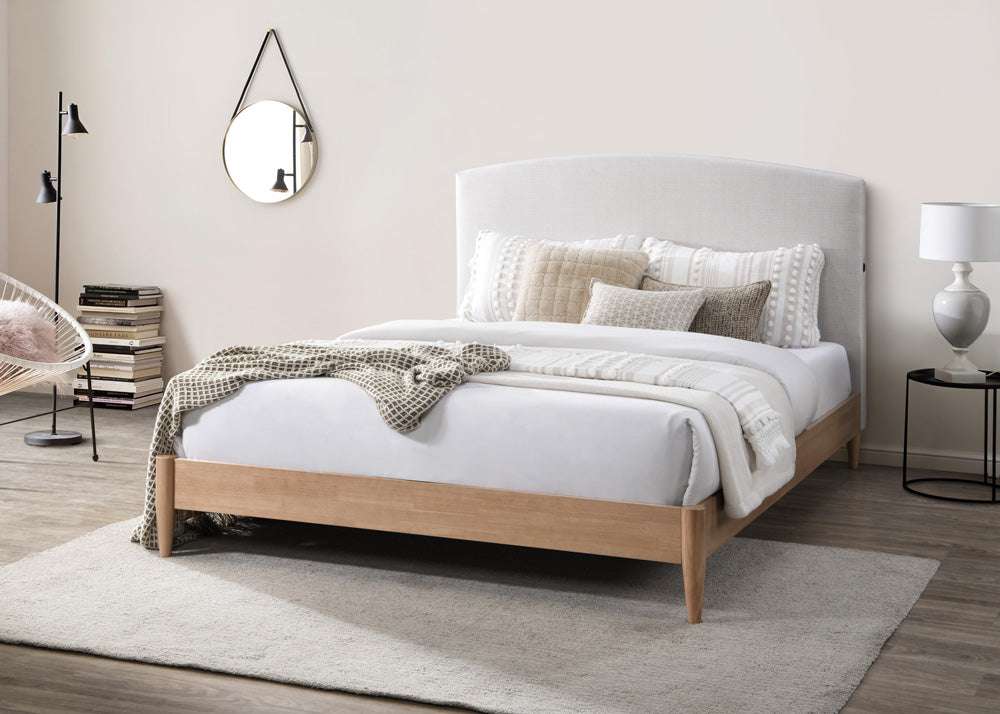
Regular beds also give you more freedom to experiment with styling. If you want to explore different bed frame styles and sizes for Australian bedrooms, a standard frame opens up more options across timber, metal, and upholstered finishes.
Which One Is Right for Your Home?
The honest answer is: it depends on your living situation. Here's a simple way to think about it.
Choose a storage bed if:
- You're short on storage and can't easily add more wardrobes or shelving.
- You live in an apartment or compact home.
- You want a clean, clutter-free bedroom without sacrificing practicality.
- You're buying a guest room and want to keep spare linen nearby.
Choose a regular bed if:
- You have enough storage elsewhere and don't need more.
- Budget is the priority and you'd rather spend more on a quality mattress.
- You move frequently or prefer lighter, simpler furniture.
-
You're decorating a child's room or a space where storage needs are minimal.
What to Look for When Buying a Storage Bed in Australia
If you've decided a storage bed is the right move, here are some features worth checking before you buy:
-
Lift mechanism quality: For ottoman beds, a gas-lift mechanism should feel smooth and hold the base open without support. Cheap mechanisms can fail over time.
-
Drawer size and accessibility: Side-opening drawers are easier to access in most room layouts. Check the drawer depth — some are quite shallow.
-
Mattress compatibility: Storage beds with slat bases work with most mattress types. If you're using a heavy mattress (like a pocket spring or latex), confirm the base is rated for the weight.
-
Clearance requirements: Ottoman beds need enough clearance to open fully. Measure your room before purchasing.
-
Ventilation: Look for slat-style bases or models with ventilation built into the storage cavity if you're storing bedding — this prevents moisture build-up.
If you're also trying to decide on the right mattress to go with your new bed, our guide on choosing a mattress for Australian climates and sleeping styles covers what to consider for different preferences and room conditions.
Looking out for a versatile bed? Shop at Bedworld
Neither storage beds nor regular beds are universally better — the right choice comes down to your space, your storage needs, and your budget. For anyone living in a compact home or apartment, a quality storage bed is often one of the most practical investments you can make in the bedroom. For those with adequate storage already, a regular bed offers simplicity, flexibility, and value.
If you're still weighing up your options, it's worth taking a look at the full range of storage bed frames at BedWorld — including drawer beds, and upholstered storage frames in a range of sizes and finishes suited to Australian homes.
PAA About Storage beds vs. Regular beds
Which type of bed is best for a small bedroom?
For small bedrooms, an ottoman storage bed is often the smartest choice because it maximises the use of under-bed space without requiring any additional floor space for drawers or storage furniture. A low-profile platform bed can also help a small room feel larger, even if it lacks built-in storage.
Do storage beds come in king size in Australia?
Yes. Storage beds are widely available in Australian standard sizes including single, king single, double, queen, and king. King-size ottoman beds are particularly popular for master bedrooms where large-scale storage is needed.
Are drawer beds good for everyday use?
Yes. Drawer beds are designed for regular access and work well for storing items you reach for often — such as extra pillows, bed linen, clothing, or books. The drawers slide out easily and don't require lifting the mattress.
What should I store in an ottoman bed?
The most common items stored in ottoman beds include spare duvets, blankets, pillows, bed linen sets, seasonal clothing, towels, and bulky items that don't fit neatly into wardrobes. The large open cavity suits anything that benefits from being stored flat.
How long do storage beds last?
A well-made storage bed should last as long as any quality bed frame — typically 10 years or more. The main maintenance consideration for ottoman beds is the gas-lift mechanism, which may need servicing or replacing after heavy use over a number of years.