Upgrading to a king-sized sleep setup is one of the best decisions you can make for your bedroom — but picking the right frame takes a little know-how. Here's everything you need to consider before you buy.
A king bed frame is a significant purchase. It anchors your entire bedroom, influences how well you sleep, and has to hold up for years. Whether you're outfitting a new master bedroom or simply ready to trade up from a queen, there are a few things worth getting right from the start: knowing the actual dimensions, understanding how different frame styles work, and matching the frame to both your room and your mattress.
This guide covers all of that, with practical advice tailored to Australian home buyers.
Understanding King Bed Dimensions in Australia
Before anything else, it helps to understand exactly what "king size" means in Australia — because sizing standards differ between countries, and buying without checking can lead to an expensive mismatch.
In Australia, a standard king mattress measures 183 cm wide × 203 cm long. This makes it notably wider than a queen (153 cm × 203 cm), but not as large as a super king (203 cm × 203 cm).
|
Bed Size
|
Width
|
Length
|
Best For
|
|
Queen
|
153 cm
|
203 cm
|
Couples, smaller rooms
|
|
King
|
183 cm
|
203 cm
|
Couples wanting more space
|
|
Super King
|
203 cm
|
203 cm
|
Spacious master bedrooms
|
The frame itself will add a few centimetres on all sides, so always measure the actual bed frame footprint — not just the mattress size. Most king frames sit around 195–200 cm wide and 215–220 cm long once assembled, depending on the headboard and footboard design.
Tip: Always measure your bedroom floor space before shopping. As a rule of thumb, leave at least 60–90 cm of clearance on either side of the bed and at the foot for comfortable movement, especially if you're fitting in bedside tables and a dresser.
How to Choose the Right Frame Style
Once you know your dimensions, the next decision is style. The frame sets the visual tone of the entire room, so it's worth thinking beyond just practicality.
Timber Bed Frames
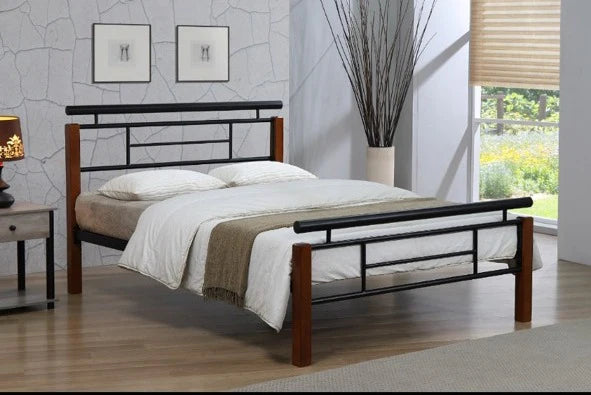
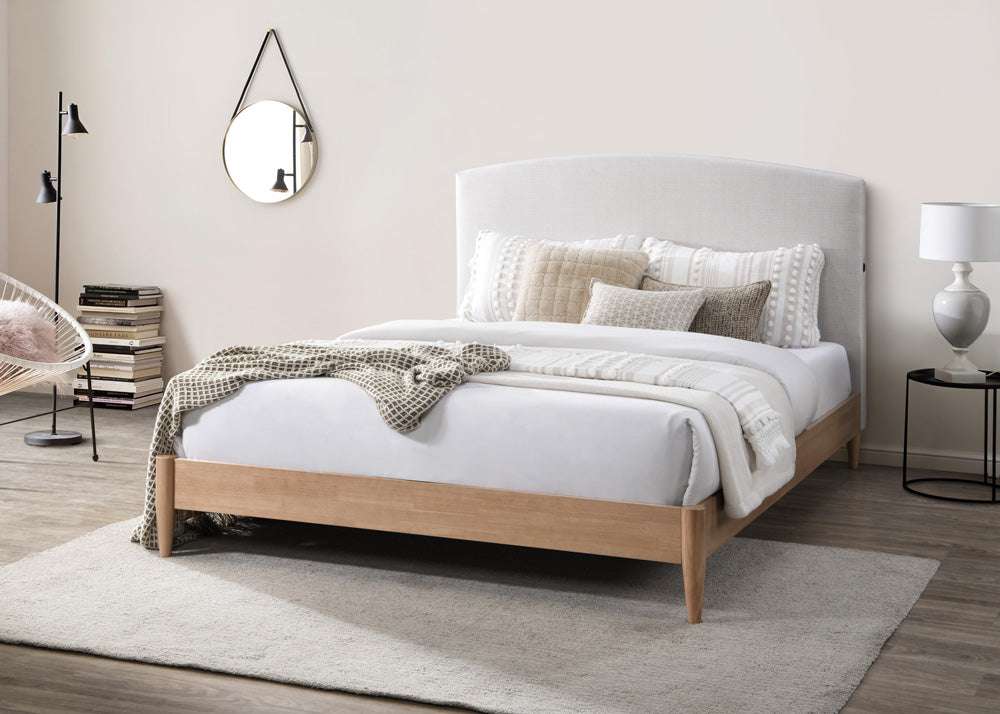
Timber remains one of the most popular choices for Australian homes, and for good reason. A well-made solid timber bed frame brings warmth, texture, and a timeless quality that suits everything from classic to contemporary bedrooms. Hardwoods like Acacia and Marri timber are particularly durable and hold up exceptionally well in Australian climates.
Timber frames tend to be quieter than metal alternatives — no squeaking or rattling over time — and they age gracefully. If you're after something with character and longevity, a solid wood frame is hard to beat.
Upholstered and Fabric Frames
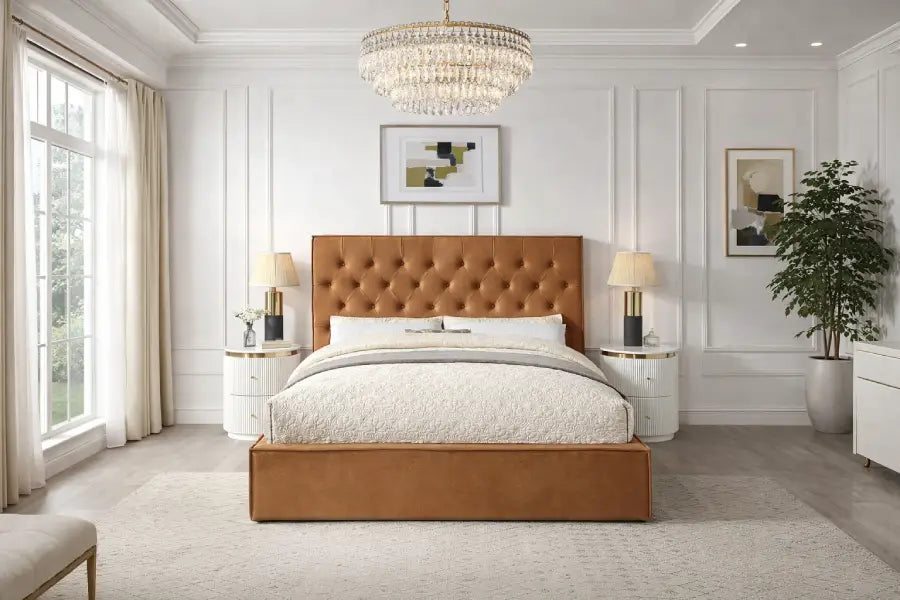
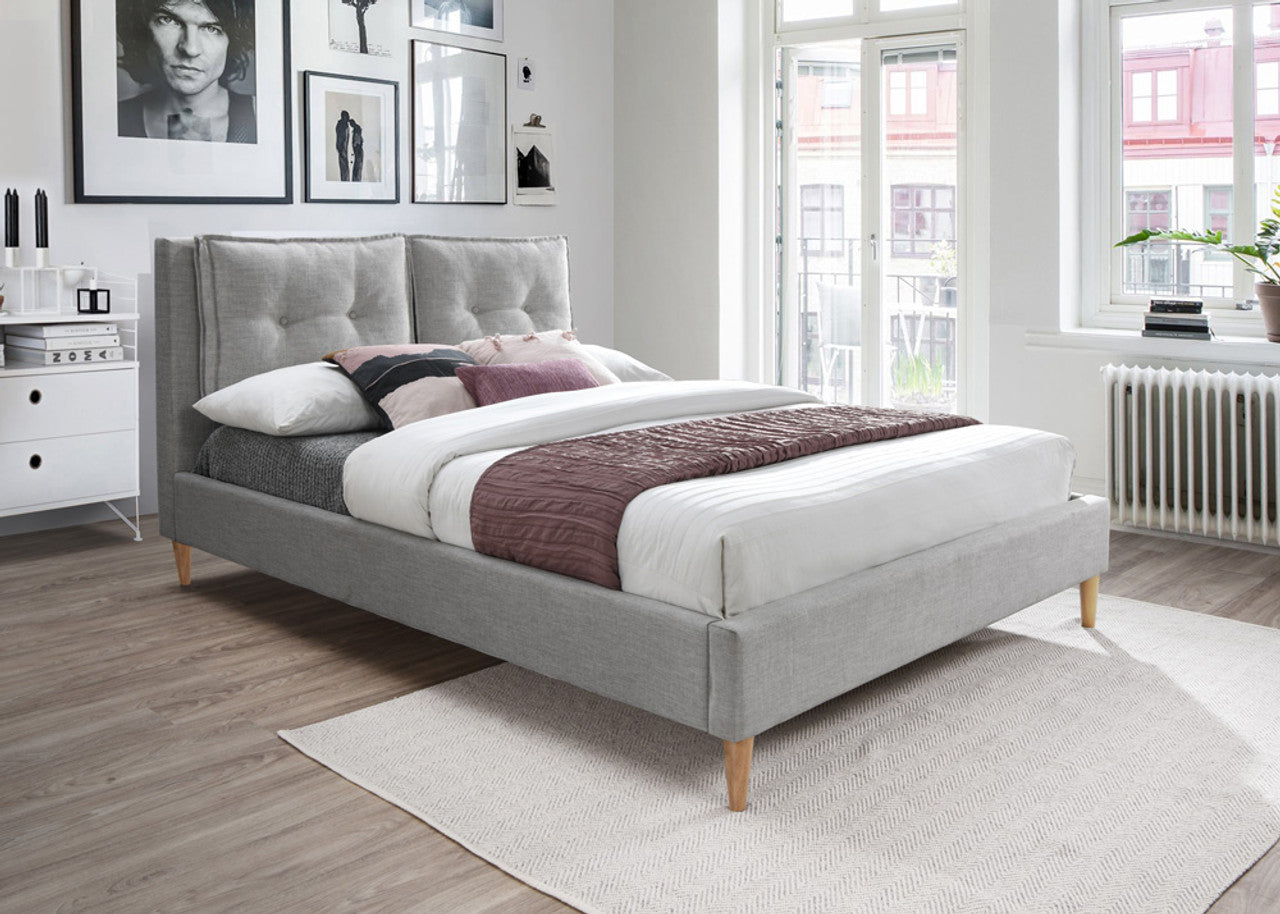
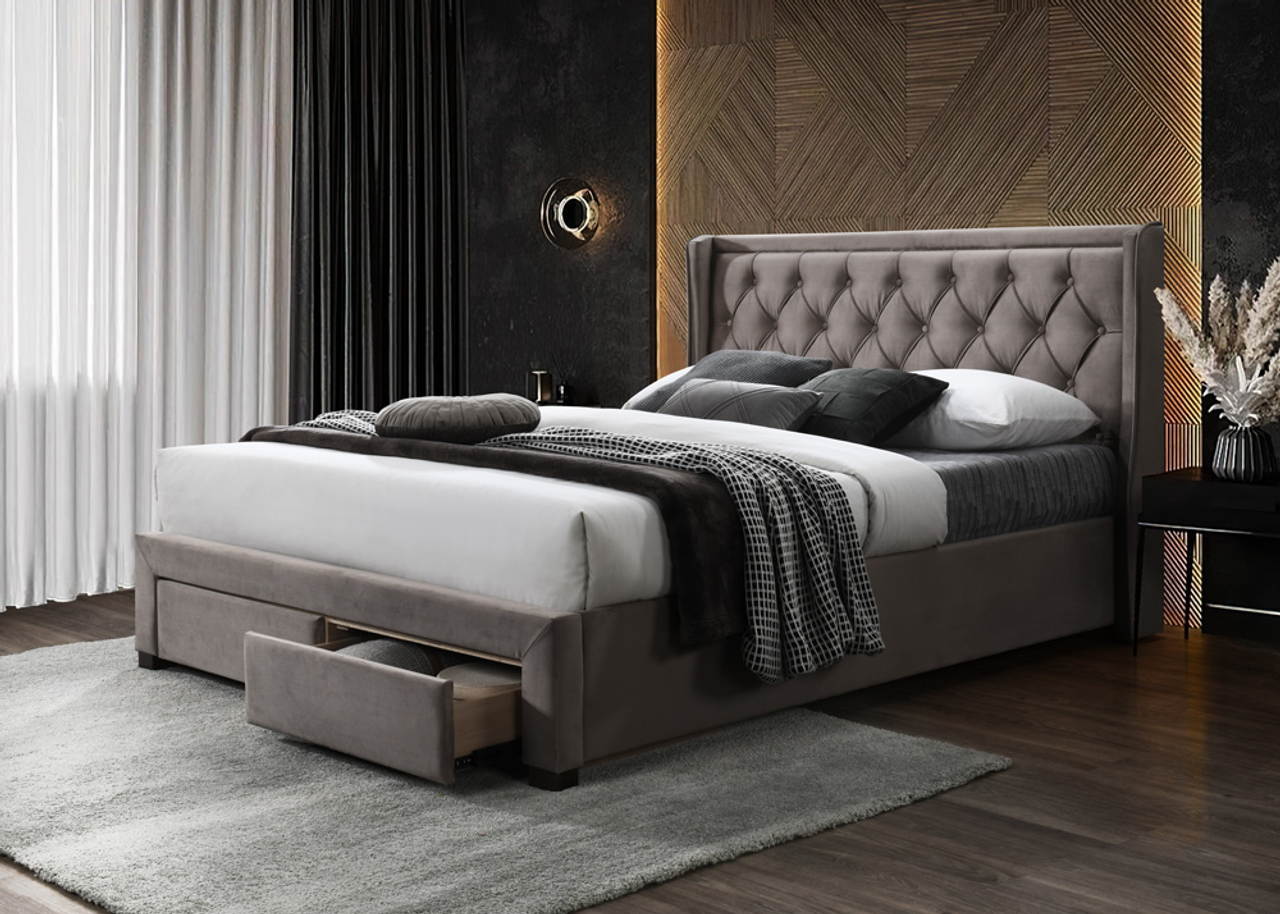
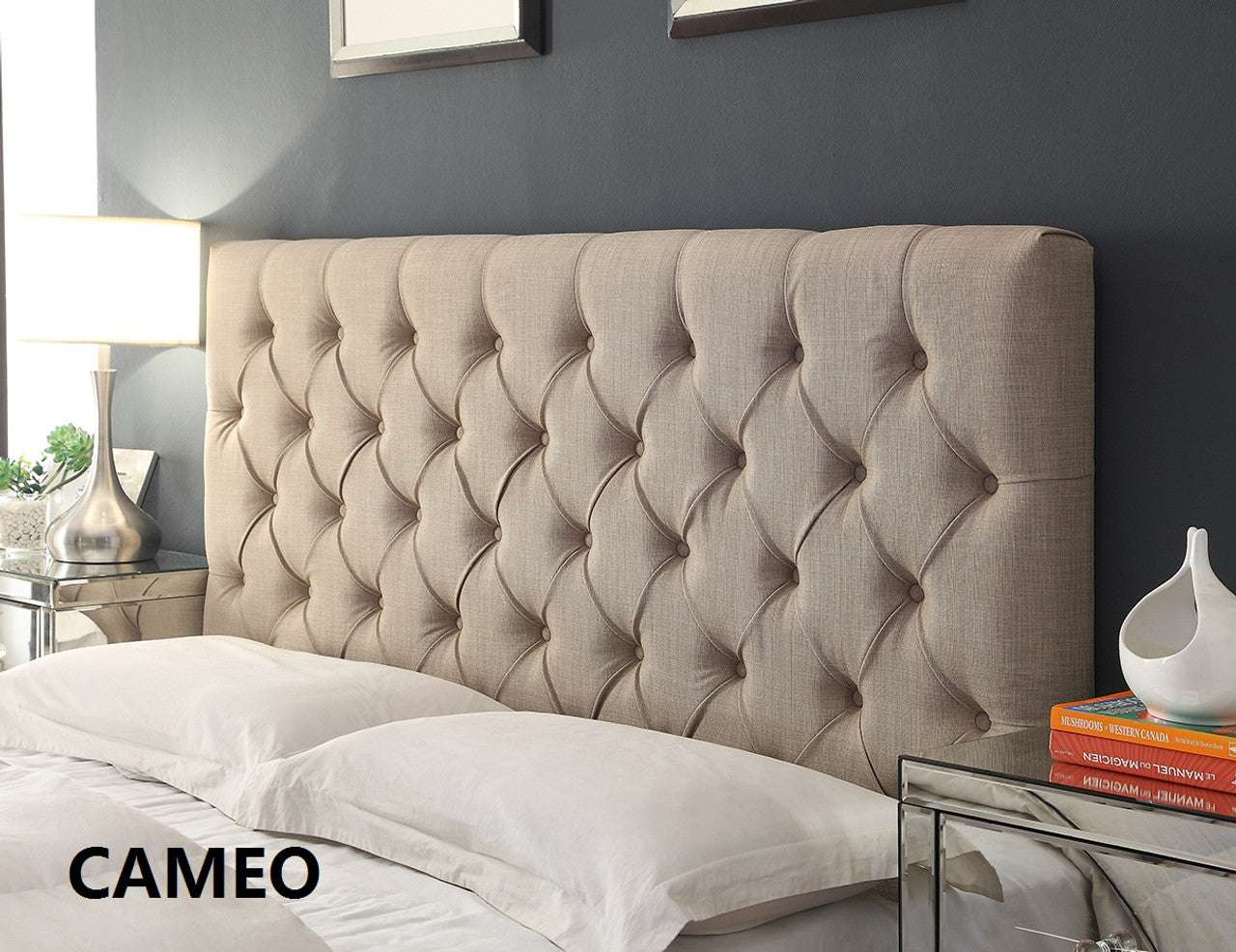
Upholstered frames have become increasingly popular for master bedrooms because they create a softer, more luxurious feel. Fabric or linen-wrapped headboards add visual softness and make the bed a true centrepiece of the room. They also work beautifully in neutral or coastal-style interiors, both of which are widely loved in Australian homes.
If you're going this route, look for a tightly upholstered finish with a sturdy internal frame — it'll hold its shape and look better for longer.
Gas Lift Storage Frames
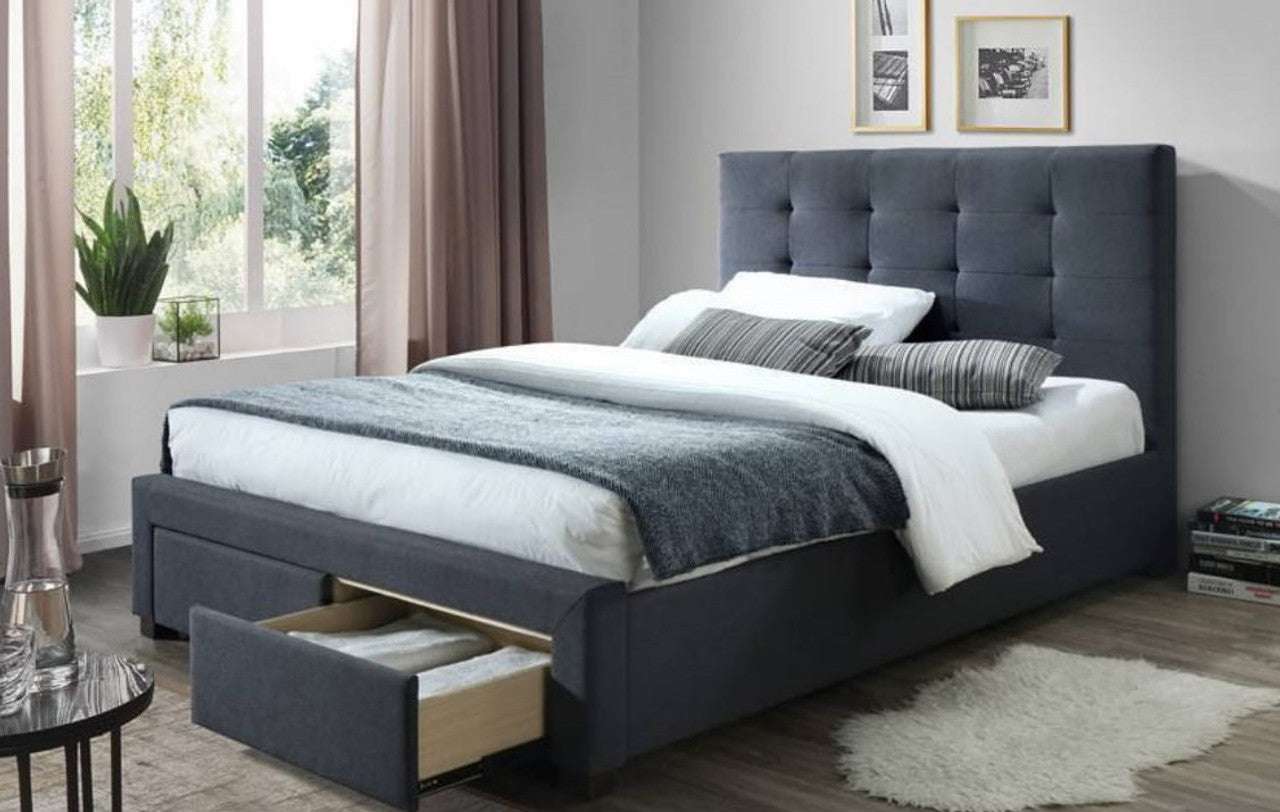
Storage is always a consideration in Australian homes, particularly in apartments or smaller properties. A gas lift bed frame raises the entire mattress platform to reveal a large under-bed storage cavity — ideal for linen, seasonal clothing, or extra bedding. These frames are **practical, space-saving, and increasingly stylish**, and they're a smart investment if bedroom storage is limited.
Platform vs. Slatted Frames
Most modern bed frames use a slatted base rather than a solid platform. Slats allow airflow underneath your mattress, which helps regulate temperature — important in the warmer Australian climate — and they also provide even support that helps your mattress last longer. When choosing a slatted frame, look for slats spaced no more than 6–8 cm apart for optimal mattress support.
Matching Your Frame to Your Mattress
A king bed frame is only as good as the mattress it supports. The two work together, and choosing them in sync makes a real difference to your comfort and the longevity of your investment.
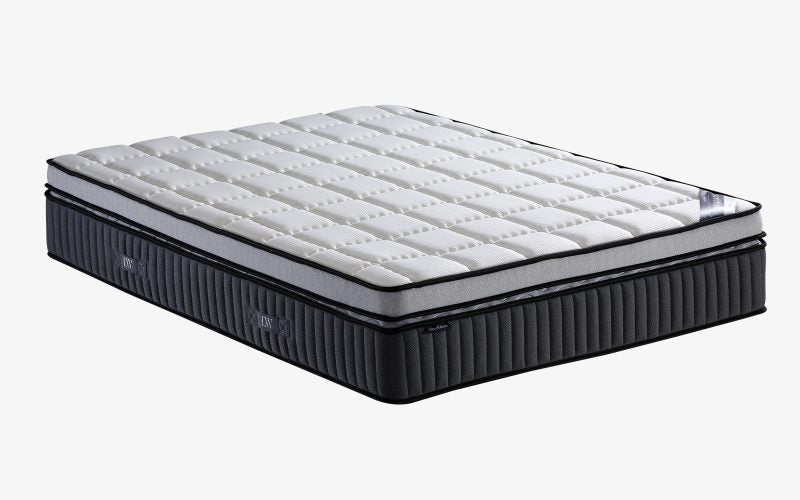
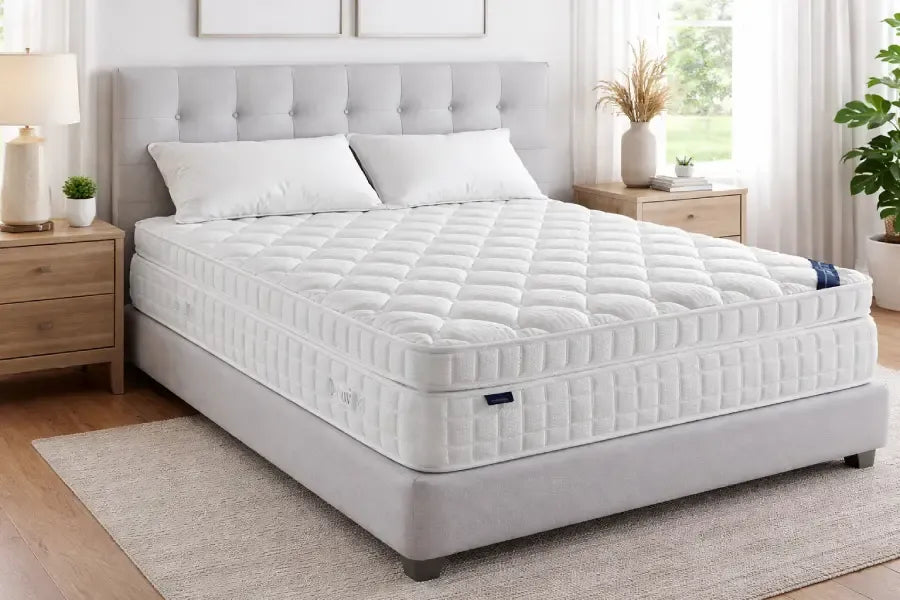
If you're purchasing a king mattress with pocket springs, make sure the frame's slats are close enough together to support the spring system properly. Memory foam and latex mattresses generally need firmer support, so a solid platform or closely-spaced slats work best for them.
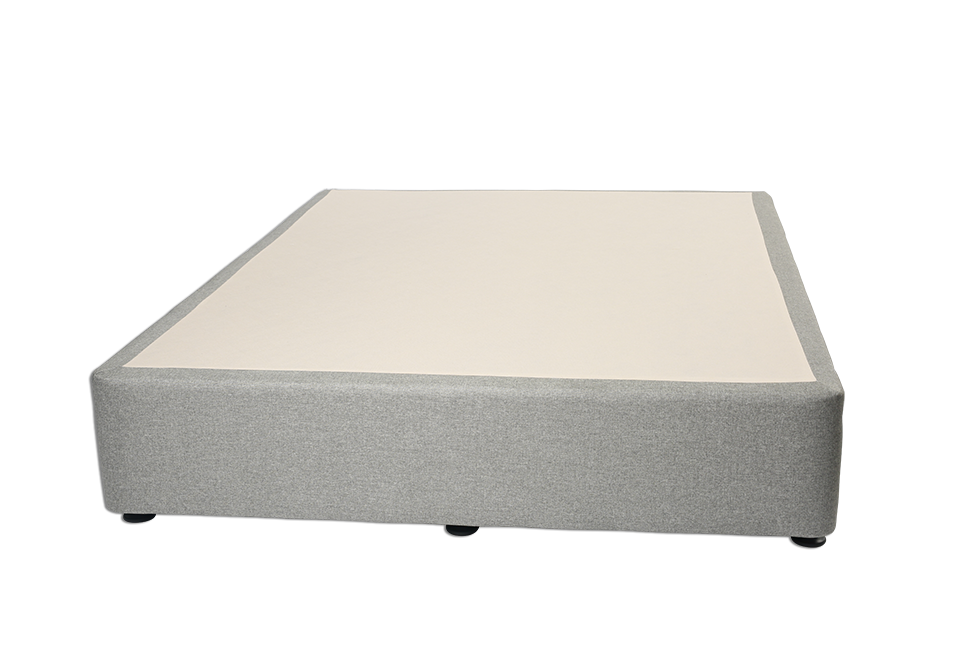
For buyers who want the complete package — frame, mattress, and base — a **mattress and base package** is often the most cost-effective and hassle-free option. Everything is designed to work together, and you get the peace of mind that comes with a coordinated setup.
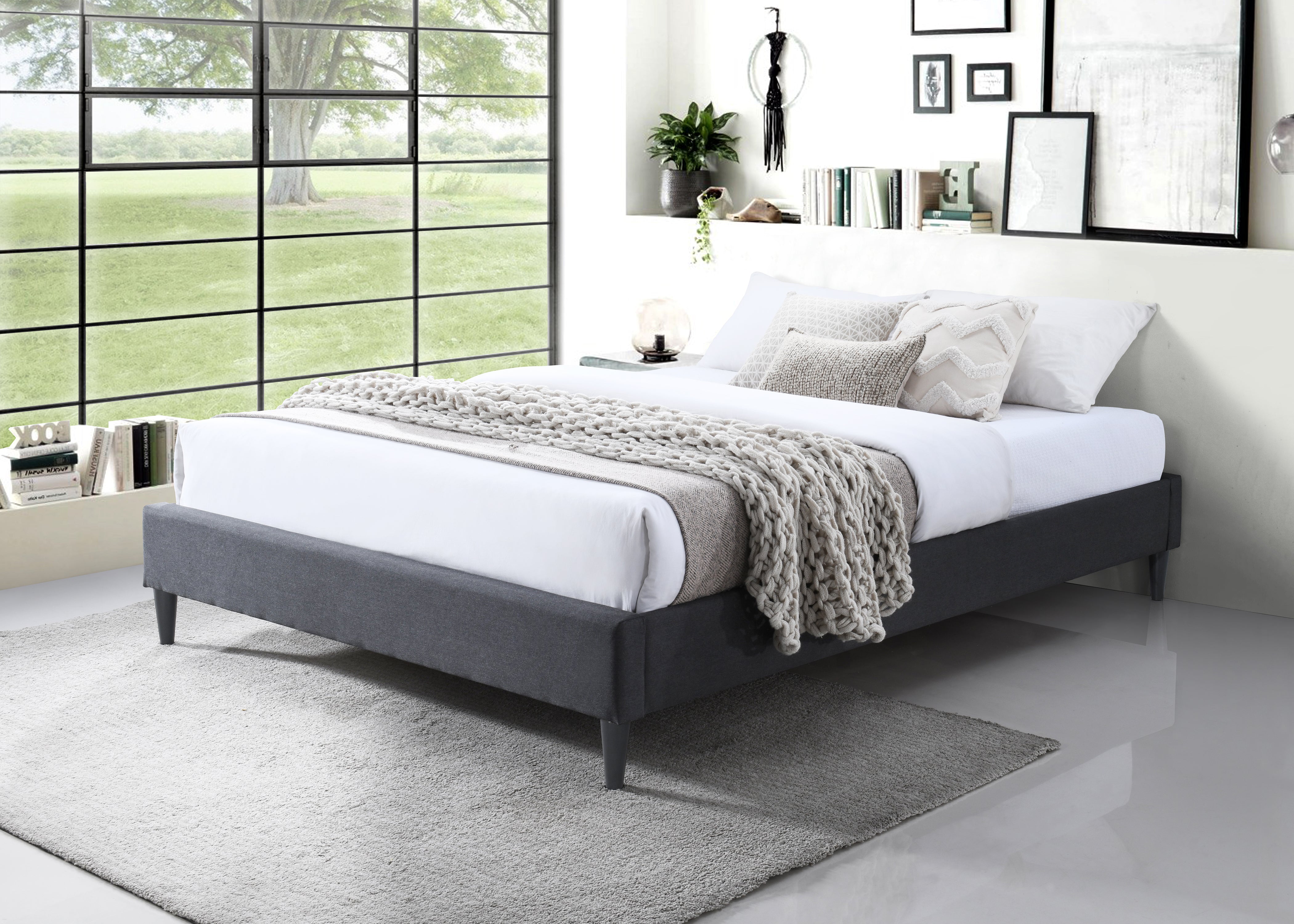
It's also worth thinking about the height of the frame. A higher frame makes getting in and out of bed easier, especially for older sleepers or those with joint issues, while a lower, platform-style frame gives a more contemporary look and is easier for young children or pets to navigate.
Don't forget: Pair your new frame with a quality mattress protector from day one. It protects your investment, extends the life of your mattress, and keeps things hygienic over the years.
Key Tips Before You Buy
With so many options on the market, it can feel overwhelming. Here's a straightforward checklist to help you make a confident decision:
-
Measure your room first. Don't rely on guesswork — take accurate measurements of the floor space, including where doors swing open and where built-in wardrobes sit.
-
Check the weight capacity. Most quality frames support 200–300 kg, but if you have a heavier mattress or two larger adults sleeping in the bed, confirm the frame's load rating.
-
Look at the slat spacing. Wider gaps can cause mattress sagging over time. Opt for frames with slats spaced at 6 cm or less for best long-term support.
-
Think about assembly. King frames are large and can be awkward to manoeuvre through doorways. Check whether the frame comes flat-packed with clear instructions, and consider whether you'll need a second person to help assemble it.
-
Consider the headboard. The headboard is the most visible part of the frame. An upholstered headboard adds comfort if you like reading or watching TV in bed; a solid timber headboard gives a cleaner, architectural look.
-
Match the finish to your existing furniture. Think about the other pieces in your bedroom furniture — bedside tables, dressers, and wardrobes. A cohesive finish (whether timber, white, or charcoal) makes the whole room feel intentional and polished.
Room Size Recommendations
Wondering whether a king frame will actually fit your room comfortably? Here's a rough guide based on common Australian bedroom sizes:
-
Under 12 m²: A king bed may feel cramped. A queen is likely a better fit, unless you're willing to minimise other furniture.
-
12–16 m²: A king frame works well, but plan carefully around bedside tables and walkways.
-
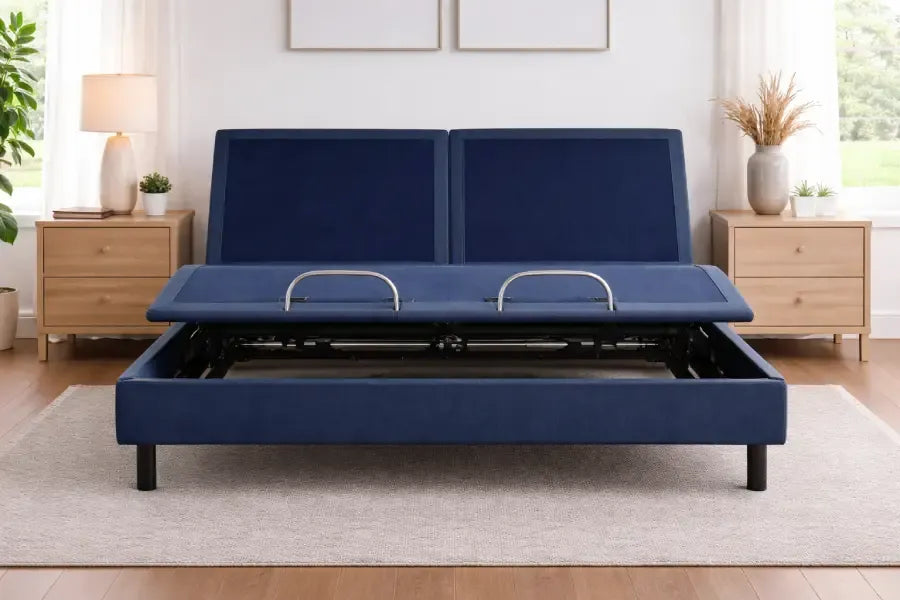
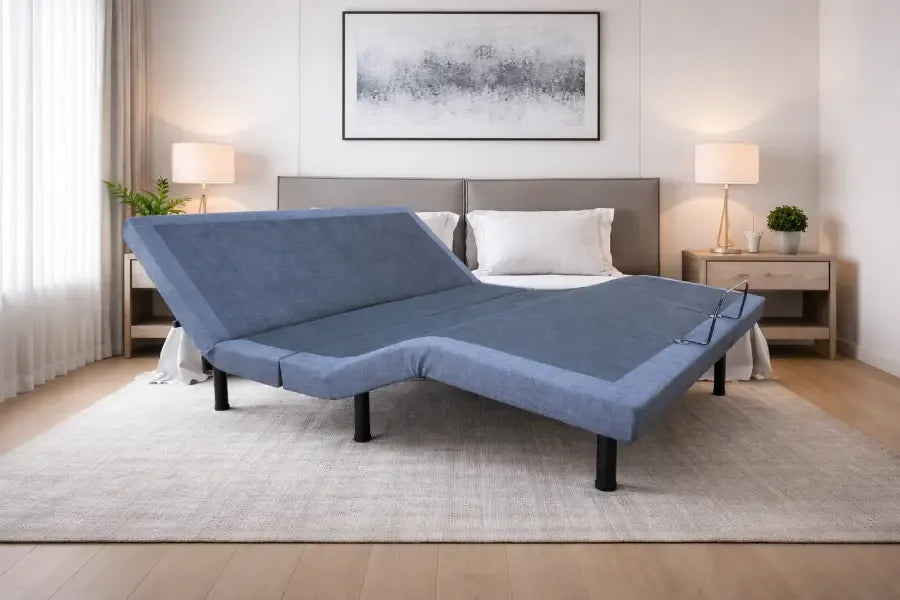
16 m² and above: Plenty of space for a king setup, including bedside tables, a dresser, and an adjustable base if desired.
If you're in a larger master bedroom — typically found in contemporary Australian homes — you may even want to consider a super king for maximum space and comfort.
Completing Your Bedroom Setup
The frame is the centrepiece, but a beautifully put-together bedroom is about the whole picture. Once you've chosen your king frame, think about the surrounding pieces that will complete the space.
A matching set of bedside tables keeps things cohesive. A dresser with mirror adds both function and visual scale. And if you're after extra storage at the foot of the bed, a blanket box is both practical and elegant.
Investing in the right sleep environment pays off — better sleep, a more relaxing space, and a bedroom you genuinely enjoy spending time in.
Shop King Bed Frames at Bedworld
Browse our full range of bed frames — from solid Acacia timber designs to upholstered fabric styles — and pair your choice with a premium king mattress for a complete sleep upgrade. Explore our floor stock clearance for exceptional deals on quality bedroom furniture.