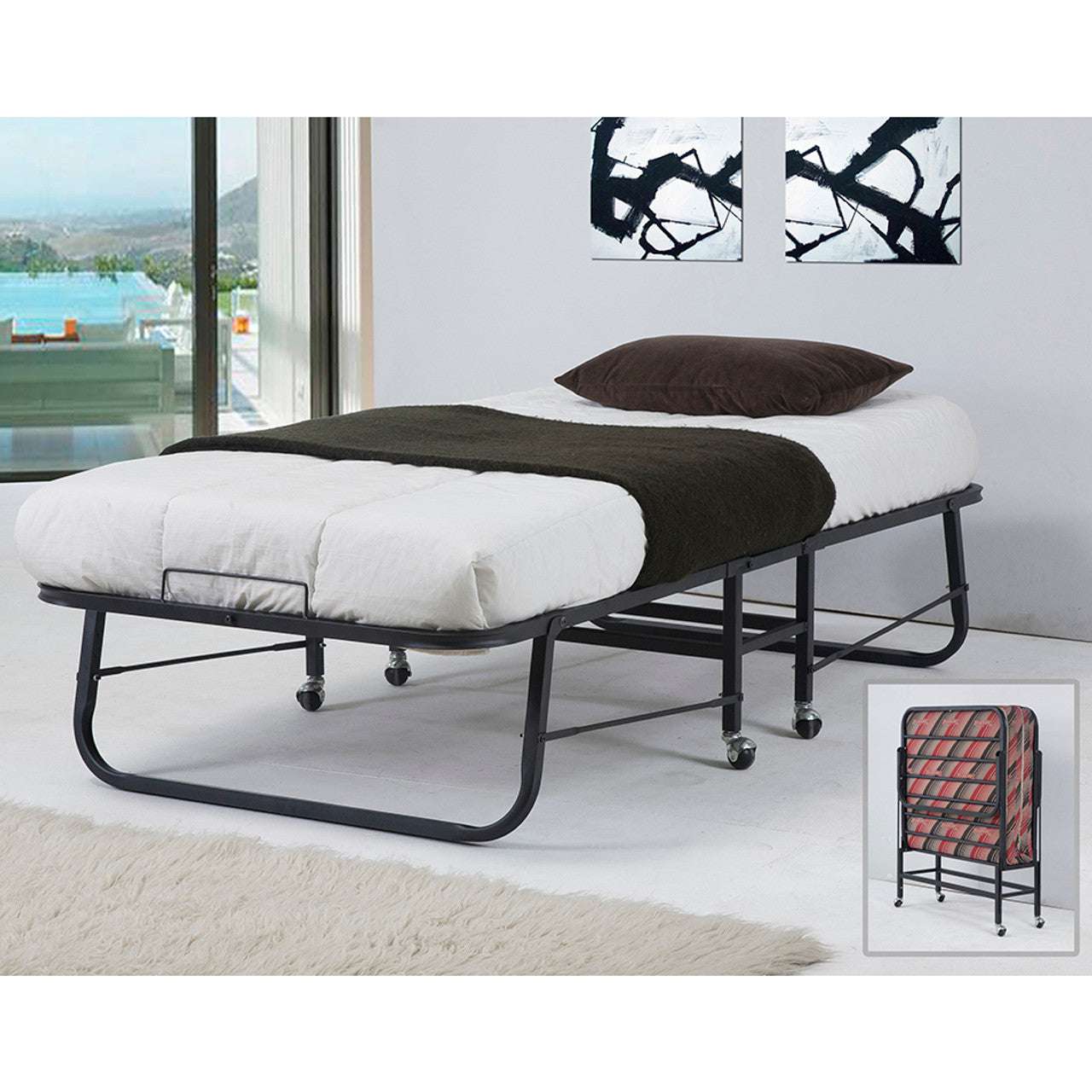
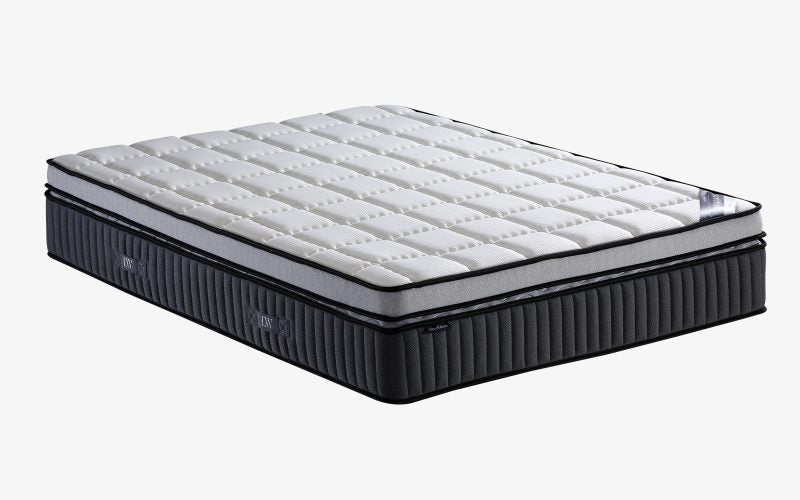
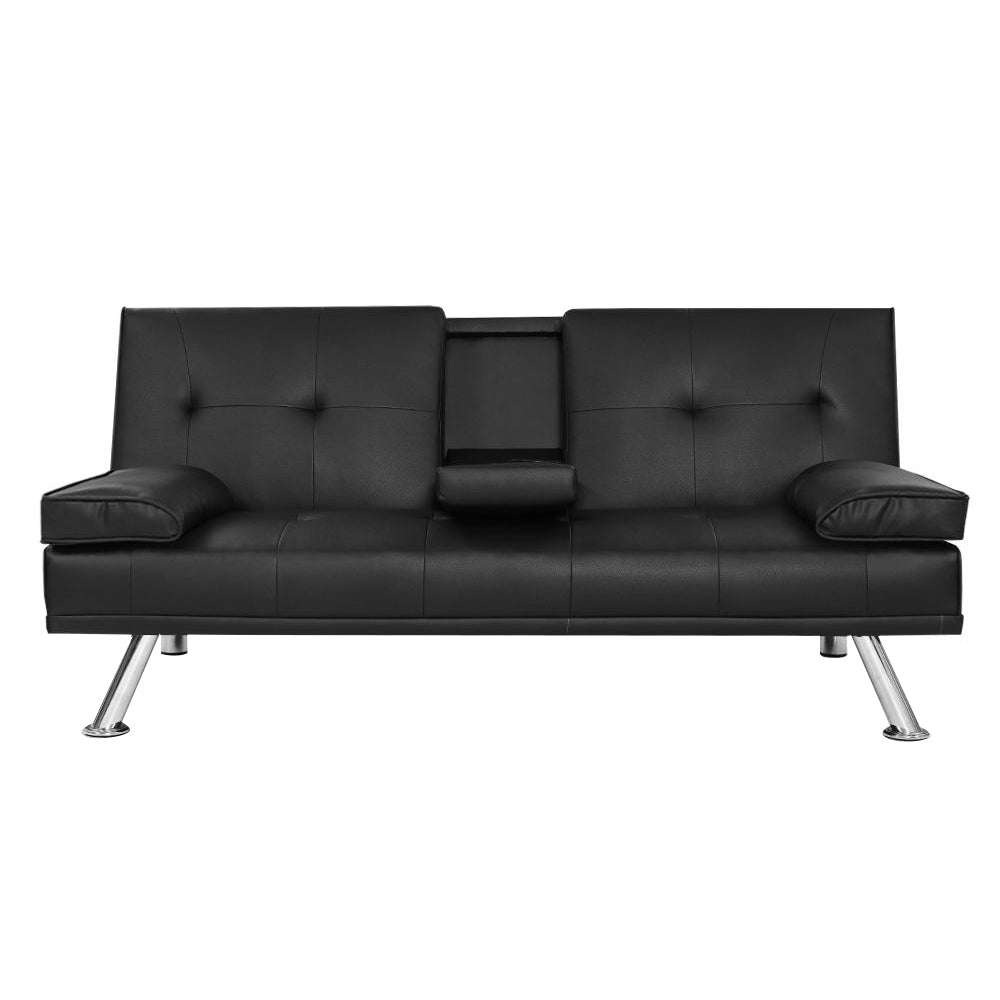
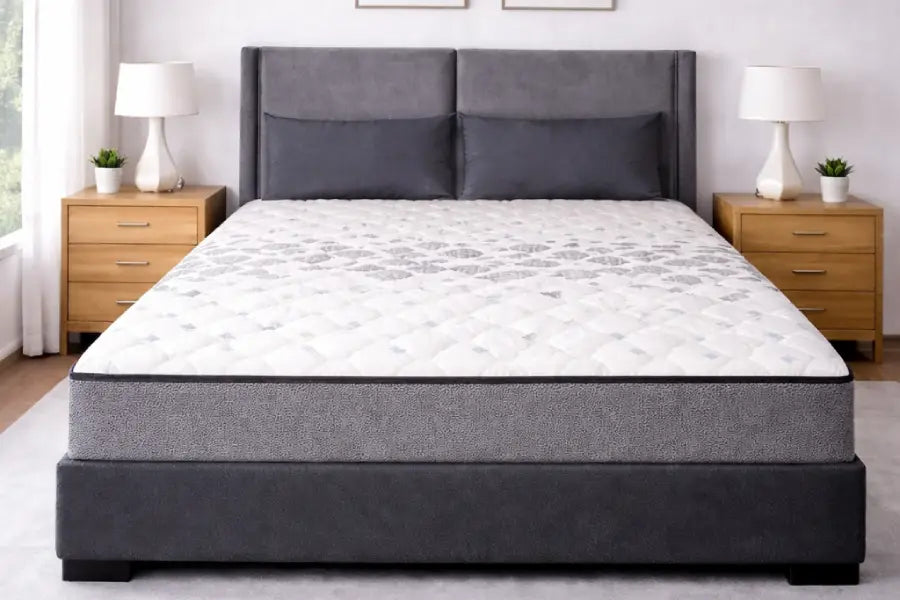
Waking up with aches and pains? Hearing squeaks and creaks in the night? Before you spend money on a new mattress, it's worth checking whether your bed frame might actually be the culprit.
Most Australians assume that when sleep quality drops, the mattress is to blame. And often, that's true — mattresses do wear out and need replacing. But here's what's easy to overlook: a failing bed frame can make even a perfectly good mattress perform terribly. It can cause sagging, uneven support, noise, and instability that no amount of mattress quality can overcome.
Knowing which one to replace — and when — can save you hundreds of dollars and a lot of frustration. This guide helps you read the signs clearly.
Understanding What Each One Actually Does
Before we look at the warning signs, it helps to understand how a bed frame and a mattress work together — because they're more interdependent than most people realise.
Your bed frame is the structural foundation. It holds everything in place, distributes weight evenly, and keeps your mattress elevated and properly supported. A weak or damaged frame undermines all of this.
Your mattress is where comfort and pressure relief happen. It contours to your body, cushions your joints, and regulates the feel of your sleep surface. But it can only do its job properly when the frame beneath it is solid and stable.
Think of them like tyres and a wheel rim. Even the best tyre won't perform on a bent or damaged rim.
Clear Signs Your Bed Frame Needs Replacing
These are the signals that point to the frame — not the mattress — as the source of your sleep problems.
1. Squeaking, Creaking, or Knocking Sounds
If your bed makes noise every time you move, that's almost always a structural issue with the frame. Loose joints, worn timber, or failing metal connections cause friction and movement that creates noise. A mattress doesn't squeak — frames do. Try placing your mattress on the floor: if the noise disappears, the frame is the problem.
2. Visible Damage to the Frame Itself
Cracked or splintered timber slats, bent metal supports, broken joints, or a warped base are obvious signs that the frame has reached the end of its life. These aren't just cosmetic issues — structural damage compromises the support your mattress receives and can accelerate mattress wear.
3. The Frame Wobbles or Feels Unstable
A bed that rocks, shifts, or wobbles when you sit or lie on it has lost its structural integrity. This instability puts uneven pressure on your mattress and can be genuinely unsafe, particularly in taller frames or those used by heavier individuals.
4. Broken or Missing Slats
Slats play a critical role in distributing your body weight across the mattress. If slats are snapped, sagging, or missing, your mattress will dip and sag in those exact spots — even if the mattress itself is brand new. Replacing the frame (or at minimum the slat system) is the only real fix.
5. Your Sleep Setup Has Changed
If you've upgraded to a heavier mattress type, moved to a larger bed size, or your household circumstances have changed (a new partner, a growing child, more weight to support), your existing frame may simply no longer be adequate. This is a practical mismatch rather than a failure — but the solution is the same.
Quick test: Remove your mattress and inspect the frame on its own. Press down on the slats and centre supports. If anything flexes excessively, cracks, or shifts, you've found your problem — and a new mattress won't fix it.
Clear Signs Your Mattress Needs Replacing
Now let's look at the other side. These signs point to the mattress as the issue, especially when the frame checks out as structurally sound.
1. Visible Sagging or Body Impressions
A mattress that has developed a permanent dip or body-shaped indent — particularly one deeper than about 2–3 cm — has lost its ability to provide even support. This is one of the most reliable indicators that it's time for a new one. It won't bounce back, no matter what you do.
2. Waking Up with Aches and Pains
If you frequently wake with lower back pain, hip soreness, or shoulder discomfort that eases as the day goes on, your mattress may no longer be providing adequate pressure relief or spinal alignment. This is especially common after 7–10 years of use.
3. You Sleep Better Elsewhere
This is one of the most telling signs. If you consistently sleep better in hotels, at a friend's place, or even on a sofa, your mattress is almost certainly the culprit. A good frame won't make a deteriorated mattress comfortable again.
4. Allergies or Hygiene Concerns
Over time, mattresses accumulate dust mites, dead skin cells, and moisture. If you're experiencing increased allergy symptoms at night — sneezing, congestion, itchy eyes — your mattress may be harbouring allergens that even regular cleaning can't fully address. A latex mattress or one paired with a quality mattress protector can help prevent this from recurring.
5. The Mattress Is More Than 8–10 Years Old
Most quality mattresses have a practical lifespan of 8 to 10 years with regular use. Beyond this, even well-maintained mattresses start to lose their support and comfort properties. Age alone is a valid reason to upgrade.
When You Should Replace Both
Sometimes, the wisest move is to replace the frame and mattress together. This makes sense when:
-
Both are showing wear at the same time — replacing one while keeping a failing other is a short-term fix.
-
You're upgrading to a different bed size and need a matching frame and mattress.
-
You're setting up a new bedroom from scratch and want everything to work in harmony from day one.
-
You want a cohesive bedroom aesthetic — a fresh bedroom suite can transform the entire look and feel of your room.
Buying both together also gives you the chance to ensure full compatibility — the right frame for your mattress type, the right size, and the right support system for your sleep needs.
A Quick Decision Guide
|
What You're Experiencing
|
Likely Culprit
|
|
Squeaking or knocking sounds when you move
|
Bed frame
|
|
Visible cracks, warping, or broken slats
|
Bed frame
|
|
Bed wobbles or shifts during the night
|
Bed frame
|
|
Mattress sags or has permanent body impressions
|
Mattress
|
|
Waking up with back or hip pain
|
Mattress (or both)
|
|
Sleep much better in other beds
|
Mattress
|
|
Increased allergy symptoms at night
|
Mattress
|
|
Mattress is 8–10+ years old
|
Mattress
|
|
Both are old and showing wear
|
Replace both
|
What to Look for When You Do Upgrade
Once you've diagnosed the problem, making a smart replacement decision comes down to a few key considerations.
For a new bed frame, prioritise solid construction (look for hardwood timber or quality steel), good slat spacing (no more than 7–8 cm between slats to support foam mattresses), and a style that complements your bedroom. Bedworld offers a wide range of bed frames across different styles and sizes. If you want to add personality to your sleep space without replacing the entire frame, a new headboard can also make a striking difference.
For a new mattress, think about your preferred sleep position, whether you sleep hot or cold, and your budget. Bedworld stocks a comprehensive range of mattresses from trusted Australian brands including A.H. Beard, Loren Williams, and Slumbercare. If budget is a consideration, the mattresses under $1,000 range offers excellent value without compromising on quality.
Ready to upgrade your sleep setup? Browse Bedworld's full range of bed frames, mattresses, and bedroom furniture — everything you need for a better night's sleep, with fast delivery across Australia.